



In the digital age, staying connected with your audience is paramount, and RSS-to-email automation serves as a bridge between your blog and your subscribers. This technology allows you to automatically send updates from your blog directly to your email list, ensuring that your audience is always informed about your latest content. By leveraging this automation, you can save time while maintaining consistent communication with your readers.
Imagine the convenience of having your blog posts delivered straight to your subscribers’ inboxes without the need for manual intervention. This not only enhances user experience but also fosters a loyal readership. Moreover, RSS-to-email automation can significantly boost your blog’s visibility.
When you send out regular updates, you remind your audience of your presence and encourage them to engage with your content. This consistent outreach can lead to increased traffic on your blog, as subscribers are more likely to click through to read the full articles. Understanding how this automation works is crucial for maximizing its potential.
You’ll want to familiarize yourself with the basics of RSS feeds, which serve as the backbone of this process, allowing you to curate and distribute content seamlessly.
Key Takeaways
- RSS-to-email automation streamlines sending blog updates directly to subscribers’ inboxes.
- Selecting the right tool is crucial for seamless integration and effective email campaigns.
- Personalization and segmentation enhance engagement and relevance of automated emails.
- Optimizing subject lines and analyzing performance improve open rates and campaign success.
- Avoiding common pitfalls and staying updated with best practices ensures ongoing automation effectiveness.
Choosing the Right RSS-to-Email Automation Tool
Selecting the right RSS-to-email automation tool is a critical step in ensuring the success of your email campaigns. With numerous options available, it’s essential to evaluate each tool based on your specific needs and goals.
Consider factors such as ease of use, integration capabilities, and pricing.
Some tools offer user-friendly interfaces that allow you to set up your campaigns quickly, while others may provide advanced features that cater to more experienced marketers. Take the time to explore various platforms and read user reviews to find one that aligns with your requirements. Additionally, think about how well the tool integrates with your existing systems.
If you’re already using a particular email marketing service, check if it supports RSS feeds. This can streamline your workflow and reduce the learning curve associated with adopting a new platform. Look for tools that offer customization options, allowing you to tailor the design and layout of your emails to match your brand identity.
Ultimately, the right tool will not only facilitate the automation process but also enhance the overall effectiveness of your email marketing strategy.
Setting Up Your RSS-to-Email Automation

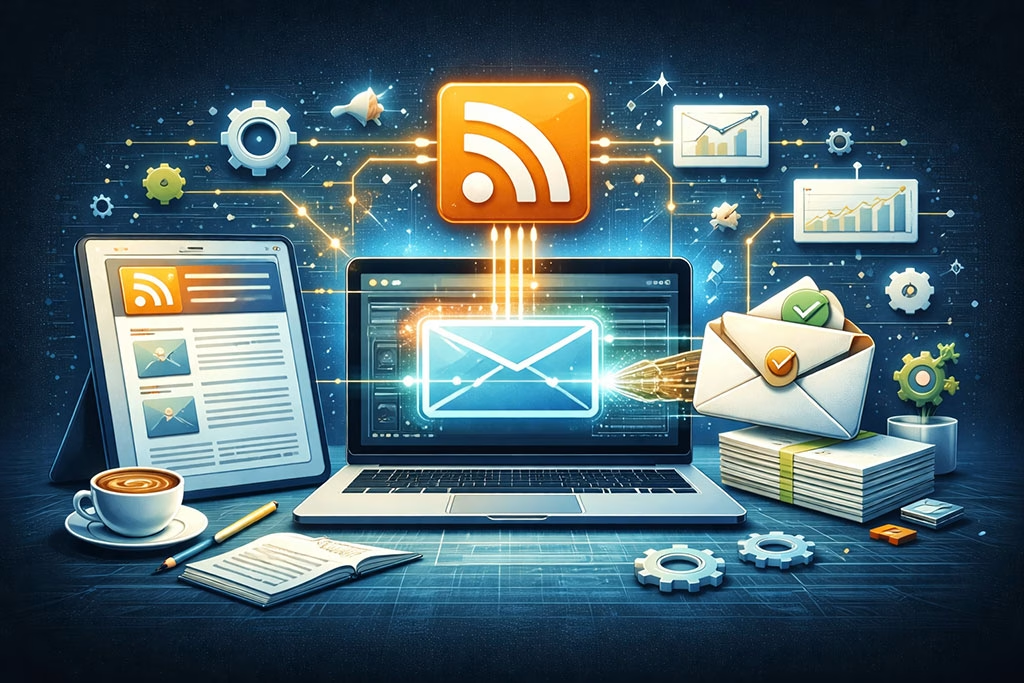
Once you’ve chosen an appropriate RSS-to-email automation tool, the next step is setting it up effectively. Begin by locating your blog’s RSS feed URL, which is typically found in the settings of your blogging platform or can be generated through plugins. This URL is crucial as it serves as the source from which your email campaigns will pull content.
After obtaining the feed URL, you can input it into your chosen automation tool, allowing it to fetch updates from your blog automatically.
After linking your RSS feed, customize the settings according to your preferences. Decide how often you want emails to be sent out—daily, weekly, or monthly—and choose whether to include full posts or summaries in your emails.
This decision will depend on your audience’s preferences and how much content you produce. Additionally, take advantage of any design templates offered by the tool to create visually appealing emails that reflect your brand’s aesthetic. A well-designed email can significantly enhance engagement rates and encourage readers to click through to your blog.
Creating Engaging Email Content from Your Blog’s RSS Feed
| Open Rate | Percentage of recipients who open the email | 15% – 30% | Use compelling subject lines and personalize content |
| Click-Through Rate (CTR) | Percentage of recipients who click links within the email | 2% – 10% | Include clear call-to-actions and relevant blog post links |
| Conversion Rate | Percentage of recipients who complete a desired action after clicking | 1% – 5% | Align email content with landing page and offer value |
| Unsubscribe Rate | Percentage of recipients who opt out from the mailing list | 0.1% – 0.5% | Send relevant and engaging content, avoid spamming |
| RSS Feed Update Frequency | How often the blog RSS feed is updated with new content | Daily to Weekly | Maintain consistent posting schedule to keep emails fresh |
| Email Length | Average word count of email content derived from RSS feed | 150 – 300 words | Keep emails concise and focused on key blog highlights |
| Personalization Rate | Percentage of emails customized with recipient’s name or preferences | 50% – 100% | Use dynamic content to increase engagement |
Creating engaging email content is essential for capturing your audience’s attention and encouraging them to interact with your blog posts. While RSS feeds automatically pull content from your blog, you have the opportunity to enhance this content before it reaches your subscribers. Start by crafting compelling subject lines that entice readers to open the email.
A catchy subject line can make all the difference in whether or not someone decides to click on your email. In addition to subject lines, consider including a brief introduction or summary in each email that highlights the key points of your latest posts. This not only provides context but also helps readers quickly determine which articles are most relevant to them.
Incorporating visuals such as images or infographics can also make your emails more engaging and visually appealing. Remember that the goal is not just to inform but also to inspire action—whether that’s clicking through to read more or sharing the content with others.
Personalizing Your Email Campaigns with RSS-to-Email Automation
Personalization is a powerful tool in email marketing, and RSS-to-email automation allows you to tailor content based on subscriber preferences and behaviors. By segmenting your audience based on their interests or past interactions with your blog, you can send targeted emails that resonate more deeply with each group. For instance, if you have different categories on your blog—such as travel, food, or technology—you can create separate RSS feeds for each category and send tailored emails based on subscriber interests.
Additionally, consider using dynamic content within your emails that changes based on subscriber data. This could include personalized greetings or recommendations for articles based on what they’ve previously read. The more relevant and personalized your emails are, the higher the chances of engagement and conversion.
By making an effort to understand and cater to your audience’s preferences, you can foster a stronger connection and encourage loyalty over time.
Optimizing Your Email Subject Lines and Preheaders

The subject line and preheader text are critical components of any email campaign, as they are often the first things subscribers see in their inboxes. To optimize these elements, focus on clarity and intrigue. A well-crafted subject line should convey the essence of the email while sparking curiosity.
For example, instead of a generic subject like “New Blog Post,” try something more specific and engaging like “Discover 5 Hidden Gems in Travel You Can’t Miss!” This approach not only informs but also entices readers to open the email. Preheader text serves as an extension of the subject line and provides additional context about what’s inside the email. Use this space wisely by including a brief summary or a call-to-action that complements the subject line.
For instance, if your subject line highlights a new post about travel tips, the preheader could read “Get ready for your next adventure with our expert advice!” By optimizing both elements, you increase the likelihood of higher open rates and greater engagement with your content.
Segmenting Your Email List for Better Engagement
Segmenting your email list is a strategic approach that allows you to send more relevant content to different groups within your audience. By categorizing subscribers based on various criteria—such as demographics, interests, or engagement levels—you can tailor your messages for maximum impact. For example, if you notice that certain subscribers frequently engage with travel-related content, consider creating a dedicated segment for them and sending targeted updates about new travel posts or related offers.
Effective segmentation not only improves engagement rates but also enhances overall subscriber satisfaction. When recipients receive content that aligns with their interests, they are more likely to open emails and take action—whether that’s clicking through to read a post or sharing it with others. As you continue to grow your email list, regularly review and update your segments based on subscriber behavior and feedback to ensure that you’re meeting their evolving needs.
Analyzing and Improving Your RSS-to-Email Automation Performance
To ensure that your RSS-to-email automation is effective, it’s essential to analyze its performance regularly. Most email marketing tools provide analytics features that allow you to track key metrics such as open rates, click-through rates, and unsubscribe rates. By reviewing these metrics, you can gain valuable insights into what’s working well and what may need improvement.
For instance, if you notice low open rates for certain emails, it may indicate that adjustments are needed in subject lines or send times. In addition to quantitative data, consider gathering qualitative feedback from subscribers through surveys or polls. This can provide deeper insights into their preferences and help you refine your content strategy further.
Use this information to make informed decisions about future campaigns—whether that means adjusting the frequency of emails, experimenting with different types of content, or enhancing personalization efforts. Continuous analysis and improvement will help you maximize the effectiveness of your RSS-to-email automation over time.
Integrating RSS-to-Email Automation with Your Blog’s Marketing Strategy
Integrating RSS-to-email automation into your broader marketing strategy is crucial for achieving cohesive communication across all channels. Consider how email marketing complements other efforts such as social media promotion or SEO strategies. For instance, when you publish a new blog post, promote it not only through email but also on social media platforms where you have an active presence.
This multi-channel approach ensures that you’re reaching a wider audience and driving traffic back to your blog. Additionally, think about how you can leverage insights from one channel to inform another. For example, if certain topics resonate well with your email subscribers based on engagement metrics, consider creating related social media content or even expanding those topics into future blog posts.
By aligning all aspects of your marketing strategy around shared goals and insights, you can create a more effective overall approach that drives growth and engagement.
Avoiding Common Mistakes in RSS-to-Email Automation
While RSS-to-email automation offers numerous benefits, there are common pitfalls that you should be aware of to ensure success. One frequent mistake is neglecting to monitor and update your RSS feed regularly. If there are issues with the feed—such as broken links or outdated content—it can lead to poor user experiences and decreased engagement rates.
Make it a habit to check your feed periodically and address any issues promptly. Another common error is failing to test emails before sending them out to subscribers. Always preview how emails will appear in different email clients and devices to ensure they display correctly across platforms.
Additionally, avoid overwhelming subscribers with too many emails; find a balance between keeping them informed and respecting their inboxes. By being mindful of these common mistakes, you can enhance the effectiveness of your RSS-to-email automation efforts.
Staying Updated with RSS-to-Email Automation Best Practices
The digital landscape is constantly evolving, making it essential for marketers like yourself to stay updated on best practices in RSS-to-email automation. Regularly seek out resources such as industry blogs, webinars, or online courses that focus on email marketing trends and strategies. Engaging with communities of fellow marketers can also provide valuable insights into what’s working well for others in similar niches.
Additionally, keep an eye on changes in technology and consumer behavior that may impact how people interact with emails. For instance, mobile optimization has become increasingly important as more users access their emails via smartphones. Adapting to these changes will help ensure that your RSS-to-email automation remains effective and relevant over time.
By committing to continuous learning and adaptation, you’ll be better equipped to navigate the ever-changing landscape of digital marketing successfully. In conclusion, mastering RSS-to-email automation requires a combination of understanding its fundamentals, choosing the right tools, creating engaging content, personalizing campaigns, analyzing performance metrics, integrating strategies effectively, avoiding common pitfalls, and staying informed about best practices. By following these guidelines diligently, you’ll be well on your way to building a successful email marketing strategy that keeps your audience engaged and drives traffic back to your blog consistently.
If you’re looking to enhance your blogging strategy further, you might find the article on review posts particularly insightful. It discusses how to effectively engage your audience and boost your content’s visibility. You can read more about it in this review post article.
FAQs
What is RSS-to-Email Automation?
RSS-to-Email Automation is a process that automatically converts content from an RSS feed into email newsletters. This allows bloggers and content creators to send updates to their subscribers without manually crafting each email.
How Does RSS-to-Email Automation Work?
The automation tool monitors an RSS feed for new content. When new posts are detected, it automatically formats the content into an email template and sends it to a predefined list of subscribers, often on a scheduled basis.
What Are the Benefits of Using RSS-to-Email Automation for Blogs?
Benefits include saving time by eliminating manual email creation, ensuring consistent communication with subscribers, increasing blog traffic by driving readers back to the site, and maintaining engagement with minimal effort.
Do I Need Technical Skills to Set Up RSS-to-Email Automation?
Most modern RSS-to-email tools are user-friendly and require minimal technical knowledge. They often provide step-by-step guides and templates to help users set up automation quickly.
Can I Customize the Emails Sent Through RSS-to-Email Automation?
Yes, many platforms allow customization of email templates, including branding elements, layout, and content snippets, to ensure the emails align with your blog’s style and voice.
Is RSS-to-Email Automation Suitable for All Types of Blogs?
While it works well for blogs with regular content updates, it may be less effective for blogs that post infrequently or require highly personalized email communication.
How Often Can I Send Automated Emails Using RSS-to-Email?
The frequency depends on your RSS feed updates and the settings of your automation tool. Common options include daily, weekly, or monthly email dispatches.
Are There Any Popular Tools for RSS-to-Email Automation?
Yes, popular tools include Mailchimp, ConvertKit, AWeber, and FeedBlitz, among others, each offering various features to support RSS-to-email campaigns.
Is RSS-to-Email Automation Compliant with Email Marketing Laws?
When properly configured with subscriber consent and unsubscribe options, RSS-to-email automation complies with regulations like CAN-SPAM and GDPR.
Can RSS-to-Email Automation Help Increase Blog Traffic?
Yes, by regularly sending blog updates directly to subscribers’ inboxes, it encourages readers to visit your blog, potentially increasing traffic and engagement.