


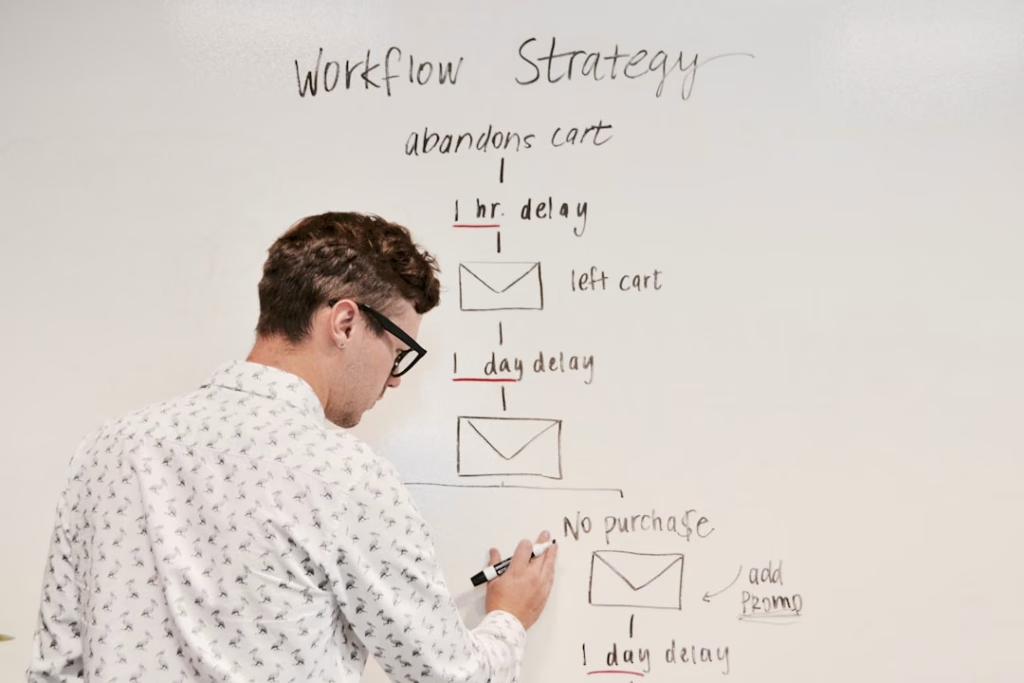
As you step into the world of email marketing in 2025, you find yourself navigating a landscape that has evolved significantly over the years. Email marketing remains a cornerstone of digital communication, but it has transformed into a more sophisticated and nuanced tool for businesses. With advancements in technology and shifts in consumer behavior, you must adapt your strategies to stay relevant and effective.
The importance of email marketing cannot be overstated; it continues to offer one of the highest returns on investment compared to other digital marketing channels. In this dynamic environment, you will discover that the key to successful email marketing lies in understanding your audience and leveraging the latest tools and techniques. As you explore the various facets of email marketing, you will learn how to create personalized experiences, utilize automation, and ensure compliance with data privacy regulations.
By embracing these elements, you can enhance your campaigns and foster deeper connections with your audience, ultimately driving better results for your business.
Key Takeaways
- Email marketing in 2025 focuses heavily on personalization and segmentation to boost engagement.
- AI and automation are essential tools for optimizing email campaigns and improving efficiency.
- Data privacy and compliance remain critical considerations in email marketing strategies.
- Mobile-first design is crucial for reaching audiences effectively on their devices.
- Integrating email with other digital channels and continuous testing drives better customer relationships and campaign success.
Understanding the Current Email Marketing Landscape
To effectively engage your audience, it is crucial to grasp the current email marketing landscape. In 2025, email marketing is characterized by a blend of traditional practices and innovative approaches. You will notice that while the fundamental principles of crafting compelling subject lines and engaging content remain relevant, the methods of reaching your audience have diversified.
The rise of mobile devices and social media has changed how people interact with their emails, making it essential for you to adapt your strategies accordingly. Moreover, the competition for attention in crowded inboxes has intensified. You must be aware that consumers are inundated with promotional emails daily, which means your messages need to stand out.
This requires not only creativity but also a keen understanding of your audience’s preferences and behaviors.
By analyzing trends and consumer insights, you can tailor your campaigns to resonate with your target demographic, ensuring that your emails are not just opened but also acted upon.
Personalization and Segmentation Strategies for Better Engagement
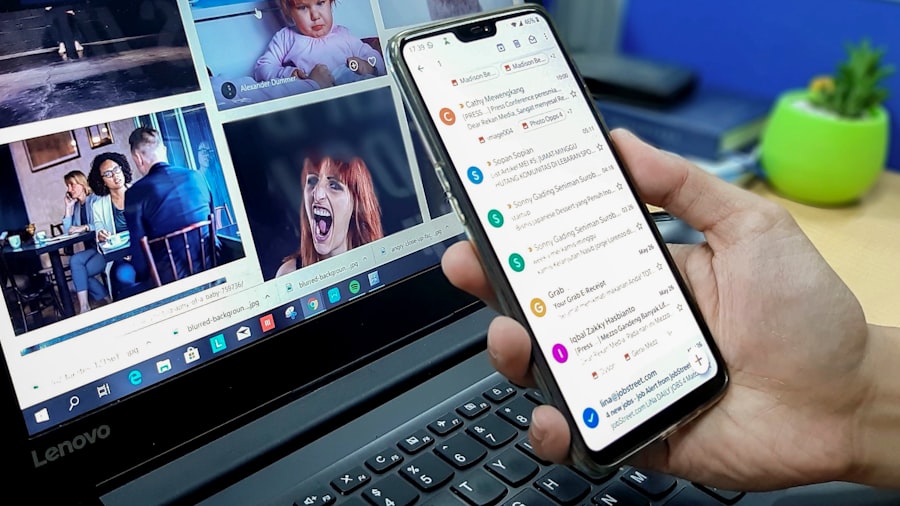

As you delve deeper into email marketing, you will quickly realize that personalization and segmentation are no longer optional; they are essential for achieving better engagement rates. Personalization goes beyond simply addressing recipients by their first names; it involves crafting messages that speak directly to their interests and needs. By utilizing data analytics, you can gain insights into your audience’s behaviors, preferences, and purchase history, allowing you to create tailored content that resonates with them.
Segmentation is equally important in this process. By dividing your email list into smaller groups based on specific criteria—such as demographics, purchase behavior, or engagement levels—you can send targeted messages that are more likely to elicit a response. For instance, if you run an e-commerce store, you might segment your audience based on their previous purchases and send them personalized recommendations or exclusive offers.
This level of customization not only enhances the user experience but also fosters loyalty and encourages repeat business.
Leveraging Artificial Intelligence and Automation in Email Marketing
In 2025, artificial intelligence (AI) and automation have become integral components of successful email marketing strategies. As you explore these technologies, you’ll find that they can significantly enhance your efficiency and effectiveness. AI can analyze vast amounts of data to identify patterns and trends that would be impossible for a human to discern.
This allows you to make data-driven decisions about your campaigns, from optimizing send times to predicting which content will resonate best with your audience. Automation is another powerful tool at your disposal. By setting up automated workflows, you can nurture leads and engage customers without constant manual intervention.
For example, you can create a welcome series for new subscribers that automatically sends them a sequence of emails introducing your brand and products. This not only saves you time but also ensures that your audience receives timely and relevant information that keeps them engaged with your brand.
The Role of Data Privacy and Compliance in Email Marketing
| Practice | Description | Key Metric | Target Benchmark (2025) |
|---|---|---|---|
| Personalization | Use recipient’s name and tailor content based on preferences and behavior. | Open Rate | 30%+ |
| Mobile Optimization | Ensure emails are responsive and display well on all devices. | Click-to-Open Rate (CTOR) | 25%+ |
| Segmentation | Divide email list into targeted groups for relevant messaging. | Conversion Rate | 5%+ |
| Interactive Content | Incorporate polls, quizzes, or interactive elements to engage users. | Engagement Rate | 20%+ |
| AI-Powered Subject Lines | Use AI tools to craft compelling subject lines that increase opens. | Open Rate | 32%+ |
| Compliance with Privacy Laws | Adhere to GDPR, CCPA, and other regulations to protect user data. | Unsubscribe Rate | <1% |
| Send Time Optimization | Send emails at times when recipients are most likely to engage. | Click-Through Rate (CTR) | 10%+ |
| Clear Call-to-Action (CTA) | Use prominent and concise CTAs to drive desired actions. | Conversion Rate | 6%+ |
| Regular List Cleaning | Remove inactive subscribers to maintain list health and deliverability. | Bounce Rate | <2% |
| Use of AMP for Email | Enable dynamic content and real-time updates within emails. | Engagement Rate | 22%+ |
As you navigate the complexities of email marketing in 2025, it is imperative to prioritize data privacy and compliance. With increasing regulations such as GDPR and CCPA, consumers are more aware of their rights regarding personal data. You must ensure that your email marketing practices align with these regulations to build trust with your audience and avoid potential legal repercussions.
Transparency is key when it comes to data privacy. You should clearly communicate how you collect, store, and use customer data in your email campaigns. Providing an easy opt-in process and allowing subscribers to manage their preferences can enhance their confidence in your brand.
Additionally, regularly reviewing your compliance practices will help you stay ahead of any changes in regulations, ensuring that your email marketing efforts remain ethical and effective.
Designing and Optimizing for Mobile-First Email Campaigns
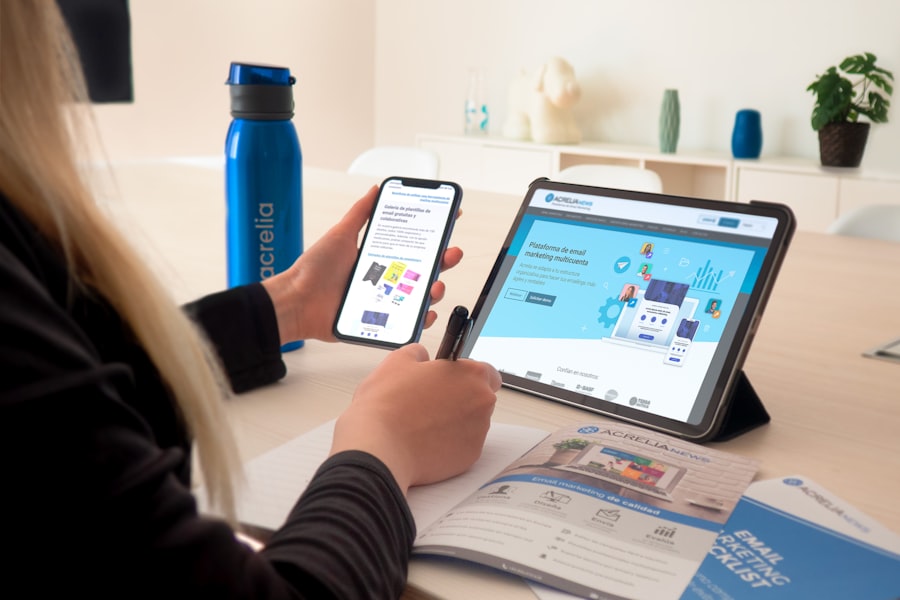

In an era where mobile devices dominate internet usage, designing and optimizing for mobile-first email campaigns is non-negotiable. As you create your emails, consider that a significant portion of your audience will be viewing them on smartphones or tablets. This means that your designs must be responsive and visually appealing across various screen sizes.
To optimize for mobile, focus on concise content that delivers value quickly. Use clear calls-to-action (CTAs) that are easy to tap on smaller screens, and ensure that images load quickly to prevent frustrating delays. Additionally, testing your emails on multiple devices before sending them out can help you identify any issues that may hinder user experience.
By prioritizing mobile optimization, you can enhance engagement rates and drive conversions among your audience.
Integrating Email Marketing with Other Digital Channels
As you develop your email marketing strategy in 2025, consider the benefits of integrating it with other digital channels. A cohesive approach allows you to create a seamless experience for your audience across various touchpoints. For instance, combining email marketing with social media campaigns can amplify your reach and engagement.
You might use social media platforms to promote exclusive email content or encourage followers to subscribe to your newsletter for special offers. Conversely, you can leverage email campaigns to drive traffic to your social media profiles or website. By creating a unified strategy that connects these channels, you can enhance brand visibility and foster deeper relationships with your audience.
Testing and Analytics: The Key to Constant Improvement
In the fast-paced world of email marketing, testing and analytics are crucial for continuous improvement. As you implement new strategies or design changes, A/B testing allows you to compare different versions of your emails to determine which performs better. This could involve testing subject lines, content layouts, or CTAs to see what resonates most with your audience.
Analytics play a vital role in understanding the effectiveness of your campaigns. By tracking metrics such as open rates, click-through rates, and conversion rates, you can gain valuable insights into what works and what doesn’t. Regularly reviewing these metrics will enable you to refine your strategies over time, ensuring that your email marketing efforts remain effective and aligned with your business goals.
Nurturing Customer Relationships through Email Marketing
Email marketing is not just about promoting products; it’s also about nurturing relationships with your customers. As you engage with your audience through targeted campaigns, consider how you can provide value beyond sales pitches. Share informative content, industry insights, or exclusive access to events that resonate with their interests.
Building a strong relationship with your customers fosters loyalty and encourages repeat business. You might implement loyalty programs or personalized offers based on their purchase history to show appreciation for their support. By focusing on relationship-building through email marketing, you can create a community around your brand that drives long-term success.
The Future of Email Marketing: Predictions and Trends
Looking ahead to the future of email marketing beyond 2025, several trends are likely to shape the landscape further. One significant trend is the continued rise of hyper-personalization driven by advanced data analytics and AI technologies. As consumers expect more tailored experiences, businesses will need to invest in tools that allow for deeper insights into customer behavior.
Another trend is the increasing importance of interactive content within emails. As technology advances, incorporating elements like polls, quizzes, or videos can enhance engagement and provide a more dynamic experience for recipients. Additionally, as privacy concerns grow, brands will need to prioritize transparency and ethical practices in their email marketing efforts.
Implementing Best Practices for Success in 2025
As you prepare to implement best practices for success in email marketing in 2025, remember that adaptability is key. The landscape is constantly evolving, requiring you to stay informed about emerging trends and technologies while remaining focused on delivering value to your audience. By embracing personalization, leveraging AI and automation, prioritizing data privacy, optimizing for mobile devices, integrating with other channels, testing strategies, nurturing relationships, and anticipating future trends, you can position yourself for success.
Ultimately, effective email marketing is about building connections with your audience while driving business results. By following these best practices and continuously refining your approach based on data-driven insights, you can create impactful campaigns that resonate with recipients and foster long-term loyalty to your brand.
In 2025, mastering email marketing requires not only understanding best practices but also leveraging advanced techniques to optimize your campaigns. A related article that delves into enhancing your email strategy is titled Are Your Drip Campaigns Leaking Leads? How to Find and Fix the Gaps in Your Funnel, which provides valuable insights on identifying and addressing weaknesses in your email funnels to ensure maximum engagement and conversion rates.