



Lead reactivation represents a significant opportunity in sales operations that organizations frequently underutilize. While sales teams typically concentrate on prospecting new customers, previously engaged leads who have become inactive contain substantial revenue potential. These contacts have demonstrated prior interest in products or services and possess existing brand awareness, making them valuable assets for conversion efforts.
Statistical data indicates that reactivating dormant leads requires lower investment compared to new customer acquisition. Research shows that the cost of acquiring new customers can be five to seven times higher than re-engaging existing leads. Previously interested prospects demonstrate higher conversion rates than cold prospects, as they have already progressed through initial stages of the sales funnel and understand the value proposition.
Lead reactivation strategies improve overall sales performance metrics by optimizing resource allocation. Sales teams can achieve better return on investment by targeting contacts with established interest rather than starting from zero with unknown prospects. This approach reduces the sales cycle length and increases close rates, as these leads require less education about products or services.
Additionally, successful reactivation efforts strengthen customer relationships and brand loyalty, creating opportunities for long-term business partnerships and referrals.
Key Takeaways
- Reviving dead leads is crucial for maximizing sales potential and improving conversion rates.
- Personalization and multi-channel strategies, including email and social media, enhance re-engagement success.
- Offering incentives can motivate dead leads to re-enter the sales funnel.
- Monitoring and analyzing re-engagement efforts help refine strategies and overcome challenges.
- Celebrating success stories boosts team morale and highlights effective lead revival techniques.
Identifying Dead Leads in Your Sales Funnel
To effectively revive dead leads, the first step is identifying them within your sales funnel. You might consider leads dead if they have not engaged with your communications for a specific period, such as three to six months. This timeframe can vary depending on your industry and the nature of your offerings.
By analyzing your customer relationship management (CRM) data, you can pinpoint these leads and categorize them based on their previous interactions with your brand. Additionally, look for patterns in engagement metrics. If a lead has opened emails but has not clicked through or taken any further action, they may be on the verge of becoming disengaged.
You should also consider the lead’s stage in the sales funnel; for instance, if they were once highly engaged but have since dropped off, it’s essential to understand what might have caused this shift. By identifying these dead leads accurately, you can tailor your re-engagement strategies more effectively.
Creating an Effective Re-Engagement Kit
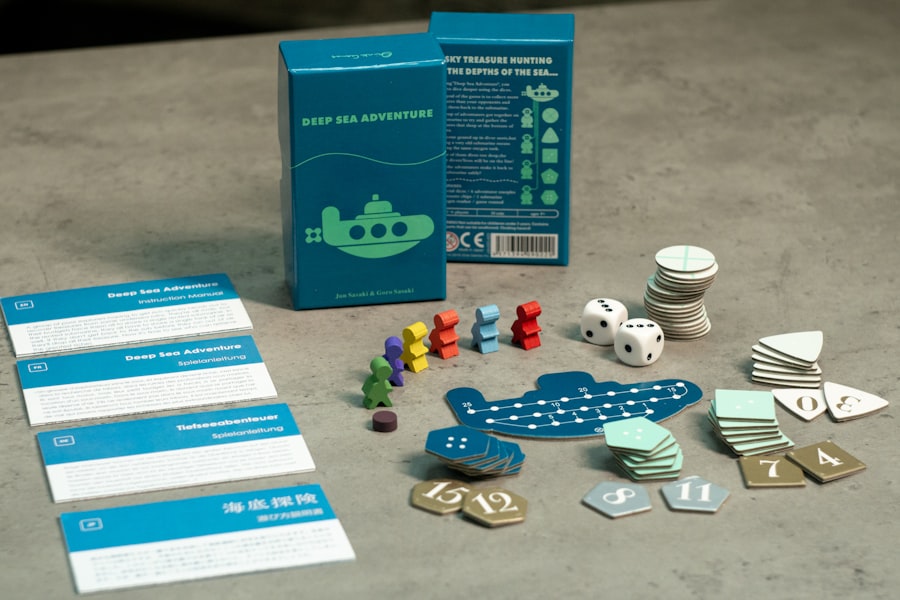

Once you’ve identified your dead leads, the next step is to create an effective re-engagement kit. This kit should include a variety of resources designed to rekindle interest and encourage interaction. Start by developing compelling content that addresses the needs and pain points of your audience.
This could include informative articles, case studies, or even webinars that showcase the value of your offerings. In addition to content, consider including personalized messages that resonate with the specific interests of each lead. A well-crafted email or message that acknowledges their previous engagement can go a long way in making them feel valued.
You might also want to incorporate visual elements such as infographics or videos to make your communications more engaging.
The goal is to create a comprehensive kit that provides value and encourages leads to re-enter the conversation.
Personalizing Your Approach to Reviving Dead Leads
Personalization is key when it comes to reviving dead leads. You should aim to tailor your communications based on the individual preferences and behaviors of each lead. This means utilizing data from your CRM to segment your audience effectively and craft messages that speak directly to their interests.
For instance, if a lead previously showed interest in a specific product or service, highlight that in your outreach efforts. Moreover, consider using dynamic content in your emails or messages that changes based on the recipient’s past interactions with your brand. This level of personalization not only captures attention but also demonstrates that you understand their needs and are willing to cater to them.
By making your approach more personal, you increase the likelihood of re-engagement and conversion.
Utilizing Email Marketing to Re-Engage Dead Leads
| Metric | Description | Example Value | Notes |
|---|---|---|---|
| Open Rate | Percentage of recipients who open the re-engagement email | 25% | Higher open rates indicate effective subject lines |
| Click-Through Rate (CTR) | Percentage of recipients who click on links within the email | 10% | Shows engagement with the email content |
| Response Rate | Percentage of leads who reply to the re-engagement script | 8% | Measures direct interaction from leads |
| Conversion Rate | Percentage of re-engaged leads who become customers | 3% | Ultimate goal of re-engagement efforts |
| Unsubscribe Rate | Percentage of recipients who opt out after re-engagement email | 1% | Low rates preferred to maintain list health |
| Follow-Up Attempts | Number of scripted follow-up messages sent | 3 | Recommended number for optimal engagement |
| Time to Response | Average time between sending email and lead response | 48 hours | Helps schedule timely follow-ups |
Email marketing remains one of the most effective tools for re-engaging dead leads. You can craft targeted email campaigns designed specifically for this purpose. Start by segmenting your list to ensure that you are sending relevant content to the right audience.
A well-timed email can remind leads of their previous interest and encourage them to take action once again. In your emails, consider using attention-grabbing subject lines that pique curiosity or offer value. Additionally, include clear calls-to-action (CTAs) that guide leads toward the next steps you want them to take.
Whether it’s scheduling a demo, downloading a resource, or simply replying to the email, make it easy for them to engage with you again. By leveraging email marketing effectively, you can breathe new life into dead leads and reignite their interest in your offerings.
Leveraging Social Media to Reconnect with Dead Leads

Social media platforms offer another avenue for reconnecting with dead leads. You can use these channels to share valuable content, engage in conversations, and remind leads of your brand’s presence. Consider creating targeted ads aimed at those who have previously interacted with your brand but have since gone silent.
These ads can serve as gentle nudges to bring them back into the fold. Additionally, engage with leads directly through social media by commenting on their posts or sending personalized messages. This approach not only shows that you care about their interests but also helps build rapport and trust.
By leveraging social media effectively, you can create a more dynamic and interactive experience for your leads, increasing the chances of re-engagement.
Implementing a Multi-Channel Approach to Re-Engagement
A multi-channel approach can significantly enhance your efforts in reviving dead leads. By utilizing various platforms—such as email, social media, and even direct mail—you can reach leads through different touchpoints, increasing the likelihood of re-engagement. Each channel offers unique advantages; for instance, email allows for detailed communication while social media provides opportunities for real-time interaction.
When implementing this approach, ensure that your messaging remains consistent across all channels while still being tailored to fit each platform’s unique characteristics. This consistency reinforces your brand identity and makes it easier for leads to recognize and engage with you again. By diversifying your outreach efforts, you create multiple opportunities for connection and increase the chances of reviving those dormant leads.
Offering Incentives to Revive Dead Leads
Incentives can be a powerful motivator for reviving dead leads. Consider offering exclusive discounts, free trials, or limited-time offers designed specifically for these individuals. By providing something of value, you create a sense of urgency and encourage leads to take action before the opportunity expires.
When crafting these incentives, ensure they align with the interests and needs of your target audience. For example, if a lead previously expressed interest in a particular product, offering a discount on that item could be particularly enticing. By strategically using incentives, you not only rekindle interest but also demonstrate that you value their business and want to win them back.
Monitoring and Analyzing the Success of Your Re-Engagement Efforts
To gauge the effectiveness of your re-engagement strategies, it’s essential to monitor and analyze their success continuously. Utilize analytics tools to track key performance indicators (KPIs) such as open rates, click-through rates, and conversion rates for your campaigns aimed at dead leads. This data will provide valuable insights into what is working and what may need adjustment.
Additionally, consider gathering feedback from leads who do re-engage with your brand. Understanding their motivations for returning can help refine your approach moving forward. By consistently analyzing your efforts, you can optimize your strategies and improve the chances of successfully reviving more dead leads in the future.
Overcoming Common Challenges in Reviving Dead Leads
Reviving dead leads is not without its challenges. One common hurdle is overcoming the initial disinterest or disengagement from these individuals. They may have lost interest due to various reasons—perhaps they found a competitor’s offering more appealing or simply forgot about your brand altogether.
To address this challenge, focus on understanding their pain points and addressing them directly in your communications. Another challenge is ensuring that your outreach does not come across as spammy or intrusive. Striking the right balance between persistence and respect for their space is crucial.
You want to remind them of your value without overwhelming them with constant messages. By being strategic in your approach and respecting their preferences, you can navigate these challenges effectively.
Celebrating Success Stories of Revived Dead Leads
Finally, it’s important to celebrate success stories of revived dead leads within your organization. Sharing these stories can serve as motivation for your team and highlight the effectiveness of your re-engagement strategies.
Consider creating case studies or testimonials from leads who have successfully returned to become loyal customers after being dormant for some time.
These success stories not only showcase the potential rewards of reviving dead leads but also provide valuable insights into what strategies worked best in each case. By recognizing these achievements, you foster a culture of continuous improvement and encourage ongoing efforts to engage with all segments of your audience—both active and dormant. In conclusion, reviving dead leads is an essential component of a successful sales strategy that requires careful planning and execution.
By understanding their importance, identifying them accurately, personalizing your approach, utilizing various channels effectively, and celebrating successes along the way, you can breathe new life into these dormant prospects and unlock their potential value for your business.
If you’re looking to revive your “dead” leads, you might find valuable insights in the article on maximizing email engagement, which discusses the effectiveness of subject lines in capturing attention. This can complement the strategies outlined in The Re-Engagement Kit: Scripts to Wake Up Your “Dead” Leads. To explore this further, check out the article here: Maximizing Email Engagement: Are Your Subject Lines Working?.
FAQs
What is a re-engagement kit?
A re-engagement kit is a collection of tools, templates, and scripts designed to help businesses reconnect with leads or customers who have become inactive or unresponsive.
Why are re-engagement scripts important?
Re-engagement scripts provide a structured and effective way to communicate with “dead” leads, increasing the chances of reigniting their interest and converting them into active customers.
Who should use a re-engagement kit?
Sales teams, marketers, and business owners who want to revive inactive leads or customers can benefit from using a re-engagement kit.
What types of scripts are included in a re-engagement kit?
Typically, a re-engagement kit includes email templates, phone call scripts, social media messages, and follow-up sequences tailored to different scenarios and customer personas.
How can re-engagement scripts improve sales?
By providing clear, persuasive, and personalized communication, re-engagement scripts help rebuild relationships with leads, increase response rates, and ultimately boost sales conversions.
Can re-engagement kits be customized?
Yes, most re-engagement kits are designed to be adaptable, allowing users to tailor the scripts and messages to fit their brand voice and specific audience needs.
How often should I use re-engagement scripts?
Re-engagement efforts should be timed strategically, often after a lead has been inactive for a set period, such as 30, 60, or 90 days, depending on the business context.
Are re-engagement kits suitable for all industries?
While the core principles of re-engagement apply broadly, the effectiveness of specific scripts may vary by industry, so it’s important to choose or adapt kits that align with your sector.
What results can I expect from using a re-engagement kit?
Results vary, but businesses often see increased lead responsiveness, higher engagement rates, and improved conversion rates when using well-crafted re-engagement scripts.
Where can I find a re-engagement kit?
Re-engagement kits can be found through marketing resources, sales training platforms, business blogs, and sometimes offered as downloadable content by marketing agencies or software providers.