



Webhooks are user-defined HTTP callbacks that enable one application to automatically send real-time data to another application when a specific event occurs. This communication method allows applications to exchange information without requiring constant polling, resulting in more efficient data synchronization and reduced server load. Webhooks function as automated connectors between different systems, enabling them to integrate and share data seamlessly.
When implemented, webhooks can automate workflows, reduce manual processes, and ensure applications maintain current information without delays. This technology is particularly valuable for developers seeking to optimize system performance and businesses aiming to improve operational efficiency through automated data exchange. The webhook mechanism operates on an event-driven model where the sending application pushes data to a predetermined URL endpoint when triggered, rather than the receiving application repeatedly requesting updates.
This approach minimizes unnecessary network traffic and provides immediate data delivery when events occur.
Key Takeaways
- Webhooks enable real-time data synchronization by instantly sending updates between systems.
- They provide a more efficient and timely alternative to traditional polling methods for data syncing.
- Implementing webhooks requires attention to security best practices to protect data integrity.
- Common use cases include syncing CRM data, payment notifications, and inventory updates.
- Proper setup and management of webhooks maximize their advantages in seamless and instant data synchronization.
Understanding the concept of data synchronization
Data synchronization is a fundamental concept in the realm of information technology, and it refers to the process of ensuring that two or more systems maintain consistent data. You might find yourself in situations where multiple applications need to access and update the same data set. In such cases, data synchronization becomes crucial to prevent discrepancies and ensure that all users have access to the most current information.
This process can be particularly challenging when dealing with large volumes of data or when applications are spread across different platforms. To grasp the importance of data synchronization, consider how you interact with various applications daily. For instance, when you update your contact information in one app, you expect that change to reflect across all other platforms where that information is stored.
Without proper synchronization, you could end up with outdated or conflicting data, leading to confusion and inefficiencies. Therefore, understanding how data synchronization works and its implications for your applications is vital for maintaining a smooth user experience.
The role of webhooks in instant data syncing

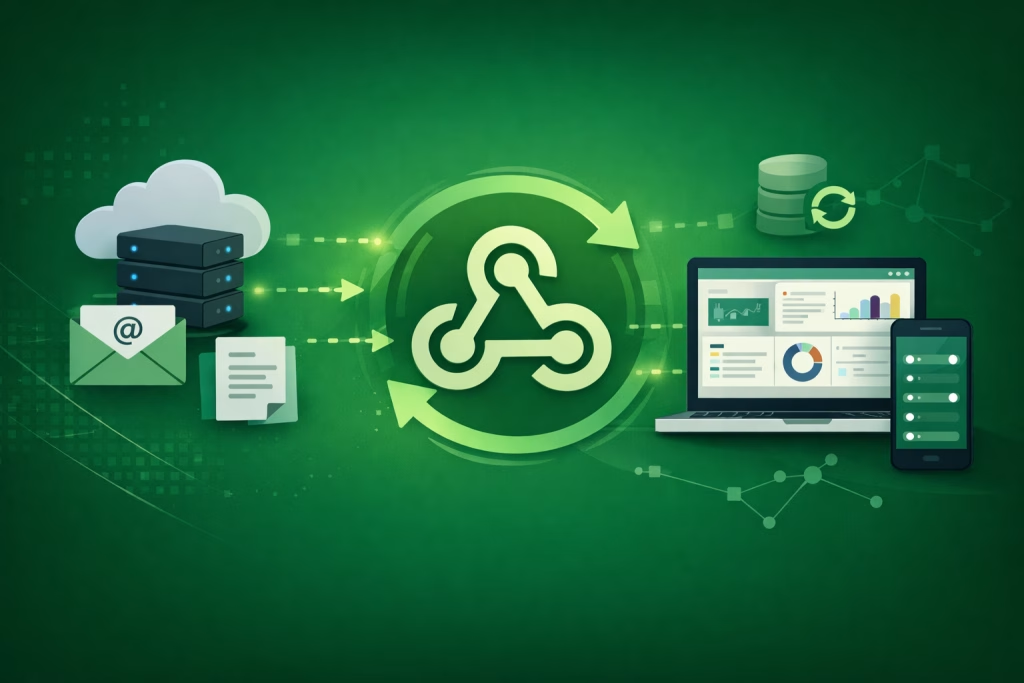
Webhooks play a pivotal role in achieving instant data synchronization between applications. Unlike traditional methods that rely on periodic polling to check for updates, webhooks enable real-time communication by sending data as soon as an event occurs. This means that when a change is made in one application, it can immediately trigger a webhook that sends the updated information to another application without delay.
This immediacy is particularly beneficial in scenarios where timely data updates are critical. Imagine running an e-commerce platform where inventory levels need to be updated in real-time across multiple sales channels. By implementing webhooks, you can ensure that any change in stock levels is instantly communicated to all relevant systems, preventing overselling and enhancing customer satisfaction.
The ability of webhooks to facilitate instant data syncing not only improves operational efficiency but also enhances the overall user experience by providing accurate and timely information.
How webhooks work in real-time data synchronization
To understand how webhooks function in real-time data synchronization, it’s essential to break down the process into manageable steps. When an event occurs in an application—such as a new user registration or an updated order status—a webhook is triggered. This webhook sends an HTTP POST request to a predefined URL endpoint specified by the receiving application.
The request typically contains a payload of data related to the event, which can include relevant details such as user information or order specifics. Once the receiving application gets this HTTP request, it processes the incoming data and updates its records accordingly. This entire process happens almost instantaneously, allowing for seamless integration between systems.
You might find it helpful to visualize this as a relay race: one application passes the baton (data) to another without any delays, ensuring that both systems are always in sync. This real-time capability is what sets webhooks apart from traditional methods of data synchronization.
Advantages of using webhooks for data syncing
| Metric | Description | Example Value | Importance |
|---|---|---|---|
| Event Trigger Time | Time taken for an event to trigger the webhook | Milliseconds (ms) | Critical for real-time data sync |
| Payload Size | Amount of data sent in the webhook request | Up to 1MB | Affects speed and bandwidth |
| Response Time | Time taken by the receiving server to acknowledge the webhook | 100-300 ms | Ensures quick processing and retries if needed |
| Retry Attempts | Number of times webhook delivery is retried on failure | 3-5 attempts | Improves reliability of data sync |
| Security Measures | Methods like HMAC signatures to verify webhook authenticity | SHA256 HMAC | Prevents unauthorized data access |
| Latency | Delay between event occurrence and data update on target platform | Typically under 1 second | Key for instant synchronization |
| Supported HTTP Methods | HTTP methods used for webhook requests | POST (commonly) | Defines how data is transmitted |
| Data Format | Format of the data sent in webhook payload | JSON, XML | Ensures compatibility between platforms |
The advantages of using webhooks for data synchronization are numerous and compelling. First and foremost, webhooks provide real-time updates, which means you no longer have to rely on scheduled tasks or periodic checks for changes. This immediacy not only enhances user experience but also reduces the load on your servers since you’re not constantly polling for updates.
Instead, your applications can focus on processing incoming data as it arrives. Another significant advantage is the reduction in bandwidth usage. Since webhooks only send data when an event occurs, you avoid unnecessary network traffic associated with regular polling methods.
This efficiency can lead to cost savings, especially if you’re operating at scale. Additionally, webhooks are relatively easy to implement and integrate into existing systems, making them an attractive option for developers looking to enhance their applications without extensive overhauls.
Implementing webhooks for instant data synchronization

Implementing webhooks for instant data synchronization involves several key steps that you should follow carefully. First, you’ll need to identify the events within your application that should trigger a webhook. This could range from user actions like signing up or making a purchase to system events like status updates or error notifications.
Once you’ve pinpointed these events, you can define the corresponding webhook URLs where the data will be sent. Next, you’ll need to set up the receiving application to handle incoming webhook requests effectively. This involves creating an endpoint that can accept HTTP POST requests and process the incoming payloads accordingly.
You may also want to implement error handling mechanisms to manage any issues that arise during this process, ensuring that your applications remain robust and reliable. Finally, thorough testing is crucial before deploying your webhook implementation into a production environment. You should simulate various scenarios to ensure that your webhooks function as expected and that data is synchronized accurately across all systems involved.
Common use cases for webhooks in data syncing
Webhooks have found their way into numerous applications across various industries due to their versatility and efficiency in data syncing. One common use case is in e-commerce platforms where inventory management is critical. When stock levels change—whether due to sales or restocking—webhooks can instantly notify connected systems like inventory management software or third-party marketplaces, ensuring that all platforms reflect accurate stock levels.
Another prevalent use case is in customer relationship management (CRM) systems.
When a new lead is generated or an existing lead’s status changes, webhooks can trigger updates across marketing automation tools or sales platforms. This ensures that sales teams have access to the most current information about leads and opportunities, allowing them to act quickly and effectively.
Best practices for using webhooks in data synchronization
To maximize the effectiveness of webhooks in your data synchronization efforts, adhering to best practices is essential. First and foremost, ensure that your webhook endpoints are secure and protected against unauthorized access. Implementing authentication mechanisms such as API keys or OAuth tokens can help safeguard your endpoints from malicious actors.
Additionally, consider implementing retries for failed webhook deliveries. Network issues or temporary outages can occur, leading to missed updates if not handled properly. By setting up a retry mechanism with exponential backoff strategies, you can ensure that your system remains resilient and capable of recovering from transient errors.
Lastly, thorough documentation is vital for both developers and users interacting with your webhook system. Clear documentation outlining how webhooks work, what events trigger them, and how to handle incoming payloads will facilitate smoother integration and reduce confusion among team members.
Security considerations when using webhooks for data syncing
When it comes to security considerations for webhooks, there are several factors you should keep in mind to protect your applications and sensitive data. One of the primary concerns is ensuring that only authorized sources can trigger your webhooks. Implementing authentication methods such as HMAC signatures can help verify the integrity of incoming requests and confirm their legitimacy.
Another important aspect is validating incoming payloads before processing them. You should always check that the data received matches expected formats and values to prevent potential injection attacks or other malicious activities. Additionally, consider using HTTPS for all webhook communications to encrypt data in transit and protect it from eavesdropping.
Finally, regularly monitoring your webhook activity can help you identify any unusual patterns or potential security breaches early on. By keeping an eye on logs and implementing alerting mechanisms for suspicious behavior, you can take proactive measures to safeguard your systems.
Comparing webhooks with other methods of data synchronization
When evaluating different methods of data synchronization, it’s essential to compare webhooks with alternatives such as polling and message queues. Polling involves regularly checking for updates at set intervals, which can lead to inefficiencies and increased server load due to constant requests for information—even when no changes have occurred. In contrast, message queues provide a more robust solution by allowing asynchronous communication between systems.
However, they often require additional infrastructure and complexity compared to webhooks. While message queues excel in scenarios requiring guaranteed delivery and processing order, webhooks shine in their simplicity and real-time capabilities. Ultimately, the choice between these methods will depend on your specific use case and requirements.
If immediate updates are crucial and you prefer a lightweight solution without extensive overhead, webhooks may be the ideal choice for your data synchronization needs.
Harnessing the power of webhooks for instant data syncing
In conclusion, webhooks represent a powerful tool for achieving instant data synchronization between applications. Their ability to facilitate real-time communication allows businesses and developers like you to streamline workflows and enhance user experiences significantly. By understanding how webhooks work and implementing them effectively within your systems, you can ensure that your applications remain up-to-date with accurate information at all times.
As you explore the potential of webhooks further, consider how they can be integrated into your existing processes and workflows. With careful planning and adherence to best practices—such as security measures and thorough testing—you can harness the full power of webhooks for efficient and effective data synchronization across your applications. Embracing this technology will not only improve operational efficiency but also position you at the forefront of modern application development.
Webhooks are a powerful tool for syncing data across platforms in real-time, allowing for seamless integration and automation. For those looking to enhance their marketing strategies further, you might find the article on smartmails.
io/2025/12/09/maximize-efficiency-and-conversions-with-ai-email-tools/’>maximizing efficiency and conversions with AI email tools particularly insightful, as it explores how advanced technologies can complement the functionality of webhooks in optimizing your campaigns.
FAQs
What is a webhook?
A webhook is a method for one application to send real-time data to another application when a specific event occurs. It works by triggering an HTTP callback to a predefined URL, allowing instant data synchronization across platforms.
How do webhooks differ from APIs?
While APIs require polling to check for new data, webhooks push data automatically when an event happens. This makes webhooks more efficient for real-time data syncing, as they eliminate the need for continuous requests.
What are common use cases for webhooks?
Webhooks are commonly used for syncing data between CRM systems, updating inventory in e-commerce platforms, triggering notifications, automating workflows, and integrating third-party services instantly.
How secure are webhooks?
Webhooks can be secured using methods such as secret tokens, IP whitelisting, and HTTPS encryption to ensure that data is sent and received safely between trusted sources.
Can webhooks handle large volumes of data?
Webhooks are designed for event-driven data transfer and typically handle small payloads efficiently. For large data transfers, it is common to send a webhook notification with a reference to the data location rather than the data itself.
What happens if a webhook delivery fails?
Most webhook implementations include retry mechanisms to resend data if the initial delivery fails. The sender may retry at intervals or log the failure for manual intervention.
Do I need programming knowledge to use webhooks?
Basic understanding of HTTP requests and endpoints is helpful, but many platforms provide user-friendly interfaces to configure webhooks without extensive coding.
Are webhooks supported by all platforms?
Many modern platforms and services support webhooks, but availability varies. It is important to check the documentation of the specific platforms you want to integrate.
How quickly do webhooks sync data?
Webhooks typically sync data instantly or within seconds after the triggering event, enabling near real-time updates across connected platforms.
Can webhooks be customized?
Yes, webhooks can often be customized to send specific data fields, filter events, or format payloads according to the receiving application’s requirements.