



Data Privacy Regulations: GDPR and CCPA Explained
The General Data Protection Regulation (GDPR) and California Consumer Privacy Act (CCPA) represent two major frameworks governing data privacy, each with distinct jurisdictions and requirements. GDPR applies throughout the European Union, focusing on comprehensive personal data protection and providing individuals with extensive control over their information. CCPA specifically protects California residents, establishing rights regarding personal data and creating compliance obligations for businesses that collect or process such data.
For businesses operating across multiple jurisdictions, understanding these regulations is essential. GDPR compliance requires lawful, transparent, and purpose-specific data processing. Organizations must honor individual rights including data access, correction, and deletion.
CCPA mandates that businesses disclose what personal information they collect and how they utilize it. Thorough knowledge of both regulatory frameworks enables organizations to implement appropriate compliance measures and minimize the risk of penalties.
Key Takeaways
- Ensure email marketing complies with GDPR and CCPA by obtaining clear consent and offering easy opt-out options.
- Implement strong data protection and security measures to safeguard personal information.
- Maintain transparency by clearly communicating data collection and usage practices in updated privacy policies.
- Train staff regularly and conduct compliance audits to uphold regulatory standards.
- Keep detailed records of consent and data processing, and stay updated on evolving privacy regulations.
Obtaining Consent for Email Marketing
When it comes to email marketing, obtaining consent is not just a best practice; it’s a legal requirement under both GDPR and CCPYou must ensure that individuals explicitly agree to receive marketing communications from you. This means that pre-checked boxes or vague language are not sufficient. Instead, you should provide clear and concise information about what individuals are consenting to, including the types of emails they will receive and how often they can expect to hear from you.
To effectively obtain consent, consider implementing a double opt-in process. This involves sending a confirmation email after an individual subscribes, requiring them to click a link to verify their consent. This not only helps ensure that your email list consists of genuinely interested recipients but also provides an additional layer of protection for your organization.
By being transparent about your email marketing practices and obtaining explicit consent, you can build trust with your audience while remaining compliant with data protection regulations.
Providing Opt-Out Options

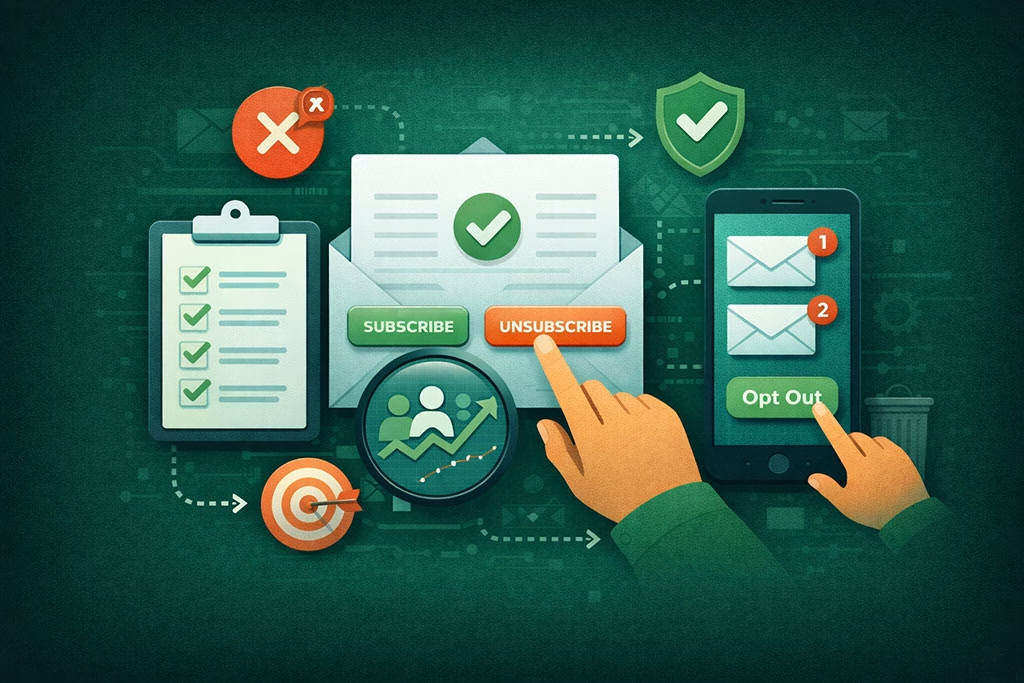
An essential aspect of email marketing compliance is providing clear opt-out options for your subscribers. Under both GDPR and CCPA, individuals have the right to withdraw their consent at any time. This means that every marketing email you send should include an easy-to-find unsubscribe link or instructions on how recipients can opt out of future communications.
Failing to provide this option not only violates regulations but can also damage your brand’s reputation. When designing your opt-out process, make it as straightforward as possible. A single click should suffice to remove someone from your mailing list.
Additionally, consider sending a confirmation email once someone opts out, reassuring them that their request has been processed. This not only enhances user experience but also demonstrates your commitment to respecting their preferences. By prioritizing opt-out options, you can maintain compliance while fostering positive relationships with your audience.
Data Protection and Security Measures
Data protection is at the heart of GDPR and CCPA compliance. As a business owner or marketer, you must implement robust security measures to safeguard personal data from unauthorized access, breaches, or loss. This includes employing encryption technologies, secure servers, and regular software updates to protect against vulnerabilities.
Additionally, consider conducting risk assessments to identify potential threats to your data and develop strategies to mitigate those risks. Beyond technical measures, it’s also vital to establish clear policies regarding data access within your organization. Limit access to personal data only to those employees who need it for their job functions.
Regularly review these access permissions and ensure that employees are trained on data protection best practices. By taking a proactive approach to data security, you not only comply with regulations but also build trust with your customers by demonstrating your commitment to protecting their information.
Transparency in Data Collection and Usage
| Checklist Item | Description | GDPR Requirement | CCPA Requirement | Compliance Status |
|---|---|---|---|---|
| Obtain Explicit Consent | Ensure users explicitly opt-in to receive marketing emails. | Required: Clear affirmative consent before sending emails. | Recommended: Consent preferred but not mandatory for marketing emails. | Pending |
| Provide Clear Privacy Notice | Inform users about data collection and usage in a transparent manner. | Required: Privacy notice must be easily accessible and clear. | Required: Must disclose categories of personal information collected. | Completed |
| Right to Access Data | Allow users to request access to their personal data. | Required: Users can request a copy of their data within 1 month. | Required: Users can request disclosure of personal information collected. | In Progress |
| Right to Delete Data | Enable users to request deletion of their personal data. | Required: Users can request erasure of data under certain conditions. | Required: Users can request deletion of personal information collected. | In Progress |
| Opt-Out Mechanism | Provide an easy way for users to unsubscribe from marketing emails. | Required: Opt-out must be simple and free of charge. | Required: Must provide a clear opt-out link in emails. | Completed |
| Data Minimization | Collect only data necessary for email marketing purposes. | Required: Limit data collection to what is necessary. | Recommended: Avoid collecting excessive personal information. | Pending |
| Data Security Measures | Implement technical and organizational measures to protect data. | Required: Ensure appropriate security to prevent breaches. | Required: Reasonable security measures to protect personal info. | Completed |
| Third-Party Data Sharing Disclosure | Inform users if their data is shared with third parties. | Required: Must disclose third-party data sharing in privacy notice. | Required: Must disclose categories of third parties receiving data. | Completed |
| Children’s Data Protection | Obtain parental consent if collecting data from children under 16 (GDPR) or 13 (CCPA). | Required: Parental consent for under 16 years old. | Required: Parental consent for under 13 years old. | Pending |
| Record Keeping | Maintain records of consent and data processing activities. | Required: Document consent and processing for accountability. | Recommended: Keep records to demonstrate compliance. | In Progress |
Transparency is a cornerstone of both GDPR and CCPA compliance. You must clearly communicate how you collect, use, and share personal data with your customers. This includes providing detailed information in your privacy policy about the types of data you collect, the purposes for which it will be used, and any third parties with whom you may share that information.
By being transparent about your data practices, you empower individuals to make informed decisions about their personal information. To enhance transparency further, consider using plain language in your communications rather than legal jargon that may confuse consumers. You might also provide examples of how their data will be used in practical terms.
For instance, if you collect email addresses for newsletters or promotional offers, explain how this benefits them directly.
By fostering an open dialogue about data collection and usage, you can build trust with your audience while ensuring compliance with regulatory requirements.
Updating Privacy Policies and Terms of Service
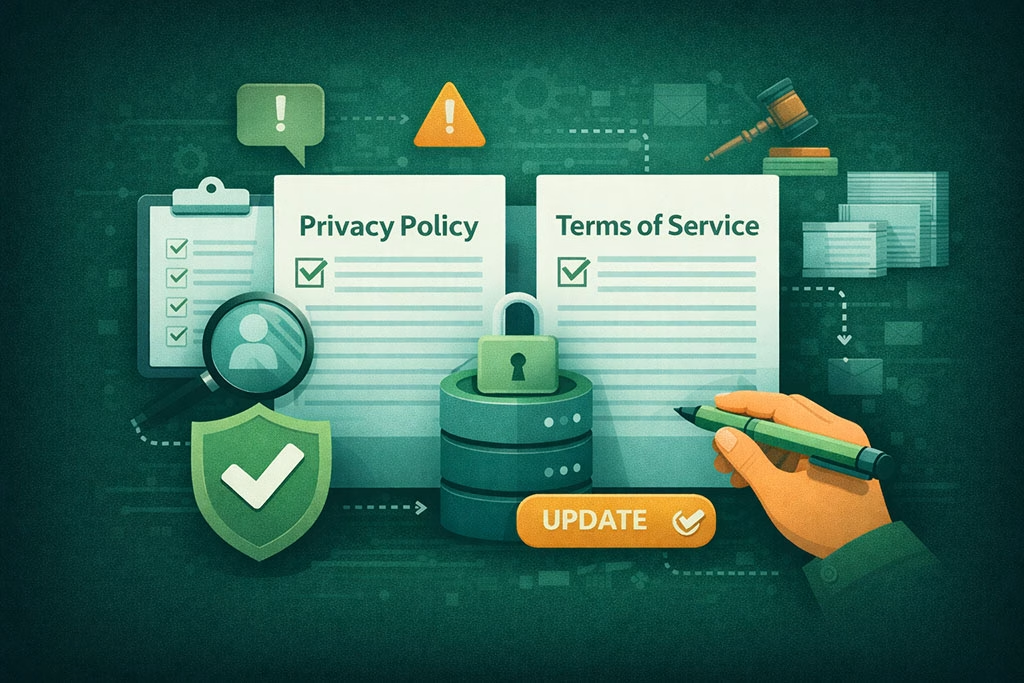
Regularly updating your privacy policies and terms of service is crucial for maintaining compliance with GDPR and CCPAs your business evolves or as regulations change, it’s essential to reflect these updates in your documentation accurately. A well-crafted privacy policy should clearly outline how you handle personal data, including collection methods, usage purposes, retention periods, and individuals’ rights regarding their information. When updating these documents, ensure that they are easily accessible on your website and that users are notified of any significant changes.
Consider using pop-ups or banners to draw attention to updates when users visit your site. This proactive approach not only keeps your audience informed but also demonstrates your commitment to transparency and compliance. By regularly reviewing and updating your privacy policies and terms of service, you can mitigate risks associated with non-compliance while fostering trust with your customers.
Handling Data Subject Access Requests
Under GDPR and CCPA, individuals have the right to request access to their personal data held by businesses. This is known as a Data Subject Access Request (DSAR). As a business owner or marketer, it’s essential to have a clear process in place for handling these requests efficiently and effectively.
When a request is received, you must verify the identity of the individual making the request before providing them with the requested information. To streamline this process, consider creating a dedicated email address or online form specifically for DSARs. This will help ensure that requests are tracked and managed appropriately.
Additionally, establish a timeline for responding to requests in compliance with regulatory requirements—typically within one month for GDPR and 45 days for CCPBy being prepared to handle DSARs promptly and professionally, you demonstrate respect for individuals’ rights while maintaining compliance with data protection laws.
Training Staff on GDPR and CCPA Compliance
Your staff plays a critical role in ensuring compliance with GDPR and CCPA regulations. Therefore, investing in training programs is essential for equipping employees with the knowledge they need to handle personal data responsibly. Training should cover key concepts related to data protection laws, including individuals’ rights, consent requirements, and security measures.
Consider conducting regular training sessions or workshops that engage employees in discussions about real-world scenarios they may encounter in their roles. This interactive approach can help reinforce the importance of compliance while fostering a culture of accountability within your organization. Additionally, provide ongoing resources such as newsletters or online courses to keep staff informed about any updates or changes in regulations.
By prioritizing staff training on GDPR and CCPA compliance, you empower your team to act responsibly when handling personal data.
Conducting Regular Compliance Audits
Regular compliance audits are vital for assessing your organization’s adherence to GDPR and CCPA requirements. These audits allow you to identify potential gaps in your data protection practices and take corrective actions before issues arise. During an audit, evaluate your data collection methods, consent processes, security measures, and overall compliance with regulatory obligations.
To conduct an effective audit, consider creating a checklist based on key compliance areas outlined in both regulations. This will help ensure that no aspect is overlooked during the review process. Additionally, involve various departments within your organization—such as IT, marketing, and legal—to gain a comprehensive understanding of how personal data is handled across different functions.
By conducting regular compliance audits, you can proactively address any shortcomings while reinforcing a culture of accountability within your organization.
Maintaining Records of Consent and Data Processing Activities
Maintaining accurate records of consent and data processing activities is essential for demonstrating compliance with GDPR and CCPA regulations. Under GDPR, businesses are required to keep detailed records of how consent was obtained from individuals for processing their personal data. This includes documenting when consent was given, what information was provided at the time of consent, and any subsequent changes made.
In addition to consent records, it’s important to maintain logs of all data processing activities within your organization. This includes documenting what types of personal data are collected, how they are used, who has access to them, and any third parties involved in processing that data. By keeping thorough records of consent and processing activities, you not only comply with regulatory requirements but also create a valuable resource for internal audits or external inquiries.
Staying Informed About Regulatory Changes
The landscape of data privacy regulations is constantly evolving; therefore, staying informed about changes is crucial for maintaining compliance with GDPR and CCPRegularly monitor updates from regulatory bodies such as the European Data Protection Board (EDPB) or the California Attorney General’s Office for any new guidelines or amendments that may impact your business practices.
Consider subscribing to industry newsletters or joining professional organizations focused on data protection issues to stay abreast of developments in this area.
Additionally, engage with legal counsel or compliance experts who can provide insights into how regulatory changes may affect your organization specifically.
By proactively staying informed about regulatory changes, you can adapt your practices accordingly and ensure ongoing compliance with evolving data protection laws. In conclusion, navigating GDPR and CCPA compliance requires a multifaceted approach that encompasses understanding regulations, obtaining consent for email marketing, providing opt-out options, implementing security measures, ensuring transparency in data collection practices, updating privacy policies regularly, handling access requests efficiently, training staff adequately, conducting audits regularly, maintaining records diligently, and staying informed about regulatory changes. By prioritizing these aspects within your organization’s operations, you can foster trust with consumers while safeguarding their personal information effectively.
When considering compliance with GDPR and CCPA in your email marketing efforts, it’s essential to ensure that your messaging aligns with your landing pages. For insights on this topic, you can refer to the article on the importance of message match, which discusses how aligning email and landing page copy can enhance user experience and trust. You can read more about it in this article: The Importance of Message Match: Aligning Email and Landing Page Copy.
FAQs
What is GDPR and why is it important for email marketing?
The General Data Protection Regulation (GDPR) is a European Union law that regulates data protection and privacy for individuals within the EU. It is important for email marketing because it sets strict rules on how personal data must be collected, stored, and used, ensuring that marketers obtain proper consent and protect user privacy.
What does CCPA stand for and how does it affect email marketing?
CCPA stands for the California Consumer Privacy Act. It affects email marketing by giving California residents rights over their personal data, including the right to know what data is collected, the right to delete data, and the right to opt-out of the sale of their personal information. Marketers must comply with these requirements when targeting or collecting data from California consumers.
What are the key compliance requirements for GDPR in email marketing?
Key GDPR compliance requirements include obtaining explicit consent before sending marketing emails, providing clear information about data usage, allowing users to easily withdraw consent, ensuring data security, and maintaining records of consent. Marketers must also respect user rights such as access, correction, and deletion of personal data.
How can email marketers ensure compliance with CCPA?
Email marketers can ensure CCPA compliance by providing clear privacy notices, offering opt-out options for the sale of personal data, honoring consumer requests to access or delete their data, and avoiding discrimination against consumers who exercise their privacy rights. Transparency and proper data handling practices are essential.
Is explicit consent required under both GDPR and CCPA for email marketing?
Under GDPR, explicit consent is generally required before sending marketing emails. Under CCPA, explicit consent is not always mandatory, but consumers must be given the option to opt-out of the sale of their personal information. Both laws emphasize transparency and user control over personal data.
What steps should be included in a checklist for GDPR and CCPA compliance in email marketing?
A compliance checklist should include: obtaining and documenting consent, providing clear privacy notices, enabling easy opt-out mechanisms, securing personal data, responding promptly to data access or deletion requests, training staff on data protection, and regularly reviewing compliance policies.
Can non-EU or non-California businesses be affected by GDPR and CCPA?
Yes, businesses outside the EU or California can be affected if they process personal data of EU residents or California consumers, or if they offer goods or services to these individuals. Compliance is required regardless of the business location if the data subjects fall under the regulations’ scope.
What are the consequences of non-compliance with GDPR and CCPA in email marketing?
Non-compliance can result in significant fines and penalties. GDPR fines can reach up to 20 million euros or 4% of annual global turnover, whichever is higher. CCPA violations can lead to fines up to $7,500 per intentional violation. Additionally, non-compliance can damage brand reputation and customer trust.
How often should email marketers review their GDPR and CCPA compliance?
Email marketers should review their compliance policies regularly, at least annually, or whenever there are changes in data protection laws, business practices, or marketing strategies. Ongoing monitoring helps ensure continued adherence to legal requirements and best practices.
Are there tools available to help with GDPR and CCPA compliance in email marketing?
Yes, there are various tools and software solutions designed to help manage consent, automate privacy notices, handle data subject requests, and maintain compliance records. These tools can simplify compliance management and reduce the risk of violations.