



Email serves as a fundamental communication tool for both personal and professional purposes in the modern digital environment. However, email campaigns frequently encounter delivery obstacles, spam filtering systems, and authentication failures that reduce their effectiveness. Email header analysis addresses these challenges by providing detailed information about the path emails travel from sender to recipient.
Email headers contain metadata that reveals the route, timing, and processing details of each message. By examining this information, you can identify specific delivery problems and determine why emails may be rejected or filtered as spam. This analysis enables you to diagnose authentication issues, trace routing problems, and detect potential security concerns.
Analyzing email headers allows you to optimize your email practices based on concrete data. By reviewing header information systematically, you can identify patterns related to delivery failures and spam folder placement. This evidence-based approach helps you adjust your email configuration, authentication protocols, and sending practices to improve deliverability.
Understanding email headers is therefore essential for maintaining reliable email communication and ensuring messages reach their intended recipients consistently.
Key Takeaways
- Email header analysis is crucial for diagnosing and resolving various email delivery problems.
- Understanding header components helps identify issues like spam filtering, bounce-backs, and sender authentication failures.
- Analyzing headers can uncover causes of delayed or slow email delivery, improving overall communication efficiency.
- Best practices and specialized tools streamline the process of email header analysis for better troubleshooting.
- Real-world case studies demonstrate how header analysis effectively resolves complex email delivery challenges.
Decoding the Components of an Email Header
To effectively analyze email headers, it is essential to understand their various components. Each header contains a wealth of information that can provide insights into the email’s path, its origin, and its status. The “From” field indicates the sender’s email address, while the “To” field shows the recipient’s address.
These basic elements are just the tip of the iceberg; headers also include timestamps, subject lines, and routing information that detail the servers involved in delivering the email. One of the most critical components of an email header is the “Received” field, which tracks the servers that processed the email as it traveled from sender to recipient. This information can help you pinpoint where delays or failures may have occurred.
Additionally, headers often contain authentication results, such as SPF (Sender Policy Framework) and DKIM (DomainKeys Identified Mail) signatures, which verify the legitimacy of the sender.
By familiarizing yourself with these components, you can begin to unravel the complexities of email delivery and troubleshoot issues more effectively.
Identifying Common Delivery Issues through Email Header Analysis

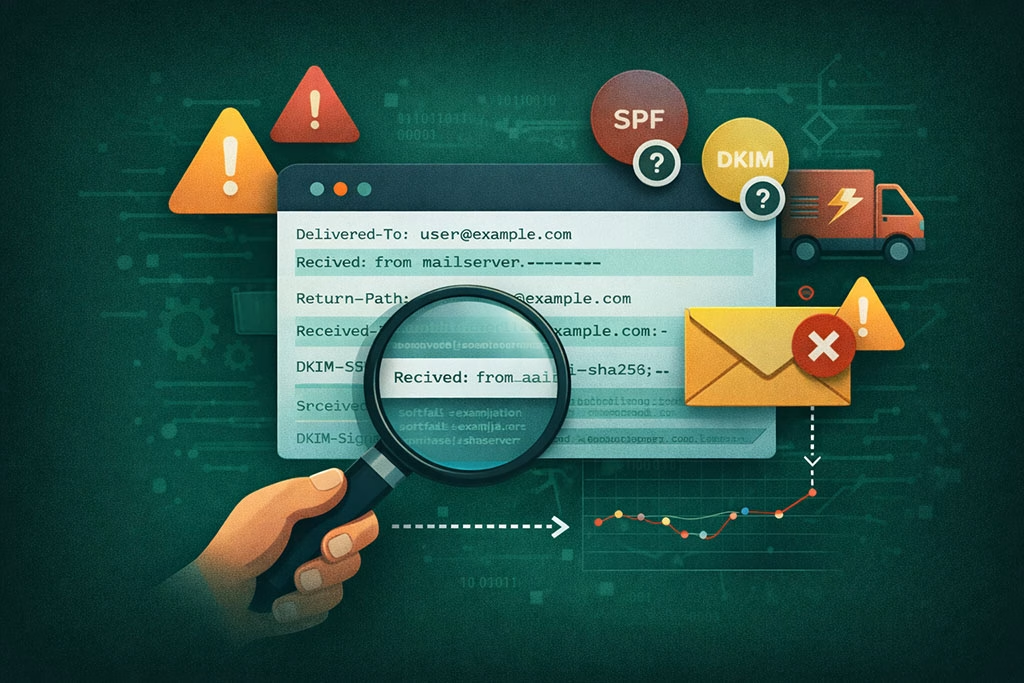
When you delve into email header analysis, one of the primary benefits is your ability to identify common delivery issues that may be affecting your campaigns. For instance, if you notice that emails are consistently landing in spam folders, analyzing the headers can reveal whether your domain has been blacklisted or if there are issues with your authentication protocols. This information is invaluable for making necessary adjustments to improve deliverability.
Moreover, header analysis can help you detect problems related to server configurations or network issues. If you observe significant delays in email delivery, examining the timestamps in the headers can provide clues about where the bottleneck occurred. By pinpointing these issues early on, you can take corrective action to ensure that your emails reach their destination promptly and reliably.
Using Email Header Analysis to Troubleshoot Spam Filter Problems
Spam filters are designed to protect users from unwanted emails, but they can sometimes mistakenly flag legitimate messages as spam. This is where email header analysis becomes a powerful tool for troubleshooting spam filter problems. By examining the headers of emails that have been marked as spam, you can identify specific characteristics that may have triggered the filter.
For example, certain keywords in the subject line or body of the email may raise red flags for spam filters. Additionally, if your headers lack proper authentication signatures like SPF or DKIM, this could lead to your emails being classified as suspicious. By understanding these factors through header analysis, you can refine your content and improve your chances of bypassing spam filters in future campaigns.
Leveraging Email Header Analysis to Address Bounce-backs and Non-delivery Notifications
| Header Field | Description | Common Issues Indicated | Troubleshooting Tips |
|---|---|---|---|
| Received | Shows the path the email took from sender to recipient, including servers involved and timestamps. | Delays, loops, or unexpected servers in the path. | Check for unusual or repeated servers; verify timestamps to identify delays or loops. |
| Return-Path | Indicates the bounce address for undeliverable messages. | Incorrect or missing return path can cause delivery failures. | Verify the return-path matches the sending domain and is valid. |
| Message-ID | Unique identifier for the email message. | Missing or duplicate IDs can cause spam filters to flag the message. | Ensure the sending server generates unique and properly formatted IDs. |
| DKIM-Signature | Contains the digital signature to verify the sender’s domain. | Failed or missing DKIM signatures can lead to message rejection. | Check DKIM alignment and signature validity using header info. |
| SPF | Shows the result of the Sender Policy Framework check. | Fail or softfail results indicate unauthorized sending servers. | Verify SPF records and ensure sending IPs are authorized. |
| Authentication-Results | Summary of authentication checks like SPF, DKIM, and DMARC. | Failures here often cause delivery to spam or rejection. | Review each authentication result and fix configuration issues. |
| Date | Timestamp when the email was sent. | Incorrect dates can cause delivery delays or spam filtering. | Ensure sender’s system clock is accurate. |
| Content-Type | Specifies the format of the email content. | Incorrect content types can cause rendering or delivery issues. | Verify content-type matches the actual message format. |
Bounce-backs and non-delivery notifications can be frustrating obstacles in your email communication efforts. However, by leveraging email header analysis, you can gain insights into why these issues occur and how to resolve them effectively. When an email bounces back, the accompanying notification often contains valuable information about the reason for the failure.
Analyzing this data can help you determine whether the issue lies with an invalid recipient address, a full inbox, or a temporary server problem. In some cases, bounce-backs may indicate that your sending domain has been flagged for suspicious activity or that your IP address has been blacklisted. By scrutinizing the headers of bounced emails, you can identify patterns and take corrective measures to improve your sender reputation.
This proactive approach not only helps reduce bounce rates but also enhances your overall email deliverability.
Uncovering Sender Authentication Issues with Email Header Analysis


Sender authentication is a critical aspect of ensuring that your emails are delivered successfully and not mistaken for spam. Email header analysis plays a vital role in uncovering any authentication issues that may be affecting your campaigns. By examining headers for SPF and DKIM records, you can determine whether your emails are properly authenticated and aligned with best practices.
If you find that your emails are failing authentication checks, it may be time to revisit your domain’s DNS settings or consult with your email service provider for assistance. Ensuring that your emails are authenticated not only improves deliverability but also enhances your credibility as a sender. By prioritizing sender authentication through header analysis, you can build trust with your recipients and increase engagement with your content.
Utilizing Email Header Analysis to Investigate Delayed or Slow Delivery
Delayed or slow email delivery can be a significant concern for businesses relying on timely communication with clients and customers. Email header analysis provides a systematic approach to investigating these delays by offering insights into the various stages of an email’s journey. By examining timestamps in the headers, you can identify where bottlenecks may have occurred during transmission.
For instance, if you notice that an email was delayed at a specific server along its route, this could indicate a temporary issue with that server or network congestion. Armed with this information, you can take steps to mitigate future delays by adjusting your sending practices or working with your email service provider to optimize delivery routes. Understanding the factors contributing to slow delivery through header analysis allows you to enhance your overall communication efficiency.
Enhancing Email Deliverability with Insights from Email Header Analysis
The ultimate goal of email header analysis is to enhance deliverability and ensure that your messages reach their intended recipients without unnecessary obstacles. By leveraging insights gained from header analysis, you can implement targeted strategies to improve your email campaigns’ performance. For example, if you discover that certain keywords consistently trigger spam filters, you can adjust your messaging accordingly.
Additionally, monitoring authentication results through header analysis allows you to maintain a strong sender reputation over time. Regularly reviewing headers for compliance with best practices ensures that you stay ahead of potential issues before they impact deliverability. By taking a proactive approach to email header analysis, you position yourself for success in reaching your audience effectively and efficiently.
Best Practices for Conducting Email Header Analysis
To maximize the benefits of email header analysis, it’s essential to follow best practices that streamline the process and yield actionable insights. First and foremost, develop a systematic approach to analyzing headers by creating a checklist of key components to review regularly. This checklist should include fields such as “From,” “To,” “Received,” and authentication results like SPF and DKIM.
Additionally, consider documenting any patterns or recurring issues you encounter during your analyses. This documentation will serve as a valuable reference for future campaigns and help you identify trends over time. Finally, stay informed about industry best practices and evolving standards related to email deliverability and authentication protocols.
By adhering to these best practices, you’ll be well-equipped to conduct thorough and effective email header analyses.
Tools and Resources for Streamlining Email Header Analysis
In today’s fast-paced digital environment, utilizing tools and resources designed for email header analysis can significantly enhance your efficiency and accuracy. Various online tools allow you to paste email headers for instant analysis, providing insights into routing paths and potential issues without requiring extensive technical knowledge. Additionally, many email service providers offer built-in analytics features that include header analysis as part of their reporting tools.
These features often provide visual representations of delivery metrics and authentication results, making it easier for you to interpret data at a glance. By leveraging these tools and resources, you can streamline your email header analysis process and focus on implementing improvements based on actionable insights.
Case Studies: Real-world Examples of Email Header Analysis Resolving Delivery Issues
To illustrate the practical applications of email header analysis, consider real-world case studies where organizations successfully resolved delivery issues through this methodical approach. For instance, a marketing team noticed a significant drop in open rates for their newsletters. Upon analyzing the headers of their emails marked as spam, they discovered that their domain had been blacklisted due to previous complaints about unsolicited messages.
By addressing their sending practices and improving their authentication protocols based on header insights, they were able to regain their sender reputation and increase engagement rates significantly over time. In another case study, an e-commerce company experienced delays in order confirmation emails reaching customers. Through careful examination of email headers, they identified a specific server causing bottlenecks in delivery.
By collaborating with their email service provider to optimize routing paths and address server issues, they improved their delivery times dramatically. These case studies highlight how effective email header analysis can lead to tangible improvements in deliverability and overall communication success. By applying similar strategies within your organization, you too can harness the power of email header analysis to resolve delivery challenges and enhance your outreach efforts.
To effectively troubleshoot email delivery issues, understanding email headers is crucial. For further insights on improving your email deliverability, you may find the article on choosing the right IP for email deliverability: dedicated vs. shared particularly helpful. This resource provides valuable information on how the type of IP address you use can impact your email’s success in reaching its intended recipients.
FAQs
What are email headers?
Email headers are lines of metadata attached to an email message that provide detailed information about the email’s origin, path, and delivery process. They include data such as the sender’s IP address, the email servers it passed through, timestamps, and authentication results.
Why is it important to read email headers?
Reading email headers helps troubleshoot delivery issues by revealing where delays or failures occurred, identifying potential spam or phishing attempts, and verifying the authenticity of the sender. It provides insight into the email’s journey from sender to recipient.
How can I view email headers in my email client?
Most email clients allow you to view headers by selecting options like “View Source,” “Show Original,” or “View Message Details.” The exact method varies by client; for example, in Gmail, you can click “Show original” from the message options menu.
What key information should I look for in email headers?
Important elements include the “Received” lines showing the servers the email passed through, “From” and “Return-Path” addresses, timestamps, SPF, DKIM, and DMARC authentication results, and any error or status codes indicating delivery problems.
Can email headers help identify spam or phishing emails?
Yes, analyzing headers can reveal discrepancies such as mismatched sender IP addresses, failed authentication checks, or unusual routing paths, which are common indicators of spam or phishing attempts.
What are common issues revealed by email headers?
Headers can show delays caused by server timeouts, rejected messages due to authentication failures, misconfigured DNS records, or blacklisted IP addresses, all of which can affect email delivery.
Is technical knowledge required to interpret email headers?
While some basic understanding of email protocols helps, many online tools and guides are available to assist in decoding headers. With practice, users can learn to identify key information relevant to troubleshooting.
Are email headers the same across all email services?
The general structure of email headers follows standard protocols, but the exact format and additional fields may vary slightly between email services and servers.
Can email headers be forged or altered?
Yes, headers can be spoofed or manipulated by malicious actors. However, authentication protocols like SPF, DKIM, and DMARC help detect and prevent such tampering.
Where can I find tools to analyze email headers?
There are many free online header analysis tools available, such as MXToolbox, Google’s Message Header Analyzer, and others, which parse headers and provide a readable summary to aid troubleshooting.