



You’re a small business owner, navigating the dynamic currents of the marketplace, and the year 2026 presents a landscape ripe with opportunity, but also with fierce competition. The question on your mind is likely: how can you amplify your reach and attract more customers without breaking the bank? This article will guide you through cost-effective marketing strategies that are not just relevant for 2026, but designed to be sustainable and impactful for your bottom line. Think of these strategies as your business’s compass and toolkit, helping you chart a steady course through the often-turbulent seas of customer acquisition.
In 2026, your digital presence is no longer a bonus; it’s the bedrock upon which most small businesses will stand or fall. You need to cultivate this online garden with care, ensuring it’s not only attractive but also yields a bountiful harvest of leads and sales.
Optimizing Your Online Presence: The Foundation of Visibility
Your website is your digital handshake, your 24/7 salesperson, and your information hub. For it to be truly effective, it needs to be more than just a digital brochure; it needs to be a functional and engaging experience for your visitors.
Website Design and User Experience (UX)
Consider your website as a well-organized, welcoming shop. Is it easy for customers to find what they need? Is the navigation intuitive, like clear signage in a physical store? In 2026, a sleek, mobile-responsive design is non-negotiable. The majority of web traffic originates from mobile devices, so a clunky mobile experience will send potential customers fleeing like shoppers abandoning a disorganized aisle. Focus on fast loading times, high-quality imagery, and clear calls to action (CTAs) – those crucial prompts that tell visitors what you want them to do next, whether it’s “Learn More,” “Shop Now,” or “Get a Quote.”
Search Engine Optimization (SEO): Becoming Discoverable
Think of SEO as ensuring your business appears on the most sought-after street in the digital city. You want to be found when potential customers are actively searching for products or services like yours. This involves a multi-pronged approach:
- Keyword Research: Identify the terms and phrases your target audience uses when searching online. Utilize free tools like Google Keyword Planner or more advanced paid options to uncover relevant keywords. Are you a local bakery? Your keywords might be “best sourdough bread [your city]” or “custom cakes near me.”
- On-Page Optimization: Integrate these keywords naturally into your website content, meta descriptions, and image alt text. This signals to search engines what your pages are about.
- Off-Page Optimization (Link Building): Earn links from reputable websites to yours. This is akin to getting endorsements from trusted sources. Guest blogging on industry-relevant sites or participating in local business directories can help build these valuable backlinks.
- Technical SEO: Ensure your website is technically sound for search engine crawlers. This includes having a sitemap, using proper header tags, and maintaining a secure (HTTPS) connection.
Local SEO: Winning Your Neighborhood Market
For brick-and-mortar businesses or those serving a specific geographic area, local SEO is paramount. It’s about making sure your business appears when someone searches for “businesses near me.” Claim and optimize your Google Business Profile (GBP) listing. This is your digital storefront on Google Maps and Search. Ensure your business name, address, phone number (NAP), operating hours, and website are accurate and consistent across all online platforms. Encourage customer reviews on your GBP listing, as positive reviews are a powerful form of social proof.
Content Marketing: Becoming the Expert Source
Content marketing is about creating and distributing valuable, relevant, and consistent content to attract and retain a clearly defined audience – and, ultimately, to drive profitable customer action. In 2026, it’s about becoming a trusted advisor, not just a vendor.
Blog Creation and Management
Your blog can be the engine of your content marketing. Regularly publishing informative articles, how-to guides, industry insights, or customer success stories establishes your authority. Think of it as a perpetual seminar where you educate and engage your audience.
- Value-Driven Content: Focus on solving your audience’s problems or answering their questions. For a small accounting firm, this might include blog posts on “Tax Deductions for Freelancers in 2026” or “Understanding Small Business Payroll Challenges.”
- Consistency is Key: Develop a content calendar and stick to it. Regular updates keep your audience engaged and signal to search engines that your site is active and relevant.
- Promote Your Content: Don’t just publish and forget. Share your blog posts on social media, in email newsletters, and consider repurposing content into other formats like infographics or short videos.
Video Marketing: Engaging Through Visuals
Video continues to dominate online content consumption. Short, engaging videos are excellent for capturing attention and conveying information quickly.
- Explainer Videos: Briefly explain your products or services. Imagine a small artisan soap maker using a short video to showcase the natural ingredients and handcrafted process of their most popular product.
- Behind-the-Scenes Footage: Humanize your brand by showing the faces and processes behind your business. This builds trust and authenticity.
- Customer Testimonials: Video testimonials are incredibly powerful endorsements. Seeing and hearing a satisfied customer share their positive experience can be far more persuasive than text alone.
- Live Streaming: Platforms like Instagram, Facebook, and YouTube offer live streaming capabilities, allowing for real-time interaction with your audience, Q&A sessions, or product demonstrations.
Social Media Marketing: Building Community and Engagement
Social media platforms are not just marketing channels; they are vital communities where you can build relationships with your customers. In 2026, it’s about genuine interaction, not just broadcasting.
Choosing the Right Platforms
Every platform serves a different purpose and attracts a different audience. You don’t need to be everywhere. Identify where your target customers spend their time.
- Facebook: Still a powerhouse for broad reach and community building. Ideal for local businesses and engaging with a diverse demographic.
- Instagram: Visually driven, perfect for businesses with strong aesthetic appeal, such as fashion, food, or craft businesses. Reels and Stories are crucial for engagement.
- LinkedIn: Essential for B2B businesses, professional services, and building industry connections. Focus on thought leadership and networking.
- TikTok: Exploding in popularity, especially with younger demographics. Short-form video content is key, emphasizing creativity and trends.
- X (formerly Twitter): Useful for real-time updates, customer service, and participating in industry conversations.
Engaging with Your Audience
Merely posting content isn’t enough. You need to spark conversations, respond to comments and messages promptly, and participate in relevant discussions. This builds loyalty and creates brand advocates. Responding to a customer query with helpfulness and speed can turn a one-time buyer into a lifelong supporter.
- Run Contests and Giveaways: These are excellent for increasing engagement and brand awareness.
- Ask Questions: Encourage participation by posing questions related to your industry or products.
- Respond to Comments and Messages: This shows you value your audience and are attentive to their needs.
- Utilize User-Generated Content (UGC): Encourage customers to share photos or videos of themselves using your products, and then re-share their content (with permission). This act as authentic social proof.
In the ever-evolving landscape of small business marketing, finding cost-effective strategies is crucial for success. A related article that delves into innovative approaches is titled “Crafting Authentic Email Campaigns with Behavioral Segmentation,” which explores how small businesses can leverage behavioral data to create targeted email campaigns that resonate with their audience. This insightful piece can be found at Crafting Authentic Email Campaigns with Behavioral Segmentation. By implementing these strategies, small businesses can enhance their marketing efforts while keeping costs manageable.
Leveraging Email Marketing: Direct Lines to Your Customers
Email marketing remains one of the most cost-effective and high-ROI marketing channels available. It provides you with a direct line of communication to your audience, allowing for personalized and targeted messaging. Think of your email list as your most valuable Rolodex – each contact is a potential repeat customer.
Building and Segmenting Your Email List
The quality of your list directly impacts the effectiveness of your campaigns.
Lead Magnets and Sign-Up Forms
Offer something valuable in exchange for an email address. This could be a discount code, a free e-book, a checklist, or access to exclusive content. Strategic placement of sign-up forms on your website and social media profiles is crucial.
- Pop-up Forms: Use these judiciously, perhaps after a user has spent a certain amount of time on your site or is about to exit.
- Embedded Forms: Place forms within your blog posts or on dedicated “Subscribe” pages.
- Social Media Integration: Link to your email signup form from your social media bios and posts.
List Segmentation for Targeted Campaigns
Sending the same email to everyone is like shouting to a crowded room; you might reach many, but you’re unlikely to connect with anyone in particular. Segmenting your list allows you to send highly relevant messages.
- Demographic Segmentation: Based on age, location, gender, etc.
- Behavioral Segmentation: Based on past purchases, website activity, or engagement with previous emails. For example, segmenting customers who have purchased a specific product category and sending them targeted promotions for related items.
- Interest-Based Segmentation: If customers have indicated specific areas of interest (e.g., through surveys or preferences).
Crafting Effective Email Campaigns
The art of email marketing lies in delivering the right message to the right person at the right time.
Compelling Subject Lines
Your subject line is the gatekeeper to your email. It needs to be attention-grabbing, informative, and enticing enough to encourage an open.
- Personalization: Using the recipient’s name can increase open rates.
- Urgency/Scarcity: Phrases like “Limited Time Offer” or “Only a Few Left” can drive action.
- Curiosity: Pique their interest with a question or intriguing statement.
- Benefit-Oriented: Clearly state what the recipient will gain from opening the email.
Engaging Email Content and Calls to Action
Once they’ve opened your email, the content needs to deliver on the promise of the subject line.
- Conciseness and Clarity: Get to the point quickly. Most people scan emails before reading them thoroughly.
- Visual Appeal: Use attractive visuals, but ensure they don’t slow down loading times.
- Personalized Messaging: Refer to past interactions or interests where possible.
- Clear and Strong CTAs: Just like on your website, direct your readers on what you want them to do next. Use action-oriented language.
Automation and Drip Campaigns
Email marketing platforms offer powerful automation features that can nurture leads and customers over time.
- Welcome Series: A series of automated emails to new subscribers, introducing your brand, products, and values.
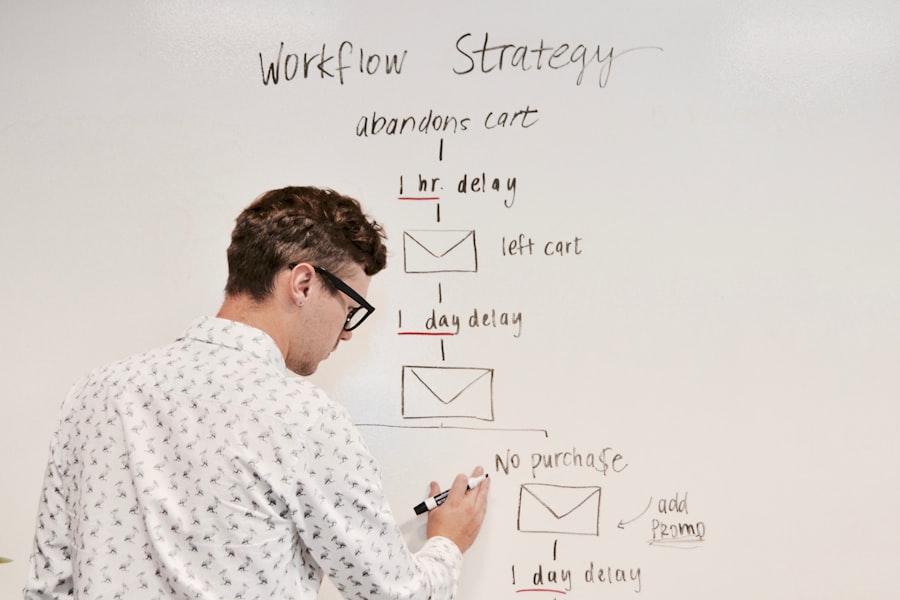
- Abandoned Cart Emails: Remind customers who have added items to their cart but not completed the purchase.
- Post-Purchase Follow-ups: Thank customers, provide shipping information, and solicit reviews.
Harnessing the Power of Partnerships and Networking
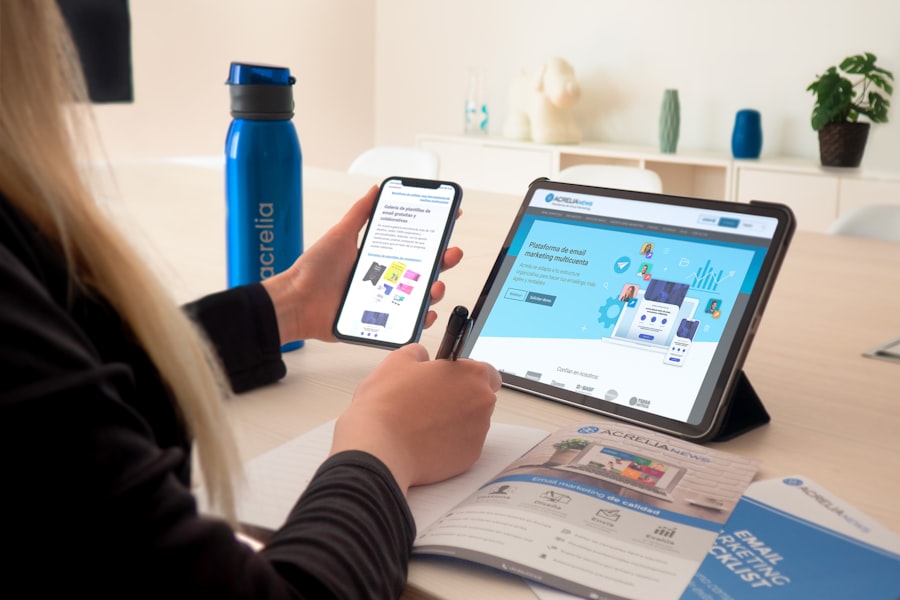

In 2026, going it alone is rarely the most efficient path to growth. Strategic alliances and active networking can open doors and tap into new customer bases. Think of these as planting seeds in interconnected gardens, where your growth can benefit others, and their success can, in turn, benefit you.
Collaborating with Complementary Businesses
Identify businesses that serve a similar target audience but do not directly compete with you.
Cross-Promotional Campaigns
Partner with a fellow business for a joint giveaway, a bundled offer, or a co-hosted event. For instance, a local yoga studio could partner with a healthy cafe for a “Wellness Wednesday” promotion, offering a discount at both establishments with a combined purchase.
Joint Content Creation
Co-author a blog post, co-host a webinar, or create a joint social media campaign. This exposes both of your audiences to each other’s offerings and helps you tap into each other’s expertise.
Leveraging Local and Industry Networks
Actively participating in your local business community and industry associations can be an invaluable source of leads and support.
Attending Networking Events
Regularly attend local chamber of commerce meetings, industry conferences, or meetups. These events are fertile ground for making meaningful connections.
- Prepare Your Elevator Pitch: Be ready to concisely and compellingly describe your business and what you offer.
- Focus on Building Relationships: Don’t just hand out business cards. Aim for genuine conversations and understand how you might be able to help others.
- Follow Up: After an event, send personalized follow-up messages to people you connected with.
Joining Online Communities and Forums
Participate in online groups relevant to your industry or target audience. This allows you to share your expertise, answer questions, and build your reputation as a knowledgeable resource.
Embracing Cost-Effective Advertising and Promotion
While many marketing strategies require time and effort, there are also accessible and affordable advertising avenues that can yield significant returns.
Low-Cost Paid Advertising Options
In 2026, data is king, and even small budgets can be effective with precise targeting.
Social Media Advertising
Platforms like Facebook, Instagram, and LinkedIn offer robust advertising tools that allow for highly specific audience targeting.
- Start Small: Begin with a modest budget and experiment with different ad creatives and targeting options.
- Focus on Specific Goals: Are you aiming for website traffic, leads, brand awareness, or sales? Tailor your campaigns accordingly.
- A/B Testing: Test different ad copy, headlines, and visuals to see what resonates best with your audience.
- Remarketing: Target individuals who have previously interacted with your website or social media profiles. This can be incredibly effective as they are already familiar with your brand.
Google Ads (Pay-Per-Click – PPC)
While PPC can become expensive, strategic use can be highly effective.
- Targeted Keywords: Focus on long-tail keywords (more specific phrases) that often have lower competition and higher conversion rates. For example, instead of “shoes,” aim for “waterproof hiking boots for women size 8.”
- Location Targeting: Narrow your advertising to specific geographic areas relevant to your business.
- Ad Extensions: Utilize ad extensions (like sitelinks, call extensions, and location extensions) to provide more information and increase ad visibility.
Leveraging Public Relations (PR) and Earned Media
PR is about generating positive publicity and building credibility without directly paying for advertising space.
Local Media Outreach
Reach out to local newspapers, radio stations, or community blogs with newsworthy stories about your business.
- Press Releases: Craft concise and compelling press releases for significant announcements (e.g., new product launches, community involvement, business milestones).
- Be a Source: Position yourself as an expert in your field. Offer to provide commentary or insights on local or industry trends.
Online Reviews and Testimonials
Encourage satisfied customers to leave reviews on platforms like Google, Yelp, or industry-specific review sites. Positive reviews act as powerful endorsements and influence purchasing decisions.
In the ever-evolving landscape of small business marketing, finding cost-effective strategies is crucial for success in 2026. One insightful resource that can enhance your understanding of effective marketing techniques is an article that delves into the importance of data-driven approaches, particularly through email marketing. This article emphasizes the significance of testing and optimizing your campaigns to achieve better results. For more information, you can read about it in this data-driven guide to email split testing. Implementing these strategies can help small businesses maximize their marketing budgets while reaching their target audiences more effectively.
Measuring, Analyzing, and Adapting: The Key to Sustainable Growth
| Marketing Strategy | Estimated Cost | Expected ROI (%) | Time to See Results | Key Benefits |
|---|---|---|---|---|
| Social Media Marketing | Low | 150 | 1-3 months | Wide reach, brand awareness, customer engagement |
| Email Marketing | Low | 200 | 1-2 months | Direct communication, personalized offers, high conversion |
| Content Marketing (Blogs, SEO) | Medium | 180 | 3-6 months | Improved search rankings, authority building, organic traffic |
| Influencer Partnerships | Medium | 130 | 1-3 months | Targeted audience, trust building, social proof |
| Pay-Per-Click Advertising (PPC) | Medium to High | 120 | Immediate | Quick traffic, measurable results, targeted ads |
| Referral Programs | Low | 250 | 2-4 months | Customer loyalty, word-of-mouth, cost-effective |
| Local SEO | Low to Medium | 170 | 3-5 months | Increased local visibility, foot traffic, mobile search |
In 2026, the most successful marketing strategies are not static; they are dynamic, informed by data, and constantly refined. You must be a data detective, sifting through the numbers to understand what’s working and what’s not.
Tracking Your Marketing Efforts
Without data, you’re flying blind. Implement tracking mechanisms for all your marketing activities.
Website Analytics
Utilize tools like Google Analytics to understand website traffic, user behavior, conversion rates, and the sources of your traffic.
- Key Metrics to Monitor:
- Traffic Sources: Where are your visitors coming from (organic search, social media, direct, referral)?
- Bounce Rate: The percentage of visitors who leave your site after viewing only one page.
- Time on Page: How long are visitors spending on specific pages?
- Conversion Rate: The percentage of visitors who complete a desired action (e.g., making a purchase, filling out a form).
- Page Views: Which pages are most popular?
Social Media Analytics
Most social media platforms provide built-in analytics dashboards to track engagement, reach, follower growth, and content performance.
Email Marketing Analytics
Track open rates, click-through rates, unsubscribe rates, and conversion rates for your email campaigns.
Analyzing Your Data for Insights
Data itself is just numbers. The real magic happens when you interpret it.
Identifying Top-Performing Channels
Determine which marketing channels are driving the most traffic, leads, and sales. This allows you to allocate your resources more effectively.
Understanding Customer Behavior
Analyze data to understand how customers interact with your brand across different touchpoints. This can reveal patterns and preferences that inform future marketing efforts.
Pinpointing Areas for Improvement
If certain campaigns are underperforming, analyze the data to understand why. Is the audience targeting off? Is the messaging unclear? Is the offer not compelling enough?
Adapting Your Strategies for Continuous Improvement
Marketing is not a “set it and forget it” endeavor. It requires ongoing refinement.
Iterative Approach to Campaigns
Use the insights gained from your analysis to make informed adjustments to your existing campaigns and to plan future ones.
Staying Ahead of Trends
The digital landscape is constantly evolving. Dedicate time to researching new marketing trends, algorithm changes, and emerging platforms.
Budget Allocation
Re-evaluate your marketing budget regularly based on which strategies are delivering the best ROI. Be prepared to shift resources from underperforming to high-performing initiatives.
By diligently applying these cost-effective marketing strategies, you can build a robust and resilient business in 2026, one that not only survives but thrives in the ever-evolving marketplace. Remember, consistency, value, and a genuine connection with your audience are the enduring pillars of success.
FAQs
What are some cost-effective marketing strategies for small businesses in 2026?
Cost-effective marketing strategies for small businesses in 2026 include leveraging social media platforms, utilizing content marketing, engaging in email marketing campaigns, optimizing for local SEO, and collaborating with influencers or other small businesses to expand reach without large budgets.
How can small businesses use social media marketing effectively on a budget?
Small businesses can use social media marketing effectively by creating consistent, engaging content tailored to their target audience, using free tools for scheduling posts, participating in relevant groups or communities, and running highly targeted, low-cost ad campaigns to maximize return on investment.
Why is local SEO important for small businesses in 2026?
Local SEO is important because it helps small businesses appear in search results for customers in their geographic area, increasing visibility and driving foot traffic or local online sales. Optimizing Google My Business profiles and gathering customer reviews are key components of local SEO.
What role does content marketing play in cost-effective marketing?
Content marketing allows small businesses to attract and engage customers by providing valuable information through blogs, videos, or social media posts. It builds brand authority and trust over time without the need for large advertising budgets, making it a cost-effective strategy.
How can small businesses measure the success of their marketing strategies in 2026?
Small businesses can measure success by tracking key performance indicators (KPIs) such as website traffic, conversion rates, social media engagement, email open and click-through rates, and return on investment (ROI) from advertising campaigns using analytics tools and customer feedback.