



You understand that customer acquisition is often a resource-intensive endeavor. Marketing campaigns, sales efforts, and onboarding processes all demand significant investment. However, securing a new customer is only the first stage of a potentially long and profitable relationship. The true measure of a robust business model often lies in its ability to retain those customers, transforming one-time purchasers into loyal advocates. This is where re-engagement emails become a critical tool in your customer relationship management arsenal.
Customer churn, also known as customer attrition, is the rate at which customers stop doing business with you. It is a natural phenomenon in most industries, but high churn rates can severely undermine your growth and profitability.
The Financial Ramifications of Churn
Consider the financial implications. Acquiring a new customer can be five to twenty-five times more expensive than retaining an existing one. When a customer churns, you not only lose their future revenue stream but also the return on your initial acquisition investment. Furthermore, dissatisfied churned customers can negatively impact your brand reputation through word-of-mouth or online reviews, creating a ripple effect that deters potential new customers.
Identifying At-Risk Customers
Before you can re-engage, you must identify who needs re-engagement. This requires a systematic approach to data analysis. You need to look for patterns and indicators that suggest a customer is disengaging.
- Decreased Activity: Are they logging into your platform less frequently, opening fewer emails, or making fewer purchases? This is a primary indicator.
- Abandons: Have they abandoned shopping carts, left incomplete forms, or stopped using key features of your product or service?
- Lack of Interaction: Have they ceased responding to surveys, requesting support, or engaging with your social media content? A silent customer is often a slipping customer.
- Subscription Lapses: For subscription-based models, a failure to renew is the ultimate churn signal, but pre-lapse indicators are crucial for intervention.
To effectively reduce churn through re-engagement email campaigns, it’s essential to understand the broader context of customer retention strategies. A related article that delves into this topic is “Boost Customer Retention with Trigger-Based Emails,” which explores how automated emails can be tailored to specific customer behaviors to enhance engagement and loyalty. You can read more about these strategies by visiting the article here: Boost Customer Retention with Trigger-Based Emails.
Crafting Effective Re-Engagement Campaigns
Once you’ve identified your at-risk segments, the next step is to design email campaigns that genuinely resonate and prompt action. A generic “We miss you” email is often insufficient.
Segmentation for Targeted Messaging
Your re-engagement strategy should not be a one-size-fits-all approach. Just as you wouldn’t send a marketing email for pet food to a vegan, you shouldn’t send the same re-engagement email to a customer who abandoned a cart as you would to a customer who hasn’t logged in for six months. Effectively segmenting your disengaged audience is paramount.
- By Inactivity Period: Customers who haven’t engaged in 30 days require a different message than those inactive for 90 or 180 days. The urgency and potential offers might change.
- By Past Purchase History: A high-value customer who suddenly goes quiet might warrant a more personalized and enticing offer than a one-time, low-value purchaser.
- By Behavior Type: Segment based on specific behaviors that led to disengagement. Did they abandon a specific product category? Did they stop using a particular feature?
- By Customer Lifecycle Stage: A newly acquired customer who disengages quickly needs a different re-onboarding or support-focused message than a long-term customer experiencing drift.
Compelling Subject Lines and Preheaders
Your subject line and preheader are the gatekeepers to your email content. In a crowded inbox, they must immediately grab attention and convey value or intrigue. Avoid generic phrases and opt for clarity, curiosity, or a clear call to action.
- Personalization: Address the recipient by name where appropriate. “John, We Miss You!”
- Value Proposition: Clearly state what benefit they will gain from opening. “A Special Offer Just For You, [Name]!”
- Urgency/Scarcity: Imply a limited-time opportunity. “Don’t Miss Out: Your [Discount] Expires Soon!”
- Intrigue: Pique curiosity without being overly cryptic. “Did You Forget Something?” or “A Quick Question for You…”
- Relevance: Connect to their past behavior. “Still Thinking About [Product X]?”
Personalization and Value-Driven Content
The body of your re-engagement email must be personalized and offer genuine value. Generic platitudes will be ignored. Your goal is to remind them of the benefits they once enjoyed or introduce new ones.
- Remind of Past Value: Recall a positive experience, a past purchase, or a feature they used frequently. “Remember how [Product Y] helped you with [specific task]?”
- Showcase New Features/Benefits: If your product or service has evolved, highlight relevant updates they might find compelling. “We’ve listened to your feedback! Check out our new [Feature Z].”
- Exclusive Offers: Discounts, free shipping, extended trials, or bonus content can be powerful motivators. Ensure the offer is compelling enough to overcome their inertia.
- Ask for Feedback: Sometimes, the most direct approach is to simply ask why they left or what you can do better. This builds rapport and provides valuable insights. “We’re always improving – tell us how can we serve you better?”
- Support and Assistance: Offer help. Perhaps they encountered an issue they couldn’t resolve. “Need a Hand? Our Support Team is Here.”
Clear Call to Actions (CTAs)
Every re-engagement email needs a singular, prominent call to action. Don’t overwhelm the recipient with too many choices. Guide them clearly to the next step.
- Direct Language: Use action-oriented verbs. “Shop Now,” “Login to Your Account,” “Claim Your Discount.”
- Prominent Placement: Your CTA button should stand out visually, using contrasting colors and ample whitespace.
- Link to Relevant Pages: Ensure the CTA links directly to the page you want them to visit (e.g., their abandoned cart, a new features page, a support contact form).
- A/B Test CTAs: Experiment with different phrasing, button colors, and placements to see what performs best with your audience segments.
Strategic Timing and Frequency

The “when” and “how often” of your re-engagement emails are just as crucial as the “what.” You need to strike a balance between persistence and annoyance.
The Initial Re-Engagement Window
The first re-engagement attempt should ideally occur relatively soon after disengagement is detected. The longer you wait, the more likely the customer is to forget about you or move on to a competitor.
- Abandoned Carts: Within hours, or certainly within 24 hours. The intent is still strong.
- Feature Inactivity: Within a few days to a week. A gentle reminder or tips on utilization can be effective.
- Initial Service Inactivity (Non-Purchase): Within 1-2 weeks. This can be an educational series or a check-in.
Drip Campaigns for Sustained Effort
A single re-engagement email is rarely sufficient. Implement a series of emails, intelligently spaced, to progressively re-engage the customer without overwhelming them. Think of it as a gentle nudge rather than a relentless barrage.
- Email 1 (Initial Nudge): Soft reminder, perhaps an offer.
- Email 2 (Value Proposition): Highlight a key benefit, new features, or a success story.
- Email 3 (Last Chance/Feedback): A more urgent offer or a direct request for feedback, with the understanding that if no action is taken, they may be removed from certain lists.
- Email 4 (Goodbye/Opt-Out Confirmation): If all else fails, a clear communication that they are being unsubscribed, providing a final, easy way to opt back in. This step manages expectations and respects their preferences.
Respecting User Preferences and Opt-Outs
Always, without exception, include a clear and functional unsubscribe link in every email. Failing to do so violates regulations (like GDPR and CAN-SPAM) and erodes trust. If a customer opts out, respect that choice immediately. You might offer them options for less frequent communication rather than a full unsubscribe, but the ultimate decision rests with them.
Measuring Success and Continuous Improvement

Your re-engagement efforts are not a set-it-and-forget-it operation. Continuous monitoring, analysis, and optimization are essential for maximizing their effectiveness.
Key Performance Indicators (KPIs)
To determine the success of your re-engagement campaigns, you need to track relevant metrics. These KPIs provide a quantified view of your efforts.
- Open Rate: The percentage of recipients who opened your email. This indicates the effectiveness of your subject line and sender name.
- Click-Through Rate (CTR): The percentage of recipients who clicked on a link within your email. This signifies the relevance and appeal of your content and CTA.
- Conversion Rate: The percentage of recipients who completed a desired action after clicking (e.g., made a purchase, logged in, updated preferences). This is the ultimate measure of success for re-engagement.
- Churn Reduction Rate: The overall decrease in your customer churn rate attributable to your re-engagement efforts. This requires baseline data for comparison.
- Revenue Generated: The direct revenue generated from customers who re-engaged through your emails.
- List Growth/Decrease: While you’re targeting inactive users, monitor if your re-engagement efforts lead to an increase in active subscribers or if a significant number choose to unsubscribe, indicating a need for content recalibration.
A/B Testing and Iteration
Never assume you have the perfect re-engagement email. The preferences of your audience can shift, and new tactics emerge. A/B testing is your laboratory for optimization.
- Subject Lines: Test different lengths, emojis, personalization, and value propositions.
- Email Copy: Experiment with tone, length, storytelling, and directness.
- Offers: Test different discount percentages, free trial durations, or bonus content.
- Call to Actions: Vary button text, color, and placement.
- Send Times: Determine the optimal days and times for your specific audience.
- Email Design: Test layouts, image usage, and mobile responsiveness.
Feedback Loops and Qualitative Analysis
Beyond quantitative metrics, gather qualitative insights. Respond to customer replies, even to re-engagement emails. Conduct surveys among re-engaged customers or focus groups if feasible. This can uncover “why” behind the numbers. For instance, a high open rate but low conversion might indicate compelling subject lines but irrelevant offers or poor landing page experiences.
To effectively reduce churn through re-engagement email campaigns, it’s essential to understand the broader context of your marketing technology stack. A related article that provides valuable insights on this topic is available at Unlock Your Martech Stack: A Simple Guide to Smartmails API Key, which discusses how integrating various tools can enhance your email marketing efforts. By leveraging the right technology, you can create more personalized and effective re-engagement strategies that resonate with your audience.
The Broader Context of Customer Retention
| Metric | Description | Typical Range | Impact on Churn Reduction | Best Practice |
|---|---|---|---|---|
| Open Rate | Percentage of recipients who open the re-engagement email | 15% – 30% | Higher open rates increase chances of re-engagement | Use personalized subject lines and send at optimal times |
| Click-Through Rate (CTR) | Percentage of recipients who click on links within the email | 5% – 15% | Indicates interest and engagement with content/offers | Include clear call-to-actions and relevant offers |
| Conversion Rate | Percentage of recipients who complete a desired action (e.g., purchase, subscription renewal) | 2% – 10% | Directly reduces churn by bringing users back | Offer incentives and simplify the conversion process |
| Unsubscribe Rate | Percentage of recipients who opt out from future emails | 0.1% – 0.5% | Lower rates indicate better targeting and content relevance | Segment audience and avoid over-emailing |
| Churn Rate Reduction | Percentage decrease in churn after re-engagement campaign | 5% – 20% | Measures overall effectiveness of the campaign | Continuously test and optimize email content and timing |
| Re-Engagement Rate | Percentage of inactive users who become active again | 10% – 25% | Key indicator of campaign success in reducing churn | Use personalized messaging and targeted offers |
Re-engagement emails are powerful, but they are just one component of a holistic customer retention strategy. Your efforts should be integrated with other customer experience initiatives.
Integration with CRM and Marketing Automation
Modern Customer Relationship Management (CRM) systems and marketing automation platforms are indispensable for executing sophisticated re-engagement strategies. They allow you to:
- Segment Audiences: Automatically categorize customers based on predefined criteria (inactivity, purchase history, etc.).
- Trigger Emails Automatically: Send emails based on specific customer actions or inactions (e.g., 30 days of no login, abandoned cart).
- Personalize Content at Scale: Dynamically insert customer names, past purchase details, and recommended products.
- Track Performance: Provide detailed analytics on open rates, click-throughs, and conversions for each campaign.
- Manage Opt-Outs: Automatically update subscription preferences to ensure compliance and respect.
Multichannel Re-Engagement
While this discussion focuses on email, remember that dormant customers might respond better through other channels. Consider a multi-pronged approach:
- Push Notifications: For app users, a targeted push notification can remind them of your presence.
- SMS Messages: For urgent or time-sensitive offers, an SMS can be highly effective, but use sparingly and with explicit consent.
- Social Media Retargeting: Advertisements on platforms like Facebook or Instagram can remind past customers of your brand or specific abandoned items.
- Direct Mail: For high-value churned customers, a personalized physical letter or gift might be a surprisingly effective way to cut through digital noise.
Emphasizing Customer Support and Experience
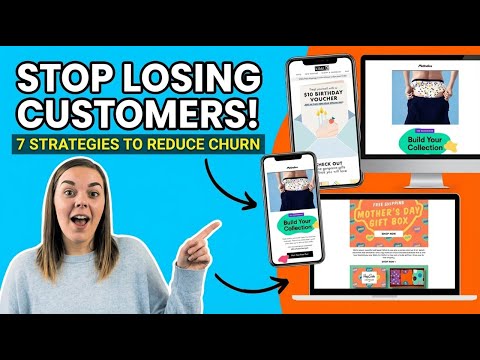
Ultimately, preventing churn in the first place is the most effective re-engagement strategy. High-quality customer service, an intuitive product experience, and proactively addressing customer pain points are fundamental. Re-engagement emails serve as a safety net, but a robust net is always better than a fraying one. You are effectively trying to rekindle a relationship, and like any relationship, consistent positive experiences are the foundation of longevity.
FAQs
What is customer churn and why is it important to reduce it?
Customer churn refers to the rate at which customers stop doing business with a company over a given period. Reducing churn is important because retaining existing customers is generally more cost-effective than acquiring new ones, and it helps maintain steady revenue and growth.
What are re-engagement email campaigns?
Re-engagement email campaigns are targeted email messages sent to inactive or disengaged customers with the goal of rekindling their interest and encouraging them to resume interaction or purchases with a brand.
How can re-engagement emails help reduce churn?
Re-engagement emails help reduce churn by reminding customers of the brand’s value, offering incentives or personalized content, and prompting them to take action, which can reactivate their engagement and loyalty.
What are some best practices for creating effective re-engagement email campaigns?
Best practices include segmenting inactive customers, personalizing email content, using compelling subject lines, providing clear calls to action, offering special promotions or discounts, and testing different approaches to optimize results.
How can the success of re-engagement email campaigns be measured?
Success can be measured by tracking metrics such as open rates, click-through rates, conversion rates, the number of customers reactivated, and ultimately the reduction in overall churn rate after the campaign.