


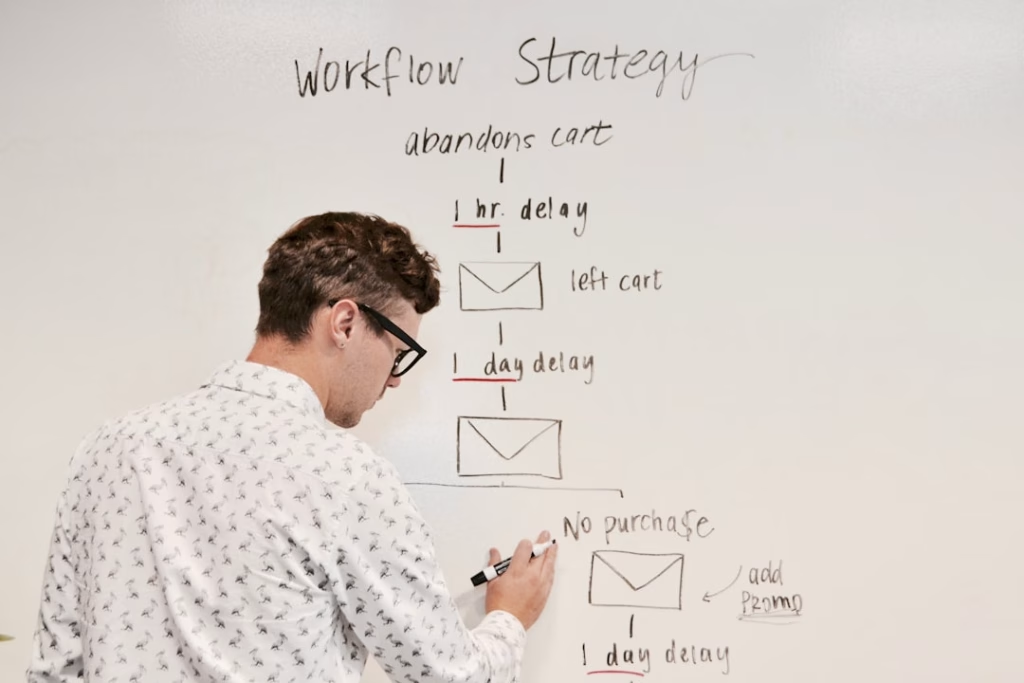
Welcome, fellow marketer! As the Listicle Content Architect, I’m here to guide you through the labyrinth of email campaign planning. You’ve got a product or service, you’ve got an audience (or you think you do), and you know email marketing is a powerful tool. But how do you go from a vague idea to a campaign that truly resonates, converts, and delights your subscribers? It’s not just about hitting “send.” It’s about strategic intention, meticulous planning, and a deep understanding of your audience. This isn’t about guesswork; it’s about building a robust framework that sets you up for success. We’re going to break down the essential tips for mastering email campaign planning, transforming your approach from reactive to profoundly proactive. Forget the hastily thrown-together newsletters; we’re talking about crafting experiences.
This listicle is your blueprint. We’ll delve into understanding your goals, segmenting your audience, crafting compelling content, optimizing delivery, and analyzing your performance. Each step is crucial, and by mastering them, you’ll elevate your email marketing from a mere communication channel to a powerful engine for growth and customer loyalty. So, grab your thinking cap, and let’s get started on building email campaigns that don’t just get opened, but get acted upon.
Before you even think about writing a single subject line, you must understand what you’re trying to achieve. Vague goals lead to vague results. Your objectives should be SMART: Specific, Measurable, Achievable, Relevant, and Time-bound. Without this clarity, you’re essentially sailing without a compass, hoping to land somewhere pleasant.
What’s the Ultimate “Why” Behind This Campaign?
- Clarify Your Primary Goal: Is it to drive sales for a new product? Increase event registrations? Nurture leads through the sales funnel? Boost brand awareness? Re-engage inactive subscribers? Each of these requires a different strategic approach. You can’t be all things to all people, and your campaign can’t aim for every outcome simultaneously. Pinpoint the one most important thing you want this campaign to accomplish.
- Establish Secondary Objectives: While a primary goal is essential, think about what other positive outcomes could arise. Perhaps driving sales is primary, but secondary objectives could include gathering customer feedback or increasing social media shares. These can inform your content and calls to action.
- Align with Overall Marketing and Business Goals: Your email campaign shouldn’t exist in a vacuum. How does it contribute to your broader marketing strategy? Does it support your company’s revenue targets? Does it help achieve your customer acquisition cost goals? Ensuring this alignment prevents isolated efforts and maximizes your impact.
Quantify Success: Setting Measurable Benchmarks
- Identify Key Performance Indicators (KPIs): What metrics will tell you if you’ve succeeded? For a sales campaign, think conversion rates, revenue generated per email, and average order value. For lead nurturing, it might be click-through rates to specific content, form submission rates, or progress through a defined customer journey. For engagement campaigns, focus on open rates, click-through rates, and unsubscribe rates.
- Set Specific Targets for Each KPI: Don’t just say “increase clicks.” Aim for a “15% increase in click-through rate compared to the previous quarter’s average.” This gives you a clear target to strive for and a definitive way to measure success. Consider industry benchmarks and your own historical data.
- Establish Timeframes for Achievement: When do you expect to see these results? Is it within a week of the campaign launch? By the end of the month? A defined timeframe creates urgency and allows for timely analysis and iteration.
Ensure Achievability and Relevance
- Assess Your Resources: Do you have the budget, team bandwidth, and technical capabilities to achieve your ambitious goals? Be realistic. Over-promising and under-delivering can be more damaging than not aiming high enough.
- Validate the Relevance to Your Audience: Would your subscribers actually be interested in what you’re offering? Does the campaign align with their known needs, pain points, or interests? A campaign that isn’t relevant will be ignored, regardless of how well-planned it is.
In addition to understanding the fundamentals of email campaign planning, marketers can enhance their strategies by exploring the art of creating compelling content. A related article titled “Crafting Engaging Content: The Art of Smart Spinning” offers valuable insights into how to generate captivating messages that resonate with audiences. For more information, you can read the article here: Crafting Engaging Content: The Art of Smart Spinning.
2. Know Your Audience Inside and Out: The Power of Segmentation
Sending the same email to everyone on your list is like shouting into a crowded room hoping to have a meaningful conversation with one specific person. It’s inefficient, often ignored, and can even alienate those who aren’t the intended recipient of that specific message. Segmentation is your secret weapon for delivering personalized, relevant experiences that drive engagement and conversions.
Understanding Your Subscriber Base
- Gather Comprehensive Data: What do you already know about your subscribers? This goes beyond just their email address. Think demographic information (age, location, gender, job title), psychographic information (interests, values, lifestyle), and behavioral data (past purchases, website activity, email engagement history, content preferences).
- Leverage Your CRM and Marketing Automation Tools: These platforms are goldmines for subscriber data. Ensure your tools are set up to capture and organize this information effectively. If you’re not using them to their full potential, you’re leaving valuable insights on the table.
- Conduct Surveys and Feedback Forms: Directly ask your subscribers what they’re interested in. This is a powerful way to gather qualitative data and show your audience you’re interested in their opinions. Offer incentives for participation.
Creating Meaningful Segments
- Demographic Segmentation: Divide your audience based on characteristics like age, gender, location, income, education, or job title. This is useful for tailoring offers and messaging. For example, a B2B software company might segment by industry and job title.
- Behavioral Segmentation: This is often the most powerful. Segment based on what your subscribers do.
- Purchase History: Segment by high-value customers, first-time buyers, product category purchasers, or those who haven’t purchased in a while.
- Engagement Level: Divide subscribers into highly engaged (frequent openers, clickers), moderately engaged, and inactive (low engagement, rarely open).
- Website Activity: Identify those who have browsed specific product pages, abandoned shopping carts, or downloaded certain resources.
- Interaction with Past Campaigns: Segment based on who clicked on specific links, responded to surveys, or participated in previous promotions.
- Psychographic Segmentation: Segment based on interests, values, lifestyle, personality traits, or attitudes. This is more nuanced but can lead to incredibly relevant content. For instance, an outdoor gear company might segment based on whether subscribers identify as “avid hikers” or “casual campers.”
- Life Cycle Stage Segmentation: Group subscribers based on where they are in their journey with your brand.
- New Subscribers: Welcome series, introductions to your brand.
- Active Customers: Loyalty programs, product updates, upsell opportunities.
- Lapsed Customers: Re-engagement campaigns, special offers.
- Leads: Educational content, nurturing sequences.
Putting Segmentation into Action for Your Campaign
- Tailor Your Content: Once you have your segments, create content that speaks directly to their specific needs and interests. A segment of new customers might receive a “getting started” guide, while a segment of loyal customers might get an exclusive early access to a new product.
- Personalize Your Messaging: Use merge tags to insert subscriber names, but go beyond that. Reference their past interactions, their known preferences, or their industry. “Hi [Name], we noticed you were interested in [Product Category]…”
- Optimize Your Offers: Different segments may respond to different types of offers. High-value customers might be motivated by exclusive discounts, while leads might be more interested in valuable content or a free trial.
- Refine Your Sending Schedule: Some segments might prefer daily updates, while others might want weekly or monthly. Understanding their preferences can improve engagement.
3. Crafting Content That Captivates and Converts
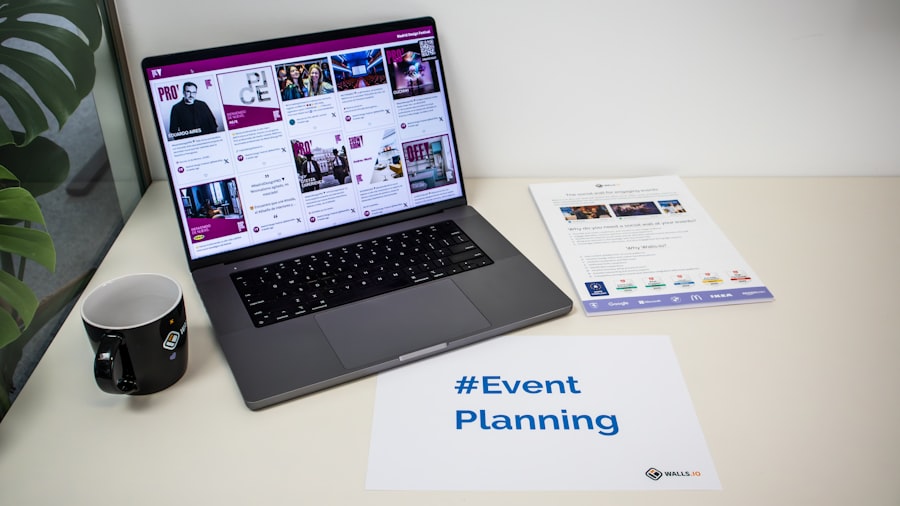

Content is king, and in email marketing, it’s the king calling the shots in your kingdom. It’s not just about what you say, but how you say it, how you present it, and how it aligns with the subscriber’s journey and your campaign objectives. Think of your email content as a curated experience designed to guide the reader toward your desired outcome.
The Anatomy of a Compelling Email
- The Subject Line: Your First and Foremost Impression: This is your gatekeeper.
- Clarity and Conciseness: Subscribers should know what the email is about at a glance.
- Intrigue and Curiosity: Spark interest without being misleading.
- Personalization (When Appropriate): Using a name or referencing a shared interest can boost opens.
- Urgency or Scarcity (Used Wisely): Limited-time offers or stock alerts can drive action.
- A/B Test Ruthlessly: Experiment with different subject lines to see what resonates best with your audience. You’ll be amazed at the difference a few word changes can make.
- The Preview Text: Extend Your Subject Line’s Reach: This short snippet appears next to or below your subject line in most inboxes. Use it to provide more context, elaborate on the subject line’s promise, or offer a compelling hook. Don’t let it go to waste by defaulting to something generic or uninformative.
- The Body Copy: Value, Value, Value:
- Focus on Benefits, Not Just Features: Instead of saying “Our new software has X feature,” say “Our new software helps you save 5 hours a week on tedious tasks.” How does it solve their problem or improve their life?
- Keep it Concise and Scannable: Most people skim emails. Use short paragraphs, bullet points, and bold text to highlight key information. Imagine your reader has 10 seconds to decide if your email is worth their time.
- Maintain a Consistent Brand Voice: Your emails should sound like they come from your brand – whether that’s professional, friendly, witty, or informative.
- Tell a Story: People connect with narratives. Weave a story into your email that highlights a customer success, the origin of your product, or the impact of your solution.
- Use High-Quality Visuals Strategically: Images, GIFs, or even short videos can break up text, illustrate points, and make your email more engaging. Ensure they are relevant and don’t slow down loading times.
Crafting a Clear and Powerful Call to Action (CTA)
- Make it Obvious and Unmissable: Your CTA should stand out visually. Use contrasting colors for buttons, clear button text, and adequate white space around it.
- Be Specific About What Happens Next: Instead of “Click Here,” use action-oriented phrases like “Shop Now,” “Download Your Free Guide,” “Register for the Webinar,” or “Learn More.” The subscriber should know precisely what to expect when they click.
- Place CTAs Strategically: Don’t hide your CTA at the very bottom of a long email. Ensure it’s visible early on, and consider repeating it (with slight variations) if your email is longer.
- Align CTAs with Campaign Objectives: If your goal is sales, your CTA should lead directly to a purchase page. If it’s lead generation, it should lead to a content download or signup form.
Building Different Types of Engaging Content
- Promotional Emails: These are designed to drive sales or encourage specific actions. They need to be compelling, offer a clear value proposition, and have a strong, clear CTA.
- Informational/Educational Emails: These build authority and trust by providing valuable insights, tips, or how-to guides. They aim to nurture leads and keep subscribers engaged without a direct sales pitch.
- Transactional Emails: These are triggered by specific user actions (e.g., order confirmations, shipping notifications, password resets). While functional, they are a prime opportunity to reinforce brand messaging, offer related products, or encourage reviews.
- Nurturing Sequences: A series of emails designed to guide prospects through the buyer’s journey, gradually educating them and building a relationship. Each email in the sequence should build upon the last.
4. Optimize for Delivery: Getting Your Emails Seen and Opened
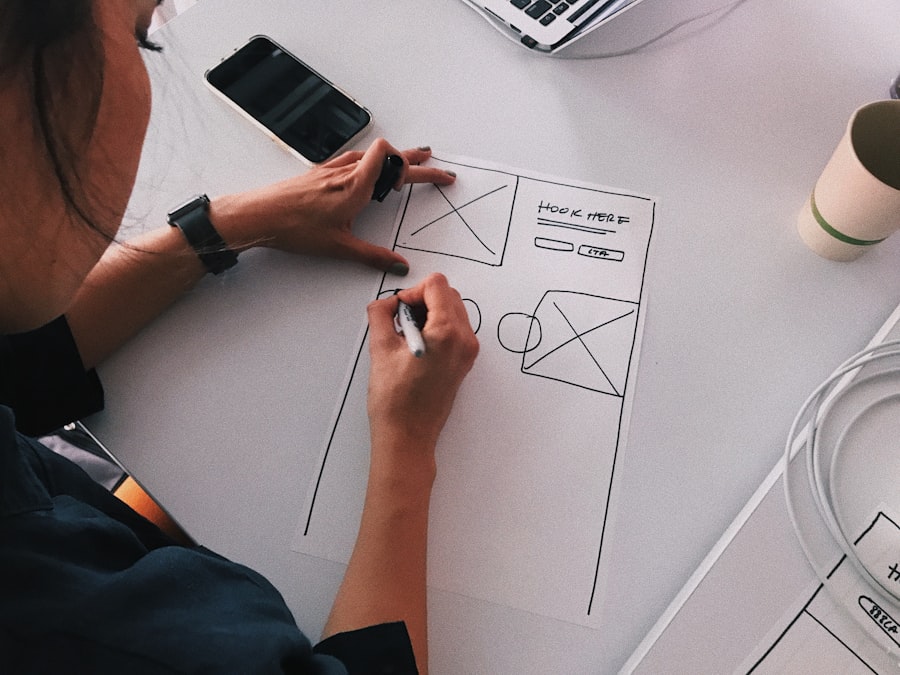

You’ve planned meticulously, you’ve crafted compelling content, but what if your emails never even reach your subscribers’ inboxes? Or worse, what if they land directly in the dreaded spam folder? This is where deliverability becomes paramount. It’s the technical backbone that ensures your efforts aren’t in vain.
Building and Maintaining a Healthy Sender Reputation
- Authenticate Your Domain: Implement Sender Policy Framework (SPF), DomainKeys Identified Mail (DKIM), and Domain-based Message Authentication, Reporting & Conformance (DMARC). These are technical protocols that verify your email’s legitimacy and prevent spoofing, significantly increasing your chances of getting past spam filters. Your email service provider (ESP) will have guides on how to set these up.
- Maintain a Clean Email List: This is non-negotiable.
- Remove Bounced Emails: Hard bounces (invalid email addresses) and consistent soft bounces (temporary issues) must be removed promptly. Continuously sending to invalid addresses signals to ISPs that you have a low-quality list.
- Manage Inactive Subscribers: If a significant portion of your list hasn’t interacted with your emails in months, consider them inactive. You can try a re-engagement campaign, but if that fails, it’s often better to remove them. High inactivity rates can hurt your sender reputation.
- Honor Unsubscribe Requests Immediately: This is not only a legal requirement (like GDPR and CAN-SPAM) but also crucial for maintaining good standing. A prominent and functional unsubscribe link is essential.
- Obtain Explicit Consent (Opt-In): Only email people who have actively subscribed to your list. Double opt-in (where subscribers confirm their subscription via a link in an initial email) is the gold standard for list quality and engagement.
- Monitor Your Sender Score: Several services provide a “sender score” that ISPs use to assess your reputation. Keeping tabs on this can give you early warnings of potential problems.
Designing for Inbox Placement
- Avoid Spam Trigger Words and Phrases: Certain words and phrases are commonly used in spam. While not every occurrence will guarantee a spam filter catch, it’s wise to be mindful. Words like “free,” “urgent,” “discount,” “winner,” “cash,” “guarantee,” and excessive use of exclamation marks or ALL CAPS can raise red flags. Use them sparingly and in natural contexts.
- Structure Your Emails Properly:
- Clean HTML: Use well-formed and valid HTML. Messy code can be a spam indicator.
- Balanced Text-to-Image Ratio: Over-reliance on images, especially with minimal text, can be a spam trigger because spam filters cannot “read” images to assess content. Ensure your emails have a good balance and that essential information is in text form.
- Mobile Responsiveness: Most emails are now opened on mobile devices. If your email doesn’t render correctly on a smaller screen, subscribers will likely abandon it, leading to poor engagement metrics which can impact deliverability.
- Segment Your Sending: Sending large volumes of emails to a single IP address or domain at once can sometimes trigger spam filters. Consider segmenting your sends within a large campaign.
- Warm Up New IP Addresses: If you’re using a new dedicated IP address, don’t immediately send massive campaigns. Gradually increase your sending volume to build a positive reputation.
Testing and Deployment Strategies
- Pre-Send Testing: Use tools like Litmus or Email on Acid to preview your email across a wide range of email clients and devices. This ensures your design renders correctly and highlights any potential spam filter issues before you send.
- Phased Rollouts: For very large campaigns, consider sending to a small portion of your list first, monitoring engagement and deliverability, and then gradually rolling out to the rest.
- Time Your Sends Strategically: While not solely a deliverability tactic, sending when your audience is most likely to engage can improve open rates and reduce the chances of an email being marked as spam due to inactivity. Analyze your data to find these optimal times.
In the realm of email marketing, understanding the intricacies of campaign planning is essential for success. A great resource that complements the insights found in “Email Campaign Planning Fundamentals Every Marketer Should Know” is an article on migrating from Mailchimp to Smartmails. This piece provides valuable guidance on how to keep your data intact during the transition, ensuring that your email strategies remain effective. You can read more about this important topic in the article here.
5. Analyze, Iterate, and Optimize for Continuous Improvement
| Key Fundamentals | Details |
|---|---|
| Target Audience | Identify the specific audience for the campaign |
| Goals | Set clear objectives for the campaign |
| Content Strategy | Plan the type of content to be included in the emails |
| Timing | Determine the best time to send the emails |
| Metrics | Define the key performance indicators to measure the success of the campaign |
The campaign is live, emails are being sent, and hopefully, they’re landing and being opened. But your job isn’t finished. This is where the real magic of marketing happens: you learn, you adapt, and you get better with every single campaign. Without analysis, you’re reinventing the wheel every time.
Tracking Your Key Performance Indicators (KPIs)
- Open Rates: The percentage of recipients who opened your email. This is an indicator of subject line effectiveness and sender recognition.
- Click-Through Rates (CTR): The percentage of recipients who clicked on a link within your email. This measures the effectiveness of your content and your calls to action.
- Conversion Rates: The percentage of recipients who completed a desired action (e.g., made a purchase, downloaded a resource) after clicking a link in your email. This is the ultimate measure of campaign success against your objectives.
- Unsubscribe Rates: The percentage of recipients who unsubscribed from your list. A high rate can indicate poor targeting, irrelevant content, or sending too frequently.
- Bounce Rates: The percentage of emails that couldn’t be delivered. Monitor hard bounces (permanent failures) and soft bounces (temporary failures).
- Spam Complaint Rates: The percentage of recipients who marked your email as spam. This is a critical metric that severely impacts your sender reputation.
Deep-Diving into Your Data
- Segment Performance Analysis: Don’t just look at overall campaign performance. Analyze how different segments performed. Did one segment engage more than another? Why? This informs future segmentation strategies.
- A/B Test Results Review: If you ran A/B tests on subject lines, CTAs, or content, meticulously review the results. What worked best? Why? Document these findings for future campaigns.
- Link Tracking Analysis: Which links were clicked the most? This tells you what content or offers your audience found most compelling. It can also highlight underperforming CTAs or content.
- Device and Client Performance: See how your emails performed across different devices (desktop, mobile, tablet) and email clients (Gmail, Outlook, Apple Mail). This is crucial for ensuring your design is universally effective.
Iterative Improvement: The Cycle of Optimization
- Identify Drop-Off Points in the Funnel: Where are subscribers falling out of your campaign? Are they not opening emails? Clicking but not converting? Use your data to pinpoint these bottlenecks.
- Refine Your Content Strategy: Based on engagement patterns, adjust your content. If educational content drives more engagement than promotional emails, lean into that. If a certain tone resonates more, adopt it.
- Optimize Your Segmentation: If a particular segment consistently underperforms, re-evaluate your assumptions about their needs or the way you’ve targeted them. Or, if a segment overperforms, consider creating more targeted campaigns for them.
- Improve Your CTAs: Experiment with different CTA wording, button colors, and placement. Small tweaks can have a significant impact on conversion rates.
- Review Your Sending Frequency and Cadence: Are you sending too often, leading to fatigue and unsubscribes? Or not often enough, causing subscribers to forget about you? Data on engagement and unsubscribe rates will guide this decision.
- Integrate Feedback Loops: Use customer service feedback, social media comments, and direct replies to your emails to understand subscriber sentiment and identify areas for improvement.
Mastering email campaign planning isn’t a destination; it’s a continuous journey. By diligently defining your goals, deeply understanding your audience, crafting captivating content, ensuring robust delivery, and committing to relentless analysis and iteration, you’ll transform your email marketing from a chore into a powerhouse of customer connection and business growth. Each campaign you execute will be a stepping stone to more impactful, more resonant, and ultimately, more successful communication. Keep learning, keep testing, and keep delighting your subscribers.
FAQs
What are the key components of an email campaign?
The key components of an email campaign include defining the campaign goals, identifying the target audience, creating compelling content, designing visually appealing emails, and measuring the campaign’s success through analytics.
How can marketers effectively segment their email lists?
Marketers can effectively segment their email lists by using criteria such as demographics, purchase history, engagement level, and interests. This allows for more personalized and targeted messaging to different segments of the audience.
What are some best practices for creating engaging email content?
Some best practices for creating engaging email content include using attention-grabbing subject lines, personalizing the content, including a clear call-to-action, optimizing for mobile devices, and testing different elements to see what resonates with the audience.
What role does timing play in email campaign planning?
Timing plays a crucial role in email campaign planning as sending emails at the right time can significantly impact open and click-through rates. Marketers should consider factors such as the time of day, day of the week, and the recipient’s time zone when scheduling email sends.
How can marketers measure the success of their email campaigns?
Marketers can measure the success of their email campaigns by tracking metrics such as open rates, click-through rates, conversion rates, unsubscribe rates, and overall ROI. Additionally, A/B testing can help identify which elements of the campaign are most effective.