


You’re building a business, pouring your heart and soul into it. You’ve got a fantastic product or service, a clear vision, and you’re ready to connect with the world. But how do you move beyond that initial spark of interest and forge lasting relationships with your customers? How do you turn browsers into buyers, and buyers into loyal advocates? The answer, surprisingly often, lies in a channel you might overlook: email marketing. It’s not just about sending out promotions; it’s a powerful tool for building, nurturing, and ultimately, solidifying customer trust.
You might be thinking, “Email? Isn’t that a bit old school?” While social media buzzes and new platforms emerge, email remains a direct, personal, and often revered channel. When done right, it’s a conversation, not a broadcast. It’s where you can show genuine care, offer valuable insights, and demonstrate your commitment to your customers’ success. This isn’t just about selling more; it’s about building a foundation of trust that will weather any storm and drive sustainable growth. Let’s dive into how you can master this art.
You wouldn’t barge into someone’s home without an invitation, would you? The same principle applies to your email marketing. Forcing your message onto unwilling recipients is not only ineffective but actively erodes trust. Building trust begins with a clear understanding and respect for your audience’s consent. This isn’t a bureaucratic hurdle; it’s the bedrock upon which all future communication will stand.
The Power of Explicit Opt-In
In the digital realm, consent is paramount. This means you need to actively seek permission from individuals before adding them to your email list. This is often referred to as “opt-in” marketing.
Double Opt-In: The Gold Standard
While a single opt-in (where a user checks a box to subscribe) is good, a double opt-in is even better. Once someone subscribes through a form on your website, they receive a confirmation email asking them to click a link to verify their subscription. This extra step proves their genuine interest and dramatically reduces the chance of bot sign-ups or accidental subscriptions. It’s a clear signal that they want to hear from you.
Benefits for You:
- Higher Quality Leads: You’re reaching people who have explicitly stated their interest, meaning they’re more likely to engage with your content and offers.
- Reduced Bounce Rates: Fewer invalid email addresses mean a cleaner list and better deliverability.
- Improved Sender Reputation: Email service providers (ESPs) look favorably upon accounts with low bounce and unsubscribe rates, which contributes to your emails actually reaching inboxes.
Benefits for Your Customers:
- Control: They have the power to decide if they truly want to be on your list.
- Relevance: They are more likely to receive content they are interested in.
- Privacy: They know their email address is being used intentionally.
Clear and Honest Communication at the Sign-Up
When you ask for someone’s email address, be transparent. What will they receive? How often? What kind of content can they expect? Vague promises will breed disappointment.
Setting Expectations:
- Content Clarity: Are you sending newsletters, product updates, exclusive deals, or a mix of everything? State it plainly.
- Frequency: Daily, weekly, monthly? Give them an idea, even if it’s a range.
- Value Proposition: What’s in it for them? Highlight the benefits of subscribing. Is it early access to sales, exclusive content, valuable tips, or a community forum?
Easy Unsubscribe Options: Respecting Their Choice
Just as you want them to feel welcomed, you want them to feel empowered to leave if they choose. A difficult-to-find or intentionally complicated unsubscribe process is a sure way to damage trust.
Making it Simple:
- Prominent Placement: The unsubscribe link should be clearly visible in the footer of every email.
- One-Click (or Few Clicks): The process should be straightforward and not require them to log into an account or answer a barrage of questions.
- No Guilt Trips: Avoid language that makes them feel bad for unsubscribing. A simple “We’re sad to see you go, but we hope to see you again soon!” is far more professional and less off-putting.
In the realm of email marketing, businesses are continually seeking innovative strategies to enhance customer trust and engagement. A related article that delves into the effectiveness of email marketing is titled “Proving Email ROI with Data-Driven Split Testing.” This article discusses how businesses can leverage split testing to optimize their email campaigns, ultimately leading to improved customer relationships and trust. For more insights, you can read the article here: Proving Email ROI with Data-Driven Split Testing.
Delivering Value Beyond the Sale
Trust isn’t built on transactions alone; it’s nurtured through consistent value. Your email marketing should aim to educate, entertain, or solve problems for your audience, rather than solely pushing products. Think of yourself as a helpful resource, a trusted advisor.
Educational Content: Becoming a Knowledge Hub
Position yourself as an expert in your field. Share your knowledge generously. This not only helps your audience but also establishes your authority and credibility.
How-To Guides and Tutorials:
- Solve Problems: Create content that directly addresses common pain points for your target audience. If you sell gardening supplies, offer guides on pest control or seasonal planting.
- Step-by-Step Instructions: Make complex topics easy to understand with clear, actionable steps. Use visuals (images, GIFs, embedded videos) to enhance comprehension.
- Demonstrate Expertise: This showcases your deep understanding of your products or services and how they can benefit your customers.
Industry Insights and Trends:
- Stay Ahead of the Curve: Share your perspective on emerging trends and what they mean for your audience. This positions you as a forward-thinker.
- Curated Content: If you come across valuable articles or research from other reputable sources, curate them and share with your subscribers, adding your own commentary. This saves them time and shows you’re looking out for their best interests.
- Predictive Analysis: If appropriate for your industry, offer predictions or insights into what the future holds, giving your subscribers an edge.
Entertaining Content: Making Your Brand Memorable
Not every email needs to be an information dump. Injecting a bit of personality and fun can make your brand more relatable and memorable.
Behind-the-Scenes Glimpses:
- Humanize Your Brand: Show the people behind the products. Introduce your team, share your company culture, or highlight a day in the life at your business.
- Build Connection: This fosters a sense of familiarity and makes your brand feel more approachable and trustworthy.
- Storytelling: Share the origin story of your company or a particular product. People connect with narratives.
Engaging Stories and Anecdotes:
- Relatable Experiences: Share customer success stories (with their permission, of course!) or anecdotes that resonate with your audience’s experiences.
- Humor (When Appropriate): If your brand voice allows, a well-placed joke or a lighthearted observation can go a long way in building rapport.
- Interactive Content: Quizzes, polls, or contests can boost engagement and make your emails enjoyable to receive.
Problem-Solving and Support: Being a Reliable Partner
Your customers will inevitably encounter challenges. Your email communication should offer solutions and demonstrate your commitment to their satisfaction.
Proactive Support and FAQs:
- Anticipate Questions: Based on common customer inquiries, create email content that answers these questions before they’re even asked.
- Resource Links: Direct subscribers to helpful resources like your knowledge base, FAQ pages, or customer support contact information.
- Troubleshooting Tips: Offer practical advice for common issues your customers might face with your product or service.
Exclusive Offers and Loyalty Programs:
- Rewarding Loyalty: Show appreciation for your existing customers with exclusive discounts, early access to new products, or special bundles.
- Create a Sense of Belonging: Loyalty programs make customers feel valued and part of an inner circle.
- Personalized Recommendations: Based on past purchases or browsing behavior, suggest relevant products or services that will genuinely benefit them.
Personalization: Speaking Directly to the Individual


In today’s crowded inbox, generic blasts are easily ignored. Personalization is key to making your emails stand out and feel like a genuine conversation. It shows you know your customers and care about their specific needs.
Segmenting Your Audience: Intelligence is Key
You can’t personalize effectively if you don’t understand who you’re talking to. Audience segmentation is the strategic process of dividing your email list into smaller groups based on shared characteristics.
Demographics: The Basics
- Age, Gender, Location: These can influence purchasing behavior and content preferences. A young urban professional likely has different needs than a retired retiree in a rural area.
- Job Title/Industry: Crucial for B2B businesses, this helps tailor content to professional roles and challenges.
Psychographics: Deeper Insights
- Interests and Hobbies: This allows for highly targeted content relevant to their passions.
- Values and Beliefs: Aligning your brand’s values with theirs can build strong emotional connections.
- Lifestyle: Understanding their daily routines and consumption habits can inform your messaging.
Behavioral Data: What They Do
- Purchase History: This is gold! Recommend products similar to past purchases or complementary items.
- Website Activity: Segment based on pages visited, content downloaded, or items added to their cart.
- Engagement Levels: Separate active subscribers from those who haven’t opened emails in a while. This can inform re-engagement campaigns.
Using Custom Fields: Beyond the First Name
While greeting someone by their first name is a good start, true personalization goes deeper. Custom fields allow you to pull in specific data points for each subscriber.
Dynamic Content: Tailoring the Message
- Product Recommendations: Display products based on past purchases or browsing history.
- Service Customization: If you offer different service tiers, show information relevant to their current plan.
- Location-Specific Offers: Highlight local events or promotions if you have a physical presence.
Personalized Offers and Discounts:
- Birthday or Anniversary Discounts: A classic but effective way to make someone feel special.
- Re-engagement Offers: For inactive subscribers, a special discount can incentivize them to return.
- Tiered Discounts: Offer increasing discounts based on loyalty or purchase volume.
Personalizing the Customer Journey: Guiding Them Every Step of the Way
Think of your customer journey as a path. Your emails should be like helpful signposts, guiding them from one stage to the next.
Welcome Series: The Crucial First Impression
- Introduce Your Brand: Reiterate your mission and values.
- Set Expectations: Remind them what they signed up for and what they can expect.
- Offer an Incentive: A small discount or a valuable freebie can encourage immediate engagement.
- Educate on Key Features: Gently introduce them to your core offerings.
Post-Purchase Follow-Ups: Ensuring Satisfaction and Encouraging Repeat Business
- Thank You and Confirmation: A simple thank you goes a long way.
- Order Tracking Information: Make it easy for them to know when their order will arrive.
- Usage Tips or Guides: Help them get the most out of their new purchase.
- Request for Feedback: Once they’ve had time to use the product, politely ask for a review or feedback.
Abandoned Cart Reminders: A Gentle Nudge
- Remind Them of What They Liked: Show them the items they left behind.
- Address Potential Concerns: Offer assistance, answer questions, or highlight a limited-time offer to encourage completion.
- Create Urgency (Subtly): Mention low stock or limited availability if applicable.
Consistent and Professional Branding: Building an Unforgettable Identity
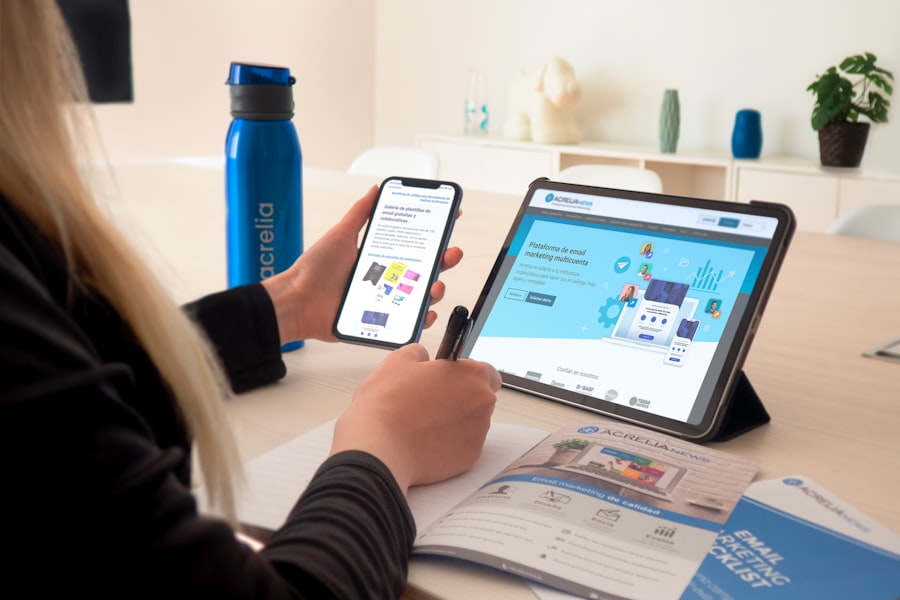
Your brand is more than just a logo; it’s the entire experience you provide. Your email marketing should reflect your brand’s visual identity, tone of voice, and core values consistently. This builds recognition, familiarity, and ultimately, trust.
Visual Consistency: The Look and Feel of Your Brand
Your emails should be instantly recognizable as coming from you. This visual consistency reinforces your brand and makes your communications feel professional and reliable.
Using Your Brand Elements:
- Logo: Always include your logo, prominently displayed, but not overpowering.
- Color Palette: Stick to your brand’s approved color scheme. Use them judiciously to highlight important information or calls to action.
- Typography: Use your brand fonts consistently. Ensure they are legible on all devices.
High-Quality Images and Graphics:
- Professional Photography: Use high-resolution images that are relevant to your content and brand aesthetic.
- Brand-Aligned Graphics: Any custom graphics or illustrations should fit seamlessly with your overall brand style.
- Avoid Clutter: Don’t overload your emails with too many images, which can impact loading times and dilute your message.
Tone of Voice: Speaking Your Brand’s Language
Your brand’s tone of voice is the personality that comes through in your writing. Is it friendly and approachable, professional and authoritative, or witty and playful? Maintaining this consistency is crucial.
Developing a Brand Voice Guide:
- Define Your Personality: What adjectives describe your brand? (e.g., helpful, innovative, sophisticated, fun).
- Establish Your Language: Are contractions acceptable? What level of formality is appropriate?
- Provide Examples: Show, don’t just tell. Include examples of good and bad copy.
Maintaining Consistency Across All Emails:
- Review and Edit: Have a clear editing process to ensure all emails reflect the established voice.
- Train Your Team: If multiple people are involved in email creation, ensure everyone understands and adheres to the tone of voice.
- Consider Your Audience: While maintaining your brand voice, subtly adapt it to resonate with specific audience segments.
Professional Design and Layout: Making Emails Easy to Digest
A well-designed email is not just aesthetically pleasing; it’s functional. It guides the reader’s eye and makes information easy to find and understand.
Mobile Responsiveness: A Non-Negotiable
- Adaptability: Your emails must look good and function perfectly on smartphones, tablets, and desktops. Most people check email on their phones.
- Single-Column Layouts: These generally translate best across devices.
- Legible Font Sizes: Ensure text is readable without pinching or zooming.
Clear Call to Actions (CTAs): Guiding Next Steps
- Prominent Buttons: Use visually distinct buttons for your main CTAs.
- Action-Oriented Language: Use verbs that encourage immediate action (e.g., “Shop Now,” “Learn More,” “Download Free Guide”).
- Singular Focus: Ideally, each email should have one primary CTA to avoid overwhelming the reader.
In the ever-evolving landscape of digital marketing, businesses are increasingly turning to email marketing as a powerful tool to strengthen customer trust. By delivering personalized content and engaging with customers on a more intimate level, companies can foster loyalty and build lasting relationships. For those looking to enhance their marketing strategies further, exploring the use of multi-step forms and conditional logic can be beneficial. You can read more about this innovative approach in the article on mastering these techniques, which can complement your email marketing efforts effectively. Check it out here.
Building Long-Term Relationships: Nurturing Loyalty
| Metrics | Data |
|---|---|
| Email Open Rate | 20% |
| Click-Through Rate | 5% |
| Conversion Rate | 3% |
| Customer Feedback | Positive |
| Customer Retention | 80% |
Your goal isn’t just to make a sale; it’s to cultivate a loyal customer base. Email marketing is your most powerful tool for fostering these long-term relationships, transforming one-time buyers into lifelong fans.
Gathering Feedback and Acting On It: Listening to Your Customers
The most trustworthy brands are those that actively listen to and value their customers’ opinions. Email is a direct conduit for this feedback.
Surveys and Feedback Forms:
- Keep Them Concise: Respect your subscribers’ time. Short, focused surveys yield better results.
- Ask Specific Questions: Instead of broad inquiries, ask about their experience with a specific product or service.
- Offer Incentives: A small discount or entry into a prize draw can increase participation.
Analyzing Feedback and Making Improvements:
- Identify Trends: Look for recurring themes or common pain points.
- Communicate Changes: Let your subscribers know when you’ve made changes based on their feedback. This demonstrates you’re listening and taking action, which builds immense trust.
- Show Appreciation: Thank them for their input, even if you can’t implement every suggestion.
Building Community: Connecting Your Customers
Encourage your customers to connect with each other and with your brand. Email marketing can be a catalyst for this.
Featuring User-Generated Content:
- Showcase Customer Stories: Share testimonials, photos, or videos from satisfied customers (always with permission).
- Run Contests and Challenges: Encourage customers to share their experiences using your products.
- Build Social Proof: This demonstrates that real people love what you offer.
Creating Exclusive Groups or Forums:
- Private Facebook Groups: A great place for customers to ask questions, share tips, and connect with each other.
- Dedicated Community Platforms: If your business model supports it, consider a dedicated forum on your website.
- Email Invites: Use your email list to invite subscribers to join these exclusive communities.
Re-engagement Campaigns: Bringing Lapsed Customers Back
Not everyone will remain an active subscriber forever. When a subscriber becomes disengaged, a strategic re-engagement campaign can be a gentle way to win them back.
Identifying Inactive Subscribers:
- Set Criteria: Define what “inactive” means for your business (e.g., hasn’t opened an email in 90 days).
- Segment Them: Create a dedicated list for these subscribers.
Crafting Compelling Re-engagement Emails:
- Remind Them of Value: Gently remind them of the benefits of being subscribed.
- Offer a Special Incentive: A significant discount or exclusive offer can be a strong motivator.
- Ask for Feedback: Inquire why they’ve become inactive and what you can do better.
- Provide an Easy Opt-Out: Make it easy for them to unsubscribe if they truly no longer wish to receive emails.
The Power of a Win-Back Campaign:
- Series of Emails: Don’t rely on just one email. A short series can be more effective.
- Clear Call to Action: Make it obvious what you want them to do (e.g., update preferences, make a purchase).
- Last Chance to Stay: Inform them that if they don’t re-engage, you’ll be removing them from your active list to ensure they only receive relevant communications.
Building customer trust through email marketing is not a one-time project; it’s an ongoing commitment. By focusing on permission, delivering genuine value, personalizing your approach, maintaining consistent branding, and nurturing long-term relationships, you’ll transform your email list from a marketing tool into a community of loyal, engaged, and trusting customers. This dedication to your audience will be the bedrock of your enduring success.
FAQs
What is email marketing?
Email marketing is a digital marketing strategy that involves sending promotional messages, updates, and information to a group of people via email. It is commonly used by businesses to engage with their customers, promote products or services, and build brand awareness.
How do businesses use email marketing to strengthen customer trust?
Businesses use email marketing to strengthen customer trust by providing valuable and relevant content, personalized recommendations, and exclusive offers. By consistently delivering helpful and informative content, businesses can establish themselves as a trusted source and build a strong relationship with their customers.
What are the benefits of using email marketing for businesses?
Some benefits of using email marketing for businesses include reaching a large audience, increasing brand awareness, driving website traffic, and generating leads. Email marketing also allows businesses to track and measure their campaign performance, making it easier to optimize their strategies for better results.
How can businesses personalize their email marketing efforts?
Businesses can personalize their email marketing efforts by segmenting their email lists based on customer behavior, preferences, and demographics. They can also use personalization techniques such as addressing recipients by their name, recommending products based on their past purchases, and sending targeted content that resonates with their interests.
What are some best practices for businesses to follow when using email marketing?
Some best practices for businesses to follow when using email marketing include obtaining permission before sending emails, creating mobile-friendly designs, testing different subject lines and content, and maintaining a consistent sending schedule. It’s also important for businesses to comply with email marketing regulations, such as including an unsubscribe option and honoring opt-out requests.