


This is your guide to mastering customer lifecycle email marketing. Forget generic blasts; we’re talking about sending the right message to the right person at the right time. It’s about building relationships, fostering loyalty, and ultimately, driving more revenue. You’ve got a business, you have customers, and now you’re going to learn how to nurture those relationships through the power of targeted emails.
Before you even think about crafting an email, you need to understand where your customer is in their journey with you. Think of it as a map. Each stage represents a different need, a different motivation, and therefore, a different type of communication that will resonate. Ignoring these stages is like sending a gift to a stranger – it might be nice, but it won’t have the impact it could if you knew their preferences.
Defining the Stages: From Stranger to Advocate
The customer lifecycle isn’t a static thing; it’s a dynamic process. While the exact terminology might vary slightly between businesses, the core stages are generally consistent. Recognizing these allows you to segment your audience and tailor your messaging accordingly.
1. Awareness: The Spark of Interest
This is where you first encounter a potential customer. They might have stumbled upon your website, seen an ad, or heard about you from a friend. They’re curious, but they don’t know you well yet. Your goal here is to introduce yourself, highlight your value proposition, and make them aware of the problem you can solve.
- What do they need? Information, education, to understand if you’re a good fit.
- What’s your goal? Capture their attention, build initial trust, encourage them to learn more.
- Typical touchpoints: Blog posts, social media, paid ads, introductory webinars.
2. Consideration: Weighing Their Options
Now that they know about you, they’re actively considering whether to choose you over competitors. They’re comparing features, pricing, and looking for social proof. You need to demonstrate why you’re the best choice, addressing their potential concerns and reinforcing your unique selling points.
- What do they need? Detailed information, comparisons, testimonials, case studies, a clear understanding of benefits.
- What’s your goal? Convince them of your value, overcome objections, guide them towards a decision.
- Typical touchpoints: Product pages, comparison guides, free trials, demo requests, customer reviews.
3. Decision: The “Yes” Moment
This is the crucial stage where they decide to make a purchase or sign up for your service. Your emails should be about making this process as smooth and appealing as possible. Think about reducing friction, offering incentives, and reinforcing their choice.
- What do they need? Clear calls to action, seamless checkout process, reassurance, perhaps a nudge.
- What’s your goal? Facilitate the conversion, reduce cart abandonment, make them feel confident in their purchase.
- Typical touchpoints: Cart abandonment emails, special offers for first-time buyers, pricing pages, checkout confirmation.
4. Retention: Keeping Them Coming Back
Congratulations, you’ve acquired a customer! But the journey doesn’t end here. The retention phase is all about keeping them happy, engaged, and coming back for more. Loyal customers are your most valuable asset, so nurturing this relationship is paramount.
- What do they need? Ongoing value, excellent customer service, relevant updates, a sense of belonging.
- What’s your goal? Build loyalty, increase customer lifetime value, prevent churn.
- Typical touchpoints: Onboarding emails, welcome sequences, usage tips, loyalty programs, educational content.
5. Advocacy: Turning Customers into Fans
This is the pinnacle of the customer lifecycle. Your customers are not only happy but are actively recommending you to others. They’re your brand champions, your evangelists. Leveraging this stage can lead to powerful organic growth.
- What do they need? Opportunities to share their positive experiences, recognition, exclusive perks.
- What’s your goal? Encourage referrals, gather testimonials, build a community of brand advocates.
- Typical touchpoints: Referral programs, requests for reviews, user-generated content campaigns, exclusive community access.
For those looking to deepen their understanding of email marketing strategies, a related article titled “Automating Your News Digest Newsletter with the Curator Economy” provides valuable insights into how automation can enhance your email campaigns. You can read it here: Automating Your News Digest Newsletter with the Curator Economy. This resource complements the “Beginner Guide to Customer Lifecycle Email Marketing” by offering practical tips on creating engaging newsletters that resonate with your audience.
The Power of Segmentation: Talking to Individuals, Not Crowds
Once you understand the lifecycle, the next critical step is segmentation. Trying to send the same email to someone who’s just discovered your brand and someone who’s been a loyal customer for years is a recipe for disengagement. Segmentation allows you to personalize your communication, making it more relevant and impactful.
Why Segmentation is Non-Negotiable
Think about it like this: if you were having a conversation with someone, you wouldn’t start by telling them about something they already know well or asking them about something they’ve never encountered. You’d tailor your conversation to their level of understanding and interest. Email marketing should be no different.
Breaking Down Your Audience: More Than Just Demographics
While demographics like age and location are a starting point, true segmentation goes much deeper. You want to understand their behavior, their interests, and their stage in the customer lifecycle.
Behavioral Segmentation: What They Do Matters Most
This is where you look at how your customers interact with your brand.
- Purchase History: Have they bought a specific product? How frequently? How much do they spend? This is gold for cross-selling and upselling.
- Website Activity: What pages have they visited? What content have they downloaded? What items have they viewed? This reveals their immediate interests.
- Email Engagement: Which emails have they opened? Which links have they clicked? This tells you what kind of content they respond to.
- App Usage (if applicable): Which features do they use? How often do they log in? What are their in-app actions?
Lifecycle Stage Segmentation: Already Covered, But Essential to Reiterate
This is the foundation. Grouping customers by where they are in their journey is the primary driver of relevant communication.
Interest-Based Segmentation: What Captures Their Attention
Beyond what they do, what are they interested in?
- Content Preferences: Do they prefer blog posts, videos, case studies, or product demos?
- Product/Service Categories: Are they interested in a particular line of products or a specific service offering?
- Industry/Niche: If you cater to different industries, segmenting by that can be highly effective.
Psychographic Segmentation: Understanding Their Motivations
This is more about the “why” behind their actions.
- Pain Points: What problems are they trying to solve? Your emails should directly address these.
- Values: What’s important to them? Aligning your brand with their values can build strong connections.
- Goals: What are they trying to achieve? Help them reach their goals by providing relevant solutions.
Designing Your Lifecycle Email Streams: Automated Excellence
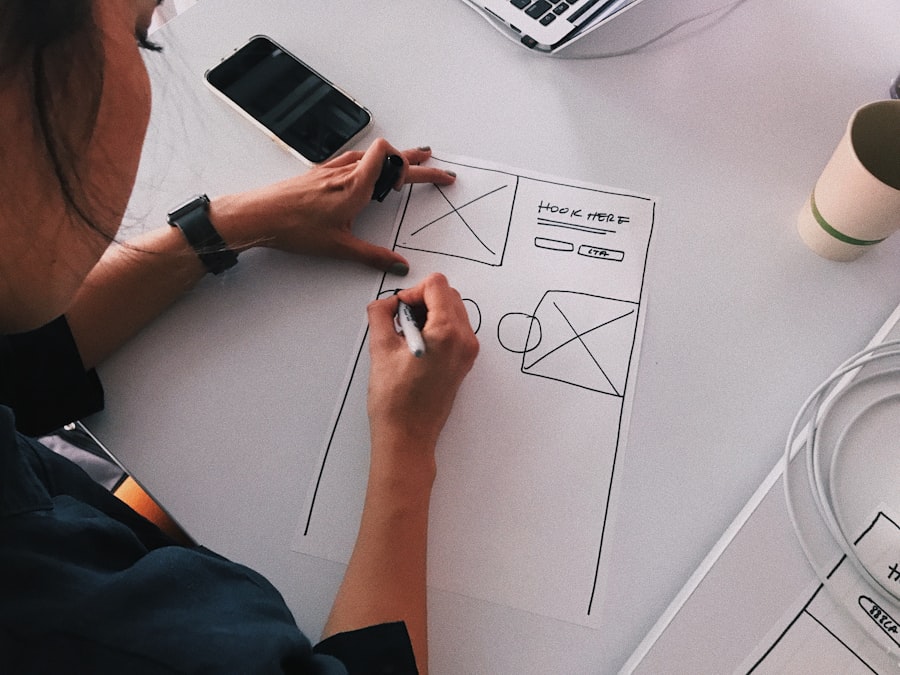

Now that you understand the stages and the power of segmentation, it’s time to talk about building actual email sequences. These are automated workflows designed to guide your customers through their lifecycle. The beauty of this is that once set up, they work tirelessly in the background, nurturing relationships without constant manual intervention.
Building Your First Sequences: From Welcome to Woos
Every successful lifecycle email marketing strategy starts with well-designed, automated sequences. These are the workhorses that keep your customers engaged.
The Welcome Sequence: Making a Stellar First Impression
This is your chance to make a great first impression on new subscribers or customers. A well-crafted welcome sequence sets the tone for the entire customer relationship.
- Purpose: Introduce your brand, set expectations, and guide them towards their first valuable action.
- Key emails:
- Immediate Welcome Email: Thank them for signing up/purchasing. Briefly reiterate the value they’ll receive. Include a clear call to action (e.g., “Explore our products,” “Download this guide,” “Set up your profile”).
- Brand Story/Mission Email: Share what makes your brand unique. Connect on an emotional level.
- Value Proposition/Benefit Email: Reiterate the key benefits of your product or service. Focus on solving their problems.
- Onboarding/Getting Started Email: For service-based or app-based businesses, this is crucial. Provide tips, tutorials, or links to helpful resources.
- Social Proof/Testimonial Email: Build trust by showcasing positive feedback from existing customers.
The Onboarding Sequence: Guiding New Users to Success
For products or services that require some setup or learning, a dedicated onboarding sequence is crucial for reducing churn and maximizing engagement.
- Purpose: Ensure users understand how to get the most out of your offering and achieve their desired outcomes.
- Key emails:
- First Steps Guidance: Help them complete initial setup or key actions.
- Feature Spotlights: Introduce important features one by one, explaining their benefits.
- Tips and Tricks: Share best practices and helpful hacks to maximize their experience.
- Success Stories: Showcase how other users have achieved great results.
- Check-in/Support Email: Proactively offer help or ask for feedback.
The Re-engagement Sequence: Winning Back Lost Customers
Not every customer remains active. A well-timed re-engagement sequence can bring dormant customers back into the fold.
- Purpose: Remind inactive customers of your value and encourage them to return.
- Key emails:
- “We Miss You” Email: A gentle reminder and an offer to help them get back on track.
- Exclusive Offer/Incentive Email: A special discount or bonus to entice them back.
- Highlight New Features/Content Email: Showcase what they’ve been missing.
- Surprise and Delight Email: A small, unexpected gift or perk can be very effective.
- Last Chance/Feedback Email: If they still don’t re-engage, offer a final incentive or ask why they’ve become inactive.
The Cross-sell and Upsell Sequence: Increasing Customer Value
Once you have a paying customer, you have an opportunity to increase their lifetime value by suggesting complementary products (cross-sell) or more advanced versions of what they already own (upsell).
- Purpose: Increase average order value and customer lifetime value.
- Key emails:
- Based on Purchase History: “Customers who bought X also loved Y.”
- Based on Usage/Needs: “Are you looking for even more features? Consider our Pro plan.”
- Bundled Offers: Present attractive packages.
- Limited-Time Upgrade Offers: Provide an incentive to move to a higher tier.
The Loyalty and Advocacy Sequence: Cultivating Brand Champions
This is where you reward your most valuable customers and turn them into advocates.
- Purpose: Foster loyalty, reward repeat business, and encourage referrals and reviews.
- Key emails:
- Loyalty Program Updates: Inform them about their points, rewards, and exclusive benefits.
- Birthday/Anniversary Emails: Personalized greetings with a special offer.
- Exclusive Early Access/Sneak Peeks: Make them feel like VIPs.
- Referral Program Invitation: Encourage them to share their positive experience.
- Request for Review/Testimonial: Ask for their valuable feedback.
Crafting Compelling Content: Words That Convert and Connect

Even the most beautifully automated sequences will fall flat if the content you send is boring, irrelevant, or poorly written. Your emails are your brand’s voice in your customers’ inboxes.
The Art of the Email: More Than Just Words
Every element of your email needs to work together to achieve its objective.
The Subject Line: Your First (and Only) Chance to Grab Attention
This is arguably the most critical part of your email. If your subject line doesn’t entice them to open, the rest of your email is irrelevant.
- Be Clear and Concise: Let them know what to expect.
- Create Urgency or Scarcity (when appropriate): “Last chance,” “Limited spots.”
- Personalize: Use their name or reference their interests.
- Intrigue and Curiosity: Pose a question or hint at a benefit.
- Avoid Spam Triggers: Overuse of caps, exclamation points, or certain keywords.
- A/B Test Everything: What works for one audience might not work for another.
The Preview Text: Your Second Shot at Getting an Open
This short snippet that appears next to or below the subject line in many email clients is often overlooked but can be crucial.
- Expand on the Subject Line: Provide a little more context or a stronger hook.
- Summarize the Key Benefit: Entice them to click for more.
- Create a Seamless Narrative: Make it flow logically from the subject line.
The Body Copy: Engage, Inform, and Convert
Once they’ve opened, your copy needs to deliver on the promise of the subject line and guide them towards the desired action.
- Focus on Benefits, Not Just Features: How does your offering help the customer?
- Use Clear and Concise Language: Avoid jargon and overly complex sentences.
- Speak Directly to the Reader (Second Person): Use “you” and “your.”
- Tell a Story: Engage them on an emotional level.
- Maintain Brand Voice: Be consistent with your brand’s personality.
- Break Up Text: Use short paragraphs, bullet points, and subheadings to improve readability.
The Call to Action (CTA): The Guiding Light
This is the instruction you give your reader on what to do next. It needs to be clear, prominent, and compelling.
- Make it Action-Oriented: Use verbs like “Shop Now,” “Learn More,” “Download,” “Sign Up.”
- Be Specific: Clearly state what will happen when they click.
- Create a Sense of Value: “Get 20% Off Today,” “Claim Your Free Ebook.”
- Use Contrasting Colors: Make your CTA buttons stand out.
- Place it Strategically: Not just at the end, but where it makes sense within the content.
For those looking to enhance their understanding of customer lifecycle email marketing, a great resource is the article on maximizing efficiency with email autoresponders. This piece offers valuable tips and tricks that can complement your strategies and improve engagement throughout the customer journey. You can read more about it in this informative article.
Measuring Success and Iterating: Data-Driven Excellence
| Stage | Objective | Metrics |
|---|---|---|
| 1. Acquisition | Attract new customers | Conversion rate, new sign-ups |
| 2. Activation | Engage new customers | Activation rate, first purchase |
| 3. Retention | Keep customers coming back | Repeat purchase rate, customer lifetime value |
| 4. Revenue | Maximize customer spending | Average order value, upsell/cross-sell conversion |
| 5. Referral | Encourage customers to refer others | Referral rate, new customer acquisition from referrals |
You’ve designed your sequences, you’ve crafted your content, but how do you know if it’s working? This is where analytics and iteration come in. Never stop learning and refining.
The Importance of Key Metrics
Tracking the right metrics allows you to understand what’s working and what needs improvement.
Open Rates: Are You Making an Entrance?
This measures the percentage of recipients who opened your email.
- What it indicates: The effectiveness of your subject line and sender name.
- What to look for: Consider industry benchmarks, but focus on trends within your own campaigns. A sudden dip can signal an issue.
Click-Through Rates (CTR): Are You Guiding Them Forward?
This measures the percentage of recipients who clicked on a link within your email.
- What it indicates: The relevance and compelling nature of your content and CTA.
- What to look for: A higher CTR means your message is resonating and prompting action.
Conversion Rates: Are You Achieving Your Goals?
This measures the percentage of recipients who completed the desired action (purchase, sign-up, download, etc.).
- What it indicates: The overall effectiveness of your email campaign in driving business objectives.
- What to look for: This is the ultimate measure of success. Analyse it in relation to specific campaigns within your lifecycle.
Unsubscribe Rates: The Signal for Change
This measures the percentage of recipients who unsubscribed from your emails.
- What it indicates: You may be sending too many emails, irrelevant content, or at the wrong times.
- What to look for: A sudden spike warrants immediate investigation.
Bounce Rates: Are You Reaching the Right People?
This measures the percentage of emails that couldn’t be delivered.
- Hard Bounces: Permanent delivery issues (invalid email address). These should be removed from your list immediately.
- Soft Bounces: Temporary delivery issues (full inbox, server issues). These might resolve themselves, but persistent soft bounces should also be pruned.
The Power of A/B Testing and Iteration
Email marketing is not a “set it and forget it” endeavor. Continuous testing and improvement are key to maximizing your results.
Test Everything, Constantly
- Subject Lines: The most impactful element to test.
- CTAs: Button text, color, placement.
- Email Copy: Different lengths, tones, and value propositions.
- Images and Visuals: What resonates most with your audience.
- Send Times and Days: When is your audience most likely to engage?
Analyze and Adapt
- Regularly review your metrics.
- Identify trends and patterns.
- Use your findings to inform future email campaigns.
- Don’t be afraid to experiment and try new things.
By understanding the customer lifecycle, segmenting your audience effectively, designing robust email streams, crafting compelling content, and diligently measuring your success, you will transform your email marketing from a generic broadcast into a powerful engine for customer engagement, loyalty, and growth. You’ve got this.
FAQs
What is customer lifecycle email marketing?
Customer lifecycle email marketing is a strategy that involves sending targeted and personalized emails to customers at different stages of their relationship with a brand, such as onboarding, engagement, retention, and reactivation.
What are the benefits of customer lifecycle email marketing?
Customer lifecycle email marketing can help businesses build stronger relationships with their customers, increase customer retention, drive repeat purchases, and ultimately improve the overall customer experience.
What are some key stages in the customer lifecycle for email marketing?
Key stages in the customer lifecycle for email marketing include onboarding/welcome emails, engagement emails, retention emails, and reactivation/win-back emails. Each stage requires a different approach and content to effectively engage customers.
How can businesses personalize customer lifecycle emails?
Businesses can personalize customer lifecycle emails by using customer data to segment their audience, create targeted content based on customer behavior and preferences, and use dynamic content to deliver personalized recommendations and offers.
What are some best practices for customer lifecycle email marketing?
Best practices for customer lifecycle email marketing include setting clear goals for each stage of the customer lifecycle, testing and optimizing email content and timing, maintaining a consistent brand voice and design, and continuously analyzing and refining email performance based on customer feedback and data.