


You’ve heard the buzzwords: “automated marketing funnels,” “lead generation machines,” “evergreen sales.” It sounds like magic, doesn’t it? The idea of setting up a system that brings in potential customers, nurtures them, and guides them towards a purchase without your constant, hands-on intervention is incredibly appealing. And here’s the secret: it’s not magic, it’s strategy and automation. If you’re just starting out and feel a pang of overwhelm, take a deep breath. This guide is designed specifically for you. We’re going to break down the process of building your first automated marketing funnel step-by-step, demystifying the jargon and giving you actionable insights to get started.
Building your first automated marketing funnel might seem like a daunting task, like trying to build a skyscraper without blueprints. But the truth is, with a clear understanding of the fundamentals and a methodical approach, you can construct a robust system that works for you. Think of it as building a digital salesperson who never sleeps, never takes a vacation, and is always ready to engage with your audience. This isn’t about replacing human connection entirely, but about enhancing it by automating the repetitive, time-consuming tasks, freeing you up to focus on what truly matters: building relationships and delivering exceptional value.
This guide will equip you with the knowledge and confidence to embark on this exciting journey. We’ll explore what a marketing funnel is, why automation is your secret weapon, and how to design and implement your own powerful system. So, let’s dive in and start building your automated marketing success.
Before you can automate anything, you need to understand the foundational concept: the marketing funnel. Imagine a physical funnel; it’s wide at the top and narrows down towards the bottom. This is precisely what a marketing funnel represents. It’s a visual representation of the customer’s journey, from the moment they first become aware of your brand to the point where they become a paying customer, and hopefully, a loyal advocate. You are essentially guiding potential customers through stages, educating them, building trust, and ultimately, presenting them with an offer.
The Stages of a Typical Marketing Funnel
Every successful marketing funnel, whether manual or automated, follows a predictable sequence of stages. Understanding these stages is crucial for designing your own effective funnel. You’re aiming to attract a large audience at the top and then strategically filter and engage them so that a smaller, more qualified segment converts at the bottom.
Awareness: Making Them Know You Exist
This is the very top of your funnel. Your goal here is to cast a wide net and make potential customers aware that your brand, product, or service exists. At this stage, people might not even realize they have a problem your solution can address, or they might be just starting to explore options. This is about broad reach and getting your name out there in front of relevant audiences. Think of it as planting seeds.
- Identifying your target audience: Who are you trying to reach? What are their demographics, interests, and pain points? Without this clarity, your “awareness” efforts will be scattered and ineffective. You need to know who you’re talking to so you can craft messages that resonate.
- Content marketing for discovery: This is where your blog posts, social media updates, informative videos, and infographics come into play. You want to create valuable content that addresses common questions your target audience might have, or that highlights industry trends they’re interested in. This content should be easily discoverable through search engines or social platforms.
- Paid advertising for reach: Platforms like Google Ads, Facebook Ads, and Instagram Ads can be powerful tools for driving initial awareness. You can target specific demographics and interests to ensure your message lands in front of the right eyes. The goal is to get them to click through and learn more.
- Social media engagement: Actively participating in conversations on social media, sharing valuable content, and running targeted ad campaigns are all excellent ways to build initial awareness. You want to be where your audience is, engaging with them authentically.
Interest: Capturing Their Attention
Once you’ve made people aware of your existence, the next step is to pique their interest. They’ve encountered your brand, and now they’re curious to learn more. They might be actively researching solutions to a problem, or they’re intrigued by the value you offer. This is where you start to differentiate yourself and showcase what makes you unique and valuable. You’re moving from broadcasting to engaging.
- Lead magnets to capture information: This is a critical transition point. To move someone from simply being aware to being interested enough to share their contact information, you need to offer something of value in exchange. This is your “lead magnet.” Think of a free e-book, a checklist, a webinar, a discount code, or a free consultation. The more valuable and relevant it is to their needs, the higher your chances of success.
- Landing pages designed for conversion: A dedicated landing page is essential for presenting your lead magnet. It should be focused, clear, and have a strong call to action (CTA). The goal is to minimize distractions and maximize the chance of someone filling out your opt-in form.
- Engaging website content: Your website should offer more in-depth information about your products or services. Case studies, testimonials, detailed product descriptions, and explainer videos can all help build interest and demonstrate your expertise.
- Social proof and testimonials: People are more likely to trust and engage with a brand if they see others have had positive experiences. Displaying testimonials and positive reviews prominently can significantly boost interest.
Desire: Making Them Want What You Offer
Now that you’ve captured their interest and their contact information, you need to cultivate desire. This is where you build a deeper connection, showcase the benefits of your offering, and convince them that your solution is the best fit for their needs. You’re not just telling them what you do; you’re showing them how you can solve their problems and improve their lives. This is about emotional connection and perceived value.
- Email marketing sequences for nurturing: Once you have their email address, you can begin a series of automated emails. These “nurture sequences” are designed to build trust, provide further value, and educate your leads about your specific solution. You can share case studies, customer success stories, pain-point solutions, and behind-the-scenes insights.
- Webinars and demonstrations: Live webinars or pre-recorded demonstrations allow you to showcase your product or service in action, answer questions in real-time, and directly address potential objections. This hands-on approach can be highly effective in creating desire.
- Personalized content and offers: As you gather more information about your leads (through their interactions with your content or surveys), you can start to personalize your messaging and offers. Tailoring your communication to their specific needs and interests makes them feel understood and valued.
- Highlighting unique selling propositions (USPs): What makes you different and better than the competition? Clearly articulate your unique selling propositions and how they directly benefit the customer. This is essential for creating strong desire.
Action: Getting Them to Buy
This is the bottom of the funnel, where the magic of conversion happens. You’ve guided your leads through the previous stages, built trust, and cultivated desire. Now, it’s time to make the offer and encourage them to take the final step: making a purchase. This stage is about making it easy, compelling, and removing any final barriers.
- Clear and compelling sales pages: Your sales page needs to be persuasive, highlight benefits, address objections, and have a prominent, easy-to-find call to action. Use strong sales copy, social proof, and any guarantees to build confidence.
- Special offers and promotions: Limited-time discounts, bonuses, or free shipping can be powerful motivators for those on the fence. These are often strategically deployed at this stage to encourage immediate action.
- Streamlined checkout process: Once someone decides to buy, the checkout process must be as smooth and frictionless as possible. Anything that adds friction, like too many steps or unexpected fees, can lead to abandoned carts.
- Urgency and scarcity tactics: Judiciously used, these tactics can encourage prompt action. Phrases like “limited stock available” or “offer ends soon” can create a sense of urgency.
Retention and Advocacy: Keeping Them Coming Back
The funnel doesn’t end with a sale. A truly effective marketing strategy focuses on retaining customers and turning them into advocates for your brand. Happy customers are more likely to buy again and recommend you to others, creating a powerful cycle of growth. This is about building long-term relationships.
- Post-purchase follow-up: Don’t disappear after the sale! Send thank-you emails, onboarding guides, and solicit feedback. This shows you care about their experience beyond just the transaction.
- Loyalty programs and rewards: Encourage repeat business with loyalty programs, exclusive discounts for existing customers, or early access to new products.
- Excellent customer support: Responsive and helpful customer support can turn a potentially negative experience into a positive one, reinforcing their decision to buy from you.
- Encouraging referrals and reviews: Happy customers are your best marketers. Make it easy for them to refer friends and family, and to leave reviews. This amplifies your reach and builds even more trust in your brand.
If you’re looking to enhance your understanding of automated marketing funnels, you might find the article on effortlessly connecting website leads to email campaigns particularly useful. This resource provides valuable insights on how to streamline your lead generation process and effectively nurture prospects through targeted email marketing. To explore this topic further, check out the article here: Effortlessly Connect Website Leads to Email Campaigns.
The Power of Automation: Why Your Funnel Needs to Be Smarter, Not Harder
Now that you understand the anatomy of a marketing funnel, let’s talk about the engine that drives it forward: automation. Manually executing every step of the funnel, especially as your business grows, is exhausting and prone to errors. Automation allows you to streamline processes, personalize communications at scale, and ensure that no potential customer falls through the cracks. It’s about working smarter, not harder, to achieve better results.
What is Marketing Automation and How Does It Help?
Marketing automation involves using software to automate repetitive marketing tasks. This can range from sending welcome emails to segmenting your audience based on their behavior and delivering targeted content. The primary goal is to increase efficiency and effectiveness by freeing up your time and resources. Think of it as having a virtual assistant for your marketing efforts.
- Saving time and resources: The most obvious benefit is the sheer amount of time you save. Tasks that would take hours of manual effort – like sending out individual emails or tracking lead scores – can be done automatically. This allows you to focus on strategy, creativity, and other high-value activities.
- Improved lead nurturing and engagement: Automated drip campaigns ensure that leads receive timely and relevant communication, keeping them engaged and moving them through the funnel. You can set up triggers based on user actions, ensuring the right message is delivered at the right time.
- Enhanced personalization: Automation tools allow you to personalize your marketing messages based on subscriber data and behavior. This makes your outreach far more relevant and impactful, leading to higher engagement and conversion rates. Imagine sending an email that specifically addresses a problem a lead mentioned in aprevious interaction – that’s the power of personalization.
- Increased efficiency and scalability: As your business grows, your marketing efforts need to scale with it. Automation makes this possible by handling a larger volume of leads and campaigns without requiring a proportionate increase in manual work.
- Data-driven insights and optimization: Automation platforms collect valuable data about your leads’ interactions. This data can be analyzed to understand what’s working and what’s not, allowing you to continuously optimize your funnel for better performance. You can track open rates, click-through rates, conversion rates, and more.
Key Components of Marketing Automation Software
To build your automated funnel, you’ll need to leverage marketing automation software. While there are many options available, they generally share common functionalities. Familiarizing yourself with these components will help you choose the right tools for your needs.
- Email marketing platform: This is the backbone of most automation. These platforms allow you to build email lists, design professional-looking emails, schedule campaigns, and track their performance. Think Mailchimp, ActiveCampaign, ConvertKit, or HubSpot.
- CRM (Customer Relationship Management) system: While often separate, a CRM integrates with marketing automation to provide a holistic view of your customer interactions. It stores contact information, tracks communication history, and manages your sales pipeline. Salesforce, Zoho CRM, and HubSpot CRM are popular choices.
- Landing page builder: You need a way to create dedicated pages for your lead magnets and offers. Many automation platforms include built-in landing page builders, or you can use dedicated tools like Leadpages or Unbounce.
- Workflow automation or “customer journey builder”: This is where you define the automated sequences. You’ll design triggers (e.g., a lead downloads an e-book) and actions (e.g., send a follow-up email, add them to a specific list).
- Analytics and reporting tools: Understanding your funnel’s performance is crucial for optimization. These tools provide insights into key metrics, allowing you to identify bottlenecks and areas for improvement.
Designing Your First Automated Marketing Funnel: A Strategic Blueprint
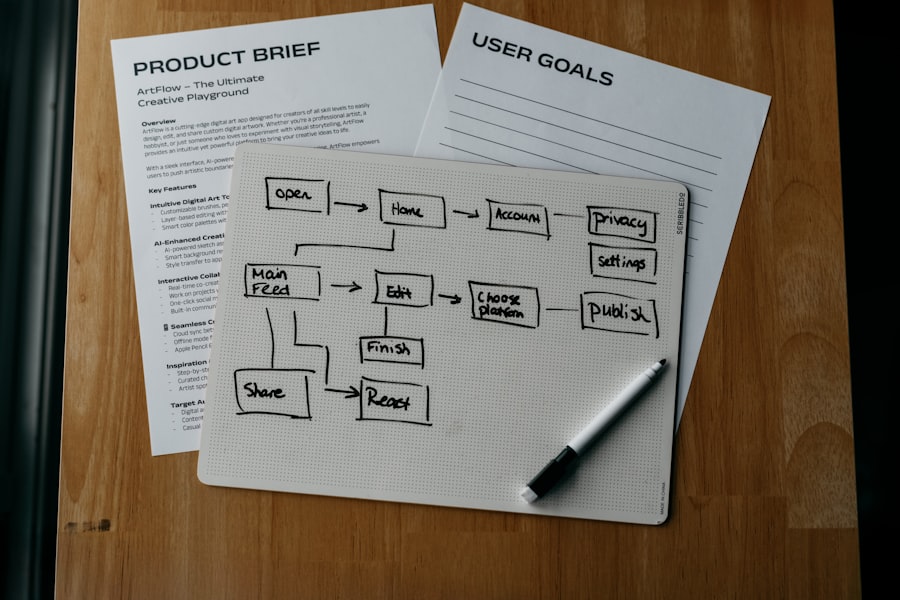

Now, let’s get to the exciting part: designing your actual automated marketing funnel. This isn’t a one-size-fits-all approach. You need to tailor it to your specific business, your target audience, and your business goals. Think of this as sketching out the plans before you start laying bricks.
Defining Your Goal and Target Audience
Before you build anything, you need to know what you’re building and who it’s for. A clear objective will guide every decision you make throughout the process. Without this fundamental clarity, your funnel will lack direction and purpose.
- What is the primary goal of this funnel? Is it to generate leads for your service-based business? Sell a specific product? Increase sign-ups for your newsletter? Promote a webinar? Your goal will determine the offers, content, and calls to action you use.
- Who is your ideal customer for this funnel? What are their pain points, desires, and motivations? Create detailed buyer personas to truly understand who you are trying to attract and influence. The more specific you are, the more resonant your messaging will be.
- What is the desired outcome for the customer? What problem are you solving for them? How will your product or service improve their lives or businesses? Understanding their desired transformation is key to crafting compelling offers.
Crafting Your Irresistible Lead Magnet
Your lead magnet is the hook that draws people into your funnel. It needs to be valuable, relevant to your target audience, and something they can’t easily get elsewhere. This is your initial handshake, and it needs to be a good one.
- Identify a burning problem or desire: What are your ideal customers struggling with? What do they desperately want to achieve? Your lead magnet should offer a solution or a path towards that solution.
- Choose a format that suits your audience and your expertise: This could be an e-book, checklist, template, video series, mini-course, webinar, or a free consultation. Consider what format is most accessible and valuable to your audience.
- Ensure high perceived value: The lead magnet should feel like a significant win for the user, something that gives them immediate value or insight. Over-deliver on this promise.
- Make it easy to consume: A complex or time-consuming lead magnet might deter people from downloading it. Aim for something that can be quickly grasped and implemented.
Mapping Out Your Automated Workflow and Email Sequences
This is where the automation magic truly comes to life. You’ll be designing the logic that guides your leads through the funnel, delivering the right content at the right time. Think of it as choreographing a dance, ensuring each step flows seamlessly into the next.
- Trigger points: What actions will initiate a specific sequence? Common triggers include downloading a lead magnet, visiting a specific page, or clicking a link in an email.
- Action steps: What will the system do when a trigger occurs? This could be sending an email, adding a tag to the contact, updating their score, or moving them to a different list.
- Email sequence design: Plan out your nurture emails. Each email should have a specific purpose:
- Welcome Email: Thank them for opting in, deliver the lead magnet, and set expectations.
- Value-Driven Emails: Provide additional helpful content, tips, and insights related to their interests.
- Problem/Solution Emails: Highlight the challenges they face and how your offering is the solution.
- Benefit-Focused Emails: Detail the specific advantages of using your product or service.
- Social Proof Emails: Share testimonials, case studies, and success stories.
- Offer Emails: Clearly present your call to action and the offer itself.
- Scarcity/Urgency Emails (Optional): If applicable, create a sense of limited-time opportunity.
- Last Chance/Follow-up Emails: For those who haven’t converted yet.
- Segmentation: How will you segment your audience based on their engagement? For example, those who click links might receive different follow-up emails than those who don’t. This allows for highly targeted communication.
Building and Implementing Your Funnel: Bringing Your Blueprint to Life


You’ve designed your blueprint; now it’s time to start building. This stage involves selecting your tools, creating your assets (content, landing pages, emails), and then configuring the automation sequences.
Choosing Your Marketing Automation Tools
The right tools are essential for success. Don’t get bogged down by analysis paralysis; start with a platform that fits your current needs and budget. You can always upgrade or switch as your business grows.
- Consider your budget: Automation tools range from free (with limitations) to quite expensive. Determine what you can realistically afford.
- Evaluate ease of use: As a beginner, you want a platform with an intuitive interface and good support resources.
- Check for integrations: Ensure the tool integrates with other platforms you use, such as your website builder, CRM, or e-commerce platform.
- Look for key features: Does it offer robust email marketing, landing page creation, workflow automation, and analytics?
- Popular beginner-friendly options: Examples include Mailchimp, ConvertKit, ActiveCampaign, and HubSpot (which has a free CRM and marketing tools to start).
Creating Your High-Converting Assets
This is where your creativity and marketing skills come into play. You’ll be building the visual and written components of your funnel.
- Design your landing pages: Create clean, professional landing pages that clearly communicate the value of your lead magnet and have a strong, visible call to action. Use clear headlines, compelling copy, and high-quality imagery.
- Write your email copy: Craft engaging and persuasive emails that guide your leads through the funnel. Focus on benefits, address pain points, and include clear calls to action. Maintain a consistent brand voice.
- Develop your lead magnet: Ensure your lead magnet is well-designed, informative, and delivers on its promise. Proofread everything meticulously.
- Prepare any supporting content: This might include graphics, videos, or additional blog posts that you link to within your emails.
Setting Up Your Automation Workflows
This is the technical part, where you connect all the pieces within your chosen automation software. Take your time and double-check your settings.
- Configure your triggers: Set up the rules that initiate your automated sequences.
- Build your email sequences: Upload your email copy and set the timing for each email in the sequence. Ensure they are sent in the correct order and with appropriate delays.
- Implement segmentation rules: Set up tags and lists to categorize your leads based on their actions or interests.
- Test thoroughly: Before launching, test every aspect of your funnel. Subscribe yourself and colleagues to see how the emails flow, check all links, and ensure the lead magnet is delivered correctly. This is a critical step to avoid errors.
If you’re looking to enhance your understanding of automated marketing funnels, you might find it beneficial to explore the concept of advanced personalization. A great resource on this topic is an article that discusses how to master advanced personalization techniques using spintags, which can help your marketing messages resonate more authentically with your audience. You can read more about it in this insightful piece on mastering advanced personalization. This knowledge can complement your journey in building effective marketing funnels.
Testing, Optimizing, and Scaling: The Continuous Improvement Cycle
| Step | Description |
|---|---|
| 1 | Identify target audience and goals |
| 2 | Create lead magnet to attract prospects |
| 3 | Set up landing page to capture leads |
| 4 | Develop email sequence for nurturing leads |
| 5 | Integrate marketing automation tools |
| 6 | Analyze and optimize funnel performance |
Your automated marketing funnel isn’t a “set it and forget it” system. To maximize its effectiveness, you need to continuously monitor its performance, identify areas for improvement, and scale your efforts as you see success. This is an ongoing process of refinement.
Analyzing Your Funnel’s Performance
Data is your best friend when it comes to optimizing your funnel. Regularly review the metrics to understand what’s working and what’s not.
- Key metrics to track:
- Opt-in rates: How many people are signing up for your lead magnet?
- Open rates: How many people are opening your emails?
- Click-through rates (CTR): How many people are clicking on the links in your emails?
- Conversion rates: How many leads are taking the desired action (e.g., making a purchase)?
- Unsubscribe rates: How many people are opting out of your emails?
- Bounce rates: How many emails are failing to be delivered?
- Using your analytics dashboard: Most automation platforms provide detailed reports. Familiarize yourself with these reports and learn to extract actionable insights.
A/B Testing for Better Results
Small changes can have a significant impact on your funnel’s performance. A/B testing (or split testing) allows you to compare two versions of an element to see which performs better.
- What to test:
- Email subject lines: A compelling subject line can dramatically increase open rates.
- Calls to action (CTAs): Test different wording, colors, and placements of your buttons.
- Landing page headlines and copy: Experiment with different approaches to see what resonates most.
- Lead magnet offers: See if different lead magnets attract more sign-ups.
- Timing of emails: Test sending emails at different times of the day or days of the week.
- Implementing A/B tests: Most automation platforms allow you to easily set up and run A/B tests. Be sure to test only one variable at a time for accurate results.
Scaling Your Automated Funnel
Once you’ve proven your initial funnel is effective, it’s time to think about scaling. This means expanding your reach and potentially creating new funnels to cater to different audience segments or business objectives.
- Increase your traffic: Drive more qualified traffic to your lead magnet by scaling up your paid advertising, investing more in SEO, or collaborating with influencers.
- Create new lead magnets and funnels: Develop additional lead magnets that appeal to different segments of your target audience or address other pain points. Build entirely new funnels around these.
- Expand your offer suite: If your initial funnel leads to a single product, consider creating an upsell or downsell sequence to increase customer lifetime value.
- Automate more advanced processes: As you gain experience, explore more complex automation strategies, such as complex branching logic, lead scoring for sales handoff, or personalized product recommendations.
Building automated marketing funnels is a journey, not a destination. It requires patience, experimentation, and a willingness to learn. By understanding the core principles, leveraging the power of automation, and committing to continuous optimization, you can create a powerful system that drives consistent leads, nurtures relationships, and fuels the growth of your business. So, take the first step, implement what you’ve learned, and enjoy the process of building your automated marketing success.
FAQs
What is an automated marketing funnel?
An automated marketing funnel is a series of automated steps that guide potential customers through a journey, from initial awareness of a product or service to making a purchase. It typically includes stages such as awareness, interest, consideration, and conversion.
Why is building automated marketing funnels important for businesses?
Building automated marketing funnels is important for businesses because it helps streamline the customer journey, nurtures leads, and increases conversion rates. It also allows businesses to automate repetitive tasks, saving time and resources.
What are the key components of an automated marketing funnel?
The key components of an automated marketing funnel include lead magnets to attract potential customers, email sequences to nurture leads, landing pages to capture contact information, and sales pages to convert leads into customers.
How can beginners start building automated marketing funnels?
Beginners can start building automated marketing funnels by first understanding their target audience and creating valuable content to attract leads. They can then use marketing automation tools to set up email sequences, landing pages, and sales funnels.
What are some common mistakes to avoid when building automated marketing funnels?
Some common mistakes to avoid when building automated marketing funnels include not understanding the target audience, not testing and optimizing the funnel, and not providing valuable content at each stage of the funnel. It’s also important to avoid being too sales-focused and not nurturing leads effectively.