


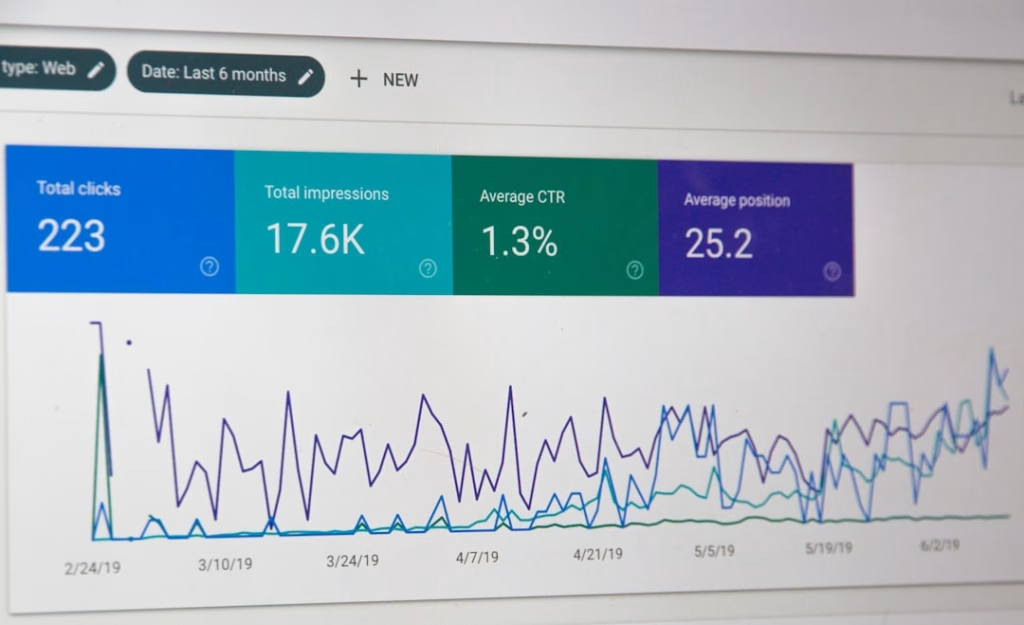
You’re sitting there, staring at your email marketing dashboard. Numbers and graphs swim before your eyes, a digital tapestry that, if you could just connect the threads, would reveal the secrets to a more engaged audience and healthier sales figures. This isn’t just about open rates and click-throughs anymore; it’s about understanding the “why” behind the “what.” You need to move beyond vanity metrics and dive deep into customer behavior, and your email analytics hold the key to this profound understanding.
You might think you know your customers. You’ve built personas, conducted surveys, and perhaps even spent hours on social media monitoring. But email analytics offer a unique, unfiltered window into their direct interaction with your brand. They don’t tell you what your customers say they’ll do; they show you what they actually do.
Beyond the Basics: Unpacking Core Metrics
You’re likely familiar with the holy trinity: open rate, click-through rate (CTR), and unsubscribe rate. While these are crucial health indicators for your campaigns, you need to dissect them further.
- Open Rate: This isn’t just about curiosity. A high open rate can signal strong subject line efficacy or brand recognition. A low one might suggest your audience isn’t seeing value, or your sender name isn’t trustworthy. You should segment your open rates by time of day, day of week, and even device type to understand when your audience is most receptive. Are mobile users opening more during commutes? Are desktop users more active during working hours? These insights are gold.
- Click-Through Rate (CTR): This is where intent starts to manifest. A high CTR indicates your content resonates and your call-to-action (CTA) is compelling. A low CTR could mean your content isn’t engaging, your CTA is unclear, or your offer isn’t attractive. Deep dive into which links are being clicked. Are they product links, blog posts, or social media shares? This tells you what information your audience values most.
- Unsubscribe Rate: While never ideal, a certain unsubscribe rate is normal. However, a sudden spike or consistently high rate is a red flag. It could indicate email fatigue, irrelevant content, or a mismatched audience. Don’t just look at the number; examine when people are unsubscribing. Is it after a particular type of email? After a certain frequency? This information is critical for refining your email strategy.
The Power of Deliverability Metrics
You can craft the most brilliant email in the world, but if it doesn’t reach the inbox, it’s all for naught. Deliverability metrics are often overlooked but are fundamental to understanding customer interaction.
- Bounce Rate (Hard vs. Soft Bounces): A hard bounce means the email address is invalid – a permanent failure. A soft bounce is temporary (mailbox full, server down). High hard bounce rates indicate an unhealthy list that needs cleaning. High soft bounce rates might point to temporary issues but still warrant investigation if persistent. You must keep your bounce rates low to protect your sender reputation.
- Spam Complaint Rate: This is the ultimate betrayal. When a subscriber marks your email as spam, it significantly damages your sender reputation and can lead to future emails landing in the junk folder for other subscribers. You need to identify the content, frequency, or segments that might be triggering these complaints. This takes precedence over almost any other metric.
To gain deeper insights into customer behavior through email analytics, it is beneficial to explore related topics such as email personalization techniques. A valuable resource on this subject is the article titled “Maximizing Email Personalization: Spintags 101 & Avoiding Spam Filters,” which discusses effective strategies for tailoring email content to enhance engagement and avoid spam filters. You can read the article here: Maximizing Email Personalization: Spintags 101 & Avoiding Spam Filters. This information can complement your understanding of how to analyze customer interactions and improve your email marketing efforts.
Segmenting for Deeper Insights: Beyond the Mass Blast
You wouldn’t speak to every person you meet the same way, would you? The same principle applies to your email audience. Mass email blasts are a relic of a bygone era. Today, you need to segment your lists to understand distinct customer behaviors truly.
Demographic vs. Behavioral Segmentation
You’ve probably segmented by demographics before – age, gender, location. While useful for broad strokes, behavioral segmentation provides a far richer understanding of engagement.
- Purchase History: This is a goldmine. You can segment customers by first-time buyers, repeat purchasers, high-value customers, or those who haven’t purchased in a while. Each segment requires a tailored approach. A first-time buyer might need onboarding emails, while a high-value customer might respond better to exclusive offers.
- Website Activity: Did they visit a specific product page but abandon their cart? Did they browse your blog posts on a particular topic? Integrate your email platform with your website analytics to capture this data. You can then trigger emails based on this behavior, such as abandoned cart reminders or follow-ups based on viewed content.
- Email Engagement History: This goes beyond opens and clicks. Who are your hyper-engaged subscribers who open every email and click multiple links? Who are your dormant subscribers who haven’t opened an email in months? You should nurture the former with exclusive content and try to re-engage the latter with win-back campaigns. Dissecting engagement by content type provides further insight. Do they prefer product announcements, blog content, or promotional offers?
The Power of A/B Testing within Segments
You hypothesize about what your segments prefer, but testing validates or refutes your assumptions. Don’t just A/B test subject lines for your entire list.
- Subject Line Variations for Different Purchase Stages: Do new subscribers respond better to curiosity-driven subject lines, while long-term customers prefer value propositions?
- CTA Placement and Wording for Engaged vs. Dormant Users: A subtle CTA might work for an engaged user, but a bold, action-oriented one might be needed to re-engage a dormant subscriber.
- Email Layout and Imagery Preferences: Some segments might prefer image-heavy emails, while others respond better to text-based messages. You can use A/B testing to uncover these nuances.
Mapping the Customer Journey: From Awareness to Advocacy
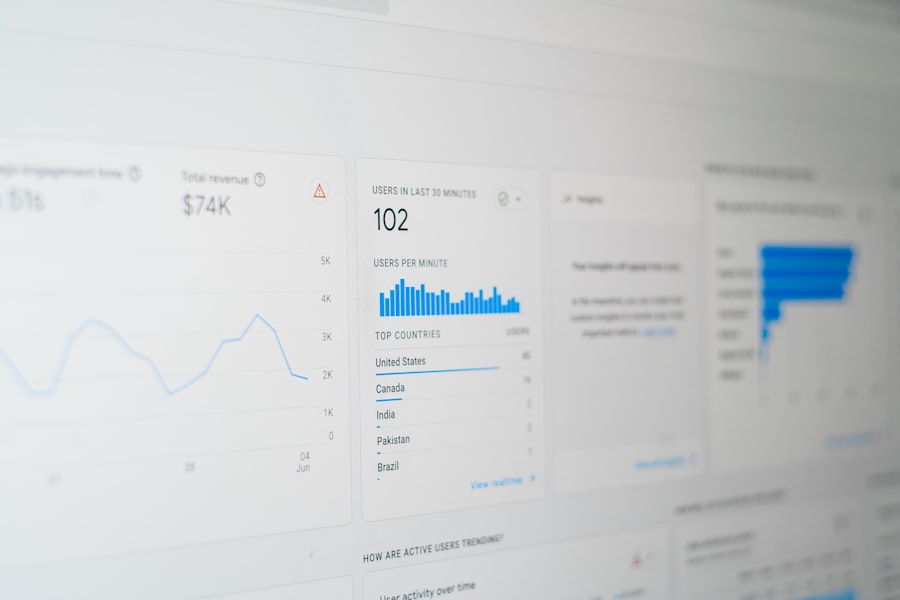

Your customers aren’t just receiving individual emails; they’re experiencing a journey. Email analytics allow you to map this journey, identifying touchpoints and understanding how each email contributes to the overall narrative.
Attribution Modeling: Understanding the Impact of Each Email
You send various types of emails: welcome series, promotional offers, content newsletters, transactional notifications. How do you know which ones are actually driving conversions?
- First-Touch Attribution: This model gives all credit for a conversion to the very first email a customer interacted with. It’s useful for understanding what initially draws customers in.
- Last-Touch Attribution: This model attributes all credit to the last email a customer clicked before converting. It’s helpful for identifying conversion-driving emails.
- Linear Attribution: This model distributes credit equally across all emails a customer interacted with before converting. It offers a more holistic view of the journey.
- Time Decay Attribution: This model gives more credit to emails closer in time to the conversion event. This can be great for understanding the immediate impact of your communication.
You shouldn’t rely on just one model. By using a combination, you gain a more nuanced understanding of the entire customer journey and how individual emails contribute to the ultimate goal.
Identifying Bottlenecks and Opportunities in the Funnel
Imagine your email journey as a series of steps. Where are customers dropping off? Where are they getting stuck? Your analytics will illuminate these points.
- Welcome Series Drop-off: Are a significant number of new subscribers disengaging after the first or second email in your welcome series? This indicates an issue with your onboarding content. You might need to refine your messaging, introduce more value, or address common new customer questions earlier.
- Product Consideration vs. Purchase: Are subscribers opening product-focused emails but not converting? Perhaps your product descriptions aren’t compelling, your pricing isn’t competitive, or there are friction points in your checkout process. Your email might be driving traffic, but something else is preventing the sale.
- Post-Purchase Engagement Lapses: After a customer buys, do they fall silent? This is a missed opportunity for building loyalty and encouraging repeat purchases. Your analytics can show you if your post-purchase emails (thank yous, review requests, product care tips) are being opened and engaged with.
Predictive Analytics: Forecasting Future Behavior
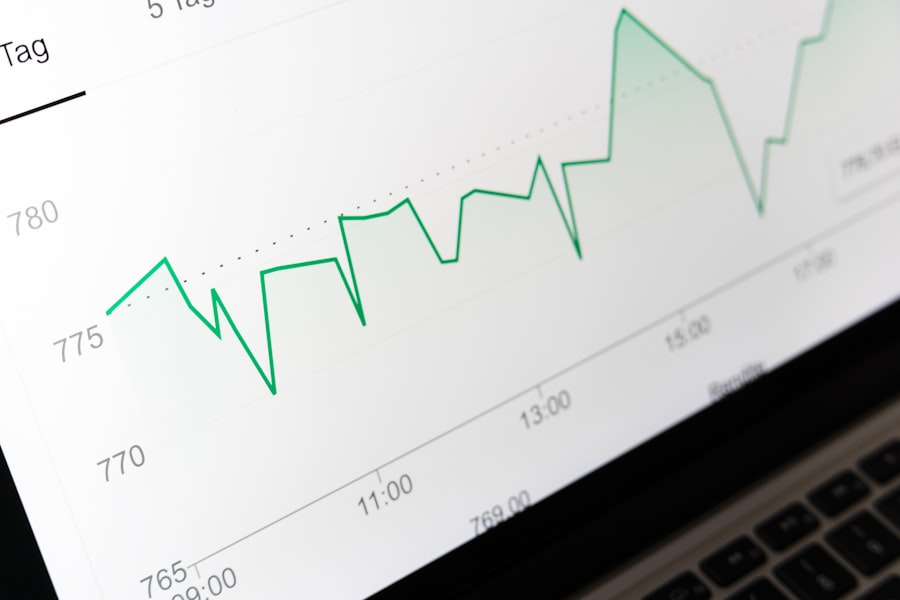
You’re no longer just looking backward; you’re looking forward. Email analytics, when combined with sophisticated tools, can help you predict future customer actions, allowing you to proactively engage and optimize.
Churn Prediction for Proactive Retention
Identifying customers who are likely to churn (stop engaging or purchasing) before they actually do is incredibly powerful.
- Declining Engagement Patterns: Are certain segments showing a consistent decline in open and click rates? Are they receiving fewer emails than before (perhaps due to list segmentation changes)? This downward trend can be an early indicator of churn.
- Lack of Recent Purchases: For e-commerce businesses, a lack of recent purchases combined with declining email engagement is a strong churn signal. You can then trigger re-engagement campaigns with special offers or personalized content.
- Negative Feedback Indicators: While less directly tied to analytics, comments in surveys or direct replies indicating dissatisfaction, when combined with low engagement, can also signal a high churn risk.
You can use these insights to create automated re-engagement workflows. Offer incentives, ask for feedback, or highlight new features they might find valuable. Proactive retention is far more cost-effective than acquiring new customers.
Lifetime Value (LTV) Forecasting
Understanding and predicting a customer’s lifetime value helps you prioritize your marketing efforts and allocate resources effectively.
- Early Engagement as an LTV Indicator: Subscribers who are highly engaged from the outset (high open and click rates in welcome series, quick first purchase) often exhibit higher LTV. Your analytics can flag these early indicators.
- Product Category Preferences and Repeat Purchases: Which product categories lead to higher repeat purchases? Which customers frequently buy complementary products? These behavioral patterns, visible through email analytics tied to purchase data, can inform LTV predictions.
- Responsiveness to Specific Offer Types: Do certain customers only respond to deep discounts, while others engage with content-driven offers? Understanding these preferences helps tailor future communications to maximize their value to your business.
By predicting LTV, you can identify high-value segments and invest more in nurturing those relationships, while also setting realistic expectations for segments with lower LTV.
Understanding customer behavior through email analytics is crucial for optimizing marketing strategies. By analyzing engagement metrics, businesses can tailor their campaigns to better meet the needs of their audience. For further insights on how to effectively segment your email lists for higher conversion rates, you can explore a related article that discusses leveraging data for high-converting segments. This resource provides valuable tips on utilizing analytics to enhance your email marketing efforts. You can read more about it here.
Ethical Considerations and Data Privacy: Building Trust
| Metrics | Description |
|---|---|
| Open Rate | The percentage of recipients who opened the email |
| Click-Through Rate (CTR) | The percentage of recipients who clicked on a link within the email |
| Conversion Rate | The percentage of recipients who completed a desired action after clicking on a link in the email |
| Bounce Rate | The percentage of emails that were not delivered to the recipient’s inbox |
| Unsubscribe Rate | The percentage of recipients who opted out of receiving future emails |
You’re wielding powerful data, and with great power comes great responsibility. Decoding customer behavior with email analytics isn’t just about maximizing profits; it’s also about maintaining trust and respecting privacy.
Transparency in Data Usage
It’s crucial that you are transparent with your subscribers about how you’re using their data.
- Clear Privacy Policies: Your privacy policy shouldn’t be a legalistic labyrinth. It should be clear, concise, and easily accessible, explaining what data you collect and how it’s used.
- Informing Subscribers of Personalization: If you’re using advanced personalization based on their behavior, you might consider subtly informing them. Phrases like “Based on your recent activity…” or “Because you showed interest in…” can build trust rather than create a creepy “big brother” feeling.
Compliance with Regulations (GDPR, CCPA, etc.)
Ignorance is not bliss when it comes to data privacy regulations. You are legally obligated to comply.
- Obtaining Explicit Consent: Ensure you have clear, unambiguous consent from subscribers to send them marketing emails and track their behavior. Pre-checked boxes are a no-go in many regions.
- Data Minimization: Only collect the data you actually need. Every piece of data you collect is a liability.
- Right to Access and Erasure: Subscribers have the right to know what data you hold on them and to request its deletion. Your systems must be able to facilitate these requests efficiently.
By prioritizing ethical data practices, you not only avoid legal repercussions but also build a stronger, more trusting relationship with your customers. This trust, in turn, often translates to higher engagement and a more loyal customer base. When you truly decode customer behavior, you’re not just understanding numbers; you’re understanding people. And that, ultimately, is the essence of successful marketing.
FAQs
What is email analytics?
Email analytics is the process of collecting and analyzing data from email campaigns to understand customer behavior, engagement, and preferences. It involves tracking metrics such as open rates, click-through rates, conversion rates, and more to gain insights into how recipients are interacting with email content.
Why is understanding customer behavior important through email analytics?
Understanding customer behavior through email analytics is important because it allows businesses to tailor their email marketing strategies to better meet the needs and preferences of their audience. By analyzing data such as open and click-through rates, businesses can gain valuable insights into what content resonates with their customers and how to improve future campaigns.
What are some key metrics used in email analytics?
Some key metrics used in email analytics include open rates, click-through rates, conversion rates, bounce rates, unsubscribe rates, and engagement metrics such as time spent reading an email or interacting with its content. These metrics provide valuable insights into how recipients are engaging with email campaigns.
How can businesses use email analytics to improve customer engagement?
Businesses can use email analytics to improve customer engagement by identifying trends and patterns in customer behavior, understanding which types of content resonate with their audience, and optimizing email campaigns based on data-driven insights. This can lead to more personalized and targeted communication with customers, ultimately improving engagement and driving better results.
What are some common tools used for email analytics?
Some common tools used for email analytics include platforms such as Google Analytics, Mailchimp, HubSpot, and Adobe Campaign. These tools provide businesses with the ability to track and analyze email campaign performance, segment audiences, and gain insights into customer behavior to inform their marketing strategies.