



You’ve built a fantastic product or service, and you’re seeing those initial sales roll in. Congratulations! But the thrill of acquisition can sometimes overshadow a critical element of sustainable business growth: customer retention. And when it comes to nurturing those valuable relationships and keeping your customers coming back, your email marketing strategy is your most potent tool. It’s not just about sending out a newsletter; it’s about building a consistent, valuable, and personalized communication channel that makes your customers feel seen, understood, and appreciated. Let’s dive into how you can weaponize your inbox to maximize customer retention.
Before we get into the nitty-gritty of emails, let’s solidify why you’re investing so much effort here. Customer acquisition is expensive. Studies consistently show that acquiring a new customer can cost anywhere from five to twenty-five times more than retaining an existing one. This isn’t just a statistic; it’s a fundamental truth in business. Your existing customers have already demonstrated trust in your brand. They know what to expect, they’ve likely experienced your customer service, and they’ve already made a purchase. Your goal now is to deepen that relationship, encouraging repeat business and, ideally, turning them into vocal advocates.
The Economics of Loyalty
Think of it like this: a customer who buys from you once is a single transaction. A customer who buys from you repeatedly over months or years is a lifetime of value. Your email marketing efforts are directly contributing to that lifetime value by keeping you top-of-mind, providing ongoing value, and reminding them why they chose you in the first place. Imagine a customer who spends $100 with you annually. If you can retain them for five years, that’s $500 in revenue. If you can extend that to ten years, it’s $1000. Now, multiply that by hundreds or thousands of customers, and you can see the colossal impact of even a small increase in retention rates.
Beyond the Sale: Building a Brand Community
Your email list isn’t just a directory of people who have bought from you; it’s a burgeoning community around your brand. Each email you send is an opportunity to strengthen that community. By sharing valuable content, exclusive insights, or behind-the-scenes glimpses, you foster a sense of belonging. This emotional connection is incredibly powerful in driving loyalty. Customers who feel part of something are less likely to stray to competitors, even if those competitors offer a slightly lower price.
The Subtle Art of ‘Staying Present’
In today’s crowded digital landscape, it’s easy for brands to fade into the background. Your email marketing is your consistent handshake, your friendly nod, your reminder that you’re still here and still offering value. It’s about being present without being intrusive, offering a helping hand without always asking for something in return. This consistent, positive presence can be the deciding factor when a customer is looking for a product or service you offer.
In addition to exploring effective strategies for using email marketing to enhance customer retention, you may find it beneficial to read about the importance of optimizing your landing pages for better conversion rates. A related article titled “Speed Kills: Lightning-Fast Landing Pages in Smartmails” delves into how fast-loading landing pages can significantly improve user experience and engagement. You can check it out here: Speed Kills: Lightning-Fast Landing Pages in Smartmails.
Segmenting Your Audience for Hyper-Personalized Emails
The days of blasting the same generic message to your entire email list are over. To truly maximize retention, you need to understand that your customers are not a monolith. They have different needs, interests, purchase histories, and engagement levels. Segmentation is the bedrock of effective personalized email marketing. By dividing your audience into smaller, more targeted groups, you can tailor your messaging, offers, and content to resonate with each individual segment.
Understanding Your Customer Journey Stages
Your customers are at different points in their journey with your brand. A brand new customer who just made their first purchase has very different needs than a loyal, long-term customer.
The Welcome Wagon: New Customer Onboarding
Immediately after a purchase, you have a prime opportunity to solidify their decision and set them up for success.
The First Purchase Confirmation: More Than Just a Receipt
This email is often the first one a customer receives after engaging with your brand. It’s crucial to make it clear, professional, and reassuring. Include all necessary order details, shipping information, and estimated delivery times.
The Post-Purchase Welcome Series: Guiding the Newbie
This series can include emails that thank them for their business, offer tips on how to use their new product or service, provide links to customer support resources, and perhaps introduce them to your brand’s story or values. Don’t be afraid to ask for feedback early on too.
Setting Expectations for Future Communications
Let them know what they can expect from your emails going forward – the types of content, frequency, and how they can manage their preferences. This helps avoid surprises and potential unsubscribes later.
The Active Customer: Nurturing Ongoing Engagement
These are your customers who are regularly interacting with your brand, making purchases, or engaging with your content.
Re-engagement Campaigns: For the Quiet Ones
If a customer’s engagement has waned, a targeted re-engagement campaign can be highly effective. This might involve offering a special discount, highlighting new products they might be interested in, or simply reminding them of the value you provide.
Loyalty Programs and VIP Benefits: Rewarding the Faithful
Acknowledge and reward your most loyal customers. This could be through exclusive early access to sales, special discounts, or a dedicated loyalty program that offers points or tiered rewards.
Upselling and Cross-selling Opportunities: Expanding Their Value
Based on their past purchases and browsing history, you can intelligently suggest complementary products or upgrades that would enhance their experience with your brand.
The Lapsed Customer: The Art of the Comeback
These are customers who haven’t interacted with your brand in a significant period. Winning them back requires a gentle, value-driven approach.
The “We Miss You” Email: A Friendly Reminder
This email should be sincere and focus on what they might be missing. It could highlight new features, popular products, or special offers. The tone should be warm and inviting, not demanding.
The Win-Back Offer: A Compelling Reason to Return
A strong, time-sensitive offer can be the catalyst for a lapsed customer to reconnect. This could be a significant discount, a free gift with purchase, or an exclusive bundle.
Gathering Feedback: Understanding the Why
If a win-back offer isn’t successful, consider sending a survey to understand why they’ve disengaged. This feedback is invaluable for improving your products and services.
Behavioral Segmentation: Triggering the Right Message at the Right Time
Beyond broad journey stages, you can segment based on specific customer actions.
Purchase History: Predicting Future Needs
If someone buys a specific type of product, you can anticipate their future needs.
Replenishment Reminders: For Consumables
If you sell products that are consumed over time (e.g., coffee beans, skincare, pet food), sending timely reminders for replenishment can be incredibly convenient for your customers and ensure you don’t lose them to a competitor.
Accessory and Complementary Product Recommendations
After a customer purchases a major item, they might be in the market for accessories or complementary products. For example, if someone buys a new laptop, they might be interested in a laptop bag, a wireless mouse, or an external hard drive.
Post-Purchase Follow-up for Specific Product Types
Different products require different follow-up. A customer who bought a technical gadget might need troubleshooting guides, while someone who bought a piece of clothing might appreciate styling tips.
Website Activity: Gauging Interest and Intent
What people do on your website is a powerful indicator of their interests.
Cart Abandonment Recovery: Rescuing Lost Sales
This is a classic for a reason. If a customer adds items to their cart but doesn’t complete the purchase, a well-timed email with a reminder and perhaps a small incentive can often recover the sale.
Browse Abandonment: Re-engaging Interest
Even if they don’t add to cart, if a customer browses specific product pages extensively, you can send targeted emails showcasing those items or similar ones.
Post-Interaction Follow-ups: Building on Engagement
If a customer has engaged with specific content on your website (e.g., downloaded a guide, watched a webinar), follow up with related information or offers.
Engagement Metrics: Identifying Your Most Valuable Customers
How actively are your customers interacting with your emails and your brand?
High Engagement Segments: Rewarding the Enthusiasts
These are your most valuable customers. They open your emails, click your links, and frequently purchase. Offer them exclusive perks, early access, or special appreciation campaigns.
Low Engagement Segments: The Reactivation Challenge
This is where your re-engagement campaigns come into play. You need to strategize how to re-ignite their interest without alienating them.
Crafting Compelling Email Content for Retention
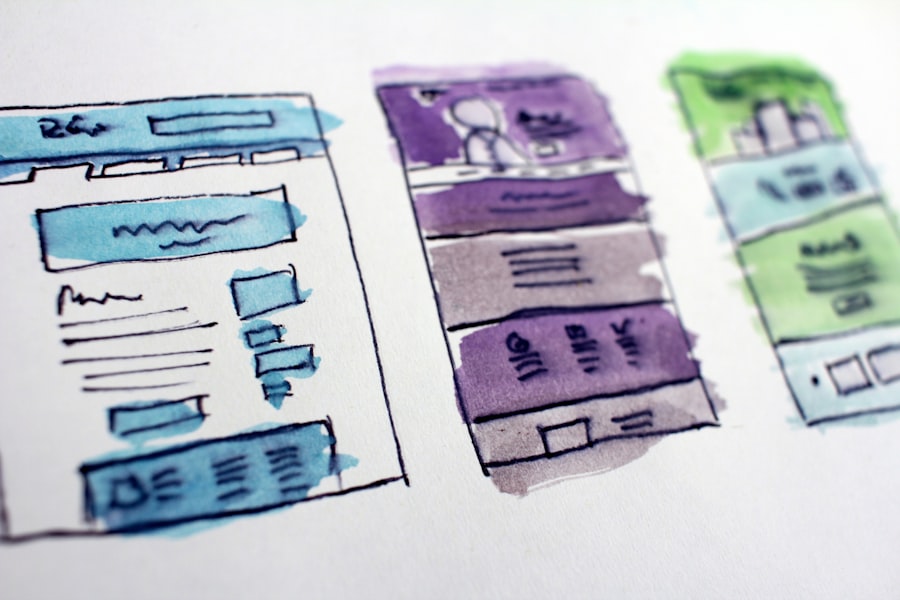

Once you know who you’re talking to, the next crucial step is what you’re saying. Your email content needs to be more than just promotional material; it needs to provide value, build relationships, and ultimately, encourage continued engagement.
The Art of the Subject Line: Your First Impression
Your subject line is your gatekeeper. It determines whether your email even gets opened.
KISS Principle: Keep It Short and Sweet
Your subject line should be concise and immediately convey the email’s core message or benefit. Avoid jargon or overly complex phrasing.
Spark Curiosity, Don’t Spoil It All
Intriguing subject lines encourage opens. Use questions, create a sense of urgency (when appropriate), or hint at exclusive content.
Personalization is Key: Using Their Name and Relevant Info
Including the recipient’s name or referencing their past interactions can significantly boost open rates.
A/B Testing Subject Lines: Data-Driven Optimization
Don’t guess what works. Test different subject lines to see which ones resonate best with your audience.
Body of the Email: Delivering Value and Building Connection
This is where you can truly shine and build lasting relationships.
Value-Driven Content: Beyond the Discount Code
While promotions have their place, your emails should primarily focus on providing value. This could include:
Educational Content: Tips, Guides, and How-Tos
Share your expertise! Offer content that helps your customers get more out of your products, solve problems, or learn something new related to your industry.
Behind-the-Scenes and Brand Storytelling: Humanizing Your Brand
Show the people behind your brand, share your company’s mission, or offer glimpses into your product development process. This builds trust and an emotional connection.
Industry News and Trends: Positioning Yourself as a Thought Leader
Keep your audience informed about developments in your industry. This positions you as a knowledgeable and valuable resource.
Personalization Beyond the Name: Tailoring the Message
Leverage the segmentation you’ve done to make each email feel like it was written specifically for the recipient.
Dynamic Content Blocks: Showing What Matters to Them
Use your email marketing platform to insert specific content blocks based on customer data. For example, show different product recommendations or featured articles to different segments.
Product Recommendations Based on Past Purchases and Browsing Behavior
This is a powerful way to keep customers engaged and encourage repeat purchases by showing them items they are likely to be interested in.
Addressing Specific Pain Points or Needs Based on Their Data
If you know a customer has a particular problem your product solves, tailor your content to demonstrate how you can help.
Clear Call to Action (CTA): Guiding Their Next Step
Every email should have a clear purpose and a prominent call to action, guiding the customer on what you want them to do next.
Making CTAs Obvious and Actionable
Use clear, concise language for your CTAs. “Shop Now,” “Learn More,” “Download the Guide,” “Redeem Your Offer.”
Strategic Placement of CTAs: Above the Fold and Throughout
Ensure your CTAs are easily visible. Consider placing one early in the email and then again towards the end.
Visual Appeal: Making Your Emails Engaging
Don’t underestimate the power of visuals.
Branded Design: Consistency is Key
Ensure your emails reflect your brand’s visual identity with consistent colors, fonts, and logos.
High-Quality Images and Graphics: Enhancing the Message
Use visually appealing images and graphics that complement your content and break up text.
Mobile Responsiveness: A Non-Negotiable
The majority of emails are opened on mobile devices. Your emails must look and function flawlessly on smaller screens.
Implementing Automated Email Workflows for Seamless Retention
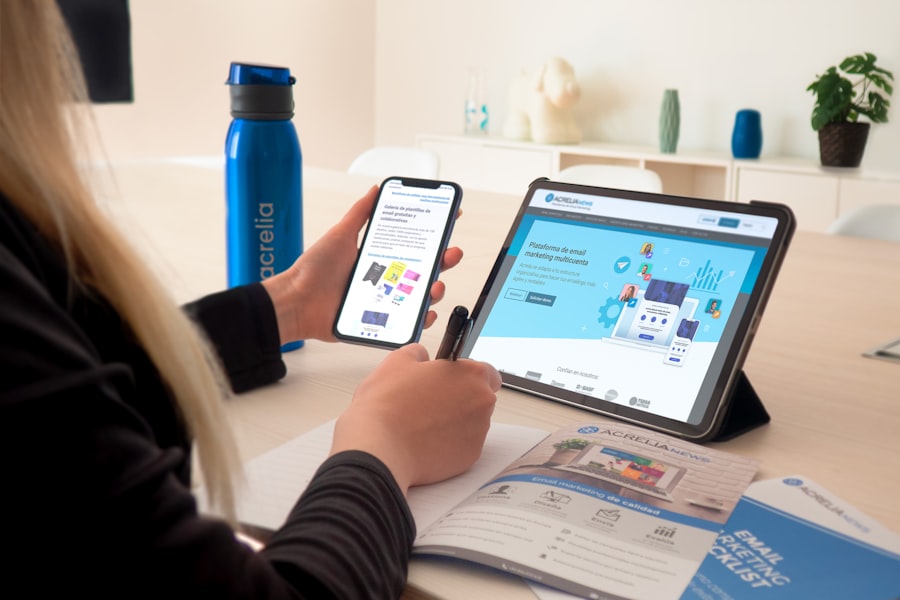
Automation is your secret weapon for consistent, timely, and personalized communication without taking up all your time. By setting up automated workflows (also known as drip campaigns or autoresponders), you can ensure that customers receive the right message at the right moment in their journey.
The Welcome Series: Setting the Stage Post-Purchase
As mentioned earlier, this is a critical workflow to get right.
Triggering the Series: Immediately After First Purchase
The automation should kick off the moment a customer completes their first order.
Sequenced Emails: Building Engagement Over Time
Your welcome series shouldn’t be a single email. It should unfold over several days or weeks, gradually introducing them to your brand and its offerings.
Email 1: Thank You and Order Confirmation (Already Covered)
Email 2: Product Usage Tips and Resources
Email 3: Introducing Your Brand’s Story and Values
Email 4: Encouraging Social Engagement or Reviews
Measuring Success: Open Rates, Click-Through Rates, and Conversion
Track how recipients engage with your welcome series to identify areas for improvement.
Cart Abandonment and Browse Abandonment Recovery Workflows
These are essential for recouping lost revenue and re-engaging interested prospects.
Setting Abandonment Triggers: Based on Time and Specific Actions
Define the criteria for triggering these emails. For cart abandonment, it might be adding an item to the cart and leaving without purchasing for a specific duration (e.g., 2 hours, 24 hours). For browse abandonment, it could be viewing a product page multiple times without adding to cart.
Personalized Woos: Offering Incentives or Reminders
The emails in these workflows should be personalized to the items left behind. Consider offering a small discount, free shipping, or simply a friendly reminder of what they nearly purchased.
Multi-Step Workflows: Increasing the Chances of Conversion
Sometimes, one email isn’t enough. Consider a series of emails for abandoned carts, with each subsequent email offering a slightly different angle or incentive.
Post-Purchase Follow-ups: Ensuring Satisfaction and Encouraging Repeat Business
Your relationship with a customer doesn’t end after the sale.
Satisfaction Surveys: Gauging Customer Happiness
A few days after delivery, send a short survey to gather feedback on their purchase and overall experience.
Product Care and Usage Guidance: Adding Ongoing Value
For certain products, providing ongoing tips on how to care for them or get the most out of them can be incredibly useful and appreciated.
Encouraging Reviews and Testimonials: Building Social Proof
Happy customers are your best advocates. Create automated workflows to gently ask for reviews on your website or third-party platforms.
Introducing Related Products or Complementary Items: Driving Future Sales
Based on their purchase, you can automate recommendations for products that go well with what they’ve bought.
Re-engagement Campaigns: Rekindling Dormant Relationships
For customers who haven’t interacted in a while, these workflows are crucial for winning them back.
Defining Dormancy: Setting the Timeframe
Decide what constitutes a ‘dormant’ customer for your business (e.g., no purchase in 6 months, no email opens in 3 months).
The “We Miss You” Series: Gentle Nudges and Value Offers
These emails should be carefully crafted to re-ignite interest, not annoy. Offer exclusive discounts, highlight new arrivals, or share valuable content.
Win-Back Offers: A Strong Incentive to Return
For customers who are truly lapsing, a more significant incentive might be needed to encourage them to come back.
In the realm of email marketing, understanding your audience is crucial for effective customer retention. A great resource that delves into this topic is an article on leveraging tracking pixels for audience insights, which can significantly enhance your email strategies. By incorporating these insights, you can tailor your campaigns to meet the specific needs of your customers. For more information, check out this insightful piece on leveraging tracking pixels for audience insights.
Measuring and Optimizing Your Email Marketing for Retention
| Metrics | Description |
|---|---|
| Open Rate | The percentage of recipients who opened the email. |
| Click-Through Rate (CTR) | The percentage of recipients who clicked on a link within the email. |
| Conversion Rate | The percentage of recipients who completed a desired action, such as making a purchase, after clicking on a link in the email. |
| Churn Rate | The percentage of customers who stopped using the product or service during a certain time period. |
| Customer Lifetime Value (CLV) | The predicted net profit attributed to the entire future relationship with a customer. |
The work doesn’t stop once you’ve sent your emails. To truly maximize customer retention, you need to constantly monitor your performance, analyze the data, and make iterative improvements.
Key Metrics for Retention-Focused Email Marketing
Focus on metrics that directly indicate customer loyalty and engagement.
Open Rate: How Many People Are Seeing Your Message?
While not the sole indicator of success, a healthy open rate suggests your subject lines and sender reputation are strong. Low open rates might point to issues with segmentation or subject line effectiveness.
Click-Through Rate (CTR): How Many People Are Interacting?
This metric tells you how compelling your email content and CTAs are. A low CTR could indicate that your content isn’t resonating or your CTAs aren’t clear enough.
Conversion Rate: Are Emails Leading to Desired Actions?
This is the ultimate measure of your email’s effectiveness in driving sales, sign-ups, or other actions that contribute to retention.
Unsubscribe Rate: Who’s Leaving and Why?
A rising unsubscribe rate is a red flag. Analyze who is unsubscribing and try to identify patterns. Are they in specific segments? Did they receive a particular type of email?
Customer Lifetime Value (CLV): The Big Picture
Ultimately, your goal is to increase CLV. Track how your email marketing efforts impact the total revenue generated by your customers over their entire relationship with your brand.
Repeat Purchase Rate: Are Customers Coming Back?
This is a direct measure of retention. Are your emails encouraging customers to make subsequent purchases?
Analyzing Your Data for Insights and Improvements
Don’t just look at the numbers; understand what they mean.
A/B Testing Everything: From Subject Lines to CTAs
Continuously test different elements of your email campaigns. Test subject lines, sender names, content, CTAs, send times, and even the structure of your emails. Data-driven decisions lead to optimized results.
Segment Performance Analysis: Understanding What Works for Whom
Dive deep into the performance of your emails across different segments. Which segments are most engaged? Which segments are responding to specific offers? This can help you refine your segmentation and tailor your messaging even further.
Identifying Drop-off Points in Your Workflows: Where Are You Losing Them?
Examine your automated workflows critically. If customers are engaging with the first few emails but then dropping off, there’s a problem in the later stages. Identify these drop-off points and brainstorm solutions.
Feedback Loops: Listening to Your Customers
Pay attention to customer replies to your emails, survey responses, and social media comments. This direct feedback can provide invaluable insights that data alone might not reveal.
Iterative Optimization: The Continuous Improvement Cycle
Email marketing for retention is not a “set it and forget it” endeavor. It’s an ongoing process of refinement.
Regular Performance Reviews: Scheduling Your Analysis
Make time to regularly review your email marketing performance. This could be weekly, monthly, or quarterly, depending on your business and the volume of your email activity.
Implementing Changes Based on Data: Actionable Insights
Once you’ve identified areas for improvement, act on them. Implement A/B test results, refine your segmentation, update your content, and tweak your automation workflows.
Staying Ahead of the Curve: Evolving Best Practices
The world of email marketing is constantly evolving. Stay informed about new trends, technologies, and best practices to ensure your strategy remains effective. By consistently focusing on providing value, personalizing your communication, and leveraging automation, you can transform your email marketing from a simple communication tool into a powerful engine for driving customer loyalty and long-term business success.
FAQs
What is email marketing for customer retention?
Email marketing for customer retention is a strategy used by businesses to engage and retain existing customers through targeted email campaigns. It involves sending personalized and relevant content to customers to encourage repeat purchases and foster long-term relationships.
Why is email marketing important for customer retention?
Email marketing is important for customer retention because it allows businesses to stay connected with their existing customers, build brand loyalty, and encourage repeat purchases. It is a cost-effective way to communicate with customers and provide them with valuable information and offers.
What are some best practices for using email marketing for customer retention?
Some best practices for using email marketing for customer retention include segmenting your email list based on customer behavior and preferences, personalizing your email content, providing valuable and relevant information, and using automation to send targeted messages at the right time.
How can businesses measure the success of their email marketing for customer retention efforts?
Businesses can measure the success of their email marketing for customer retention efforts by tracking key metrics such as open rates, click-through rates, conversion rates, and customer lifetime value. They can also use A/B testing to optimize their email campaigns and monitor customer engagement and feedback.
What are some examples of effective email marketing strategies for customer retention?
Some examples of effective email marketing strategies for customer retention include sending personalized product recommendations based on past purchases, offering exclusive discounts and promotions to loyal customers, and sending regular newsletters with valuable content and updates. Additionally, businesses can use email to gather feedback from customers and provide excellent customer service.