



You’re staring at an empty screen, cursor blinking mockingly. Another campaign launch looms, and the clock is ticking. The marketing team is buzzing, but beneath the surface, you feel the familiar dread of crafting compelling emails from scratch. You know the drill: subject lines that practically guarantee an open, body copy that resonates and drives action, and calls to action that convert. It’s a monumental task, especially when you’re juggling multiple campaigns, deadlines, and a thousand other responsibilities. But what if there was a way to bypass the endless hours of writing, rewriting, and A/B testing every single email? What if you could accelerate your campaign launches, reduce your stress, and still deliver exceptional results?
You see, the secret weapon you’re overlooking is the strategic use of effective email templates. These aren’t just pre-written snippets; they are carefully constructed frameworks designed to guide your messaging, optimize for engagement, and, most importantly, save you invaluable time. Imagine having a library of proven email structures at your fingertips, ready to be customized and deployed in a fraction of the time it currently takes. That’s the power of effective email templates, and in this guide, you’ll discover how to harness it to supercharge your campaign launches.
Let’s be honest, you’ve probably dabbled with templates before. Maybe you’ve used a generic welcome email or a basic sales follow-up. But you might not have fully embraced their potential. This section will demonstrate why a robust template strategy isn’t just a luxury; it’s a necessity for any marketer looking to thrive in today’s fast-paced digital landscape.
Consistency Breeds Familiarity and Trust
Think about your favorite brands. Their messaging, their tone, their aesthetic – it all feels cohesive, doesn’t it? That consistency isn’t accidental; it’s meticulously planned. When you use email templates, you’re essentially building that same level of brand consistency into your communication.
- Reinforcing Brand Voice: Every email you send becomes an extension of your brand. Templates allow you to pre-define your brand’s voice – whether it’s playful, authoritative, empathetic, or innovative. This ensures that even when different team members are crafting emails, the underlying tone remains consistent. Your audience will begin to recognize your brand not just by your logo, but by the very words you use.
- Visual Cohesion Across Campaigns: Beyond the words, the visual presentation of your emails is crucial. Templates enable you to standardize your email design – from header and footer elements to font choices and button styles. This visual consistency creates a professional and polished image, making your emails instantly recognizable and building trust with your subscribers. No more jarring design shifts from one campaign to the next; just a seamless brand experience.
- Building Brand Recall: Repetition, when done correctly, is a powerful tool. When your audience consistently receives emails that look and sound like you, it strengthens their recall of your brand. This means that when they think of the products or services you offer, your brand is one of the first that comes to mind. Templates are the backbone of achieving this consistent, memorable brand presence.
Efficiency: Your Most Valuable Asset
Time is a finite resource, and in marketing, it feels like it’s always in short supply. You’re constantly battling deadlines, juggling multiple projects, and striving to get more done with less. This is where the sheer efficiency of email templates shines brightly.
- Drastically Reducing Creation Time: Imagine launching a new product. You need a series of pre-launch teasers, an announcement email, a follow-up, and perhaps an offer email. Without templates, you’re starting from scratch for each one, spending hours on formatting, copywriting, and proofreading. With templates, you simply select the appropriate structure, drop in your specific content, and make minor tweaks. This cuts creation time from hours to minutes.
- Streamlining Approval Processes: If your marketing team has an approval process (and most do), templates can significantly speed it up. Because the core structure, branding, and often key messaging elements are pre-approved, reviewers can focus on the specific campaign details rather than scrutinizing every single word and design element. This leads to faster sign-offs and quicker campaign deployment.
- Allocating Resources More Strategically: When your team isn’t bogged down by repetitive email creation tasks, they can dedicate their valuable time and expertise to more strategic initiatives. This could mean deeper market research, more innovative campaign ideation, advanced A/B testing of specific elements, or exploring new marketing channels. Templates free up your human capital to focus on high-impact activities.
Reducing Errors and Improving Quality
Let’s face it, human error is inevitable. A typo here, a broken link there – these small mistakes can undermine your credibility and impact your campaign’s effectiveness. Templates act as a powerful safeguard against many common pitfalls.
- Minimizing Typos and Grammatical Errors: When you’re rushing to craft an email from scratch, the likelihood of overlooking a typo or a grammatical error increases. With templates, the core structure and often common phrases are already polished and error-free. You’re primarily focusing on inserting new, specific information, which reduces the surface area for mistakes.
- Ensuring Functionality (Links, CTAs): How many times have you sent an email only to realize a link was broken or the CTA wasn’t properly configured? Templates allow you to pre-build functional links, merge tags, and call-to-action buttons. You simply update the destination URL or the specific text, knowing that the underlying functionality is sound. This saves you the embarrassment and lost conversions of broken features.
- Maintaining Legal and Compliance Standards: Depending on your industry, there might be specific legal disclaimers, unsubscribe links, or privacy policy statements that must be included in every email. Templates ensure these crucial elements are present and correctly formatted every single time, removing the risk of costly legal repercussions or compliance violations.
For small businesses looking to enhance their email marketing efforts, utilizing effective email templates can significantly streamline campaign launches. A related article that delves deeper into optimizing email communications is “Mastering Advanced Personalization with Spintags: Stop Sounding Like a Robot.” This article offers insights on how to incorporate advanced personalization techniques to make your emails more engaging and tailored to your audience. You can read it here: Mastering Advanced Personalization with Spintags.
Building Your Essential Email Template Library
Now that you’re convinced of the power of templates, your next step is to build a robust and versatile library. This isn’t about creating fifty identical templates; it’s about crafting distinct skeletal structures that can be adapted to various campaign objectives. Think of it as creating a wardrobe of outfits, each suitable for a different occasion.
Welcome Series Templates
The welcome series is arguably the most critical email sequence you send. It sets the tone for your relationship with a new subscriber, so getting it right is paramount. You shouldn’t just have one; you should have a few variations to cater to different entry points or goals.
- Basic Welcome & Onboarding: This foundational template introduces your brand, reiterates the value proposition, and guides the new subscriber on their first steps. It should be warm, informative, and immediately provide value. Consider including links to your most popular content, a quick product tour, or an invitation to join your community.
- Segmented Welcome (e.g., Based on Download, Purchase): Not all new subscribers arrive the same way. A user who downloaded an ebook has different immediate needs than someone who just made a purchase. Create welcome templates that acknowledge their specific entry point. For the ebook download, you might reiterate the benefits of the content and suggest related resources. For the purchaser, a thank you, order confirmation, and information on next steps are essential.
- Welcome with an Exclusive Offer: Sometimes, a new subscriber needs a little nudge to convert. A welcome template that includes an exclusive discount, a free trial, or a special bonus can be highly effective in driving that initial conversion and reinforcing their decision to join your audience.
Promotional & Sales Campaign Templates
This is where the rubber meets the road for many businesses. Your promotional emails are designed to generate leads, drive sales, and announce new offerings. Having a diverse set of templates here will empower you to launch campaigns rapidly.
- New Product/Service Launch Announcement: This template needs to be exciting and informative. It should highlight the problem your new offering solves, its key features, and how customers can get started. Include compelling visuals and a clear call to action (e.g., “Learn More,” “Shop Now”).
- Limited-Time Offer/Flash Sale: Urgency is key here. Your template should clearly communicate the discount, the deadline, and the sense of exclusivity. Utilize countdown timers (if supported by your email platform) and strong, action-oriented language. The layout should be clean, making the offer the undeniable focal point.
- Seasonal/Holiday Campaign: These campaigns often require a distinct look and feel. Create templates that can be easily customized with seasonal imagery, holiday-themed copy, and relevant product recommendations. Think about templates for Black Friday, Christmas, Valentine’s Day, etc., allowing you to quickly swap out details each year.
- Event/Webinar Invitation: If you host events, this template is invaluable. It needs to provide all the essential details: date, time, topic, speakers, and a clear registration link. Include a compelling reason why they should attend, highlighting the benefits they’ll gain.
Engagement & Nurturing Templates
Not every email is about making a sale right now. Many are about building relationships, providing value, and keeping your audience engaged for the long term. These templates help you nurture leads and foster brand loyalty.
- Educational Content Share (Blog Post, Guide): When you publish new content, you want to share it efficiently. This template should have a compelling introduction to the content, a brief summary of what the recipient will learn, and a clear call to action to “Read More.” It reinforces your position as a thought leader.
- Customer Story/Testimonial Highlight: Social proof is incredibly powerful. Dedicate a template to showcasing success stories or testimonials. This builds trust and helps potential customers visualize themselves benefiting from your product or service.
- Feedback/Survey Request: Understanding your audience is crucial. This template makes it easy to solicit feedback. Keep it concise, explain why their feedback is important, and provide a direct link to your survey or feedback form. You might even offer a small incentive for their time.
- Re-engagement/Win-back Campaign: For subscribers who have become inactive, a series of re-engagement templates can be a lifesaver. These aim to reignite interest, perhaps with an exclusive offer, a reminder of your value, or an invitation to update their preferences.
Transactional Templates
While often overlooked in a “campaign” context, transactional emails are vital for customer experience and can even drive additional sales.
- Order Confirmation/Shipping Updates: These essential emails confirm a purchase and keep the customer informed about their delivery. While primarily informative, they can also include subtle upsell or cross-sell opportunities, or invitations to follow your social media.
- Password Reset/Account Updates: These are critical for security and user experience. They need to be clear, secure, and easy to understand. While their primary function is utility, consistent branding in these helps in maintaining a cohesive user experience.
Best Practices for Template Creation and Usage
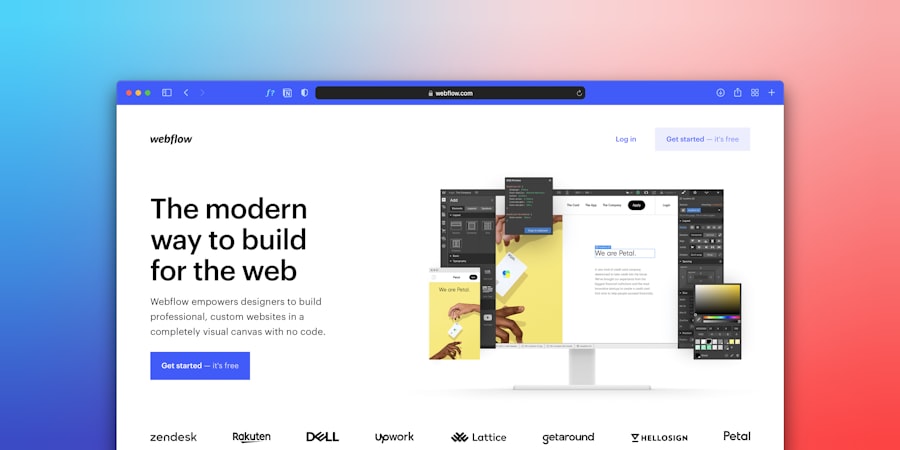

Having a library of templates is one thing; using them effectively is another. You need a strategy for how you’ll create, customize, and manage these valuable assets to maximize their impact.
Think Modularly: Blocks and Sections
Don’t just think of an email as one monolithic piece. Break it down into reusable components. This modular approach provides immense flexibility.
- Header & Footer Sections: These typically contain your logo, navigation links, social media icons, unsubscribe link, and legal disclaimers. Create standardized versions that can be easily dropped into any email. This ensures consistent branding and compliance across the board.
- Introduction/Opening Blocks: Different campaigns might have different opening hooks. Have a few variations – one for direct announcements, one for storytelling, one for questions, etc. – that set the stage effectively.
- Call-to-Action (CTA) Blocks: Your CTA is paramount. Design several compelling CTA blocks with varying button styles, colors, and supporting text. This allows you to quickly select the most appropriate one for your specific campaign goal.
- Image & Video Blocks: Visuals are essential. Create blocks that easily accommodate images, image galleries, or embedded video. Think about different aspect ratios and how text will wrap around them. This removes the headache of struggling with layout each time.
- Product/Feature Highlight Blocks: For product-based businesses, having blocks designed to showcase specific products, their features, and benefits, complete with links to product pages, is incredibly time-saving.
Personalization Goes Beyond First Names
While templates provide structure, dull uniformity is the enemy of engagement. You must personalize. And no, that doesn’t just mean addressing the recipient by their first name.
- Leverage Dynamic Content/Merge Tags: Your email marketing platform likely supports dynamic content. Use it! This allows you to pull in data points like past purchases, browse history, geographic location, or lifecycle stage to customize the email’s content. A template might have a placeholder for “recently viewed products,” which your system then populates with relevant items for each individual.
- Segment Your Audience Strategically: A single template can often be used for multiple segments, but the content within that template should be tailored. A “new product announcement” template sent to your “power users” might highlight advanced features, while the same template sent to “new subscribers” might focus on ease of use and basic benefits.
- Incorporate Behavioral Triggers: Templates pair perfectly with behavioral automations. For instance, if someone abandons their cart, a templated “abandoned cart reminder” can be instantly triggered, populated with the specific items they left behind. When a customer celebrates their one-year anniversary with your service, a templated “anniversary thank you” with a special offer can be automatically sent. This allows for hyper-relevant, timely communication at scale.
Test, Iterate, and Optimize Continuously
Templates are not static artifacts; they are living documents. To truly accelerate your campaigns, you must commit to continuous improvement.
- A/B Test Key Elements Within Templates: Don’t just test entire emails. A/B test specific elements within your templates. For example, test two different CTA block designs: one with more descriptive text, another with more urgent language. Test different subject line structures built into your general announcement template. Over time, you’ll accumulate data on what works best within your repeatable email framework.
- Analyze Performance Data Regularly: After each campaign launch using a template, dive into the analytics. What were the open rates, click-through rates, conversion rates, and unsubscribe rates? Identify which templates or which elements within templates are performing exceptionally well, and which are underperforming.
- Update and Refine Templates Based on Learnings: The insights you gain from testing and analysis should directly feed back into your template library. If you find a particular CTA design consistently outperforms others, update your default CTA block in your templates. If a certain type of subject line leads to higher opens, incorporate that structure into your relevant templates. This iterative process ensures your templates are always evolving to deliver maximum impact.
The Workflow Transformation: From Manual to Agile
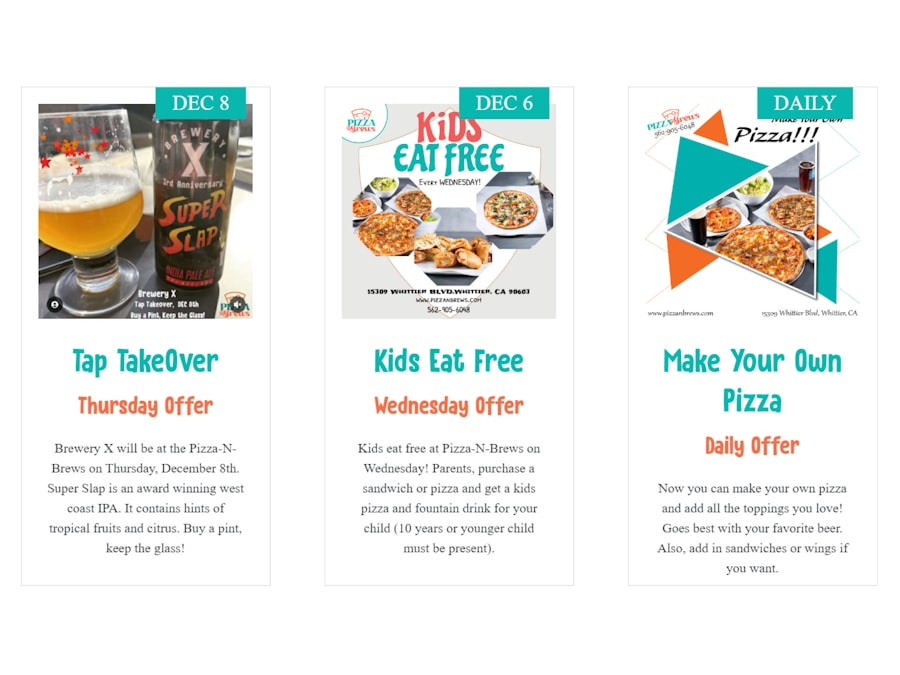

Embracing effective email templates isn’t just about saving time; it’s about fundamentally transforming your marketing workflow. You’re moving from a reactive, laborious process to a proactive, agile one.
Faster Campaign Setup and Deployment
This is the most immediate and tangible benefit you’ll experience.
- Reduced Design and Copywriting Overheads: The biggest time sinks in email creation are often design and initial copywriting. With templates, your design is already codified, and significant portions of your copy (e.g., standard intros, benefits lists, closing sentiments) are pre-written. You’re no longer staring at a blank page, but slotting bespoke content into a proven structure.
- Quick Adaptation for Multiple Segments: Need to send a slight variation of your promotional email to five different customer segments? Without templates, this means five separate creation efforts. With templates, you simply duplicate the template, apply the dynamic content rules for each segment, and make minor, targeted copy adjustments. What once took hours now takes minutes.
- Enabling Rapid Response Marketing: Imagine a sudden news event or a competitor move that opens an opportunity. With templates, you can quickly craft a relevant, on-brand email and send it out while the opportunity is hot. This agility is a game-changer for capturing fleeting moments of engagement.
Enhanced Team Collaboration and Scalability
A robust template library benefits more than just the individual marketer; it elevates the entire team.
- Standardized Approach for All Team Members: New hires can get up to speed much faster when they have access to a library of proven templates. They don’t have to guess at brand voice or design best practices; it’s all laid out for them. This creates a more consistent and efficient output across the team.
- Easier Handoffs Between Campaigns/Projects: When a campaign transitions from one person to another, templates ensure continuity. The new team member doesn’t have to reverse-engineer past emails; they can simply pick up the established template framework and continue building.
- Scaling Marketing Efforts Without Sacrificing Quality: As your business grows, your marketing needs will inevitably expand. You’ll need to reach more segments, launch more products, and send more emails. Templates allow you to scale your email marketing efforts dramatically without compromising on brand consistency, quality, or efficiency. You can do more with the same or even fewer resources dedicated to email creation.
Deeper Focus on Strategy, Not Execution
Ultimately, the greatest benefit of a well-utilized template library is the shift in your mental landscape and your team’s focus.
- More Time for Strategic Planning: When you’re not bogged down in the minutiae of email creation, you have more bandwidth for higher-level strategic thinking. You can dedicate time to refining your overall marketing strategy, identifying new market opportunities, understanding customer psychology, and planning your next big marketing initiative.
- Greater Emphasis on A/B Testing and Optimization: With the creation process streamlined, your focus naturally shifts to what truly moves the needle: optimization. You have more time to design sophisticated A/B tests, analyze the results in-depth, and implement data-driven improvements to your email campaigns.
- Improved Campaign Performance and ROI: All of these benefits – consistency, efficiency, personalization, better collaboration, and strategic focus – coalesce into one undeniable outcome: improved campaign performance. Your emails will be more effective, your conversions will increase, and ultimately, your return on investment for your email marketing efforts will accelerate.
In the fast-paced world of small business marketing, having effective tools at your disposal can make all the difference. One such resource is the article on unlocking email design, which discusses how to fix broken looks with tested templates. This insightful piece can be found here and complements the strategies outlined in “Email Templates That Help Small Businesses Launch Campaigns Faster.” By leveraging these templates, businesses can enhance their email campaigns and engage their audience more effectively.
Your Call to Action: Start Building Your Template Library Today
| Email Template Type | Usage | Benefits |
|---|---|---|
| Welcome Email | Introduce new subscribers to the brand | Builds brand loyalty and engagement |
| Promotional Email | Promote products or services | Drives sales and conversions |
| Newsletter Email | Share company updates and industry news | Keeps subscribers informed and engaged |
| Abandoned Cart Email | Recover potential lost sales | Increases conversion rates |
You’ve seen the undeniable benefits. You understand the “why,” the “what,” and the “how.” Now, it’s time to act. Don’t let another campaign launch be hampered by the tedious, manual creation of emails from scratch.
Start small. Identify the email types you send most frequently. Craft one or two core templates. Get your team’s buy-in. Test them. Learn from them. And then, steadily, build out your comprehensive library. This isn’t just about making your life easier (though it certainly will); it’s about making your marketing more impactful, more consistent, and ultimately, more successful. The blank screen still awaits some copy, but now, it’s not for an entirely new email. It’s for the bespoke details that breathe life into your pre-engineered, high-performing email templates, ready to accelerate your next campaign launch to unprecedented heights.
FAQs
What are email templates for small businesses?
Email templates for small businesses are pre-designed layouts for email campaigns that can be customized with the business’s branding, message, and call-to-action. These templates help small businesses save time and effort in creating professional-looking emails for their marketing campaigns.
How can email templates help small businesses launch campaigns faster?
Email templates can help small businesses launch campaigns faster by providing a ready-made structure for their marketing emails. Instead of starting from scratch, businesses can simply customize the template with their own content, saving time and effort in the process.
What are the benefits of using email templates for small businesses?
Using email templates for small businesses can offer several benefits, including saving time, maintaining brand consistency, and ensuring professional-looking emails. Templates also provide a framework for effective email marketing strategies, such as promotional offers, newsletters, and event announcements.
Where can small businesses find email templates?
Small businesses can find email templates from various sources, including email marketing platforms, website builders, and graphic design tools. Many of these platforms offer a range of customizable templates that cater to different industries and campaign types.
How can small businesses customize email templates for their campaigns?
Small businesses can customize email templates by adding their own branding elements, such as logos, colors, and fonts. They can also tailor the content to fit their specific campaign goals and target audience, ensuring that the email template effectively communicates their message.