



You know that feeling when you’ve poured your heart and soul into an email campaign, hit “send,” and then… crickets? Or worse, a trickle of sales that barely justifies the effort? If you’re serious about revenue, that feeling needs to be replaced with a clear understanding of what’s working, what’s not, and how to continuously optimize your email marketing for maximum profitability. This isn’t just about sending pretty emails; it’s about strategically leveraging data to transform your email list into a powerful revenue-generating machine.
You’ve probably been fixated on open rates. And while knowing how many people see your emails is important, it’s just the tip of the iceberg. True engagement delves deeper, revealing whether your content resonates, whether your calls to action are compelling, and ultimately, whether your subscribers are truly interested enough to take the next step. Relying solely on opens is like judging a book by its cover; you need to understand what’s happening on the pages inside.
Click-Through Rate (CTR): The Gateway to Your Offer
Your CTR is a foundational metric that tells you how many people are not just opening your email, but also clicking on at least one link within it. This is your first real indication of interest beyond a casual glance. A high CTR suggests your subject line was compelling, your email content was engaging, and your call to action was clear and enticing. A low CTR, however, indicates a disconnect – perhaps your message wasn’t relevant, your design was confusing, or your offer wasn’t appealing enough.
- How to Boost Your CTR:
- Compelling Calls to Action (CTAs): Use strong, action-oriented language. Instead of “Click Here,” try “Shop the Collection,” “Download Your Guide,” or “Claim Your Discount.” Make them visually distinct and easy to find.
- Segment Your Audience: Send highly targeted content. A product recommendation for someone who just viewed that product is far more likely to get a click than a generic promotional email.
- Optimize Email Design: Ensure your emails are easy to read on both desktop and mobile. Cluttered designs or tiny text will deter clicks.
- A/B Test Everything: Experiment with different CTA placements, button colors, link text, and even the number of links in your email.
- Offer Value: Give people a reason to click. Is there an exclusive discount, valuable information, or a sneak peek at a new product?
Click-to-Open Rate (CTOR): The Real Engagement Metric
The CTOR takes your understanding of engagement a step further. Instead of simply dividing clicks by all delivered emails, it divides clicks by opened emails. This gives you a more accurate picture of how engaging your content is among those who actually saw it. A high open rate combined with a low CTOR means your subject lines are great at getting attention, but your email content isn’t delivering on the promise or engaging your audience effectively.
- How to Improve Your CTOR:
- Deliver on Subject Line Promise: Your email content must directly relate to and expand upon what your subject line teased. Misleading subject lines lead to quick exits.
- Scannable Content: Most people skim emails. Use headings, bullet points, and short paragraphs to make your message easy to digest.
- Personalization Beyond the First Name: Integrate past purchase history, browsing behavior, or stated preferences to make the content highly relevant to each subscriber.
- Strong Visuals: Use high-quality images and videos that enhance your message without overwhelming the email.
- Single-Minded Purpose: Ensure each email has a clear, singular goal and a primary call to action. Avoid confusing your subscribers with too many options.
Conversion Rate: The Ultimate Goal Achieved
Ultimately, engagement means little without conversion. Whether it’s a purchase, a download, a service inquiry, or a sign-up, your conversion rate tells you what percentage of your clicked-through subscribers completed your desired action. This is where your email marketing efforts translate directly into business results. A high CTR and CTOR are excellent, but if they don’t lead to conversions, you’re missing the mark.
- Boosting Your Conversion Rate:
- Seamless Landing Pages: Ensure the landing page your email links to is perfectly aligned with the email’s message, user-friendly, loads quickly, and has a clear conversion path.
- Frictionless Checkout/Sign-Up: Minimize the number of steps required to complete a purchase or fill out a form. Offer guest checkout options.
- Social Proof and Urgency: Incorporate customer testimonials, reviews, and create a sense of urgency (e.g., “Limited time offer,” “Only X left in stock”) where appropriate.
- Retargeting and Abandoned Cart Emails: Don’t let interested prospects slip away. Send follow-up emails to those who viewed products or abandoned their carts.
- Personalized Recommendations: Leverage data to suggest products or services that individual subscribers are most likely to convert on.
To effectively enhance your email marketing strategy and drive revenue growth, it’s crucial to understand the key metrics that can influence your campaigns. A related article that delves deeper into essential email metrics is titled “10 Email Metrics You Need to Keep Your Eye On.” This resource provides valuable insights into the specific metrics that can help you optimize your email performance and ultimately boost your revenue. You can read the article here: 10 Email Metrics You Need to Keep Your Eye On.
Quantifying Financial Impact: The Revenue-Driven Metrics
While engagement metrics are crucial for understanding why people interact with your emails, the financial impact metrics tell you how much your emails are contributing to your bottom line. These are the numbers that justify your marketing spend and prove the ROI of your email marketing strategy. You need to speak the language of revenue if you want your efforts to be taken seriously.
Revenue per Email (RPE): Your Bottom-Line Power Indicator
Revenue per Email, sometimes known as Revenue per Subscriber, is arguably one of the most direct measures of your email marketing effectiveness. It calculates the total revenue generated from an email campaign divided by the number of emails delivered. This metric allows you to directly compare the financial performance of different campaigns and identify your most profitable strategies. You want to see this number steadily climb.
- How to Increase RPE:
- Optimize All Previous Metrics: Higher open rates, CTORs, and conversion rates naturally lead to higher RPE. Focus on improving these foundational elements.
- Increase Average Order Value (AOV): Employ strategies like cross-selling and up-selling within your emails. Suggest complementary products or offer bundles.
- Strategic Discounting and Promotions: Use discounts thoughtfully. Rather than constant blanket sales, target specific segments with personalized offers that nudge them towards larger purchases.
- Re-engagement Campaigns: Actively nurture inactive subscribers to bring them back into the purchasing fold. A re-engaged customer is more likely to spend.
- Lifetime Value (LTV) Considerations: Focus on building long-term relationships through valuable content, which can lead to repeat purchases and higher LTV, indirectly boosting RPE over time.
To effectively enhance your email marketing strategy and drive revenue growth, understanding the right metrics is crucial. A related article that delves into the importance of accessibility in email campaigns can provide valuable insights into how inclusive practices can improve engagement and conversion rates. You can read more about this topic in the article on future-proofing email accessibility, which emphasizes the significance of creating campaigns that cater to diverse audiences.
Average Order Value (AOV) from Email: Maximizing Each Transaction
When a subscriber clicks through your email and makes a purchase, how much do they typically spend? That’s your Average Order Value (AOV) from email. This metric helps you understand if your email campaigns are not only driving sales but also driving larger sales. You want to encourage customers to fill their carts with more valuable items, increasing the overall worth of each transaction generated through email.
- Strategies to Boost AOV from Email:
- Product Bundling: Promote curated bundles of complementary products at a slightly reduced price compared to buying them individually. “Bundle and Save!”
- Cross-Sell and Up-Sell Recommendations: In your email, highlight “Customers who bought this also bought…” or “Upgrade to the premium version.” Make these suggestions highly relevant.
- Free Shipping Thresholds: Clearly communicate a free shipping threshold that encourages subscribers to add an extra item or two to reach that goal.
- Tiered Discounts: Offer discounts that increase with spending (e.g., “Spend $50, get 10% off; Spend $100, get 20% off”).
- Personalized Curations: Based on past purchases or browsing, suggest slightly higher-priced, but highly relevant items that offer more features or perceived value.
Return on Investment (ROI): The Ultimate Justification
This is the big one. Your email marketing ROI measures the profitability of your email campaigns relative to the cost of running them. It’s the metric that will solidify your budget requests and demonstrate the undeniable value your email efforts bring to the business. You can calculate it as ((Revenue from Email – Cost of Email Marketing) / Cost of Email Marketing) * 100. A positive ROI means you’re making more money than you’re spending.
- Maximizing Your Email Marketing ROI:
- Efficient Platform Usage: Ensure you’re leveraging your email service provider (ESP) to its full potential, automating where possible, and not overpaying for unused features.
- Cost-Effective Content Creation: Streamline your content creation process. Use templates, recycle evergreen content, and develop reusable assets to reduce design and copywriting costs.
- List Hygiene: Regularly clean your email list to remove inactive subscribers, hard bounces, and spam traps. Sending to a smaller, engaged list is cheaper and more effective.
- Continuous Optimization: Consistently A/B test and analyze all the other metrics to continuously refine your strategy and improve conversion rates and AOV, thus increasing revenue without necessarily increasing costs.
- Attribution Modeling: Understand how email contributes to the customer journey. Is it the first touch, the last touch, or an assisting channel? Use accurate attribution models to ensure email gets the credit it deserves.
Understanding Your Audience: List Health & Deliverability


Even the most perfectly crafted, high-converting email is worthless if it doesn’t reach the inbox or if it’s wasted on uninterested recipients. Your list health and deliverability metrics are the unsung heroes of revenue generation, ensuring your message actually has a chance to be seen and acted upon. Neglecting these areas is like trying to fill a bucket with holes – no matter how much you pour in, you’ll lose most of it.
List Growth Rate: Fueling Your Future Revenue
Your list growth rate tells you how quickly your email list is expanding. A healthy, growing list ensures a continuous stream of new prospects and potential customers. While quality trumps quantity, a strong growth rate, paired with effective lead nurturing, is essential for sustained revenue growth. If your list is stagnating or shrinking, you’re losing future revenue opportunities.
- Strategies for Healthy List Growth:
- Opt-in Forms: Place engaging and clearly visible opt-in forms across your website, blog, and social media.
- Lead Magnets: Offer valuable incentives like e-books, exclusive discounts, webinars, or free tools in exchange for an email address.
- Social Media Promotion: Actively promote your email list on social media channels, highlighting the exclusive content or benefits subscribers receive.
- Pop-ups and Exit-Intent Forms: Use strategically timed pop-ups or exit-intent forms to capture departing visitors before they leave your site.
- Partnerships and Cross-Promotion: Collaborate with complementary businesses to cross-promote each other’s email lists.
Unsubscribe Rate: A Whisper of Discontent
While it might sting, your unsubscribe rate is a critical piece of feedback. It tells you what percentage of your subscribers are choosing to opt-out of your communications. A high unsubscribe rate signals that your content isn’t meeting expectations, your sending frequency is too high, or your audience isn’t well-segmented. Don’t hide from this metric; learn from it.
- Actions to Lower Unsubscribe Rates:
- Set Clear Expectations: Be upfront during signup about what subscribers will receive and how often.
- Segment Your List Wisely: Ensure subscribers are receiving content relevant to their interests and past behavior.
- Offer Preference Centers: Allow subscribers to choose the types of emails they want to receive and how frequently, rather than forcing a full unsubscribe.
- Maintain Content Quality: Consistently deliver high-value, engaging, and relevant content that provides utility or entertainment.
- Don’t Over-Send: Find the right balance for your audience. Too many emails can lead to fatigue and unsubscribes.
- Analyze Feedback: If possible, offer a short survey at the unsubscribe page to understand why they’re leaving.
Bounce Rate: The Obstacle to Your Message
Your bounce rate represents the percentage of emails that couldn’t be delivered to the inbox. There are two types:
- Soft Bounces: Temporary delivery issues (e.g., full inbox, server downtime). These usually resolve themselves.
- Hard Bounces: Permanent delivery failures (e.g., invalid email address, non-existent domain). Hard bounces severely damage your sender reputation.
A high bounce rate indicates issues with your list quality, potentially leading to lower deliverability for your entire list and even blacklisting.
- Minimizing Bounce Rates:
- Double Opt-in: Implement a double opt-in process to confirm email addresses are valid when subscribers sign up.
- Regular List Cleaning: Routinely remove hard bounces from your list. Many ESPs do this automatically, but monitor it.
- Email Validation Tools: Use email validation services to verify addresses in real-time during signup or periodically clean older lists.
- Avoid Purchased Lists: Never buy email lists. They are notorious for high bounce rates and low engagement, severely harming your sender reputation.
- Monitor Spam Complaint Rates: Keep an eye on how many people mark your emails as spam. A high rate (anything above 0.1% can be problematic) signals a major issue with relevance or consent.
Refining Your Strategy: The Iterative Process
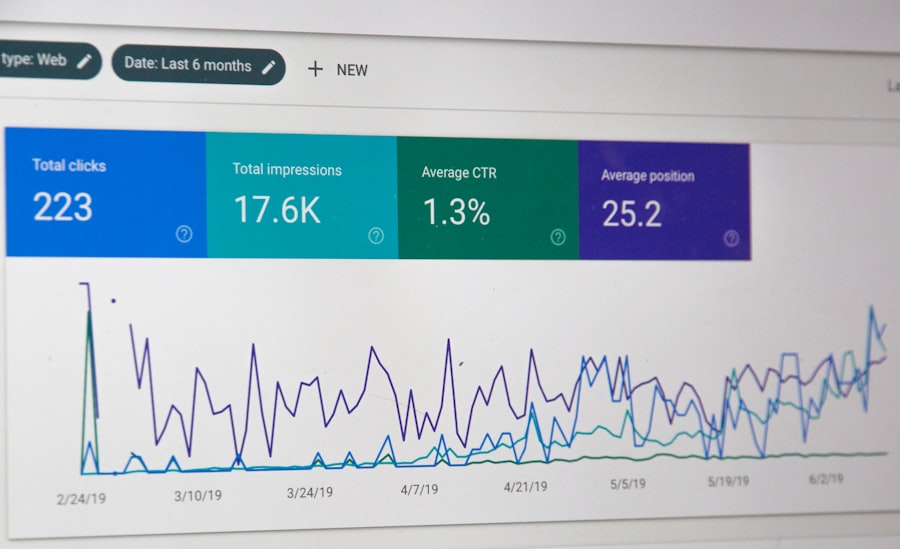

Email marketing isn’t a “set it and forget it” endeavor. It’s a continuous cycle of creation, measurement, analysis, and refinement. The metrics we’ve discussed aren’t static numbers; they are dynamic indicators that provide actionable insights. Your goal isn’t just to track them, but to use them as a compass guiding your strategy towards ever-increasing revenue.
A/B Testing Results: Your Blueprint for Improvement
A/B testing is your secret weapon for continuous improvement. By testing different elements of your emails against each other (e.g., subject lines, CTAs, visuals, personalization), you gather data on what resonates best with your audience. This data then informs future campaigns, allowing you to gradually optimize every aspect of your email strategy. You’re not guessing anymore; you’re making data-driven decisions.
- Effective A/B Testing Practices:
- Test One Variable at a Time: To accurately determine cause and effect, change only one element per test (e.g., subject line or CTA button color, but not both).
- Establish a Clear Hypothesis: Before you test, predict which version you think will perform better and why.
- Ensure Statistical Significance: Don’t draw conclusions from small sample sizes. Run tests long enough to gather sufficient data for reliable results.
- Document Your Findings: Keep a record of all your tests, what you learned, and what changes you implemented as a result.
- Test Throughout the Funnel: Don’t just test subject lines; test elements that impact CTR, CTOR, and conversion rates too.
Segmentation Effectiveness: Tailoring for Maximum Impact
Your audience is not a monolith. Different subscribers have different interests, needs, and buying behaviors. Effective segmentation allows you to group your subscribers based on shared characteristics and deliver highly relevant content. This dramatically improves engagement and conversion rates because you’re talking to someone, not at everyone.
- Powerful Segmentation Strategies:
- Demographic Segmentation: Age, gender, location, income (where applicable and ethically sourced).
- Behavioral Segmentation: Past purchases, website browsing history, email engagement (opens, clicks), abandoned carts, product views.
- Psychographic Segmentation: Interests, values, lifestyle (often inferred from behavior or voluntary preference center data).
- Lifecycle Stage Segmentation: New subscribers, active customers, inactive customers, VIPs, one-time buyers.
- Preference-Based Segmentation: Interests explicitly stated by subscribers through a preference center.
Customer Lifetime Value (CLV) from Email: Long-Term Profitability
While not a direct email marketing metric, understanding how email contributes to Customer Lifetime Value (CLV) is crucial for long-term revenue growth. CLV from email measures the total revenue a customer is expected to generate over their relationship with your business, specifically influenced by your email interactions. High CLV customers are your most valuable assets, and email is a powerful tool for nurturing them.
- How Email Drives CLV:
- Nurture Sequences: Onboarding series, educational content, and exclusive offers build loyalty and encourage repeat purchases.
- Post-Purchase Follow-Ups: “Thank you” emails, product usage tips, and requests for reviews enhance the customer experience.
- Exclusive VIP Programs: Use email to communicate special offers, early access, and personalized experiences to your most loyal customers.
- Re-engagement Campaigns: Win back inactive customers before they churn, extending their lifetime value.
- Personalized Recommendation Engines: Use email to consistently suggest relevant products or services that align with a customer’s evolving needs and preferences.
By diligently tracking, analyzing, and acting upon these metrics, you transform your email marketing from a mere communication channel into a precision-engineered revenue engine. You’re not just sending emails; you’re engaging, converting, and building lasting relationships that fuel your business’s financial success. The numbers aren’t just figures; they’re the story of your success, waiting to be read and written, one optimized email at a time.
FAQs
What are the best email marketing metrics for revenue growth?
The best email marketing metrics for revenue growth include open rate, click-through rate, conversion rate, revenue per email, and overall return on investment (ROI).
Why is open rate an important email marketing metric for revenue growth?
Open rate is an important email marketing metric for revenue growth because it indicates how many recipients are engaging with your email content. A higher open rate can lead to more opportunities for conversion and ultimately, increased revenue.
How does click-through rate contribute to revenue growth in email marketing?
Click-through rate measures the percentage of recipients who clicked on a link within an email. A higher click-through rate indicates that the email content is engaging and relevant to the recipients, which can lead to increased website traffic and potential sales.
What is the significance of conversion rate in email marketing for revenue growth?
Conversion rate measures the percentage of recipients who completed a desired action, such as making a purchase, after clicking on a link within an email. A higher conversion rate indicates that the email campaign is effectively driving revenue and contributing to overall business growth.
How can revenue per email and overall ROI impact revenue growth in email marketing?
Revenue per email measures the amount of revenue generated from each email sent, while overall ROI calculates the overall return on investment from the email marketing campaign. These metrics are important for understanding the direct impact of email marketing on revenue growth and for making informed decisions about future email campaigns.