


You’re pouring energy into your business, crafting exceptional products or services, and driving traffic to your website. But are those visitors converting into paying customers? If your conversion rates are leaving you wanting more, it’s time to seriously consider your email marketing strategy. Email marketing isn’t just about sending out newsletters; it’s a powerful, direct channel to nurture leads, build relationships, and ultimately, drive sales. When executed with best practices in mind, it can become one of your most effective conversion-boosting tools.
This guide is designed to empower you, the business owner, with actionable insights and proven techniques to elevate your email marketing and watch your conversions soar. We’ll delve into the core principles, explore essential strategies, and equip you with the knowledge to turn your subscribers into loyal customers.
Before you can even think about sending emails, you need a robust and engaged subscriber list. This is the bedrock of your email marketing success. A list built on genuine interest and consent is far more valuable than a purchased list or one filled with uninterested recipients. When you focus on quality over quantity, you create a more receptive audience, leading to higher open rates, click-through rates, and ultimately, conversions.
Strategic List Growth Tactics
You can’t expect people to magically appear on your email list. You need to actively encourage them to sign up. Think of these as opportunities to demonstrate the value you offer, from the very first interaction.
Offering Irresistible Lead Magnets
What can you give away that your target audience will find incredibly valuable? This is your lead magnet. It could be an e-book, a checklist, a template, a free trial, a discount code, exclusive content, or access to a webinar. The key is to ensure it directly addresses a pain point or desire of your ideal customer.
Crafting High-Value Lead Magnets
Don’t just throw something together. Invest time in creating a lead magnet that is professional, informative, and directly solves a problem.
- Solve a specific problem: Your lead magnet should offer a clear solution to a defined issue your audience faces.
- Be easily digestible: Present information in a format your audience can quickly consume and understand. Think infographics, short guides, or actionable checklists.
- Promise tangible results: Clearly articulate what the subscriber will gain by downloading or accessing your lead magnet.
- Align with your offerings: The lead magnet should naturally lead into your products or services, creating a seamless transition for potential customers.
Implementing Strategic Sign-Up Forms
Where and how you present your sign-up forms can make a significant difference. Don’t hide them away; make them prominent and easy to find.
Optimizing On-Page Sign-Up Forms
- Homepage Inclusion: Feature a clear and inviting sign-up form on your homepage, above the fold if possible.
- Blog Post Integration: Within relevant blog posts, include call-to-action boxes that encourage readers to subscribe for more valuable content.
- Dedicated Landing Pages: Create specific landing pages for your lead magnets, designed solely to collect email addresses in exchange for the offer. These pages should have minimal distractions and a strong focus on the value proposition.
- Exit-Intent Pop-ups: Use these judiciously. When a visitor is about to leave your site, a well-timed pop-up offering a last-minute incentive can capture their email address. Ensure they are not overly intrusive.
Utilizing Social Media for List Building
Your social media presence is a valuable channel for driving traffic to your email signup opportunities.
Leveraging Social Media Promotions
- Link in Bio: Consistently direct your followers to your primary email signup page or a dedicated landing page for a lead magnet.
- Pillar Content Promotion: Share links to blog posts or resources that require an email signup for full access.
- Contests and Giveaways: Run social media contests where email subscription is an entry requirement. This can be a highly effective way to rapidly grow your list with engaged individuals.
The Importance of Consent and Segmentation
Building a list is only the first step. You must ensure you have explicit consent and begin segmenting your audience from the outset.
Prioritizing Explicit Consent (Opt-In)
Never add people to your list without their clear permission. This is not only good practice but also a legal requirement in many regions (e.g., GDPR, CAN-SPAM).
Understanding Double Opt-In
- Confirmation Emails: After a user signs up, send them a confirmation email asking them to click a link to verify their subscription. This weeds out fake or incorrect email addresses and ensures you are only emailing truly interested individuals.
- Reduced Spam Complaints: Double opt-in significantly reduces the likelihood of subscribers marking your emails as spam, protecting your sender reputation.
The Power of Segmentation
Treating all your subscribers as a single entity is a missed opportunity. Segmenting your list allows you to send more relevant and personalized messages, which directly leads to higher engagement and conversion rates.
Key Segmentation Strategies
- Demographics: Segment based on age, gender, location, job title, etc., if this information is relevant to your offerings.
- Behavioral Data: This is incredibly powerful. Segment based on purchase history, website activity (pages visited, content downloaded), email engagement (opens, clicks), and preferences indicated during signup.
- Stage in the Buyer’s Journey: Are they a new lead, a returning customer, or a loyal advocate? Tailor your messaging accordingly.
- Interests: If you offer a range of products or services, allow subscribers to indicate their areas of interest.
To enhance your email marketing strategy and achieve higher conversions, it’s essential to implement best practices that ensure your campaigns are effective and engaging. One crucial aspect of this is maintaining a clean and organized email list. For insights on how to manage duplicates and keep your list in top shape, check out this informative article on automated duplicate management: Automated Duplicate Management: Clean Your List. This resource provides valuable tips that can complement your email marketing efforts and ultimately lead to better results.
Crafting Compelling Email Content: Beyond the Generic
Once your list is growing and segmented, it’s time to focus on what you’re actually sending. Your emails need to be more than just promotional messages; they should provide value, build trust, and ultimately, guide your subscribers towards a purchasing decision.
Subject Lines That Demand Attention
Your subject line is the gatekeeper to your email. If it doesn’t pique interest, your carefully crafted content will never be seen.
Mastering the Art of Concise and Intriguing Subject Lines
- Clarity is Key: While curiosity is good, don’t be so vague that people don’t know what the email is about.
- Personalization: Using the subscriber’s name can significantly increase open rates.
- Urgency and Scarcity: Phrases like “limited time offer” or “only 5 left” can encourage immediate action. Use these ethically and genuinely.
- Benefit-Oriented: Highlight the value proposition directly in the subject line. What problem does your email solve for them?
- Curiosity Gaps: Pose a question or hint at something exclusive without giving it all away.
- Avoid Spam Triggers: Steer clear of excessive capitalization, exclamation points, and salesy jargon that might land you in the spam folder.
Engaging Email Body Content
The body of your email is where you build rapport, provide value, and make your case for conversion.
Delivering Value and Building Trust
- Focus on Benefits, Not Just Features: Instead of saying “our product has X feature,” explain how that feature will benefit the customer. How will it make their life easier, save them time, or solve their problem?
- Tell Stories: Anecdotes and success stories can be incredibly persuasive and relatable. Showcase how your product or service has helped others.
- Educate and Inform: Share tips, how-to guides, industry insights, or answers to frequently asked questions. Position yourself as a knowledgeable resource.
- Maintain a Consistent Brand Voice: Ensure your emails reflect your brand’s personality and tone, fostering familiarity and trust.
- Keep it Readable: Use short paragraphs, bullet points, and plenty of white space to make your content easy to scan and digest.
Structuring Your Emails for Impact
A well-structured email guides the reader through your message logically and encourages them to take the desired action.
Call to Action (CTA) Best Practices
Your CTA is the most critical element designed to drive conversions. It needs to be clear, prominent, and persuasive.
- One Primary CTA: While you might have secondary links, focus on one clear primary action you want the subscriber to take.
- Action-Oriented Verbs: Use strong, compelling verbs that encourage immediate action, such as “Shop Now,” “Learn More,” “Download Your Free Guide,” “Get Your Discount.”
- Visually Distinct: Your CTA button or link should stand out from the rest of your email content through color, size, and placement.
- Placement Matters: Strategically place your CTA where the subscriber is most likely to be ready to act, often after you’ve provided value and built some interest.
- Create a Sense of Urgency or Exclusivity: Reinforce the value with phrases like “Claim Your Offer Today” or “Access Your Exclusive Content.”
Visual Appeal and Mobile Responsiveness
In today’s digital landscape, the visual presentation of your emails is paramount.
Designing Visually Appealing Emails
- Branding Consistency: Use your brand’s colors, fonts, and logo to reinforce your identity.
- High-Quality Images and Graphics: Use relevant, high-resolution images that complement your message and break up text. Avoid generic stock photos.
- Use of White Space: Don’t overcrowd your emails. White space improves readability and makes your content feel more professional.
- Clear Hierarchy: Use headings and subheadings to guide the reader’s eye through the content.
Ensuring Mobile-First Design
The majority of emails are now opened on mobile devices. If your emails don’t look good on a smartphone, you’re losing conversions.
Key Mobile Design Principles
- Responsive Templates: Use email templates that automatically adjust to different screen sizes.
- Single-Column Layout: For easier reading on smaller screens, opt for a single-column layout.
- Large, Clickable Buttons: Ensure your CTA buttons are large enough to be easily tapped with a thumb.
- Concise Text: Short, punchy sentences and concise paragraphs are crucial for mobile readability.
- Optimized Images: Compress images to ensure fast loading times on mobile networks.
Automating Your Way to Higher Conversions: Email Workflows
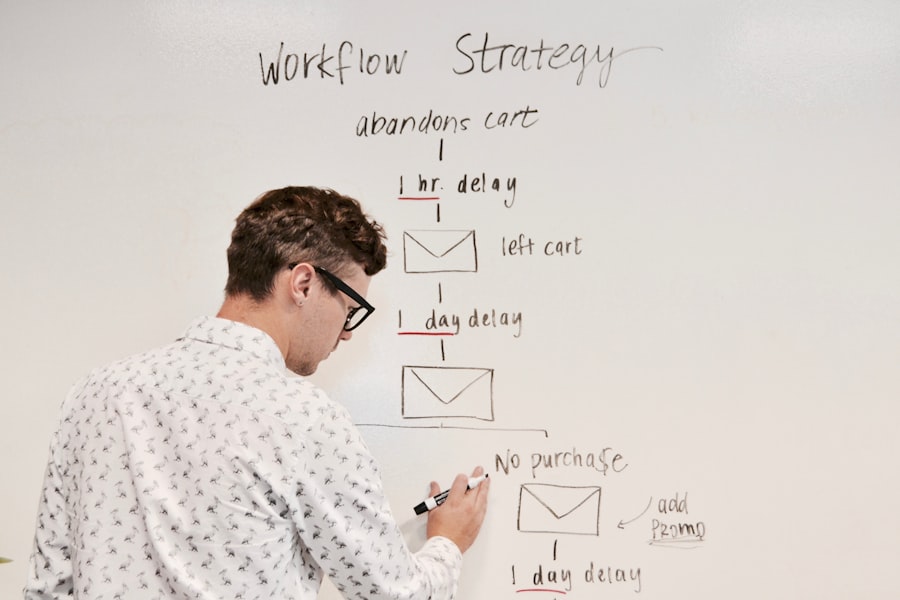

Manual email sending is inefficient and inconsistent. Email automation allows you to deliver the right message to the right person at the right time, significantly improving engagement and conversion rates.
Welcome Series: Setting the First Impression
The first email a new subscriber receives can set the tone for your entire relationship. A well-crafted welcome series is essential for nurturing new leads and guiding them towards their first purchase.
Designing an Effective Welcome Email Sequence
- Immediate Welcome Email: Send this as soon as someone subscribes. Thank them for joining, reiterate the value they’ll receive, and perhaps deliver your lead magnet if applicable.
- Introduce Your Brand Story: Share your mission, values, and what makes you unique. This builds an emotional connection.
- Highlight Key Products/Services: Showcase your most popular offerings or introduce them to different categories.
- Offer a First-Time Discount: Incentivize their first purchase with a special offer.
- Provide Social Proof: Share testimonials or links to positive reviews.
Abandoned Cart Recovery: Reclaiming Lost Sales
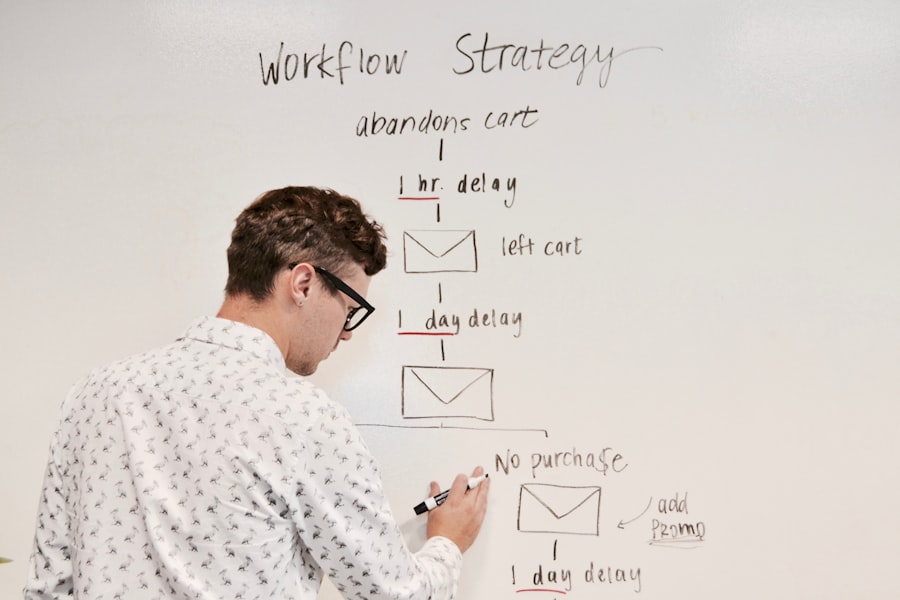
This is a prime example of automation directly impacting your bottom line. When a customer adds items to their cart but leaves without completing the purchase, an abandoned cart email can bring them back.
Strategies for Effective Abandoned Cart Emails
- Timeliness is Crucial: Send your first abandoned cart email within a few hours of abandonment.
- Personalization: Remind them of the specific items left in their cart with images and links.
- Address Potential Objections: Offer solutions to common reasons for cart abandonment, such as shipping costs or questions about the product.
- Incentivize: Consider offering a small discount or free shipping to encourage them to complete their purchase.
- Escalate: If the first email doesn’t convert, send a follow-up email a day or two later, perhaps with a slightly better offer.
Post-Purchase and Loyalty Programs
Your relationship with a customer doesn’t end after the sale. Nurturing existing customers is often more cost-effective than acquiring new ones and drives repeat business and loyalty.
Encouraging Repeat Purchases and Upsells
- Thank You and Confirmation Emails: These are standard, but ensure they are branded and provide all necessary information.
- Product Use Tips and Guides: Help customers get the most out of their purchase, reducing returns and increasing satisfaction.
- Cross-selling and Upselling: Based on their purchase history, recommend complementary products or upgraded versions.
- Customer Feedback Requests: After a period, ask for reviews or feedback. This shows you value their opinion and provides valuable social proof.
Building a Loyal Customer Base
- Exclusive Offers for Loyal Customers: Reward repeat buyers with special discounts, early access to new products, or loyalty points.
- Birthday/Anniversary Emails: Personalize these with special offers to make customers feel valued.
- Referral Programs: Encourage satisfied customers to refer friends and family in exchange for rewards.
Measuring and Optimizing: The Key to Continuous Improvement
You can implement all the best practices, but without tracking and analysis, you’ll never know what’s truly working. Data is your best friend in the world of email marketing.
Key Performance Indicators (KPIs) to Track
Understanding these metrics will tell you the story of your email campaigns and where to focus your optimization efforts.
Open Rate
- What it measures: The percentage of recipients who opened your email.
- What it indicates: The effectiveness of your subject lines and sender name. A low open rate might mean your subject lines aren’t compelling enough or your emails are landing in the spam folder.
Click-Through Rate (CTR)
- What it measures: The percentage of recipients who clicked on at least one link in your email.
- What it indicates: The relevancy and compelling nature of your email content and your call to action. A low CTR, even with a good open rate, suggests your content isn’t engaging enough or your CTA isn’t clear.
Conversion Rate
- What it measures: The percentage of recipients who completed a desired action (e.g., made a purchase, filled out a form) after clicking through from your email.
- What it indicates: The overall effectiveness of your email campaign in achieving your business goals. This is the ultimate metric for conversion optimization.
Unsubscribe Rate
- What it measures: The percentage of recipients who unsubscribed from your list after receiving your email.
- What it indicates: Issues with content relevancy, sending frequency, or overall subscriber fatigue. A rising unsubscribe rate is a red flag that needs immediate attention.
Bounce Rate
- What it measures: The percentage of emails that couldn’t be delivered.
- What it indicates: Issues with your email list, such as invalid email addresses or full mailboxes. High bounce rates can negatively impact your sender reputation.
A/B Testing Your Campaigns
Don’t guess what works; test it! A/B testing allows you to compare two versions of an email element to see which performs better.
Elements to A/B Test
- Subject Lines: Test different lengths, wording, inclusion of emojis, or personalization.
- Call to Actions: Experiment with different wording, button colors, sizes, and placement.
- Email Content: Test variations in headlines, body copy, and the inclusion or exclusion of images.
- Sender Name: See if a personal name or a company name yields better open rates.
- Send Times: Test different days and times to determine when your audience is most engaged.
Analyzing and Acting on Data
The magic happens when you take the insights from your KPIs and A/B tests and implement changes.
Iterative Improvement Cycle
- Analyze: Regularly review your campaign performance data.
- Hypothesize: Based on your analysis, form hypotheses about what changes could improve performance.
- Test: Implement A/B tests to validate your hypotheses.
- Implement: Roll out the winning variations to your entire audience.
- Repeat: Email marketing is an ongoing process of refinement.
To enhance your email marketing strategy and achieve higher conversions, it’s essential to understand the importance of segmentation and personalization. A related article that delves deeper into this topic is available here, where you can explore how leveraging data can help you create high-converting segments for your campaigns. By implementing these best practices, you can significantly improve your engagement rates and drive better results from your email marketing efforts.
Maintaining a Healthy Sender Reputation
| Best Email Marketing Practices for Higher Conversions |
|---|
| 1. Personalize the Email Content |
| 2. Use Clear and Compelling Subject Lines |
| 3. Segment Your Email List |
| 4. Optimize for Mobile Devices |
| 5. Include a Clear Call-to-Action |
| 6. Test and Analyze Your Email Campaigns |
Your sender reputation is your credibility with internet service providers (ISPs) like Gmail and Outlook. A poor reputation means your emails are more likely to be marked as spam or blocked entirely, crippling your conversion efforts.
Understanding the Factors Affecting Sender Reputation
- Complaint Rate: This is perhaps the most critical factor. A high number of spam complaints from recipients is a sure way to damage your reputation.
- Bounce Rate: As mentioned, high hard bounces indicate your list quality is poor, which is a red flag for ISPs.
- Engagement Metrics: ISPs observe how recipients interact with your emails. Low open rates and click-through rates can signal disinterest and lead to your emails being filtered.
- Authentication: Properly setting up authentication protocols like SPF, DKIM, and DMARC tells ISPs that you are a legitimate sender.
- List Growth and Maintenance: Using opt-in methods and regularly cleaning your list of inactive subscribers is crucial.
Strategies for Building and Maintaining a Strong Reputation
- Obtain Explicit Consent: Always use opt-in methods and double opt-in to ensure you’re emailing interested subscribers who have agreed to receive your messages.
- Provide a Clear Unsubscribe Option: Make it easy for people to unsubscribe. This is better than them marking your email as spam.
- Segment Your Lists and Send Relevant Content: Sending targeted emails to engaged segments reduces the likelihood of complaints and unsubscribes.
- Clean Your Email List Regularly: Remove inactive subscribers, hard bounces, and invalid email addresses. This improves your deliverability and engagement rates.
- Authenticate Your Emails: Implement SPF, DKIM, and DMARC. Most email marketing platforms will guide you through this process.
- Monitor Your Sender Score: Services like Validity (formerly Return Path) can help you track your sender reputation.
- Avoid Spammy Practices: Steer clear of misleading subject lines, excessive use of all caps, and buying email lists.
By diligently applying these best practices, you can transform your email marketing from a passive communication tool into a dynamic engine for driving conversions. It requires dedication, a focus on providing value, and a commitment to continuous improvement, but the rewards – increased sales, loyal customers, and a thriving business – are well worth the effort. Start implementing these strategies today, and watch your email marketing truly boost your conversions.
FAQs
What are the best practices for email marketing to increase conversions?
Some best practices for email marketing to increase conversions include personalizing the content, optimizing for mobile devices, using clear and compelling call-to-action buttons, segmenting your email list, and testing different elements to see what resonates with your audience.
How can personalization improve email marketing conversions?
Personalization can improve email marketing conversions by making the content more relevant to the recipient, which can lead to higher engagement and a greater likelihood of conversion. Personalization can include using the recipient’s name, referencing past purchases or interactions, and tailoring the content to their specific interests.
Why is it important to optimize email marketing for mobile devices?
It is important to optimize email marketing for mobile devices because a significant portion of email opens occur on mobile devices. If emails are not optimized for mobile, they may be difficult to read or interact with, leading to lower engagement and conversions.
How can clear and compelling call-to-action buttons impact email marketing conversions?
Clear and compelling call-to-action buttons can impact email marketing conversions by guiding the recipient towards the desired action, such as making a purchase or signing up for a webinar. By making the call-to-action clear and compelling, recipients are more likely to take the desired action, leading to higher conversions.
What role does segmentation play in improving email marketing conversions?
Segmentation plays a crucial role in improving email marketing conversions by allowing you to send targeted and relevant content to specific segments of your email list. By tailoring the content to the interests and behaviors of each segment, you can increase engagement and ultimately drive higher conversions.