



You’re not just sending emails; you’re wielding a powerful tool. But are you truly harnessing its potential? In today’s competitive landscape, the ability to measure, understand, and act upon your email marketing efforts is no longer a luxury, but a necessity. This is where email reporting steps in, transforming your campaigns from educated guesses into data-driven strategies that deliver tangible business impact. Imagine this: you send a carefully crafted email, hoping for clicks, conversions, and ultimately, revenue. Without robust reporting, you’re essentially throwing spaghetti at the wall, unsure of what sticks or why. Email reporting, however, is your comprehensive dashboard, your crystal ball, your strategic advisor, all rolled into one. It’s the difference between flying blind and navigating with precision, ensuring every dollar spent on email marketing is an investment with a clearly defined return.
This article will guide you through the essential aspects of maximizing your business impact through effective email reporting. We’ll delve into understanding the key metrics that matter, dissecting campaign performance, leveraging segmentation for deeper insights, and ultimately, translating that data into actionable strategies that propel your business forward. Get ready to unlock the true power of your email marketing.
Before you can maximize impact, you need to understand what to measure. Email reporting is built upon a bedrock of key performance indicators (KPIs). These aren’t just numbers; they are vital signs that indicate the health and effectiveness of your email campaigns and their direct correlation to your business’s success. Focusing on the right metrics ensures you’re not just tracking activity, but tracking progress towards your overarching business objectives. Without this foundational understanding, any analysis will be superficial, leading to misguided decisions.
Open Rate: The Gateway to Your Message
Your open rate is the crucial first hurdle. It signifies how many of your recipients are at least curious enough to open your email. While it’s a vanity metric if not paired with others, a low open rate is a clear indicator of a problem upstream.
What Constitutes a “Good” Open Rate?
The definition of a “good” open rate varies significantly by industry, the type of email, and even your audience engagement levels. Benchmarking against industry averages can be helpful, but internal comparison is often more telling. A rising trend in your own open rates is a positive sign, even if you don’t immediately hit the highest industry standards.
Factors Influencing Your Open Rate
Your subject line is paramount. It’s the hook, the elevator pitch, the first impression. Compelling, personalized, and benefit-driven subject lines are far more likely to garner opens. Beyond the subject line, consider your sender name and the preheader text. These elements work in concert to influence that initial decision to open. Technical factors like deliverability also play a significant role. If your emails are landing in spam folders, your open rates will naturally suffer.
Click-Through Rate (CTR): Engaging Your Audience
Once opened, your email needs to compel action. The CTR measures the percentage of recipients who clicked on at least one link within your email. This is where your content and call-to-action (CTA) come into play. A high open rate with a low CTR suggests your email content isn’t delivering on the promise of the subject line or that your CTAs are unclear or unappealing.
The Power of a Strong Call-to-Action (CTA)
Your CTA is the engine of engagement. It needs to be crystal clear, action-oriented, and strategically placed. Vague CTAs like “Learn More” or “Click Here” are less effective than specific prompts like “Shop Our New Collection” or “Download Your Free Guide.” Understanding what action you want your reader to take and making it undeniably easy to do so is key.
Content Relevance and Value
The content within your email must be relevant and valuable to your audience. If your email doesn’t offer something of interest, a discount, useful information, or an entertaining piece, recipients are unlikely to click. Personalization plays a huge role here; tailoring content to individual interests dramatically increases the likelihood of a click.
Conversion Rate: The Ultimate Business Goal
The conversion rate is arguably the most critical metric for demonstrating business impact. It measures the percentage of recipients who complete a desired action after clicking through from your email. This action could be making a purchase, filling out a form, downloading a resource, or signing up for a webinar – whatever aligns with your specific business objectives. A high CTR without a corresponding conversion rate points to issues further down the funnel, such as a poor landing page experience or a gap between the email promise and the actual offer.
Defining Your “Conversion”
Clearly defining what constitutes a conversion for each campaign is essential. Is it a sale? A qualified lead? A demo request? Ensure your tracking mechanisms are set up to accurately capture these specific actions. Without a clear definition, your conversion rate becomes an abstract number with no real business meaning.
The Landing Page Experience
Your landing page is the critical destination for your email clicks. If your landing page is slow to load, confusing, or doesn’t align with the message of your email, you’ll lose potential customers. A seamless and intuitive landing page experience is vital for converting those clicks into valuable business outcomes.
Unsubscribe Rate: A Warning Sign
While most focus on positive engagement, the unsubscribe rate is a crucial indicator of potential problems. A high unsubscribe rate signifies that your emails are not resonating with your audience, or worse, are actively annoying them. It’s a sign that you might be sending too frequently, to the wrong people, or with irrelevant content.
Identifying the Root Cause of Unsubscribes
Analyze when people are unsubscribing. Are there spikes after specific campaigns? This can help pinpoint particular content or offers that are causing dissatisfaction. Reviewing your segmentation strategies and list hygiene practices is also vital. Are you sending relevant content to the right people?
List Health and Engagement
An unsubscribe is a signal that a subscriber no longer sees value in your communications. While some churn is inevitable, a consistently high rate suggests a fundamental issue with your email strategy or list health. It’s better to have a smaller, highly engaged list than a large, disengaged one that leads to high unsubscribe rates.
In the quest for improved business decision-making, understanding the nuances of email reporting is crucial. A related article that delves into optimizing marketing strategies is titled “Maximizing ROI with Split Testing: A Time-Saving Strategy.” This piece highlights how effective split testing can enhance email campaigns, ultimately leading to better insights and more informed business decisions. For more information, you can read the article here: Maximizing ROI with Split Testing.
Deeper Dive: Analyzing Campaign Performance with Granular Data
Moving beyond basic metrics, you need to dissect your campaign performance to understand why certain trends are occurring. This involves drilling down into the data, segmenting your audience, and looking for patterns that inform your future strategies. Treating all subscribers the same is a missed opportunity; granular analysis allows you to cater to their specific needs and preferences, thereby maximizing engagement and conversion.
Segmentation: The Key to Personalized Impact
Segmentation is the art of dividing your email list into smaller, more targeted groups based on shared characteristics. This allows for highly personalized and relevant messaging, which is proven to drive better results. Without segmentation, your “one-size-fits-all” approach will inevitably alienate a portion of your audience.
Demographic Segmentation
This involves grouping subscribers based on age, gender, location, income, and other demographic factors. This can be useful for tailoring product recommendations or marketing messages. For example, promoting winter wear to a subscriber in a warm climate would be a waste of resources.
Behavioral Segmentation
This is arguably the most powerful form of segmentation, focusing on how subscribers interact with your brand. This includes purchase history, website activity, email engagement (opens, clicks), and app usage. For instance, sending a win-back offer to an inactive subscriber is a prime example of behavioral segmentation.
Psychographic Segmentation
This delves into your subscribers’ lifestyles, interests, values, and opinions. While often harder to gather, it allows for highly resonant messaging. For example, targeting environmentally conscious consumers with a message highlighting your brand’s sustainability efforts.
A/B Testing: Iterative Improvement for Maximum ROI
A/B testing, or split testing, is a fundamental methodology for optimizing your email campaigns. It involves testing two variations of an email element to see which performs better. This systematic approach removes guesswork and ensures you’re making data-backed decisions that lead to incremental improvements, ultimately driving greater business impact.
Testing Subject Lines for Higher Opens
As mentioned, the subject line is your first impression. Dedicate A/B tests to different subject line approaches. Experiment with length, tone, emojis, personalization, and question formats. Even a small percentage increase in open rates can translate into a significant number of additional engagements.
Optimizing CTAs for More Clicks and Conversions
Your CTA is the bridge to conversion. Test different button colors, text, placement, and calls to action. Does a more urgent CTA lead to more clicks? Does a button versus a text link perform better? These small tweaks can have a surprising impact on your conversion rates.
Experimenting with Content and Design
Beyond subject lines and CTAs, A/B test different email layouts, image usage, and content formats. Does a more visual email outperform a text-heavy one for your audience? Does highlighting a specific feature or benefit lead to more engagement? Continuous experimentation keeps your emails fresh and effective.
Leveraging Email Reporting for Strategic Decision-Making
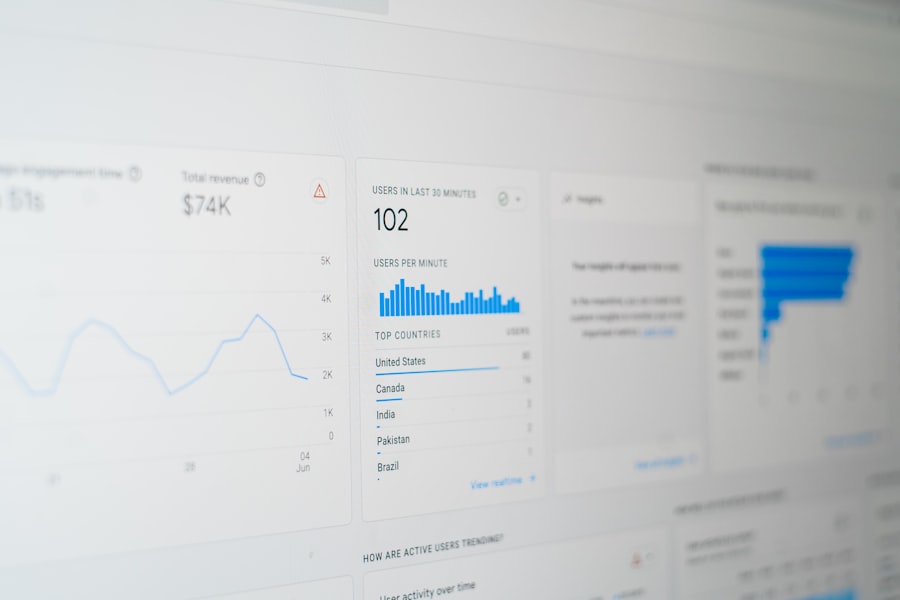

The ultimate goal of email reporting is not just to gather data, but to translate it into actionable insights that drive strategic decisions. This means moving beyond simply looking at numbers to understanding what they mean for your business and how you can leverage them to achieve your objectives. Your reporting should be a roadmap, not just a rearview mirror.
Identifying Trends and Patterns Over Time
Don’t just look at individual campaign performance; analyze trends over weeks, months, and even years. Are your open rates generally increasing or decreasing? Are certain types of campaigns consistently outperforming others? Identifying these long-term patterns is crucial for understanding the overall health and effectiveness of your email marketing program. Seasonal trends, the impact of product launches, and the effect of marketing campaigns on subscriber engagement can all be identified through historical data analysis.
Connecting Email Performance to Business Goals
This is where email reporting truly demonstrates its business impact. You need to be able to connect your email KPIs directly to your overarching business objectives. For example, if your business goal is to increase online sales, you’ll want to track how your email campaigns contribute to revenue generated through those specific campaigns.
Measuring ROI of Email Campaigns
Calculating the return on investment (ROI) for your email marketing is paramount. This involves comparing the revenue generated by your email campaigns against the costs associated with running them (e.g., platform fees, content creation, staff time). A positive ROI clearly justifies your investment and highlights the program’s contribution to profitability.
Impact on Customer Lifetime Value (CLTV)
Beyond immediate sales, good email marketing can significantly impact Customer Lifetime Value (CLTV). By fostering relationships, providing value, and ensuring a positive customer experience, your email campaigns can encourage repeat purchases and brand loyalty, leading to a higher CLTV over time. Track how your email efforts influence this crucial metric.
Forecasting and Budget Allocation
Armed with historical data and a solid understanding of what drives success, you can use email reporting for more accurate forecasting and informed budget allocation. If you know that a particular type of campaign consistently yields high conversion rates, you can allocate more resources to similar initiatives.
Predicting Future Campaign Performance
By analyzing past performance data, you can make more informed predictions about how future campaigns will perform. This helps in setting realistic goals and expectations for your marketing team and stakeholders.
Justifying Marketing Spend
Robust reporting provides the data needed to justify your email marketing budget to management. Demonstrating a clear ROI and the program’s contribution to business objectives makes it easier to secure the resources you need to continue and expand your efforts.
Actionable Insights: Turning Data into Business Growth


The true power of email reporting lies in its ability to generate actionable insights. Data is only valuable if it prompts action that leads to improvement. This section focuses on how to interpret your reports and translate them into concrete strategies that drive tangible business growth.
Optimizing Your Email Cadence and Timing
Understanding when your audience is most receptive to your emails is crucial for maximizing opens and engagement. Reporting can reveal patterns in when your subscribers are most active.
Analyzing Engagement by Day and Time
Your email reporting platform will likely show you engagement metrics broken down by day of the week and even time of day. Experiment with sending emails at different times to see what yields the best results for your specific audience. What works for one segment might not work for another.
Preventing Oversaturation and Burnout
Equally important is understanding when not to send emails. A high unsubscribe rate after a string of frequent emails is a clear indicator of oversaturation. Use your reporting to identify the optimal frequency that keeps your audience engaged without overwhelming them.
Refining Your Content Strategy
Your content is the heart of your email campaigns. Reporting helps you understand what resonates with your audience and what doesn’t, allowing you to refine your content strategy for greater impact.
Identifying Top-Performing Content Themes
Which types of content consistently generate the most clicks and conversions? Is it product updates, educational resources, customer testimonials, or special offers? Leverage this information to create more of what your audience loves.
Personalizing Content Based on Engagement Data
As discussed with segmentation, personalized content is key. Your reports can highlight which content preferences are common within different segments, allowing you to tailor your messaging even further. If a segment consistently engages with content about a specific product category, then that’s where you should focus your future efforts for that group.
Improving Deliverability and List Hygiene
Deliverability is the silent killer of many email campaigns. If your emails aren’t reaching inboxes, your reporting will show low engagement across the board. Proactive list hygiene, informed by your reporting, is essential.
Monitoring Bounce Rates (Hard and Soft)
Hard bounces indicate permanent email address errors, while soft bounces are temporary delivery issues. Consistently high bounce rates can damage your sender reputation. Use your reporting to identify and clean these invalid addresses.
Understanding Sender Reputation and ISP Feedback
Your email reporting tools can provide insights into your sender reputation. This includes feedback from Internet Service Providers (ISPs) about your sending practices. A poor reputation can lead to emails being flagged as spam. Maintaining good list hygiene and sending relevant content helps protect your sender reputation.
In the quest for improved business strategies, understanding the nuances of email reporting can significantly influence decision-making processes. A related article discusses the advantages of real-time reporting compared to traditional methods, emphasizing how immediate data access can unlock profit potential. For further insights on this topic, you can read more about it in the article on real-time reporting and its impact on business outcomes.
The Future of Email Reporting: AI and Advanced Analytics
| Data/Metric | Description |
|---|---|
| Email Open Rate | The percentage of recipients who opened the email, indicating the effectiveness of the subject line and sender name. |
| Click-Through Rate (CTR) | The percentage of recipients who clicked on a link within the email, showing the engagement level with the content. |
| Conversion Rate | The percentage of recipients who completed a desired action, such as making a purchase or signing up, indicating the effectiveness of the email in driving conversions. |
| Bounce Rate | The percentage of emails that were not delivered to the recipient’s inbox, indicating potential issues with the email list or deliverability. |
| Unsubscribe Rate | The percentage of recipients who opted out of receiving future emails, providing insights into the email content and frequency. |
| Revenue Generated | The total revenue attributed to the email campaign, showing the direct impact on business outcomes. |
The field of email reporting is constantly evolving, with advancements in artificial intelligence (AI) and advanced analytics promising even greater insights and automation. Embracing these technologies will be crucial for staying ahead and maximizing your business impact in the long run.
Predictive Analytics for Proactive Strategies
AI-powered predictive analytics can go beyond historical data to forecast future customer behavior. This allows for more proactive and personalized marketing efforts.
Predicting Customer Churn
By analyzing engagement patterns and other data points, AI can predict which customers are at risk of churning. This allows you to intervene with targeted win-back campaigns or special offers before they leave.
Identifying Upsell and Cross-sell Opportunities
AI can analyze purchase history and browsing behavior to identify customers who are prime candidates for upsell or cross-sell opportunities, leading to increased revenue.
AI-Driven Content Optimization and Personalization
AI is increasingly being used to automate and enhance content creation and personalization.
AI-Generated Subject Line and Copy Suggestions
AI tools can analyze vast amounts of data to suggest high-performing subject lines and even generate compelling email copy tailored to specific audience segments.
Dynamic Content Personalization
AI can enable true dynamic content personalization, where email content changes in real-time based on individual recipient data and preferences, creating a highly relevant and engaging experience.
Automation for Enhanced Efficiency and Impact

Automation, often powered by AI, plays a critical role in making email reporting more efficient and impactful.
Automated Campaign Analysis and Recommendations
AI can automate the process of analyzing campaign performance, identifying key trends, and providing actionable recommendations, freeing up marketers to focus on strategy and execution.
Segmenting and Targeting Automation
AI can automate the process of segmenting your audience based on complex criteria and then automatically segmenting your lists for targeted campaigns, ensuring the right message reaches the right people at the right time.
In conclusion, email reporting is not merely a task you do; it’s a continuous process that fuels informed decision-making and drives business growth. By understanding the key metrics, delving into granular analysis, and leveraging actionable insights, you transform your email campaigns from simple communication tools into powerful drivers of revenue, customer loyalty, and overall business success. Embrace the power of data, and watch your business thrive.
FAQs
What is email reporting?
Email reporting refers to the process of tracking and analyzing the performance of email campaigns. It involves collecting data on metrics such as open rates, click-through rates, bounce rates, and conversion rates to evaluate the effectiveness of email marketing efforts.
Why is email reporting important for businesses?
Email reporting is important for businesses because it provides valuable insights into the success of their email marketing campaigns. By analyzing email reporting data, businesses can understand customer behavior, identify trends, and make data-driven decisions to improve their email marketing strategies.
How does better email reporting lead to better business decisions?
Better email reporting leads to better business decisions by providing accurate and actionable data that can be used to optimize email marketing efforts. With detailed insights from email reporting, businesses can identify areas for improvement, refine their targeting strategies, and personalize their email content to better engage with their audience.
What are some key metrics to consider in email reporting?
Some key metrics to consider in email reporting include open rates, click-through rates, bounce rates, conversion rates, unsubscribe rates, and email deliverability. These metrics provide valuable information about the performance and effectiveness of email campaigns.
How can businesses use email reporting to improve their marketing strategies?
Businesses can use email reporting to improve their marketing strategies by identifying trends, understanding customer preferences, testing different approaches, and optimizing their email content and timing based on the insights gained from the reporting data. This can lead to more targeted and effective email marketing campaigns.