



You’re likely reading this because you understand the power of email marketing. You’ve poured time and resources into crafting compelling campaigns, designing eye-catching templates, and strategizing your outreach. But are you experiencing the results you expect? If not, the culprit might not be your strategy or your creativity; it could be something far more fundamental: your data. In the realm of email marketing technology, clean data isn’t just a nice-to-have; it’s the engine that drives success, the bedrock upon which all your efforts are built. Without it, even the most sophisticated tools will falter, delivering subpar performance and frustrating you with wasted potential. This article will illuminate the crucial role of clean data in your email marketing technology, guiding you to understand why it matters and how to achieve it.
Imagine trying to have a meaningful conversation with someone who consistently mishears your words, forgets what you just said, or keeps interrupting you with irrelevant information. Frustrating, right? That’s precisely what your email marketing technology is experiencing when fed with dirty data. Clean data, conversely, allows your technology to function as intended, enabling targeted, relevant, and impactful communication.
Understanding “Dirty Data” in an Email Marketing Context
What exactly constitutes “dirty data”? It’s a broad term that encompasses a multitude of imperfections within your contact database. For email marketing, this translates to inaccurate, incomplete, inconsistent, or duplicate information that hinders your ability to effectively reach and engage your audience.
Inaccurate Information: The Bane of Deliverability
This is perhaps the most common and damaging form of dirty data. Inaccurate email addresses, outdated phone numbers, or incorrect names can lead to a cascade of problems. Your emails will bounce, your segmentation will be flawed, and your personalization efforts will fall flat, making your audience feel unvalued.
Bounced Emails: A Direct Hit to Your Sender Reputation
When an email you send is returned to you, it’s called a bounce. Hard bounces indicate a permanent issue (e.g., an invalid email address), while soft bounces are temporary (e.g., a full inbox). A high bounce rate signals to Internet Service Providers (ISPs) that your email list is of poor quality, leading to your emails being flagged as spam or even blocked entirely. This directly impacts your deliverability, meaning your legitimate emails might never reach the intended inboxes of engaged subscribers.
Misspellings and Typos: Undermining Professionalism
A simple typo in a name or an incorrect spelling of a company can make your brand appear unprofessional and careless. It erodes trust and can lead recipients to dismiss your message before even reading it. This is especially true for personalized greetings, where a misspelled name is an immediate red flag.
Incomplete Data: Missing Pieces of the Engagement Puzzle
When you have gaps in your contact information, you’re missing opportunities. This could be a lack of demographic data, no record of past purchase history, or missing consent flags. Each piece of missing information represents a potential avenue for deeper personalization and more effective targeting.
Lack of Segmentation Potential: A One-Size-Fits-All Approach
Without sufficient data points like location, interests, or engagement level, you’re forced to send generic emails to your entire list. This approach is inefficient and often ineffective, leading to low open rates and click-through rates. Clean, complete data allows you to segment your audience into smaller, more defined groups, enabling you to tailor your messages for maximum relevance.
Missed Personalization Opportunities: Generic is Generic
Personalization is a cornerstone of modern email marketing. It’s about making your subscribers feel seen and understood. If you don’t have their name, their preferred product category, or information about their recent interactions with your brand, you can’t personalize effectively. This leads to a generic experience that your subscribers can easily ignore.
Inconsistent Data: The Chaos Factor
Inconsistent data arises when the same piece of information is recorded in different ways across your database. For example, a state might be listed as “California,” “CA,” or “Calif.” This inconsistency makes it difficult for your email marketing technology to recognize that these entries refer to the same entity, leading to flawed analysis and segmentation.
Varying Formats: A Machine’s Nightmare
Your email marketing platform operates on logic and predefined formats. When dates are entered as “MM/DD/YYYY” in one record and “DD-MM-YY” in another, your system struggles to process this information uniformly. This can lead to incorrect chronological sorting, flawed time-based segmentation, and misinterpretations of crucial data.
Duplicated Records: Wasted Effort and Overcommunication
Duplicate entries in your database are more than just clutter. They can lead to sending the same email multiple times to the same individual, which is annoying for the recipient and can damage your sender reputation. It also skews your analytics, making it difficult to accurately measure engagement.
Duplicate Data: The Redundant Burden
Duplicate entries are a clear sign of a data management issue. They can arise from various sources, such as multiple sign-up forms, data imports, or integration errors. While seemingly a minor annoyance, duplicates can significantly inflate your contact numbers, skew your engagement metrics, and lead to overcommunication.
Inflated Contact Lists: Misleading Metrics and Wasted Budget
Having duplicate contacts makes your subscriber list appear larger than it is. This can lead to inaccurate reporting on subscriber growth and can even impact your pricing if your email marketing platform charges based on the number of contacts.
Over-Messaging and Brand Fatigue: Annoying Your Audience
Sending the same email to the same person multiple times is not only inefficient but also incredibly irritating. This can lead to unsubscribes, spam complaints, and a general negative perception of your brand.
In the ever-evolving landscape of email marketing, understanding the significance of clean data is crucial for success. A related article that delves into the future of email marketing trends and how businesses can prepare for upcoming changes is available at 2025 Email Marketing Trends: Preparing for the Future. This resource highlights the importance of maintaining high-quality data to enhance engagement and optimize marketing strategies in the years to come.
The Technological Advantage: How Clean Data Empowers Your Email Marketing Tools
Your email marketing technology is a powerful suite of tools designed to automate, personalize, and optimize your campaigns. However, these tools are only as effective as the data they are fed. Clean data acts as the fuel that powers their intricate engines, enabling them to deliver on their promise.
Enhanced Deliverability: Reaching More Inboxes, More Often
Deliverability is the holy grail of email marketing. It’s the measure of how successfully your emails reach the inboxes of your intended recipients, rather than being caught by spam filters or rejected by mail servers. Clean data is the single most impactful factor in achieving and maintaining high deliverability.
Accurate Email Addresses: The First Hurdle Cleared
The most basic requirement for deliverability is a valid email address. By actively cleaning your list and removing hard bounces, you immediately improve your chances of reaching your audience. Your email marketing platform uses this data to route your messages, and if the address is invalid, the message never gets there.
Positive Engagement Signals: Proving Your Value to ISPs
ISPs monitor how recipients interact with your emails. High open rates, click-through rates, and low complaint rates are all positive signals that indicate your emails are wanted and valuable. Clean data allows you to target engaged subscribers, who are more likely to interact positively with your content, thereby boosting these crucial metrics.
Reduced Spam Complaints: Maintaining a Clean Reputation
When you send irrelevant or unsolicited emails to people who don’t want them, they are likely to mark your email as spam. This is a devastating blow to your sender reputation. Clean data ensures you’re only sending to opted-in subscribers who have expressed interest, drastically reducing the likelihood of spam complaints.
Advanced Segmentation: Precision Targeting for Maximum Impact
Segmentation is the art of dividing your audience into smaller, more specific groups based on shared characteristics. This allows you to send highly relevant messages to each group, leading to significantly higher engagement rates. Clean, comprehensive data is the key to effective segmentation.
Demographic Segmentation: Reaching the Right Age, Location, and Gender
Having accurate demographic information allows you to tailor your messaging to specific age groups, geographical locations, or gender identities. For example, you might send different promotions or content to a young urban demographic versus an older rural demographic.
Behavioral Segmentation: Responding to User Actions
This is where clean data truly shines. By tracking user behavior – such as website visits, past purchases, abandoned carts, or content downloads – you can segment your audience based on their actions and interests. This allows you to send highly timely and relevant messages.
Abandoned Cart Recovery: Reclaiming Lost Sales
If a subscriber adds items to their cart but doesn’t complete the purchase, clean data allows your email marketing platform to trigger an automated email reminding them of their items, potentially offering a discount or highlighting product benefits. This is a powerful revenue-generating strategy.
Post-Purchase Engagement: Nurturing Customer Loyalty
After a purchase, clean data allows you to send tailored follow-up emails, such as thank-you notes, product usage tips, or requests for reviews. This builds customer loyalty and encourages repeat business.
Psychographic Segmentation: Understanding Motivations and Lifestyles
While more challenging to gather, psychographic data (interests, values, attitudes, and lifestyles) offers the deepest level of segmentation. Clean data can incorporate survey responses, stated preferences, and inferred interests to create highly personalized campaigns that resonate with your audience’s core motivations.
Personalized Content: Making Every Subscriber Feel Unique
Personalization goes beyond simply addressing someone by their name. It involves tailoring the entire message – the content, the offers, and the tone – to the individual subscriber’s needs and preferences. Clean data is the essential ingredient for this level of personalization.
Dynamic Content: Showcasing Relevant Information
Dynamic content allows you to display different content blocks within a single email based on subscriber data. For instance, if a subscriber has previously browsed a specific product category, dynamic content can automatically feature related products or offers in their next email.
Personalized Product Recommendations: Driving Conversions
Leveraging purchase history and browsing behavior, your email marketing platform can generate personalized product recommendations. This helps subscribers discover products they’ll love, increasing the likelihood of a purchase and enhancing their overall experience.
Tailored Messaging and Tone: Speaking Their Language
The language and tone you use can significantly impact how your message is received. Clean data can inform you about a subscriber’s general interests or their previous interactions with your brand, allowing you to adjust your messaging to be more relatable and persuasive.
The Mechanics of Cleanliness: Implementing Data Hygiene Best Practices
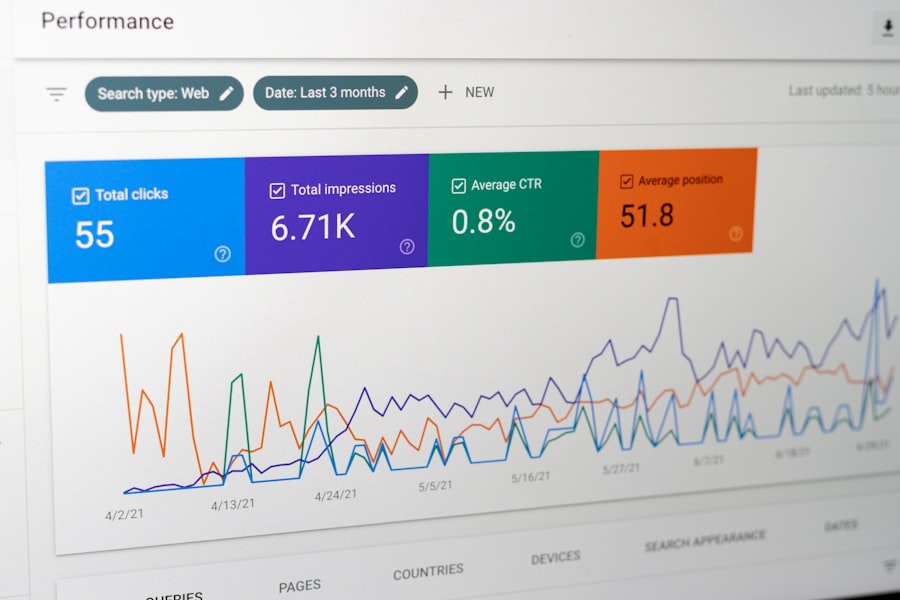

Achieving and maintaining clean data is an ongoing process, not a one-time fix. It requires a commitment to implementing robust data hygiene practices throughout your organization. Your email marketing technology can only work wonders with the clean inputs you provide.
Regular Data Audits: Proactive Identification of Issues
Treat your contact database like a garden that needs regular weeding. Schedule periodic audits to identify and address data inaccuracies, inconsistencies, and duplicates before they become major problems.
Automated Data Validation Tools: Leveraging Technology for Accuracy
Many email marketing platforms and CRM systems offer built-in data validation tools. Utilize these features to automatically check for common errors like invalid email formats, missing fields, or incorrect syntax as new data is entered.
Manual Review and Verification: The Human Touch
While automation is powerful, human oversight is still crucial. Manually review critical data segments, especially for new subscribers or high-value contacts, to catch nuances that automated tools might miss.
Data Cleansing Processes: Actively Correcting Errors
Once you’ve identified data issues, you need processes in place to correct them. This might involve de-duplication, standardization, and enrichment of your existing data.
De-duplication Strategies: Eliminating Redundancy
Implement a clear strategy for identifying and merging duplicate records. This might involve using unique identifiers like email addresses or customer IDs, and establishing rules for which record takes precedence.
Data Standardization: Ensuring Uniformity
Create and enforce a consistent format for all your data fields. This includes standardizing names, addresses, phone numbers, dates, and any other critical information. For example, always use two-letter abbreviations for states.
Data Enrichment: Filling the Gaps
Once your data is clean and standardized, consider enriching it with additional relevant information from third-party sources or through surveys and preference centers. This can provide deeper insights for segmentation and personalization.
Lead Management and Nurturing: Preventing Dirty Data from Entering
The best defense against dirty data is to prevent it from entering your database in the first place. Implement robust lead management and nurturing processes to ensure data quality from the outset.
Strict Opt-In Processes: Consent is Key
Only collect data from individuals who have explicitly opted in to receive your communications. This not only ensures compliance with privacy regulations but also guarantees that you are building a list of interested subscribers.
Double Opt-In: Verifying Intent and Accuracy
Require subscribers to confirm their email address via a confirmation email. This process verifies that the email address is valid and that the subscriber genuinely wants to be on your list, significantly reducing the chances of fake or misspelled addresses.
Preference Centers: Empowering Subscribers
Allow subscribers to manage their preferences, including the types of content they receive and the frequency of communication. This not only improves their experience but also ensures you are collecting accurate information about their interests.
The Impact of Dirty Data on Your Email Marketing Technology’s Performance
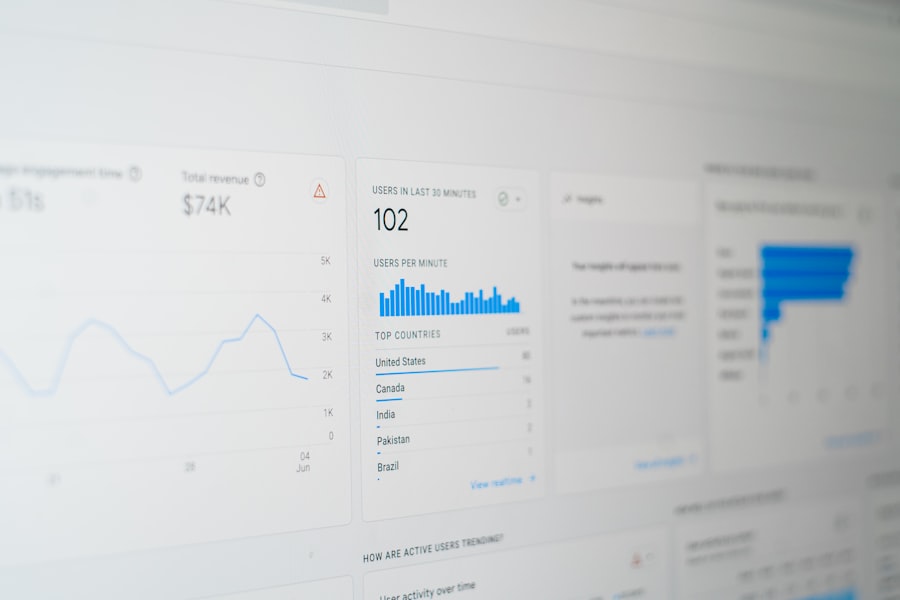
When your email marketing technology is hobbled by dirty data, you’ll see a direct and often demoralizing impact on your campaign performance and overall ROI. It’s like trying to run a race with weights on your ankles.
Declining Open Rates and Click-Through Rates: The Obvious Symptoms
As your deliverability suffers and your personalization efforts become generic, your subscribers will simply stop opening your emails. Even if they do open them, if the content isn’t relevant, they won’t click through. This is a direct consequence of sending the wrong message to the wrong people at the wrong time.
Irrelevant Content: The “Delete” Button Beckons
When your emails aren’t tailored to the recipient’s interests or needs, they are easily ignored or deleted. Dirty data prevents you from segmenting and personalizing, forcing you to send one-size-fits-all messages that fail to resonate.
Low Engagement Metrics: Skewed Analytics and Poor Decisions
Low open and click-through rates not only signal a problem with your campaigns but also distort your analytics. It becomes difficult to understand what’s working and what’s not, leading to misguided strategic decisions.
Wasted Marketing Spend: Throwing Money Down the Drain
You invest in email marketing technology, email service providers, and content creation. When your data is dirty, a significant portion of this investment is wasted. Sending emails to invalid addresses, to uninterested subscribers, or sending redundant messages all contribute to a poor return on your marketing spend.
Inefficient Campaign Execution: Over-Sending and Mis-Targeting
Dirty data leads to inefficient campaign execution. You might be spending money to send emails to contacts who have long since abandoned that email address or who have no interest in your offerings.
Inaccurate ROI Measurement: Masking Underlying Problems
If your ROI calculations are based on a flawed understanding of your audience and their engagement, you’re likely overestimating your success or failing to identify critical issues that need addressing.
Damage to Sender Reputation: A Long Road to Recovery
Your sender reputation is a critical asset built over time. A consistently high bounce rate, an influx of spam complaints, and a low engagement rate all signal to ISPs that your sending practices are problematic. This can lead to your emails being filtered into spam folders or even blocked entirely, a situation that can take a considerable amount of time and effort to rectify.
The Vicious Cycle of Low Engagement and Deliverability
A poor sender reputation leads to lower deliverability, which in turn leads to even lower engagement as fewer of your emails reach inboxes. This creates a vicious cycle that is difficult to break without a dedicated effort to clean your data and improve your sending practices.
Loss of Trust and Credibility: Eroding Subscriber Relationships
Beyond the technical implications, dirty data can erode the trust and credibility you’ve worked hard to build with your audience. When subscribers receive irrelevant, repetitive, or simply incorrect communications, they are less likely to engage with your brand in the future.
In the ever-evolving landscape of email marketing, understanding the importance of clean data is crucial for optimizing campaign performance. A related article that delves into enhancing your marketing technology stack can be found here, where it discusses how integrating tools effectively can streamline your processes and improve data accuracy. By leveraging insights from such resources, marketers can ensure their strategies are built on a solid foundation of reliable information, ultimately leading to more successful outreach efforts. For more details, check out the article on unlocking your martech stack.
Investing in Cleanliness: The Long-Term Benefits of Data Hygiene
| Data Metric | Description |
|---|---|
| Open Rate | The percentage of recipients who open the email |
| Click-Through Rate (CTR) | The percentage of recipients who click on a link in the email |
| Bounce Rate | The percentage of emails that were not delivered to the recipient’s inbox |
| Conversion Rate | The percentage of recipients who complete a desired action after clicking on a link in the email |
| List Growth Rate | The rate at which your email list is growing over a specific period of time |
While the process of cleaning and maintaining your data may seem like a chore, the long-term benefits are undeniable and far-reaching. Clean data is not an expense; it’s an investment that pays significant dividends.
Increased ROI and Revenue: Direct Impact on Your Bottom Line
By improving deliverability, enabling precise segmentation, and facilitating hyper-personalization, clean data directly leads to higher engagement, more conversions, and ultimately, increased revenue. Your marketing spend becomes more efficient, and every dollar invested yields a better return.
Higher Conversion Rates: Turning Prospects into Customers
When you can deliver the right message to the right person at the right time, your conversion rates will naturally increase. Whether it’s a purchase, a lead generation, or a sign-up, clean data empowers your email marketing technology to drive more desired actions.
Improved Customer Lifetime Value: Fostering Loyalty and Repeat Business
By understanding your customers better through clean data, you can nurture long-term relationships. Personalized communication and relevant offers encourage repeat purchases and foster a sense of loyalty, significantly increasing the lifetime value of each customer.
Enhanced Customer Experience: Building Stronger Relationships
In today’s competitive landscape, a positive customer experience is paramount. Clean data allows you to move away from generic, intrusive messaging and towards a more helpful, personalized, and valuable communication strategy. This makes your subscribers feel understood and appreciated, fostering stronger relationships.
Reduced Unsubscribes and Spam Complaints: A Happier Audience
When subscribers receive emails they find valuable and relevant, they are far less likely to unsubscribe or mark your emails as spam. This demonstrates that you respect their inbox and their time, leading to a healthier and more engaged subscriber base.
Increased Brand Loyalty and Advocacy: Turning Subscribers into Fans
A positive and consistent experience built on understanding and relevance can transform passive subscribers into loyal brand advocates. These individuals are more likely to recommend your products or services to others, becoming a powerful force for organic growth.
Streamlined Operations and Reduced Costs: Efficiency Gains
Beyond the direct marketing impact, clean data contributes to operational efficiency and cost reduction. Fewer bounced emails mean less wasted time and resources dealing with undeliverable messages. More accurate segmentation means less manual effort in campaign setup.
Reduced Manual Effort and Data Management Overhead: Automating for Success
With clean data, your email marketing platform can automate more processes effectively. This reduces the need for manual intervention in campaign creation, segmentation, and list management, freeing up your team for more strategic tasks.
Better Resource Allocation: Focusing on What Matters
When you have a clear understanding of your audience and their engagement, you can allocate your marketing resources more effectively. You can focus on nurturing high-potential leads, re-engaging dormant subscribers, and developing content that truly resonates, rather than spreading your efforts too thinly.
In conclusion, your email marketing technology is a powerful asset, but its true potential is unlocked by the quality of the data you feed it. Think of it as the difference between a finely tuned race car and a sputtering jalopy. Investing time and resources into maintaining clean data is not just good practice; it’s a fundamental requirement for success in modern email marketing. By prioritizing data hygiene, you empower your technology, elevate your campaigns, and build stronger, more profitable relationships with your audience. The future of your email marketing success hinges on the cleanliness of your data.
FAQs
What is clean data in the context of email marketing technology?
Clean data in email marketing technology refers to accurate, up-to-date, and relevant information about subscribers, including their email addresses, names, and other relevant details. It is free from errors, duplicates, and outdated information.
Why is clean data important in modern email marketing technology?
Clean data is crucial in modern email marketing technology because it ensures that marketing messages reach the intended recipients, improves deliverability rates, enhances engagement, and helps maintain a positive sender reputation. It also enables marketers to personalize and segment their email campaigns effectively.
How can clean data be maintained in email marketing technology?
Clean data can be maintained in email marketing technology through regular data hygiene practices, such as validating email addresses, removing duplicates, updating subscriber information, and implementing double opt-in processes. Additionally, using reputable email service providers and adhering to data protection regulations can help maintain clean data.
What are the consequences of using unclean data in email marketing technology?
Using unclean data in email marketing technology can lead to higher bounce rates, lower engagement, damage to sender reputation, and potential violations of data protection regulations. It can also result in wasted resources and ineffective marketing campaigns.
How does clean data contribute to the success of email marketing campaigns?
Clean data contributes to the success of email marketing campaigns by ensuring that messages are delivered to the right audience, increasing open and click-through rates, enabling personalization and segmentation, and ultimately driving higher conversion and ROI.