


You’re constantly striving to get the most out of your marketing efforts, and email marketing is no exception. You know it’s a powerful channel, but are you truly understanding its impact? Are you making data-driven decisions that translate into tangible returns? The answer often lies in the sophistication of your email reporting. This isn’t just about open rates anymore; it’s about a holistic view that empowers you to maximize your return on investment (ROI).
Before you can improve, you need to honestly assess where you stand. You might be looking at some fundamental metrics, but are they telling you the whole story? Are you truly leveraging your data to its full potential, or are you just scratching the surface?
Are You Just Counting Opens and Clicks?
Many marketers get stuck in the trap of basic metrics. You’re tracking open rates, click-through rates (CTR), and maybe even bounce rates. While these are essential, they are merely the entry point. They tell you if your emails are being seen and interacted with, but not why or, more importantly, what that interaction is worth.
- The “So What?” Factor: An email with a 30% open rate sounds good, but what if those opens don’t lead to conversions? You need to ask yourself, “So what?” after every metric you analyze.
- Segmented vs. Overall: Are you looking at these metrics in aggregate or broken down by different segments of your audience? A high overall open rate can mask low engagement within a crucial segment.
Is Your Data Disconnected?
One of the biggest hurdles to maximizing ROI is siloed data. Your email platform likely provides its own reports, but how well do they integrate with your CRM, your e-commerce platform, or your analytics tools?
- The Attribution Puzzle: You send an email, a customer clicks, and then they purchase a week later after visiting your website directly. How do you attribute that purchase back to the initial email? Without integrated reporting, this becomes a guessing game.
- Customer Journey Blind Spots: You’re seeing individual touchpoints, but not the entire customer journey. This makes it impossible to understand the true impact of email in conjunction with other channels.
Are You Looking Forward or Just Backward?
Traditional reporting often focuses on what has happened. While historical data is crucial for understanding trends, you also need to use your reporting to inform future strategies.
- Predictive Insights: Are you using your data to predict which segments will respond best to certain offers, or which subject lines will perform better?
- A/B Testing Beyond the Obvious: Are you just testing subject lines, or are you testing more sophisticated elements like content blocks, calls to action, or even send times, and then using your reports to truly understand the impact of those tests?
In today’s digital landscape, effective communication is crucial for businesses aiming to optimize their operations and expenditures. A related article that delves into enhancing email strategies is titled “Unleash the Power of RSS to Email Automation,” which explores how automating email content can streamline processes and improve engagement. By integrating smarter email reporting with automation techniques, businesses can not only track their performance but also make informed decisions that lead to smarter spending. You can read more about this innovative approach in the article here: Unleash the Power of RSS to Email Automation.
Shifting Focus: Key Metrics for ROI-Driven Reporting
To truly maximize your ROI, you need to move beyond vanity metrics and focus on those that directly link to your business objectives. This requires a shift in perspective, where every metric is viewed through the lens of its financial impact.
Conversion Rates: The Ultimate Measure of Success
This is where the rubber meets the road. An email’s success isn’t just about getting opened or clicked; it’s about whether it drove a desired action.
- Email-Assisted Conversions: This isn’t just about the last click. It’s about understanding how email influences conversions across the entire customer journey, even if it’s not the final touchpoint. Implement attribution models that give credit to earlier interactions.
- Micro-Conversions: Not every email will lead to a purchase. Track smaller, yet significant, actions like downloading a whitepaper, signing up for a webinar, or adding an item to a cart. These micro-conversions are stepping stones to larger ones and provide valuable insights into engagement.
- Segmented Conversion Rates: How do conversion rates vary across different audience segments? This will help you tailor your content and offers to maximize impact for each group. For instance, new subscribers might convert differently than loyal customers.
Revenue Per Email (RPE) and Average Order Value (AOV)
These metrics provide a direct financial link to your email campaigns. You’re not just guessing at impact; you’re quantifying it.
- Calculating RPE: This simple yet powerful metric helps you understand the monetary value generated by each email you send. Divide the total revenue generated by an email campaign by the number of emails delivered.
- Linking Email to AOV: Does your email content influence how much customers spend? Track the AOV of customers who convert directly from email campaigns compared to those from other channels. This can highlight opportunities for upselling and cross-selling within your email strategy.
- Lifetime Value (LTV) from Email: While harder to track directly, understanding the long-term value of customers acquired or retained through email campaigns is crucial for true ROI measurement. This requires robust CRM integration.
Engagement Beyond Clicks: Deeper Insights
You want to understand how people are engaging with your emails, not just if they are clicking. This goes beyond the superficial.
- Scroll Depth and Time Spent: If your email client allows it, track how far recipients scroll and how long they spend viewing your email. This can indicate genuine interest in your content. Tools like heatmaps within certain email platforms can provide this visual data.
- Forward-to-a-Friend Rates: This is a powerful indicator of valuable, shareable content and acts as a form of organic amplification. Track how often your emails are shared, as this can lead to new subscribers and conversions.
- Reply Rates (for specific campaigns): For more personalized or service-oriented emails, a high reply rate can indicate strong engagement and a desire for further interaction. This is particularly relevant for B2B or complex sales cycles.
Implementing Advanced Reporting Techniques


Collecting the right metrics is only half the battle. You need to leverage advanced techniques to make that data actionable and truly maximize your ROI. This involves smart setup and continuous optimization.
Robust UTM Tracking and Google Analytics Integration
This is non-negotiable for understanding the full journey. Without proper tagging, you’re flying blind when it comes to attributing conversions.
- Consistent UTM Parameters: Establish a standardized system for UTM tagging all your email links. This includes source (e.g., email), medium (e.g., newsletter, promo), campaign (e.g., SpringSale2024), and even content (e.g., product_A_hero, blog_link). Consistency is key for accurate analysis.
- Goals and Enhanced E-commerce Tracking: Within Google Analytics, set up specific goals that mirror your desired email conversions (e.g., purchase completion, lead form submission, download). If you’re an e-commerce business, leverage Enhanced E-commerce to track product views, add-to-carts, and purchases directly linked to email campaigns.
- Custom Segments in GA: Create custom segments in Google Analytics to analyze user behavior specifically for traffic originating from your email campaigns. This allows you to compare their engagement, conversion paths, and value against other traffic sources.
A/B Testing, Multivariate Testing, and Personalization
Testing is not a one-time event; it’s an ongoing process of refinement. The more you test, the more you learn, and the better you can optimize.
- Beyond Subject Lines: While important, expand your A/B testing to include various elements: calls to action (CTA), hero images, email copy length, sender name, personalization tokens, and even the layout and design of your emails.
- Multivariate Testing for Complex Changes: When you want to test multiple variables simultaneously, multivariate testing allows you to efficiently determine which combination of elements yields the best results. This is more complex but can provide deeper insights.
- Dynamic Content and Personalization: Use your reporting to understand what types of personalized content resonate most with different segments. Dynamic content blocks that change based on user preferences or past behavior can significantly boost engagement and conversions. Track how these personalized elements perform.
Dashboards and Visualizations for Actionable Insights
Raw data can be overwhelming. You need to present it in a way that is easy to understand, highlights key trends, and facilitates decision-making.
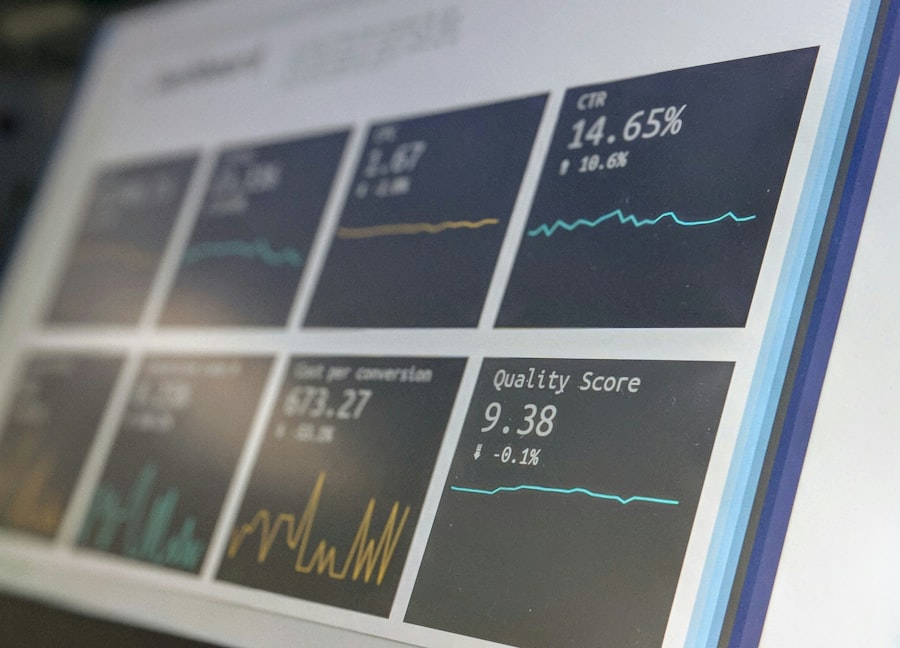
- Custom Reporting Dashboards: Create custom dashboards in your email platform, analytics tool (e.g., Google Analytics, Looker Studio), or a business intelligence (BI) tool that focuses on your key ROI metrics. This allows you to see all critical data at a glance.
- Visualizing Trends: Use charts, graphs, and heatmaps to visualize data trends over time. This makes it easier to spot peaks, dips, and the overall trajectory of your email performance. For example, a line graph showing conversion rates month-over-month can immediately reveal the impact of new strategies.
- Segmentation at a Glance: Your dashboards should allow you to quickly segment your data. Can you easily see how a particular campaign performed for your VIP customers versus new leads? This immediate visibility is crucial for agile adjustments.
Optimizing for Future Performance: Turning Insights into Action

Data for data’s sake is useless. The true power of improved email reporting lies in its ability to inform and optimize your future email marketing strategies. This is an iterative process.
Segmenting and Targeting with Precision
Your reporting will reveal which segments respond best to certain content and offers. Leverage these insights to refine your segmentation strategy.
- Behavioral Segmentation: Beyond demographics, segment your audience based on their engagement with your emails (e.g., highly engaged, occasional openers, dormant subscribers) and their behavior on your website (e.g., recent purchasers, abandoned cart, visited specific product pages).
- Lifecycle Stage Segmentation: Tailor your emails based on where a subscriber is in their customer journey (e.g., welcome series for new subscribers, re-engagement for inactive users, loyalty programs for long-term customers). Your reports will show which lifecycle stage benefits most from specific email types.
- Personalized Content Delivery: Use the data from your reports to deliver highly relevant content. If your reports show that a certain product category performs exceptionally well for a specific segment, prioritize that content for them.
Refining Content and Offers
Your reporting provides a direct feedback loop on what content resonates and what falls flat. Don’t ignore these signals.
- Identifying High-Performing Content Themes: Analyze your reports to identify the topics, product categories, or blog posts that generate the most clicks and conversions. Double down on these themes.
- Optimizing Calls to Action (CTAs): Test different CTA wording, button designs, and placements. Your reports will tell you which CTAs drive the most action. Are your CTAs clear, compelling, and benefit-oriented?
- Personalized Offers: If your data indicates that a specific discount code or free shipping offer works wonders for a particular segment, create automated workflows to deliver those personalized offers at the right time.
Automating and Streamlining Workflows
Efficient email marketing relies heavily on automation. Your improved reporting will highlight areas where automation can boost ROI and free up your time.
- Triggered Emails: Use your reporting to identify key behavioral triggers (e.g., abandoned cart, product view, birthday) and set up automated email sequences that are highly relevant and timely. Track the performance of these automated emails rigorously.
- A/B Test Automation: Some advanced email platforms allow you to automate A/B tests and automatically send the winning version to the rest of your audience, based on predefined metrics like open rate or CTR.
- Workflow Optimization: Analyze your email creation and deployment process. Are there bottlenecks or repetitive tasks that could be automated or streamlined based on your reporting insights? For example, if you always include certain legal disclaimers, template them for efficiency.
Effective email reporting can significantly enhance a business’s ability to allocate resources wisely, as highlighted in a related article that discusses the importance of zero-party data strategies. By leveraging insights from customer interactions, companies can tailor their marketing efforts and improve overall engagement. For more information on how to harness this valuable data, check out the article on unlocking the power of zero-party data strategy. This approach not only streamlines spending but also fosters stronger customer relationships, ultimately driving better results.
The Continuous Improvement Cycle: An Ongoing Journey
| Metrics | Benefits |
|---|---|
| Open Rate | Helps businesses understand the effectiveness of their email subject lines and content. |
| Click-Through Rate (CTR) | Shows how engaging the email content is and helps in optimizing call-to-action buttons. |
| Conversion Rate | Provides insights into the effectiveness of email campaigns in driving desired actions. |
| Bounce Rate | Indicates the quality of email lists and helps in maintaining a clean and engaged subscriber base. |
| Unsubscribe Rate | Helps in understanding the relevance and frequency of email communications to reduce opt-outs. |
Maximizing ROI with improved email reporting isn’t a destination; it’s a continuous journey. The digital landscape, your audience, and your business goals are constantly evolving, and your reporting strategy must evolve with them.
Regular Review and Analysis
Don’t just set up your reports and forget them. Schedule regular intervals to dive deep into your data.
- Weekly/Monthly Check-ins: Review your key performance indicators (KPIs) weekly for quick adjustments and monthly for broader strategic insights.
- Quarterly Deep Dives: Conduct quarterly reviews to analyze long-term trends, assess the effectiveness of major campaigns, and recalibrate your overall email strategy.
- Performance vs. Goals: Always compare your actual performance against your predefined goals. This helps you understand if you’re on track and where adjustments are needed.
Adapting to Changes and New Technologies
The email marketing landscape is dynamic. New features, privacy regulations, and audience behaviors emerge constantly. Your reporting must adapt.
- Leveraging New Features: As your email platform introduces new reporting capabilities or integration options, explore how they can enhance your ROI analysis.
- Responding to Privacy Changes: Adapt your reporting methods to comply with privacy regulations (e.g., GDPR, CCPA) while still extracting valuable insights. Focus on aggregated, anonymized data where individual tracking is restricted.
- Exploring AI/ML for Insights: Investigate how artificial intelligence and machine learning tools can help you uncover hidden patterns, predict future behavior, and automate personalization in your email campaigns and reporting.
Fostering a Data-Driven Culture

Ultimately, maximizing ROI isn’t just about tools and metrics; it’s about a mindset. You need to cultivate a culture where data informs every email marketing decision.
- Educating Your Team: Ensure everyone involved in email marketing understands the importance of reporting, how to interpret the data, and how it directly impacts business objectives.
- Sharing Insights Widely: Don’t keep valuable insights locked away. Share key findings with your wider marketing and sales teams. This fosters cross-channel collaboration and ensures a unified customer experience.
- Experimentation and Learning: Encourage a mindset of continuous experimentation. Every campaign is an opportunity to learn, and your improved reporting is the lens through which you gain that knowledge.
By embracing these advanced reporting strategies, you’re not just looking at numbers; you’re unlocking the full potential of your email marketing. You’re turning raw data into actionable insights, driving more effective campaigns, and ultimately, maximizing your return on every email you send. Your efforts will translate into measurable growth, a deeper understanding of your audience, and a more strategic approach to your entire marketing ecosystem.
FAQs
What is email reporting?
Email reporting is the process of analyzing and tracking the performance of email campaigns. It involves gathering data on metrics such as open rates, click-through rates, conversion rates, and other key performance indicators to evaluate the effectiveness of email marketing efforts.
How can better email reporting help businesses?
Better email reporting can help businesses by providing valuable insights into the performance of their email marketing campaigns. It allows businesses to understand their audience better, optimize their email content and timing, and ultimately improve their return on investment (ROI) from email marketing efforts.
What are the benefits of improved email reporting?
Improved email reporting can lead to more informed decision-making, better targeting of email campaigns, increased engagement with subscribers, and ultimately higher conversion rates. It also helps businesses to identify areas for improvement and optimize their email marketing strategies for better results.
What are some key metrics to track in email reporting?
Key metrics to track in email reporting include open rates, click-through rates, conversion rates, bounce rates, unsubscribe rates, and email deliverability. These metrics provide valuable insights into the effectiveness of email campaigns and help businesses to understand how their audience is engaging with their emails.
How can businesses use email reporting to spend smarter?
By leveraging email reporting data, businesses can identify which email campaigns are delivering the best results and allocate their resources more effectively. They can also use the insights gained from email reporting to refine their targeting, improve their email content, and optimize their overall email marketing strategy for better ROI.