



You’ve spent countless hours crafting compelling email copy, meticulously segmenting your lists, and tracking open rates with the keen eye of a hawk. But lately, a nagging question has been circling in your mind: is all this effort truly translating into tangible business results? Are your email campaigns actually moving the needle on your bottom line? If you’re feeling a disconnect between your marketing activities and revenue generation, it’s time to shift your focus from vanity metrics to true marketing accountability. This article will guide you on how to maximize your marketing accountability by implementing revenue-focused email campaigns, ensuring every email you send is a strategic investment designed to drive profitable growth.
You’re accustomed to the standard email marketing metrics: open rates, click-through rates, unsubscribe rates. While these are valuable indicators of engagement, they are, at best, proxies for success. Revenue-focused email marketing demands a fundamental shift in perspective. It’s about understanding that your email campaigns are not just about sending messages; they are about facilitating transactions and fostering customer lifetime value. This means moving beyond simply measuring how many people see your email to understanding how many people buy because of it, and how much revenue that purchase generates.
The Limitations of Traditional Metrics
Think about it: a high open rate is fantastic, but if those openers aren’t converting into paying customers, what does it really signify? You might have a stellar click-through rate, but if those clicks lead to bounces or irrelevant content, the impact on revenue is negligible. The danger of relying solely on these vanity metrics is that they can create a false sense of accomplishment, masking underlying inefficiencies that are costing you money. You might be celebrating a successful campaign that, in reality, is a drain on resources with little to no return on investment.
Defining Revenue Accountability in Email Marketing
Revenue accountability means establishing clear, measurable links between your email marketing efforts and the revenue they generate. This involves setting specific financial goals for your campaigns, tracking the direct revenue attributed to them, and continuously analyzing your performance against these goals. It’s about treating your email list as a valuable asset that can be leveraged for direct revenue generation, not just a channel for broadcasting information.
The Shift from Engagement to Conversion
The core of revenue accountability lies in the transition from focusing solely on engagement to prioritizing conversion. Engagement is a necessary precursor to conversion, but it’s not the end goal. You want your audience to not only open and click your emails but to take a desired action that directly contributes to revenue – whether that’s making a purchase, upgrading a subscription, or referring a new paying customer. This requires a more sophisticated approach to campaign design and measurement.
In addition to exploring how revenue-focused email campaigns enhance marketing accountability, you may find it beneficial to read the article on revamping your welcome series to build a nurturing drip campaign. This related piece delves into strategies for creating effective email sequences that engage new subscribers and drive conversions over time. For more insights, check out the article here: Revamp Your Welcome Series: Build a Nurturing Drip Campaign.
Building a Revenue-Driven Email Strategy
To truly maximize marketing accountability, you need to embed revenue generation into the very fabric of your email marketing strategy. This means moving beyond ad-hoc campaigns and developing a systematic approach that aligns with your business objectives. It’s about being intentional with every email you send, ensuring it has a clear purpose and a measurable impact on your bottom line.
Setting Clear Revenue Goals
Before you even think about writing your next email, ask yourself: “What revenue do I want this campaign to generate?” This is not a vague aspiration; it’s a specific, quantifiable target. This could be a dollar amount, a percentage increase in average order value, or a specific number of new customer acquisitions. Without clear goals, you have no benchmark against which to measure success or identify areas for improvement.
Identifying Key Revenue-Generating Touchpoints
Your email strategy should be designed to engage customers at various points in their journey where revenue generation is most likely. This includes:
Pre-Purchase Engagement
- Product Discovery Campaigns: Emails showcasing new arrivals, bestsellers, or personalized recommendations to pique interest and drive initial exploration.
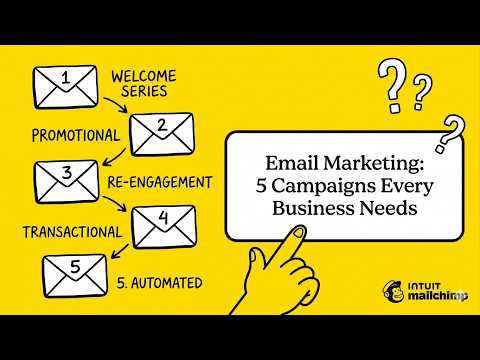
- Promotional Emails: Targeted offers, discounts, and limited-time deals designed to incentivize immediate purchase.
- Educational Content with a CTA: Providing valuable content that subtly leads the reader towards a solution that involves your product or service.
Post-Purchase Optimization
- Upsell and Cross-sell Opportunities: Suggesting complementary products or upgrades to increase the value of existing customers.
- Loyalty Programs and VIP Offers: Rewarding repeat customers and encouraging continued spending.
- Re-engagement Campaigns: Bringing back lapsed customers with compelling incentives and personalized pitches.
Abandoned Cart Recovery
- Automated Reminders: Gently nudging customers to complete their purchases with personalized emails that address potential hesitations.
- Incentivized Completion: Offering a small discount or free shipping to overcome the final barrier to purchase.
Aligning Email Metrics with Financial Outcomes
This is where the rubber meets the road. You need to move beyond simply tracking opens and clicks and start connecting these to actual revenue. This requires robust tracking mechanisms and a willingness to delve deeper into your data.
Tracking Direct Revenue Attribution
- Unique Discount Codes: Assigning unique codes to specific email campaigns allows you to directly track revenue generated from those who use the code.
- UTM Parameters: Implementing UTM parameters in your email links allows you to track campaign performance in your web analytics platform (e.g., Google Analytics) and attribute sales to specific email campaigns.
- Post-Purchase Surveys: A simple question at checkout or in a post-purchase email asking “How did you hear about us?” can provide valuable qualitative data on channel attribution.
Calculating Return on Investment (ROI)
The ultimate measure of revenue accountability is ROI. This is calculated by:
- Total Revenue Generated by Email Campaign / Total Cost of Email Campaign
The cost of an email campaign includes the cost of your email marketing platform, the time spent by your team on creation and analysis, and any associated advertising or design costs. A positive ROI signifies that your email marketing is profitable.
Implementing Revenue-Focused Email Campaign Tactics

Now that you understand the strategic shift, let’s dive into the practical tactics that will empower you to execute revenue-focused email campaigns effectively. This is about applying principles of direct marketing and sales psychology within the email channel.
Personalization as a Revenue Accelerator
Generic emails land in the spam folder or the trash. Personalized emails resonate, engage, and, most importantly, convert. Leveraging data to tailor your message is no longer a luxury; it’s a necessity for revenue growth.
Leveraging Customer Data for Hyper-Personalization
- Demographic Information: Addressing recipients by name, referencing their location, or tailoring offers based on age and gender can significantly boost engagement.
- Purchase History: Recommending products based on past purchases, suggesting complementary items, or offering personalized discounts on previously viewed items are powerful revenue drivers.
- Browsing Behavior: Emails triggered by specific website actions (e.g., viewing a product, adding to cart) can be highly effective in recovering lost sales.
- Engagement Level: Segmenting your list based on how actively subscribers engage with your emails allows you to tailor messages to different segments – offering exclusive deals to loyal customers and win-back offers to inactive ones.
Dynamic Content Optimization
Dynamic content allows you to display different content blocks within the same email based on recipient data. This means a single email template can be personalized for thousands of individuals, showcasing relevant product recommendations, special offers, or even different calls to action based on their profile.
Segmentation for Precision Targeting
The broader your audience, the less effective your message will be. Effective segmentation allows you to deliver highly relevant content to specific groups within your subscriber base, dramatically increasing the likelihood of conversion and revenue generation.
Behavioral Segmentation
- Purchase Frequency: Segmenting by first-time buyers, repeat customers, and VIP customers allows for differentiated messaging and offers.
- Engagement Levels: Grouping subscribers based on their interaction with your emails (opens, clicks, past purchases) enables you to send targeted re-engagement campaigns or exclusive offers.
- Cart Abandonment: Identifying users who have abandoned their carts allows for timely and personalized recovery emails.
Demographic and Psychographic Segmentation
- Location: Tailoring offers based on regional events, holidays, or seasonal product availability.
- Interests: If you gather data on customer interests, you can segment based on product categories they prefer or content they consume.
- Customer Lifetime Value (CLV): Identifying your high-value customers and creating exclusive campaigns to retain and further engage them.
Crafting Compelling Calls to Action (CTAs)
Your CTA is the bridge between your email content and the desired revenue-generating action. It needs to be clear, concise, and persuasive, leaving the recipient with no doubt about what you want them to do next.
The Psychology of Effective CTAs
- Action-Oriented Language: Use strong verbs that encourage immediate action (e.g., “Shop Now,” “Get Your Discount,” “Download Your Free Guide”).
- Urgency and Scarcity: Phrases like “Limited Time Only” or “While Supplies Last” can motivate immediate purchase.
- Benefit-Driven Language: Highlight what the recipient will gain by clicking your CTA (e.g., “Save 20% Today,” “Discover Your Perfect Fit”).
- Clear Value Proposition: Ensure the CTA clearly communicates the benefit of taking action.
Designing for Click-Through and Conversion
- Prominent Placement: CTAs should be easily visible and accessible within your email design.
- Visually Distinct: Use contrasting colors and clear button designs to make your CTAs stand out.
- A/B Test Your CTAs: Experiment with different wording, colors, and placements to see what performs best for your audience.
Measuring and Optimizing for Revenue Growth
The work doesn’t end once you hit send. To truly maximize your marketing accountability, you must continuously measure, analyze, and optimize your email campaigns based on their revenue performance. This is an iterative process of learning and refinement.
Advanced Revenue Tracking and Attribution Models
Moving beyond simple direct attribution, you can explore more sophisticated attribution models to understand the full impact of your email marketing.
First-Touch vs. Last-Touch Attribution
- First-Touch: Attributes 100% of the revenue to the first marketing touchpoint a customer interacted with (e.g., the first email they opened that led to a purchase).
- Last-Touch: Attributes 100% of the revenue to the last marketing touchpoint before conversion (e.g., the last email they clicked that resulted in a sale).
- Multi-Touch Attribution: Distributes credit across multiple touchpoints in the customer journey, providing a more holistic view of your marketing efforts. This could include linear, time decay, or U-shaped models.
Cohort Analysis for Lifetime Value
Cohort analysis involves grouping customers based on a shared characteristic (e.g., when they made their first purchase) and tracking their behavior over time. This helps you understand the long-term revenue generated by different customer acquisition cohorts, revealing the true lifetime value of customers acquired through email.
A/B Testing for Revenue Optimization
A/B testing is your secret weapon for continuous improvement. By testing different elements of your email campaigns, you can identify what resonates most with your audience and drives the highest revenue.
Key Elements to A/B Test
- Subject Lines: Test for open rates and subsequent conversion.
- Email Body Copy: Experiment with different messaging, tone, and benefit highlights.
- Calls to Action (CTAs): Test wording, color, size, and placement.
- Offers and Discounts: Determine the most effective incentives for driving purchases.
- Send Times and Days: Optimize for maximum engagement and conversion.
- Personalization Elements: Test the impact of different personalization strategies.
Interpreting A/B Test Results for Revenue Impact
Don’t just look at which version had a higher open rate. Analyze which version led to more completed purchases and ultimately, more revenue. This might mean that a slightly lower open rate is acceptable if it leads to a significantly higher conversion rate and average order value.
Continuous Improvement and Iteration
Revenue accountability is not a one-time setup; it’s an ongoing commitment to learning and adaptation. Regularly review your campaign performance, identify trends, and use these insights to inform your future strategies.
Building a Feedback Loop
Establish a process for regularly reviewing your email marketing performance against revenue goals. This should involve:
- Weekly or Bi-weekly Performance Reviews: Analyzing key revenue metrics and identifying immediate optimization opportunities.
- Monthly or Quarterly Strategy Sessions: Reviewing broader trends, assessing the effectiveness of your overall strategy, and making adjustments.
- Post-Campaign Analysis: Conducting a thorough review of each major campaign to extract key learnings and apply them to future efforts.
Adapting to Market Changes and Customer Behavior
The digital landscape and customer expectations are constantly evolving. Your email marketing strategy needs to be agile and responsive. Stay informed about industry trends, analyze shifts in customer behavior, and be willing to experiment with new approaches to maintain and enhance your revenue-generating efforts.
In the realm of digital marketing, understanding how to optimize your strategies is crucial for success. A related article discusses the importance of identifying and addressing gaps in your funnel, which can significantly impact your overall revenue. By exploring the insights provided in this article, you can learn how to enhance your drip campaigns and ensure they are not leaking leads. For more information, check out this insightful piece on fixing the gaps in your funnel.
Overcoming Challenges and Scaling Your Revenue Focus
| Metrics | Impact |
|---|---|
| Conversion Rate | Increased by targeting revenue-focused audience |
| Customer Lifetime Value | Improved by nurturing leads through revenue-focused emails |
| Return on Investment (ROI) | Enhanced through targeted revenue-driven email campaigns |
| Marketing Qualified Leads (MQLs) | Increased by focusing on revenue-generating prospects |
Implementing a revenue-focused approach might present some hurdles, but with strategic planning and a commitment to your goals, you can overcome them and scale your success.
Data Integration and Management
Connecting your email marketing platform with your CRM and other sales tools is crucial for comprehensive revenue tracking. Ensuring the accuracy and cleanliness of your data is paramount. Invest in tools and processes that facilitate seamless data integration and provide a unified view of your customer interactions.
Team Alignment and Skill Development
Ensure your marketing team understands the importance of revenue accountability. Provide training on advanced analytics, attribution modeling, and revenue-focused campaign strategies. Foster a collaborative environment where data insights are shared and acted upon across different marketing functions.
Beyond Direct Sales: Fostering Customer Lifetime Value
While direct sales are a primary focus, remember that revenue accountability also extends to nurturing long-term customer relationships.
Strategies for Increasing Customer Lifetime Value (CLV)
- Exceptional Customer Service: Ensure post-purchase support is stellar, leading to repeat business and positive word-of-mouth.
- Personalized Loyalty Programs: Reward your most valuable customers with exclusive perks and early access to new products.
- Community Building: Foster a sense of belonging around your brand, encouraging engagement and brand advocacy.
- Content that Educates and Empowers: Provide ongoing value that keeps customers engaged and informed, solidifying their relationship with your brand.
By shifting your email marketing from a simple communication channel to a powerful revenue-driving engine, you’ll not only improve your marketing accountability but also unlock significant growth potential for your business. It’s time to embrace the revenue-centric mindset and watch your email campaigns transform from cost centers into profit generators.
FAQs
What are revenue focused email campaigns?
Revenue focused email campaigns are marketing strategies that prioritize generating sales and revenue through email communication. These campaigns are designed to drive conversions and track the impact of email marketing efforts on the company’s bottom line.
How do revenue focused email campaigns improve marketing accountability?
Revenue focused email campaigns improve marketing accountability by directly tying email marketing efforts to measurable business outcomes, such as sales and revenue. This allows marketers to demonstrate the impact of their campaigns and justify their marketing spend based on tangible results.
What are the key components of a successful revenue focused email campaign?
Key components of a successful revenue focused email campaign include clear and compelling call-to-action, personalized and targeted messaging, strategic timing of emails, and robust tracking and analytics to measure the campaign’s impact on revenue generation.
How can companies measure the success of revenue focused email campaigns?
Companies can measure the success of revenue focused email campaigns by tracking key performance indicators such as conversion rates, average order value, customer lifetime value, and overall revenue generated from email marketing efforts.
What are the benefits of implementing revenue focused email campaigns?
Implementing revenue focused email campaigns can lead to increased marketing accountability, improved return on investment, better understanding of customer behavior and preferences, and ultimately, higher revenue generation for the company.