


You’re staring at a blank screen, a blinking cursor your only companion. Your email campaign is ready to launch, a masterpiece of content and calls to action. But before anyone can appreciate your brilliance, they need to open your email. And that, dear marketer, is where the subject line reigns supreme. It’s the gatekeeper, the bouncer, the first impression that determines whether your message sees the light of day or languishes in the digital graveyard of unopened emails. Crafting irresistible email subject lines isn’t just an art; it’s a science, a delicate balance of psychology, creativity, and strategic thinking. This comprehensive guide will equip you with the tools and insights you need to boost your open rates and ensure your emails land where they belong: in your audience’s eager hands.
Before you even think about words, you need to understand the human brain. Why do people open emails? What triggers their curiosity, their desire, their urgency? Delving into these psychological drivers is the foundation of effective subject line creation.
The Power of Curiosity: Pique Their Interest
Humans are inherently curious creatures. We crave knowledge, we want to know what we’re missing, and we’re often compelled to fill in the blanks. A subject line that hints at something intriguing without revealing everything can be incredibly powerful.
Ask a Question: Engage Their Minds
A well-placed question can be a potent curiosity trigger. It creates a conversational tone and invites the reader to seek an answer within your email.
- Example: “Are You Making These Common Email Marketing Mistakes?”
- Example: “What’s the Secret to Doubling Your Sales?”
Use a Cliffhanger: Leave Them Wanting More
Similar to a compelling movie trailer, a cliffhanger subject line sets up an expectation and promises a resolution inside the email.
- Example: “You Won’t Believe What We Discovered About Your [Industry Pain Point]…”
- Example: “The One Thing Standing Between You and Your Goals (It’s Not What You Think)”
Introduce a Novelty: Offer Something New and Exciting
We are drawn to new things, new ideas, new solutions. If your email contains something genuinely fresh, highlight it in your subject line.
- Example: “Introducing: The Revolutionary New Tool That Will Change How You Work”
- Example: “Unlock the Future: Our Latest Innovation Is Here”
The Allure of Urgency and Scarcity: The Fear of Missing Out
Few things motivate action quite like the fear of missing out (FOMO). When people perceive that an opportunity is limited, either in time or quantity, they are more likely to act quickly.
Time-Sensitive Offers: Create a Deadline
Explicitly stating a deadline can significantly boost open rates, especially for promotions and sales.
- Example: “Last Chance! 24 Hours Left to Save 50%”
- Example: “Sale Ends Tonight! Don’t Miss Out”
Limited Stock/Availability: Highlight Exclusivity
When an item or service is scarce, its perceived value increases. Communicate this scarcity in your subject line.
- Example: “Only 10 Spots Left for Our Exclusive Webinar”
- Example: “Limited Edition Product – Grab Yours Before They’re Gone!”
Event Reminders: Prompt Immediate Action
For events, webinars, or online workshops, timely reminders with an urgent tone are crucial.
- Example: “Webinar Starts in 15 Minutes! Join Now”
- Example: “Don’t Forget: Your [Event Name] Ticket Expires Soon”
The Promise of Value and Benefit: What’s In It For Them?
Ultimately, people open emails because they believe there’s something in it for them. Your subject line should clearly articulate the benefit or value your email provides.
Solve a Problem: Address Their Pain Points
If your email offers a solution to a common problem your audience faces, make that clear upfront.
- Example: “Tired of Low Open Rates? Here’s How to Fix Them”
- Example: “Struggling with [Specific Challenge]? We Have the Answer”
Offer a Solution: Provide a Clear Path Forward
Beyond identifying a problem, your subject line can promise a tangible solution or improvement.
- Example: “Boost Your Productivity by 20% with This Simple Hack”
- Example: “Learn How to [Desired Outcome] in Just 3 Easy Steps”
Deliver a Direct Benefit: Quantify the Gain
Numbers and quantifiable benefits are incredibly persuasive. If you can express the value in terms of savings, time, or results, do so.
- Example: “Save $50 on Your Next Purchase – Today Only!”
- Example: “Increase Your Website Traffic by 30% This Month”
If you’re looking to enhance your email marketing strategy further, you might find it beneficial to read the article on choosing the right email sending strategy, which discusses the differences between dedicated and shared IPs. Understanding these concepts can help you optimize your email deliverability and engagement rates. You can check out the article here: Choosing the Right Email Sending Strategy: Dedicated vs. Shared IP.
Crafting Compelling Language: Words That Win
Once you understand the psychological triggers, it’s time to translate that knowledge into compelling language. The words you choose, their arrangement, and even their tone, all play a critical role.
The Art of Conciseness: Less Is More
In a crowded inbox, brevity is your best friend. Mobile devices often truncate subject lines, meaning every character counts. Get to the point quickly and efficiently.
Keep It Short and Sweet: Aim for Under 50 Characters
While there’s no hard and fast rule, generally, subject lines under 50 characters perform better, especially on mobile.
- Example (Too Long): “Discover the Ultimate Guide to Mastering Email Marketing and Boosting Your Open Rates with Our Proven Strategies”
- Example (Better): “Master Email Marketing: Boost Your Open Rates Now!”
Prioritize Key Information: Front-Load Your Message
Put the most important words and the core benefit at the beginning of your subject line. This ensures your message is understood even if it gets cut off.
- Example: “New Product Launch: [Product Name] Is Here!”
- Example: “[Industry Report] – The Latest Trends You Need to Know”
When crafting compelling email subject lines, it’s essential to consider the overall health of your email campaigns, including how to manage bounces and unsubscribes effectively. For insights on maintaining a positive sender reputation while optimizing your email strategy, you can check out this informative article on automatic management of bounces and unsubscribes. Understanding these aspects can significantly enhance your email open rates and engagement.
Personalization Power: Make It About Them
People are more likely to open an email that feels like it’s specifically for them. Personalized subject lines can significantly increase open rates and build stronger connections.
Use Their Name: The Simplest Form of Personalization
If you have your subscriber’s first name, use it! It’s a simple yet powerful way to grab attention.
- Example: “John, Your Exclusive Offer Awaits!”
- Example: “A Special Message for Sarah”
Leverage Their Location/Interests: Go Deeper
If you have more data, such as their location or specific interests, incorporate that for a highly targeted subject line.
- Example: “New Event in London: Don’t Miss Out!”
- Example: “Your Guide to [Specific Interest] Success”
Refer to Past Actions/Purchases: Build on Existing Relationships
Acknowledge their past interactions to show you understand their needs and preferences.
- Example: “Your Recent Purchase: Here’s What’s Next”
- Example: “Since You Loved [Previous Product], You’ll Adore This!”
Evoking Emotion: Connect on a Deeper Level
Emotions drive decisions. A subject line that makes someone feel happy, excited, intrigued, or even a little worried (in a good way) can be incredibly effective.
Use Emojis (Sparingly and Strategically): Add Visual Appeal
Emojis can add personality, convey emotion, and make your subject line stand out in a crowded inbox. However, use them judiciously and ensure they are relevant to your message and audience.
- Example: “🚀 We’re Taking Off! See Our Latest Features”
- Example: “🎉 Your Exclusive Discount Is Here!”
- Example: “⚠️ Last Chance to Save Big!”
Employ Strong Adjectives and Verbs: Inject Energy
Choose words that create a sense of excitement, urgency, or intrigue. Avoid bland, passive language.
- Example: “Unlock Your Potential with This Game-Changing Strategy”
- Example: “Discover the Astonishing Secrets of [Topic]”
Create a Sense of Belonging: Foster Community
People want to feel part of something. Subject lines that create this sense of community can be very effective.
- Example: “Welcome to the [Your Brand] Family!”
- Example: “Join Thousands of Others Who Are [Achieving a Goal]”
The Do’s and Don’ts: Best Practices for Success


Even with a strong understanding of psychology and language, there are practical guidelines to follow and pitfalls to avoid.
AVOID Spam Triggers: Stay Out of the Junk Folder
Nothing kills an email campaign faster than landing in the spam folder. Be mindful of words and practices that trigger spam filters.
Steer Clear of “Spammy” Words: Be Cautious with Salesy Language
Words like “free,” “win,” “guarantee,” “act now,” and excessive exclamation points can flag your email as spam. While not all are inherently bad, use them with caution and in moderation.
- Example (Risky): “FREE Money! WIN BIG Now!!!”
- Example (Better): “Claim Your Complimentary E-book”
Don’t Use All Caps: It’s Yelling (and Spammy)
ALL CAPS is perceived as yelling and is a common characteristic of spam emails. It’s jarring and unprofessional.
- Example (Bad): “OPEN THIS NOW FOR YOUR HUGE DISCOUNT!”
- Example (Good): “Your Huge Discount is Waiting Inside”
Avoid Excessive Punctuation and Special Characters: Keep It Clean
Multiple exclamation points, dollar signs, and unusual symbols can also trigger spam filters. A single exclamation point for excitement is usually fine, but don’t overdo it.
- Example (Risky): “🔥🔥🔥 Don’t Miss This!!!!! Limited Time Offer$$$”
- Example (Better): “Don’t Miss This! Limited Time Offer”
A/B Testing Your Way to Success: Never Stop Optimizing
The best subject line isn’t a guess; it’s a discovery. A/B testing is your secret weapon for continuously improving your open rates.
Test Different Approaches: Experiment with Variables
Don’t just test minor variations. Try entirely different types of subject lines.
- Test 1 (Curiosity): “What’s the Secret to Better Open Rates?”
- Test 2 (Benefit): “Boost Your Open Rates by 20% This Month”
- Test 3 (Urgency): “Last Chance to Improve Your Open Rates!”
Analyze Your Results: Data Drives Decisions
Look beyond just the open rate. Consider click-through rates and conversion rates as well. A subject line might get a high open rate but fail to drive engagement if it misrepresents the email’s content.
- Track: Open Rate, Click-Through Rate, Conversion Rate, Unsubscribe Rate.
Iterate and Learn: Apply Insights to Future Campaigns
A/B testing is an ongoing process. Use the data you collect to inform your future subject line strategies. What worked well? What fell flat? Why?
- Hypothesize: Based on past performance, what do you predict will work?
- Implement: Create and test new variations.
- Evaluate: Analyze the results and refine your understanding of your audience.
The Power of Preheader Text: Your Second Subject Line
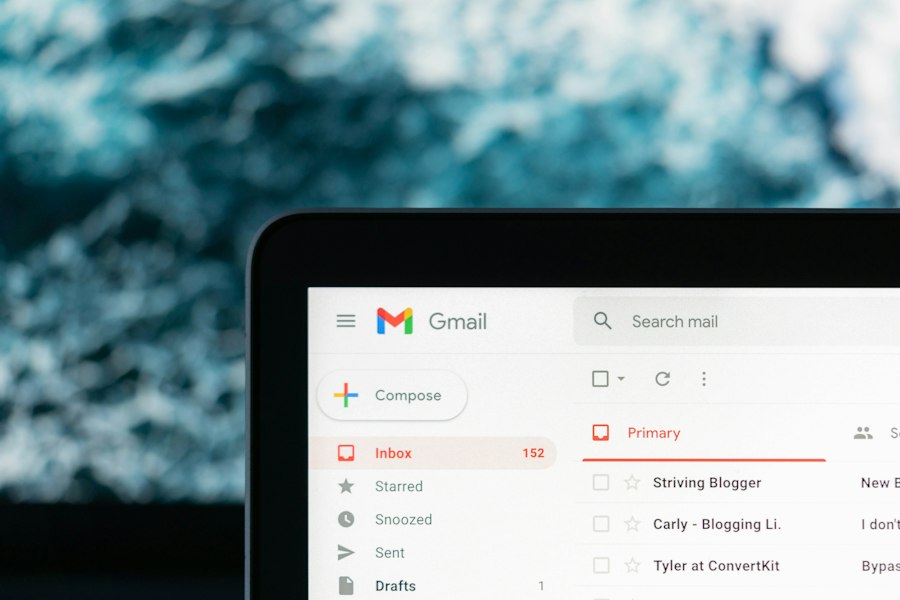
The preheader text (also known as the “preview text”) is the short snippet of text that appears after the subject line in the inbox. It’s often overlooked but can be just as crucial as the subject line itself.
Extend Your Message: Provide More Context
Use the preheader to expand on your subject line, offer more detail, or reinforce the call to action.
- Subject Line: “Your Exclusive Offer Inside!”
- Preheader: “Save big on all your favorite products. Click here to reveal your discount code.”
Create Intrigue: Encourage the Open
If your subject line is a cliffhanger, the preheader can deepen the mystery or hint at the solution.
- Subject Line: “The Truth About Your Email Marketing…”
- Preheader: “…and how a simple tweak can transform your results. Don’t miss this essential guide.”
Avoid Repetition: Don’t Duplicate the Subject Line
This is a common mistake. Don’t simply repeat your subject line in the preheader. It’s wasted space. Use it to add value.
- Subject Line: “New Product Launch!”
- Preheader (Bad): “New Product Launch!”
- Preheader (Good): “Be the first to experience [Product Name]. Get all the details and exclusive early bird pricing.”
Advanced Strategies: Taking Your Subject Lines to the Next Level
Once you’ve mastered the basics, it’s time to explore more sophisticated tactics to make your subject lines truly irresistible.
Segment Your Audience: Deliver Hyper-Relevant Messages
One-size-fits-all rarely works in email marketing. Segmenting your audience allows you to tailor subject lines that resonate deeply with specific groups.
Based on Demographics: Age, Gender, Location
If you have this data, use it to craft highly specific offers or content.
- Example (Location): “Your Guide to Summer Events in [City Name]”
- Example (Age Group): “Retirement Planning Tips for Savvy Savers”
Based on Behavior: Past Purchases, Website Activity
This is where personalization truly shines. Leverage their interactions with your brand.
- Example (Abandoned Cart): “You Left Something Behind! Complete Your Order Now”
- Example (Website Visit): “We Noticed You Were Interested in [Product/Service]…”
Based on Engagement Level: Active vs. Inactive Subscribers
Your most engaged subscribers might respond to different subject lines than those you’re trying to re-engage.
- Example (Active): “Here’s Your Next [Relevant Content Piece]”
- Example (Inactive): “We Miss You! Here’s a Special Offer to Welcome You Back”
Leverage Current Events and Trends: Be Timely and Relevant
Tapping into what’s currently happening in the world or your industry can make your emails feel fresh and topical.
Seasonal Offers: Holidays and Special Occasions
Holidays and seasonal changes provide natural opportunities for themed subject lines.
- Example: “Deck the Halls with Savings! Our Holiday Sale Is Here”
- Example: “Spring Cleaning for Your Inbox: New Productivity Tips”
Industry News and Developments: Position Yourself as an Expert
If there’s a significant event or trend in your industry, address it in your subject line.
- Example: “Our Take on the Latest [Industry] Regulations”
- Example: “The AI Revolution: What It Means for Your Business”
Pop Culture References (Use with Caution): Connect with Their World
While risky, a well-placed pop culture reference can be highly engaging and memorable. Ensure it’s relevant to your audience and brand.
- Example: “May the 4th Be With You: Special Star Wars Day Deals!”
- Example: “Don’t Be a Squid Game Loser: Secure Your Spot Now!”
The Art of the Teaser: Building Anticipation
Sometimes, the goal isn’t just to get an open, but to build excitement for something bigger that’s coming.
Hint at Future Content: Get Them Hooked
If you have an upcoming series, major announcement, or new product, use a teaser subject line.
- Example: “Something Big Is Coming Next Week…”
- Example: “Get Ready for Our Most Exciting Launch Yet!”
Announce a Series: Encourage Continued Engagement
If your email is part of a series, indicate that in the subject line to encourage opens for subsequent emails.
- Example: “Part 1: The Ultimate Guide to [Topic]”
- Example: “Continuing Our Series: Advanced Strategies for [Topic]”
Crafting irresistible email subject lines is an ongoing journey of learning, experimentation, and refinement. It’s about understanding your audience, speaking their language, and constantly striving for that perfect balance of intrigue, value, and urgency. By applying the principles outlined in this guide, you’ll not only boost your open rates but also foster deeper connections with your subscribers, transforming them from passive recipients into engaged advocates for your brand. So go forth, experiment, and watch your open rates soar!
FAQs
1. Why are email subject lines important?
Email subject lines are important because they are the first thing recipients see and can determine whether or not they open the email. A compelling subject line can increase open rates and engagement with the email content.
2. What makes a good email subject line?
A good email subject line is concise, relevant to the content of the email, and creates a sense of urgency or curiosity. It should also be personalized when possible and avoid using spammy language or excessive punctuation.
3. How can I write email subject lines that people want to open?
To write email subject lines that people want to open, consider the recipient’s interests and needs, use A/B testing to determine what works best, and incorporate action-oriented language. It’s also important to keep subject lines clear and avoid misleading or clickbait language.
4. What are some examples of effective email subject lines?
Examples of effective email subject lines include those that create a sense of urgency (“Last chance to save 50%”), offer a benefit or solution (“Unlock the secret to better productivity”), or ask a compelling question (“Are you making these common email mistakes?”).
5. How can I measure the success of my email subject lines?
You can measure the success of your email subject lines by tracking open rates, click-through rates, and conversion rates. A successful subject line will result in higher open and engagement rates, ultimately leading to more conversions or desired actions from recipients.