


The Deluge of Digital Communication
You know the feeling. Your inbox is a relentless river, constantly flowing with messages, offers, and requests. As a business owner, you’re not just swimming in that river; you’re trying to navigate it, extract value, and avoid getting swept away. In today’s hyper-connected world, email isn’t just a communication tool; it’s a fundamental pillar of your business operations, marketing efforts, and customer relationships. Yet, for many, it remains a black box. You send emails, you receive emails, but do you truly understand the impact of those digital dispatches?
Consider the sheer volume. From internal team communications to intricate marketing campaigns, customer service responses, and crucial supplier negotiations, a significant portion of your daily interactions transpires via email. Without clear performance metrics, you’re essentially flying blind. You might be investing significant time and resources into crafting newsletters, promotional offers, or onboarding sequences, but without tangible data, you have no way of knowing if these efforts are actually resonating, driving conversions, or even being opened. This lack of insight isn’t just inefficient; it’s detrimental to your bottom line and your ability to make informed strategic decisions. In an era where every click, every open, and every unsubscribe tells a story, choosing to ignore these narratives is a luxury no modern business owner can afford. The stakes are simply too high to leave your email strategy to guesswork and intuition.
In the digital age, understanding the intricacies of email marketing is crucial for business owners, which is why having clear email performance metrics is essential. For those looking to enhance their email strategies further, a related article titled “Mastering Advanced Personalization with Spintags: Stop Sounding Like a Robot” offers valuable insights into how personalized content can significantly improve engagement rates. You can read the article here: Mastering Advanced Personalization with Spintags.
Decoding the Metrics That Matter
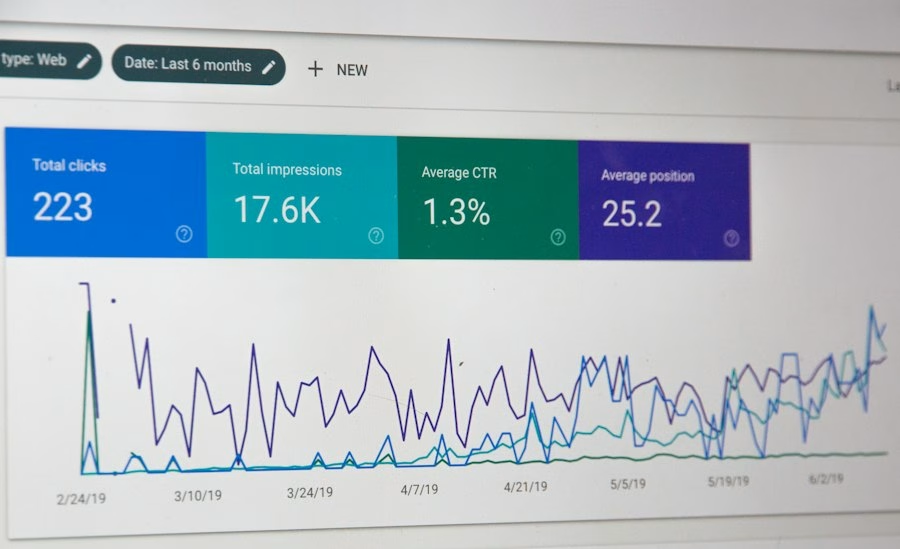

To move beyond anecdotal evidence and truly understand your email performance, you need to immerse yourself in the world of metrics. These aren’t just arbitrary numbers; they are the vital signs of your email campaigns, providing invaluable insights into what’s working, what’s faltering, and where opportunities for improvement lie. Understanding and actively monitoring these key performance indicators (KPIs) empowers you to refine your strategies, optimize your content, and ultimately, achieve your business objectives more effectively.
Open Rate: The First Impression
The open rate is arguably your first and most fundamental metric. It tells you the percentage of recipients who opened your email out of the total number delivered. A high open rate suggests your subject lines are compelling, your sender name is recognizable, and your audience finds your content relevant enough to pique their interest. Conversely, a low open rate signals a problem. Are your subject lines dull or misleading? Is your audience segment incorrect? Are you sending emails at the wrong time? You need to constantly test and iterate to improve this crucial first hurdle. Remember, an email that isn’t opened can’t be read, and an unread email can’t convert.
Click-Through Rate (CTR): Driving Engagement
Once your email is opened, the next crucial step is getting recipients to engage with your content. The click-through rate (CTR) measures the percentage of recipients who clicked on one or more links within your email. A strong CTR indicates that your email content is compelling, your calls to action (CTAs) are clear and prominent, and the offer or information presented is genuinely appealing to your audience. A low CTR, however, suggests your content might not be relevant, your CTAs are hard to find, or the perceived value of clicking through isn’t high enough. This metric is a direct indicator of how well your email is performing its primary function of driving traffic to a specific destination, whether it’s a product page, a blog post, or a registration form.
Conversion Rate: The Ultimate Goal
While open rates and CTRs are vital for engagement, the conversion rate is often the ultimate metric for measuring the true success of your email campaigns. This metric calculates the percentage of recipients who completed a desired action after clicking through from your email, such as making a purchase, signing up for a webinar, downloading an asset, or filling out a form. A high conversion rate means your entire email funnel, from subject line to landing page, is effectively guiding your audience towards a specific outcome that benefits your business. A low conversion rate demands a deeper investigation – is your offer clear? Is your landing page optimized? Is there friction in the conversion process? Without tracking this, you’re missing the final piece of the puzzle that connects email effort directly to revenue or strategic goals.
Bounce Rate: Maintaining List Hygiene
The bounce rate measures the percentage of emails that could not be delivered to the recipient’s inbox. There are two main types: hard bounces and soft bounces. Hard bounces are permanent failures (e.g., invalid email address, domain no longer exists), while soft bounces are temporary (e.g., full inbox, server issues). A high bounce rate negatively impacts your sender reputation, which can lead to your emails being flagged as spam. Regularly monitoring and cleaning your email list to remove hard bounces and address persistent soft bounces is essential for maintaining deliverability and ensuring your messages reach their intended audience. Ignoring bounce rates is akin to constantly yelling into a broken telephone line; you’re expending effort with no return.
Unsubscribe Rate: Understanding Audience Sentiment
The unsubscribe rate indicates the percentage of recipients who chose to opt out of receiving further emails from you. While an unsubscribe might feel like a rejection, it’s also a valuable piece of feedback. A low unsubscribe rate suggests your content is relevant and valuable to your audience. A high rate, however, can signal several issues: you might be sending too frequently, your content is no longer meeting audience expectations, or your segmentation is off. Instead of dreading unsubscribes, view them as an opportunity to learn. Perhaps you need to refine your targeting or segment your audience more precisely. It’s better for someone to unsubscribe than to mark your email as spam, which is far more damaging to your sender reputation.
Strategic Decision-Making and Resource Allocation


Armed with clear email performance metrics, you move beyond mere guesswork and enter a realm of data-driven decision-making. This shift is transformative for your business, enabling you to allocate your precious time, money, and creative energy far more effectively. No longer are you guessing which subject lines to use or which calls to action are most persuasive; the data tells you. This analytical approach injects precision into your marketing and communication efforts, turning your email strategy into a powerful engine for growth rather than a hopeful shot in the dark.
Optimizing Campaign Performance
With metrics at your fingertips, you gain the power to relentlessly optimize every aspect of your email campaigns. Imagine conducting A/B tests on different subject lines, experimenting with various email layouts, or trying out diverse calls to action. By analyzing the open rates, click-through rates, and conversion rates for each variation, you can quickly identify what resonates best with your audience. This iterative process allows you to continuously refine your approach, leading to incrementally better results over time. You can determine if personalizing the greeting increases engagement, if a shorter email yields more clicks, or if a specific image style improves conversions. Without these metrics, every campaign is a new roll of the dice; with them, each campaign builds upon the learnings of the last.
Enhancing Content Relevance
Your audience is diverse, and their interests vary. Email performance metrics help you understand these nuances. By analyzing which segments respond best to certain types of content (e.g., product updates, educational articles, promotional offers), you can tailor your future communications to be far more relevant. If you notice that a segment interested in B2B services rarely opens emails about consumer products, you can adjust your segmentation to exclude them from irrelevant campaigns. This targeted approach not only improves engagement but also reduces unsubscribe rates and spam complaints, as recipients are more likely to find your emails valuable. Relevance is the bedrock of effective email marketing, and metrics are your compass.
Improving Audience Segmentation
Beyond content relevance, metrics provide the granular data needed to refine your audience segmentation. Perhaps you discover that customers who made a purchase over $50 respond better to loyalty program emails, while first-time visitors are more interested in introductory discounts. You can use engagement data (opens, clicks) to create segments of highly engaged subscribers versus less engaged ones, allowing you to re-engage the latter with different tactics or even prune them to maintain list hygiene. Effective segmentation ensures your messages are delivered to the right people at the right time, maximizing their impact and minimizing wasted effort. This level of precision is unattainable without quantifiable performance data.
Justifying Marketing Spend
As a business owner, every dollar spent must be justified. Email marketing, while often cost-effective, still requires investment in tools, content creation, and potentially staff. Clear performance metrics provide the hard data needed to demonstrate the return on investment (ROI) of your email efforts. You can confidently show how email campaigns directly contribute to sales, leads, and customer retention. If your email marketing generates a consistent 10x ROI, you have a compelling case for increasing your budget. Conversely, if a particular campaign consistently underperforms, metrics highlight the need to reallocate resources to more effective channels or strategies. This accountability ensures that your marketing budget is always working as hard as possible for your business.
Building Stronger Customer Relationships
Your email inbox is one of the most personal digital spaces. When you send an email, you’re entering that space, and how you perform there directly impacts your relationship with your customers. Clear email performance metrics are not just about sales and conversions; they are invaluable tools for understanding your customers better, fostering trust, and building long-lasting loyalty.
Personalization and Engagement
Imagine sending a personalized email that genuinely resonates with a customer’s specific needs or interests. Metrics enable this. By tracking which content types a customer engages with, what links they click, and what products they view after clicking, you gather valuable data points. This data allows you to segment your audience and craft hyper-personalized emails that speak directly to individual preferences. For example, if a customer frequently clicks on articles about organic skincare, you can tailor future emails to showcase new organic skincare products or offer exclusive content related to that interest. This level of personalization moves beyond generic blasts, making customers feel understood and valued, which significantly boosts engagement and strengthens their connection to your brand.
Understanding Customer Lifecycle Stages
Customers typically move through various stages with your business: awareness, consideration, purchase, and retention/advocacy. Your email strategy needs to adapt to each stage. Performance metrics help you identify where customers are in their journey. Are new subscribers engaging with your onboarding emails? Are existing customers opening loyalty program announcements? If engagement drops off at a certain stage, it signals a potential problem in your communication strategy for that specific segment. By understanding these patterns, you can optimize your email sequences to guide customers smoothly through their journey, providing relevant information and offers at each crucial touchpoint, thereby nurturing them towards deeper engagement and repeat business.
Proactive Problem Identification
Sometimes, a sudden dip in open rates for a particular segment, or an unexpected spike in unsubscribes, can be an early warning sign of a larger issue. Perhaps a competitor has launched a compelling offer, or there’s a widespread technical issue affecting deliverability. By constantly monitoring your metrics, you can quickly identify these anomalies and investigate their root causes. This proactive approach allows you to address problems before they escalate, mitigating potential damage to your brand reputation and customer relationships. For instance, if a specific campaign leads to a high unsubscribe rate, you can immediately pause it and analyze the feedback, preventing further damage.
Cultivating Loyalty and Retention
Email is a powerful tool for customer retention. Post-purchase emails, loyalty program updates, exclusive offers for existing customers, and personalized recommendations can all significantly boost customer lifetime value. Performance metrics help you fine-tune these strategies. You can track which types of retention emails lead to repeat purchases, which encourage participation in loyalty programs, and which reduce churn. By understanding these drivers, you can continually optimize your retention efforts, ensuring your most valuable customers feel appreciated and continue to choose your business over competitors. A strong customer relationship built on consistent, valuable email communication is an invaluable asset.
Understanding the nuances of email performance metrics is crucial for business owners aiming to enhance their communication strategies. A related article that delves into the intricacies of email success is available for those interested in optimizing their email campaigns. You can explore the details of the IP warm-up process, which plays a vital role in ensuring deliverability and engagement, by visiting this insightful resource. By combining knowledge of performance metrics with effective warming strategies, business owners can significantly improve their email marketing outcomes.
Future-Proofing Your Business
| Metric | Description | Why It Matters to Business Owners |
|---|---|---|
| Open Rate | Percentage of recipients who open the email. | Indicates the effectiveness of subject lines and timing, helping optimize engagement. |
| Click-Through Rate (CTR) | Percentage of recipients who clicked on links within the email. | Measures content relevance and call-to-action effectiveness, guiding content strategy. |
| Conversion Rate | Percentage of recipients who completed a desired action after clicking. | Shows the ROI of email campaigns and helps assess overall campaign success. |
| Bounce Rate | Percentage of emails not delivered to recipients. | Helps maintain a clean email list and improves sender reputation. |
| Unsubscribe Rate | Percentage of recipients who opt out from future emails. | Signals content relevance and frequency issues, guiding list management. |
| Spam Complaint Rate | Percentage of recipients marking the email as spam. | Critical for maintaining deliverability and protecting brand reputation. |
| List Growth Rate | Rate at which the email subscriber list is growing. | Indicates the effectiveness of lead generation and audience expansion efforts. |
The digital landscape is constantly evolving. What works today might be obsolete tomorrow. As a business owner, you need to be agile and adaptive, and having clear email performance metrics is not just about current success; it’s about equipping your business with the tools to navigate future challenges and opportunities. It’s an investment in the longevity and resilience of your operations.
Adapting to Algorithm Changes
Email service providers (ESPs) and internet service providers (ISPs) constantly update their algorithms to filter spam and deliver relevant content. These changes can significantly impact your deliverability and open rates. Without clear metrics, you wouldn’t even know if these changes are affecting you, let alone how to respond. By consistently tracking your deliverability, open rates, and spam complaint rates, you can quickly detect shifts caused by algorithm updates. This data empowers you to adjust your sending practices, content strategy, or authentication protocols to maintain a strong sender reputation and ensure your emails reach their intended audience, thereby future-proofing your ability to communicate effectively.
Identifying Emerging Trends
Your email performance metrics are a rich source of information about broader market trends and audience preferences. For example, a sudden increase in engagement with video content embedded in emails might indicate a shift in how your audience prefers to consume information. A surge in clicks on mobile devices compared to desktop could signal the need for a more robust mobile-first email design strategy. By diligently analyzing these patterns, you can identify emerging trends early on and adapt your content, design, and overall communication strategy to stay ahead of the curve, ensuring your business remains relevant and competitive. This foresight is a significant advantage in a fast-paced market.
Competitive Advantage
In a crowded marketplace, every edge counts. Businesses that leverage data to optimize their operations consistently outperform those that rely on intuition. By meticulously tracking and analyzing your email performance, you gain a competitive advantage. You can develop more effective marketing campaigns, build stronger customer relationships, and allocate resources more efficiently than competitors who are still guessing. This data-driven approach allows you to react faster to market changes, identify niches, and personalize communications in ways that competitors might overlook, thereby cementing your position in the market and attracting a larger share of your target audience.
Scalability and Growth
As your business grows, so does the complexity of your operations. What was manageable with a small email list becomes impossible to track manually with thousands or tens of thousands of subscribers. Clear email performance metrics provide the structured data you need to scale your email efforts effectively. You can automate segmentation based on engagement data, implement sophisticated drip campaigns, and manage large lists efficiently. These metrics provide the framework for sustainable growth, ensuring that your email marketing remains a powerful and scalable channel as your business expands, rather than becoming a bottleneck. Without these insights, scaling your email efforts becomes a chaotic and inefficient endeavor, prone to errors and missed opportunities.