


The Shifting Sands of Digital Measurement: Beyond the Open
For years, the open rate was the undisputed king of email marketing metrics. It was simple, easy to understand, and readily available. A high open rate was a badge of honor, a sign that your subject lines were compelling, your sender reputation solid, and your audience engaged. Marketing teams across industries meticulously tracked these numbers, celebrating spikes and scrutinizing dips. Yet, in boardrooms and strategy sessions today, the conversation has subtly, but significantly, shifted. You’re no longer just reporting on how many people saw your email; you’re delving deeper, presenting data on how many people acted on it. This paradigm shift, from merely observing engagement to actively measuring its tangible impact, is why conversion-based reporting is rapidly overtaking open rate metrics as the gold standard in digital marketing measurement. You’re realizing, perhaps belatedly for some, that an open is just a whisper; a conversion is a shout, a definitive action that moves the needle for your business.
The evolution away from open rates isn’t a sudden revolution, but rather a logical progression driven by several factors. Firstly, the digital landscape itself has become infinitely more complex. The sheer volume of emails, advertisements, and content vying for attention means that simply getting an email opened is a smaller victory than it once was. Your audience is bombarded, and their time is precious. Secondly, advancements in analytics technology have made it easier than ever to track the entire customer journey, from initial interaction to final purchase or desired action. You’re no longer limited to rudimentary metrics; sophisticated attribution models and CRM integrations paint a much clearer picture of ROI. Thirdly, and perhaps most importantly, businesses are demanding more accountability from their marketing spend. You’re under pressure to demonstrate a direct link between your efforts and revenue generation, and an open rate, while indicative of interest, doesn’t directly translate to sales or leads. Conversion metrics, on the other hand, offer that direct line of sight. You’re no longer just showing activity; you’re showing results.
The Limitations of Open Rate as a Primary Metric
While not entirely irrelevant, relying solely on open rates as your primary indicator of success has significant limitations you need to acknowledge. You might be celebrating a fantastic open rate, only to find that your sales figures haven’t budged. This disconnect is precisely why a deeper dive is necessary.
The Email Client Factor
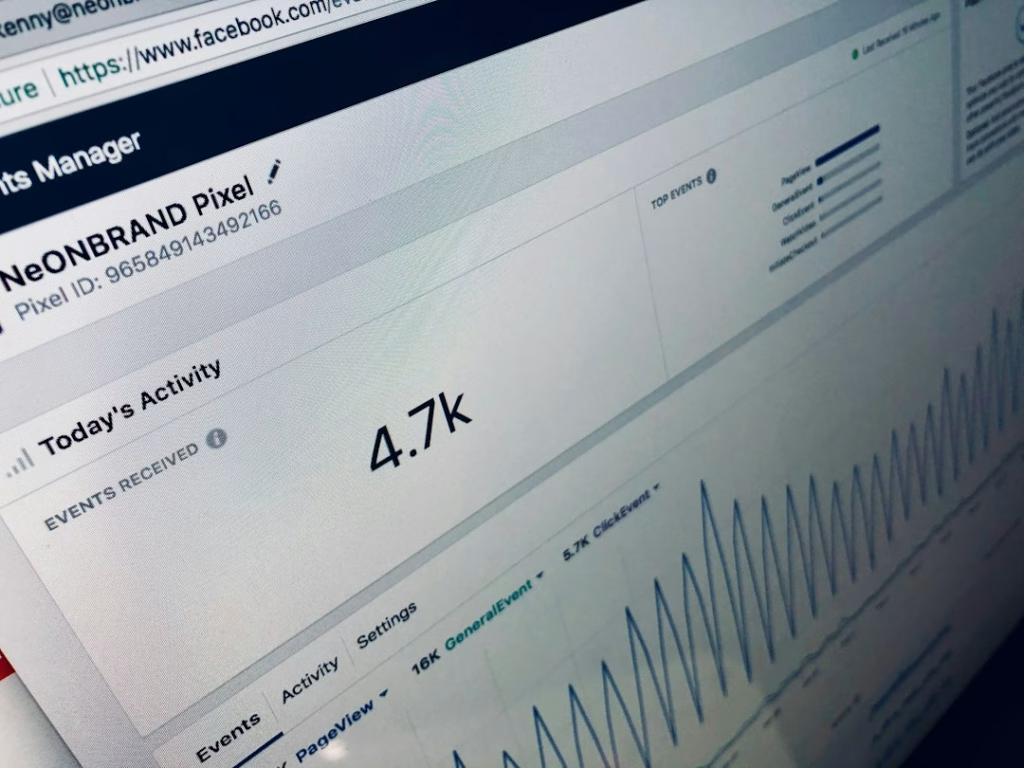
One of the most significant challenges with open rates stems from the very technology used to track them. Open rates are typically measured by a tiny, invisible pixel embedded in your email. When the email is opened, and images are loaded, this pixel fires, registering an “open.” However, many modern email clients, especially on mobile devices, pre-load images or display emails in a preview pane without the user actively clicking to open the entire message. This can inflate your open rates, giving you a falsely optimistic view of engagement. You might think hundreds of people are deeply engaged when, in reality, they simply scrolled past your email in their inbox or a preview loaded the content automatically. Conversely, some users disable image loading by default, meaning your carefully crafted email might be opened and read, but the pixel never fires, leading to an artificially low open rate. You’re operating with imperfect data, which can lead to misguided strategic decisions.
The Vanity Metric Trap
You’ve probably heard the term “vanity metric.” An open rate, when viewed in isolation, often falls squarely into this category. It looks good on a report, it feels good to achieve a high percentage, but does it genuinely reflect business value? Not necessarily. You could have an email with a 50% open rate, but if only 0.1% of those openers click through to your website and convert, what is the true success of that campaign? Conversely, an email with a 15% open rate but a 5% click-through rate and a 2% conversion rate might be far more valuable. You’re celebrating surface-level engagement without understanding the depth or intent behind that engagement. A high open rate might simply indicate that your subject line was intriguing, but it doesn’t tell you if the content resonated, if the offer was compelling, or if the user was genuinely interested in taking the next step.
The Disconnect from Business Objectives
Ultimately, your marketing efforts are designed to achieve specific business objectives: increase sales, generate leads, drive website traffic, boost brand loyalty, or encourage sign-ups. An open rate, by itself, provides no direct insight into the accomplishment of these objectives. You can have a perfectly crafted email with a high open rate, but if it doesn’t lead to clicks, website visits, form submissions, or purchases, it hasn’t achieved its ultimate goal. You might be spending significant resources on email campaigns that are “opened” but fail to convert, essentially spinning your wheels without moving forward. This disconnect between a seemingly positive metric and actual business impact is a critical flaw that conversion-based reporting directly addresses. You need to show impact, not just activity.
In the evolving landscape of digital marketing, the shift from open rate dependence to conversion-based reporting is becoming increasingly significant. For those interested in exploring related topics, an insightful article titled “Unleash the Power of RSS to Email Automation” delves into how automation can enhance email marketing strategies and drive conversions. You can read more about it here: Unleash the Power of RSS to Email Automation. This article complements the discussion on conversion metrics by highlighting innovative approaches to optimize email campaigns for better results.
The Rise of Conversion-Based Reporting: A Focus on Action


The shift to conversion-based reporting isn’t about discarding open rates entirely; it’s about re-prioritizing your metrics to focus on what truly matters: tangible actions that contribute to your business goals. You’re moving from a passive observation of attention to an active measurement of intent and outcome. This approach provides a clearer, more actionable understanding of your campaign performance and its direct impact on your bottom line.
Defining Your Conversions
Before you can effectively implement conversion-based reporting, you must clearly define what constitutes a “conversion” for your specific business and each individual campaign. This isn’t a one-size-fits-all definition. What represents a successful outcome for one campaign might be different for another, even within the same organization. You need to sit down with your team, and often with stakeholders from sales, product, and senior management, to establish these critical definitions.
Macro vs. Micro Conversions
When defining conversions, it’s helpful to differentiate between macro and micro conversions. Macro conversions are your ultimate business goals, the big actions that directly generate revenue or substantial value. For an e-commerce store, this is typically a completed purchase. For a B2B company, it might be a qualified lead submission or a demo request. For a SaaS company, it could be a paid subscription. You’re aiming for these significant, direct impacts.
Micro conversions, on the other hand, are smaller, incremental actions that indicate user engagement and move them closer to a macro conversion. These are crucial stepping stones in the customer journey. Examples include signing up for a newsletter, downloading a whitepaper, watching a product video, adding an item to a cart, or engaging with a chatbot. While they don’t directly generate revenue, they signify interest and progression. Tracking both macro and micro conversions allows you to understand the entire customer journey, identify potential drop-off points, and optimize your funnels more effectively. You’re not just looking at the finish line; you’re monitoring every step of the race.
Aligning Conversions with Business Objectives
The key to successful conversion definition is alignment with your overarching business objectives. Every conversion you track should directly support a specific business goal. If your goal is to increase product sales, then a completed purchase is a macro conversion. If your goal is to build your email list, then a newsletter sign-up is a macro conversion for that particular campaign. You need to ensure that the actions you are measuring as conversions directly contribute to the outcomes your business is striving for. This alignment ensures that your marketing efforts are always focused on generating tangible value, not just superficial engagement. You’re tying every metric back to the strategic aims of the organization.
The Power of Click-Through Rate (CTR) and Beyond
While open rates tell you if someone saw your email, Click-Through Rate (CTR) tells you if they were interested enough to take the next step. This is where conversion reporting truly begins. CTR measures the percentage of people who clicked on a link within your email out of the total number of unique opens or unique delivered emails. It’s a far more active metric than the open rate, demonstrating a user’s intent to engage further with your content or offer. You’re no longer just getting a glimpse; you’re seeing purposeful action.
From Clicks to Conversions
However, CTR is still just a stepping stone. The real power of conversion-based reporting comes from tracking users beyond the click. You’re following their journey on your website, landing page, or app to see if they complete the desired action. This requires robust analytics implementation, often involving tools like Google Analytics, Adobe Analytics, or similar platforms, along with proper UTM tagging on all your email links. UTM parameters allow you to attribute traffic and conversions back to specific email campaigns, subject lines, and even individual links within an email. You’re connecting the dots, showing a direct lineage from email interaction to desired outcome. This comprehensive tracking allows you to calculate not just your click-through rate, but also your conversion rate (the percentage of clicks that result in a conversion) and your revenue per email (if applicable).
The Attribution Challenge
A crucial aspect of conversion reporting is attribution: understanding which touchpoints contributed to a conversion. In a multi-channel world, a user might interact with your email, then see a social media ad, then perform a Google search, and finally convert. Which touchpoint gets the credit? Attribution models help you answer this question. Common models include last-click attribution (giving all credit to the final touchpoint before conversion), first-click attribution (crediting the very first interaction), linear attribution (distributing credit equally across all touchpoints), and time decay attribution (giving more credit to more recent interactions). While there’s no single “perfect” model, choosing one that aligns with your business philosophy allows you to better understand the role your email campaigns play in the broader customer journey. You’re acknowledging the complexity of modern consumer behavior and assigning value accordingly.
Building a Data-Driven Culture: Tools and Best Practices

To effectively shift towards conversion-based reporting, you need more than just a change in mindset; you need the right tools, processes, and a commitment to continuous learning and optimization. You’re building a truly data-driven culture, where every marketing decision is informed by measurable outcomes.
Essential Tools for Conversion Tracking
The foundation of robust conversion-based reporting lies in your technology stack. You need integrated systems that can track user behavior from your email to your website and beyond.
Email Service Provider (ESP) Capabilities
Your Email Service Provider (ESP) is your starting point. Modern ESPs offer far more than just email sending. They provide detailed analytics on opens, clicks, unsubscribes, and bounces. Crucially, many now integrate seamlessly with popular analytics platforms and CRMs, allowing you to pass conversion data back into your email platform. This integration is vital for segmenting your audience based on their actions (e.g., “opened but didn’t click,” “clicked but didn’t convert,” “converted customers”) and for triggering automated follow-up campaigns. You’re leveraging the power of your ESP to move beyond basic metrics and create more sophisticated user journeys.
Web Analytics Platforms
Your web analytics platform (e.g., Google Analytics 4, Adobe Analytics) is the nerve center for tracking post-click behavior. This is where you set up conversion goals, track user flows, and analyze the performance of your landing pages. You’ll use these platforms to see how many users from your email campaigns reached specific pages, completed forms, made purchases, or performed other defined conversions. Ensuring your email links are properly tagged with UTM parameters is paramount here, as it allows your web analytics platform to correctly attribute traffic and conversions back to your email efforts. Without this linkage, your data becomes fragmented and less actionable. You’re transforming raw website traffic into meaningful conversion data.
CRM Integration
Integrating your ESP and web analytics with your Customer Relationship Management (CRM) system is the holy grail of conversion reporting, especially for B2B businesses or those with complex sales cycles. A CRM allows you to track leads and customers throughout their entire lifecycle. When an email conversion (like a lead form submission) syncs with your CRM, your sales team gains immediate context about that lead’s interaction history. This enables more personalized follow-ups and a clearer understanding of marketing’s contribution to closed deals. You’re bridging the gap between marketing effort and sales success, creating a unified view of the customer.
A/B Testing and Continuous Optimization
Conversion-based reporting thrives on continuous improvement. You’re not just tracking; you’re learning and adapting. A/B testing is a fundamental practice in this regard, allowing you to experiment with different elements of your email campaigns to see which ones drive the highest conversion rates.
Testing Elements for Conversion Lift
Every element of your email can influence conversion. You should be regularly A/B testing subject lines to improve open rates (yes, open rates still matter as a gateway!), but more importantly, testing calls to action (CTAs) to boost click-through rates, and landing page designs to optimize conversion rates. Experiment with different email body copy, image placements, personalization techniques, and even the timing of your sends. Don’t assume; test. For example, a clear, benefit-driven CTA button might outperform a generic text link. A personalized product recommendation might lead to more purchases than a general offer. You’re systematically refining your approach based on empirical evidence, not just gut feelings.
Iterative Improvement Through Data
The results of your A/B tests provide invaluable data. You’re learning what resonates with your audience and what drives them to take action. This iterative process of test, learn, and optimize is at the heart of conversion-based reporting. You take the insights from one campaign and apply them to the next, constantly refining your strategy to improve your conversion rates over time. This continuous feedback loop ensures that your marketing efforts are always evolving and becoming more effective. You’re not just reacting; you’re proactively shaping better outcomes.
Beyond the Open and Click: Lifetime Value and Customer Segments
While immediate conversions are vital, a truly sophisticated conversion-based reporting strategy looks beyond the initial transaction to understand the long-term value generated by your email campaigns. You’re shifting your perspective from single interactions to the entire customer journey and its cumulative impact.
Measuring Customer Lifetime Value (CLTV)
Customer Lifetime Value (CLTV) is a forward-looking metric that estimates the total revenue a customer is expected to generate throughout their relationship with your business. When you integrate CLTV into your email marketing analysis, you gain a powerful understanding of the true worth of your converted customers.
Attributing CLTV to Email Campaigns
The goal here is to connect initial email acquisition or re-engagement campaigns to the subsequent CLTV of those customers. For instance, you might find that customers acquired through a specific welcome email series have a significantly higher CLTV than those acquired through other channels. This insight allows you to prioritize and invest more in the email strategies that bring in your most valuable customers. It moves the conversation beyond “did this email generate a sale?” to “did this email generate a valuable customer?” This shift is crucial for sustainable business growth and demonstrates the long-term impact of your email efforts. You’re looking at the forest, not just the trees.
Using CLTV for Strategic Investment
Understanding the CLTV generated by different email segments or campaigns informs your strategic investment decisions. If a particular email segment consistently yields high-CLTV customers, you might allocate more resources to acquiring similar leads or nurturing that segment more intensely. Conversely, if a campaign attracts customers with low CLTV, you might re-evaluate its purpose or target audience. This level of reporting elevates email marketing from a tactical execution to a strategic lever for business growth. You’re using deep insights to make informed, high-impact decisions.
Segmenting for Deeper Insights
One of the greatest advantages of conversion-based reporting is the ability to segment your audience and analyze performance at a granular level. You’re moving away from aggregate, average data to understand the unique behaviors and preferences of different customer groups.
Behavioral Segmentation Based on Conversions
Once you start tracking conversions, you can segment your audience based on their conversion behavior. This includes segments like:
- Converted Customers: Those who have completed a purchase or desired action.
- Cart Abandoners: Those who added items to their cart but didn’t complete the purchase.
- Engaged Non-Converters: Those who clicked through but didn’t convert (perhaps they need more nurturing).
- Repeat Purchasers: Customers who have converted multiple times.
- Lapsed Customers: Former converters who haven’t engaged recently.
Each of these segments requires a different email strategy. For example, cart abandoners might receive a series of emails reminding them of their items and offering incentives. Engaged non-converters might receive content that addresses their objections or provides more product information. You’re tailoring your messaging and offers to the specific needs and stage of each segment, significantly increasing the likelihood of future conversions. You’re building personalized customer journeys, not generic blasts.
Personalization Driven by Conversion Data
The ultimate goal of segmentation is personalization. By understanding who your converters are, what they purchased, or what actions they took, you can personalize subsequent emails to an unprecedented degree. This could involve recommending complementary products, offering exclusive deals based on past purchases, providing relevant content based on downloaded resources, or even adjusting the tone and style of your messaging to match their interaction history. Personalized emails, driven by conversion data, consistently outperform generic emails in terms of engagement, clicks, and subsequent conversions. You’re moving beyond mere names in an email to truly understanding and serving individual customer needs. You’re creating a relevant, valuable dialogue that fosters loyalty and drives sustained action.
As the landscape of email marketing continues to evolve, the shift from open rate dependence to conversion-based reporting is becoming increasingly evident. This change emphasizes the importance of measuring actual engagement and sales rather than just the initial interest in an email. For those looking to enhance their email marketing strategies, exploring effective templates can be beneficial. A related article that provides valuable resources is available at 50 Free Email Marketing Templates for Today’s Businesses, which offers a variety of designs to help boost conversions and improve overall campaign performance.
The Future is Conversion-Centric: A Strategic Imperative
| Metric | Open Rate Reporting | Conversion Based Reporting | Reason for Shift |
|---|---|---|---|
| Primary Focus | Number of email opens | Number of desired actions completed (purchases, sign-ups) | Conversions better reflect campaign effectiveness |
| Measurement Accuracy | Can be inflated by image blocking or preview panes | Tracks actual user behavior and outcomes | More reliable indicator of engagement |
| Engagement Quality | Surface-level engagement (email opened) | Deep engagement (clicks, purchases, form submissions) | Focus on meaningful interactions |
| Impact on ROI | Indirect correlation with revenue | Direct correlation with revenue and goals | Better alignment with business objectives |
| Optimization Insights | Limited insights for improving campaigns | Clear data on what drives conversions | Enables data-driven decision making |
| Typical Conversion Rate | N/A | 2-10% depending on industry and campaign | Conversion rates provide actionable benchmarks |
| Typical Open Rate | 15-30% average across industries | N/A | Open rates less indicative of success |
The shift to conversion-based reporting is not a fleeting trend; it is a fundamental evolution in how you measure and manage digital marketing effectiveness. As the digital landscape continues to fragment and consumer attention becomes an increasingly scarce commodity, the ability to demonstrate tangible ROI from your marketing efforts will become even more critical. You are already seeing this imperative manifest in the increasing demand for performance marketing and outcome-driven strategies.
From Campaign Metrics to Business Impact
This transformation fundamentally alters how you view your role as a marketer. You’re no longer just running campaigns and reporting on activity; you’re directly contributing to business growth and financial performance. Your metrics are no longer confined to the marketing department; they are integrated into broader business intelligence dashboards, scrutinized by executives, and directly tied to strategic objectives. This elevates the perceived value of your work and positions marketing as a vital engine for revenue generation. You’re speaking the language of business, demonstrating direct value.
The Interconnectedness of Channels
Conversion-based reporting also highlights the interconnectedness of all your marketing channels. An email might initiate a journey, but a social ad, a search ad, or even an offline interaction might contribute to the final conversion. By tracking conversions across multiple touchpoints and utilizing sophisticated attribution models, you gain a holistic understanding of how your various marketing efforts work together. This enables you to optimize your entire marketing mix, not just individual channels in isolation. You’re seeing the full symphony, not just isolated instruments.
Ethical Considerations and Data Privacy
As you delve deeper into tracking user behavior and conversions, ethical considerations and data privacy become paramount. With regulations like GDPR and CCPA, and increasing consumer awareness around data usage, transparency and responsible data handling are non-negotiable. You must ensure your conversion tracking methods are compliant, your privacy policies are clear, and you are always prioritizing the trust of your audience. Collecting data to drive conversions should never come at the expense of ethical practices or consumer privacy. You’re building a foundation of trust, which is essential for long-term engagement and conversions.
Embracing the Conversion Mindset
Ultimately, the transition to conversion-based reporting requires an organizational mindset shift. It means moving beyond comfort zones and embracing a culture of continuous learning, experimentation, and accountability. It means asking “what action did this drive?” rather than “how many eyeballs saw this?” You need to empower your teams with the right tools, training, and strategic guidance to analyze conversion data, derive actionable insights, and implement improvements. This isn’t just a marketing team initiative; it’s a company-wide commitment to measurable results.
By shifting your focus from vanity metrics like open rates to the tangible actions that drive business value, you’re not just improving your marketing effectiveness; you’re future-proofing your entire marketing strategy. You’re moving from reporting on what could be to celebrating what is: direct, measurable impact on your organization’s success. The future of marketing measurement is unequivocally conversion-centric, and you are at the forefront of this critical evolution. You’re no longer guessing; you’re knowing.
FAQs
What is conversion-based reporting?
Conversion-based reporting is a method of measuring the effectiveness of marketing campaigns by focusing on the actions that lead to conversions, such as purchases, sign-ups, or other desired outcomes, rather than just tracking metrics like open rates or click-through rates.
Why is open rate dependence becoming less relevant?
Open rate dependence is becoming less relevant because it does not provide a complete picture of campaign success. Open rates can be influenced by various factors, such as subject lines and email previews, but they do not necessarily correlate with actual engagement or revenue generation.
What are the benefits of using conversion-based reporting?
The benefits of using conversion-based reporting include a clearer understanding of customer behavior, improved ROI measurement, and the ability to optimize marketing strategies based on actual performance metrics that directly impact business goals.
How can businesses implement conversion-based reporting?
Businesses can implement conversion-based reporting by setting clear conversion goals, utilizing analytics tools to track user actions, and analyzing data to identify trends and areas for improvement in their marketing campaigns.
What metrics should be considered in conversion-based reporting?
Key metrics to consider in conversion-based reporting include conversion rates, customer acquisition costs, average order value, customer lifetime value, and return on investment (ROI) for specific campaigns or channels.