


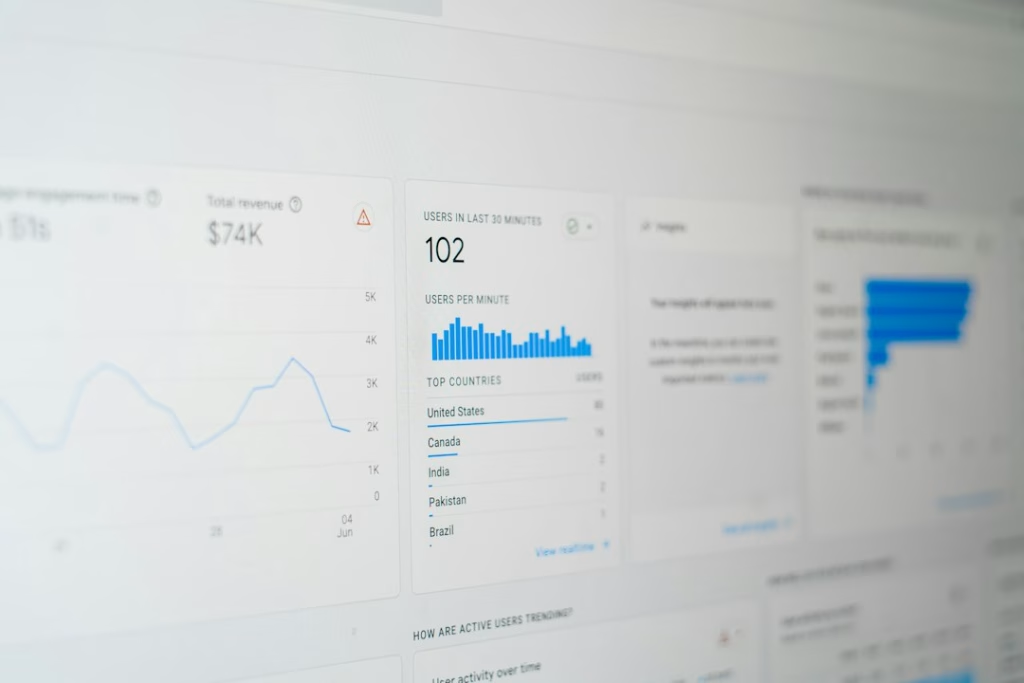
Understanding the Power of Your Customer Data
You’ve probably sent countless email campaigns. Some performed well, others… not so much. The difference often lies in how deeply you understand the people on your list. This isn’t just about knowing their name; it’s about discerning their needs, preferences, and behaviors. You’re sitting on a goldmine of information – your customer data – and leveraging it effectively is the secret to transforming generic blasts into highly effective, personalized conversations. Think of it this way: are you yelling into a void, or are you speaking directly to individuals who are eager to hear from you?
Your customers are constantly interacting with your brand, leaving digital breadcrumbs that tell a compelling story. Every website visit, every purchase, every abandoned cart, every support ticket, every click on a previous email – these are all data points. When you start to connect these dots, a clear picture emerges, allowing you to move beyond basic segmentation and into truly insightful personalization. This isn’t just a “nice-to-have” anymore; it’s a fundamental requirement for cutting through the noise in an increasingly crowded inbox. Customers expect relevance, and if you don’t deliver it, your competitors will.
The Foundation of Data Collection
Before you can build better campaigns, you need to ensure you’re collecting the right data, and doing so ethically and systematically. This isn’t about being intrusive; it’s about being informed. Start by auditing your current data collection practices. What information are you already gathering? Is it stored in a way that’s accessible and actionable?
Your CRM (Customer Relationship Management) system should be at the heart of your data strategy. It’s your central repository for customer information, encompassing everything from contact details to purchase history. But don’t stop there. Integrate data from your website analytics (Google Analytics, Adobe Analytics), your e-commerce platform (Shopify, WooCommerce, Magento), your customer support platform (Zendesk, Intercom), and even your social media interactions. The more comprehensive your data set, the more nuanced your understanding will be.
Remember, the goal is to create a unified customer profile. When you look at a customer record, you want to see a complete picture, not just isolated fragments. This often involves data integration tools or a robust customer data platform (CDP) that can consolidate information from disparate sources into a single, comprehensive view.
Identifying Key Data Points for Email Personalization
Not all data is equally useful for email campaigns. While demographic information like age and location can provide broad strokes, behavioral data often yields the most powerful insights for personalization.
Consider these key data points:
- Purchase History: What have they bought? How often? What was the average order value? This is crucial for cross-selling, upselling, and replenishment campaigns.
- Browsing Behavior: Which product pages have they viewed? What content have they consumed on your website? This indicates interest and intent, allowing for targeted recommendations and content delivery.
- Email Engagement: Which emails have they opened? Which links have they clicked? This reveals their preferences for content, offers, and even optimal sending times.
- Website Activity: Did they add items to a cart and abandon it? Did they visit a pricing page multiple times? These are strong signals of purchase intent.
- Customer Support Interactions: Have they opened a support ticket? What was the nature of their query? This can inform follow-up communications and identify potential pain points or opportunities for proactive support.
- Demographics: While less direct than behavioral data, age, gender, location, and even occupation can provide useful context for broad segmentation or tailoring language and imagery.
- Preference Center Data: Did they explicitly state their preferences for communication frequency, types of content, or product categories? This is invaluable, as it comes directly from the customer.
By focusing on these actionable data points, you can move beyond generic greetings and into truly relevant, resonant messaging.
To enhance your email campaigns further, consider exploring the article on creating stylish and responsive web forms, which can significantly improve your data collection efforts. By integrating well-designed forms into your strategy, you can gather valuable customer insights that will allow you to tailor your email content more effectively. For more information, check out the article here: Create a Stylish Responsive Web Form in Minutes.
Segmenting Your Audience with Precision


Once you have a rich trove of customer data, the next critical step is to segment your audience. You wouldn’t send the same message to a first-time visitor as you would to a loyal, repeat customer, would you? Segmentation is the art and science of dividing your email list into smaller, more homogeneous groups based on shared characteristics or behaviors. This allows you to craft messages that are specifically tailored to the needs and interests of each segment, dramatically increasing their effectiveness.
Think of your email list not as one large entity, but as a collection of distinct communities, each with its own language and concerns. Generic, one-size-fits-all emails are the equivalent of shouting a single message to an entire stadium filled with diverse people; only a handful will find it relevant. Targeted segments, however, allow you to speak directly to small groups with messages that genuinely resonate.
Basic Segmentation Strategies
Even without advanced tools, you can implement effective segmentation based on readily available data. Start with these foundational approaches:
- Demographic Segmentation: This is the simplest form, grouping subscribers by shared demographic traits.
- Location: Tailor offers or event invitations based on geographical proximity. A store opening in London won’t be relevant to someone in New York.
- Age/Gender: While needing to be handled with care to avoid stereotypes, this can sometimes inform product recommendations or imagery choices for certain audiences.
- Psychographic Segmentation: This delves into your customers’ lifestyles, values, interests, and personalities. While harder to collect directly, it can often be inferred from behavior.
- Interests: If a customer frequently browses certain product categories or reads specific blog posts, you can infer their interests and send them relevant content.
- Behavioral Segmentation: This is where the real power of customer data for email campaigns shines, as it focuses on how customers interact with your brand.
- Purchase History:
- New Customers: Welcome sequences, onboarding tips.
- Repeat Customers: Loyalty programs, exclusive offers, related product recommendations.
- High-Value Customers: VIP treatment, early access to sales.
- Lapsed Customers: Re-engagement campaigns, special discounts to win them back.
- Website Activity:
- Abandoned Cart Users: Reminders, special incentives to complete purchase.
- Product Viewers: Follow-up emails showcasing benefits, reviews, or alternatives for viewed items.
- Content Consumers: More content on similar topics, related product suggestions.
- Email Engagement:
- Highly Engaged: Reward them with exclusive content or early access.
- Low Engagement: Try different subject lines, send times, or offer types to re-spark interest.
- Unsubscribers: Analyze patterns to understand why they left.
Advanced Segmentation Techniques
As you become more sophisticated with your data, you can move beyond simple rules and employ more dynamic and powerful segmentation strategies.
- RFM Segmentation (Recency, Frequency, Monetary Value): This is a classic and highly effective method for segmenting customers based on their transactional behavior.
- Recency: How recently did they make a purchase? (e.g., within the last 30 days, 31-90 days, 91+ days).
- Frequency: How often do they purchase? (e.g., one-time buyer, frequent buyer).
- Monetary Value: How much do they spend? (e.g., low spenders, medium spenders, high-value customers).
By combining these three factors, you can identify highly valuable customer segments like “Recent, Frequent, High-Value” (your VIPs) or “Lapsed, Low-Value” (customers needing re-engagement).
- Lifecycle Stage Segmentation: Customers progress through various stages in their relationship with your brand. Tailoring emails to each stage ensures relevance.
- Subscriber: Welcome emails, introductory content.
- Prospect: Lead nurturing sequences, educational content, calls to action.
- First-Time Buyer: Onboarding, product usage tips, request for review.
- Repeat Buyer: Loyalty programs, cross-sell/upsell, community engagement.
- Advocate: Referral programs, testimonials, exclusive content.
- Churn Risk/Lapsed: Re-engagement campaigns, win-back offers.
- A/B Testing for Segmentation Refinement: Don’t just set and forget your segments. Continuously test different segmentation approaches and messaging within those segments. Does Segment A respond better to discounts or educational content? Does Segment B prefer shorter or longer emails? Your data will tell you.
- Dynamic Segmentation with Machine Learning: For larger organizations, machine learning can power dynamic segmentation, constantly identifying new customer groups and predicting their future behavior based on evolving data. This allows for hyper-personalized, real-time targeting.
The key takeaway for segmentation is to start simple and iterate. Even basic segmentation will outperform generic emails. As you gather more data and become more adept at analyzing it, you can refine your segments to an increasingly granular level, leading to exponentially better campaign performance.
Crafting Personalized Content and Offers
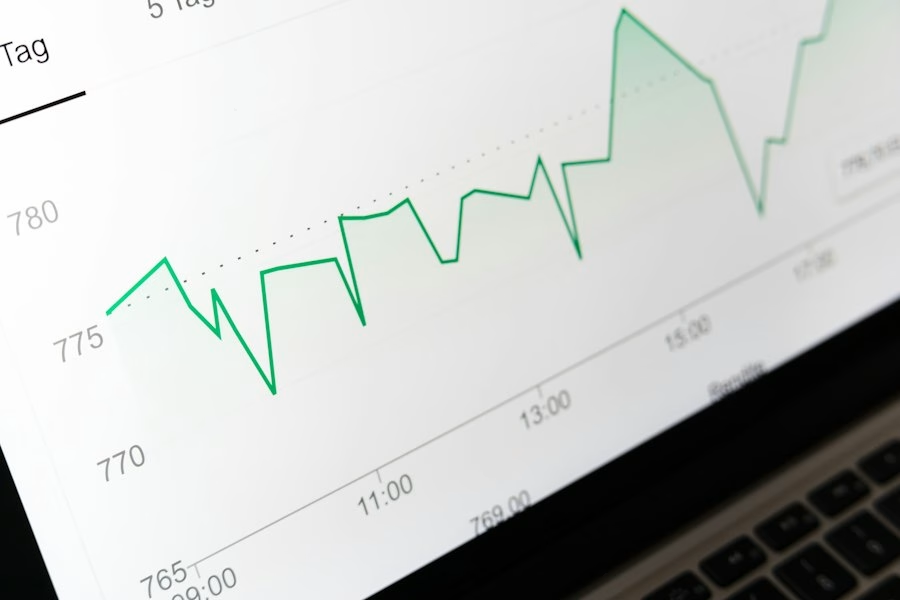

Segmentation sets the stage, but personalization is the star of the show. It’s about taking those insights from your segments and using them to create email content, offers, and calls to action that feel like they were written just for the individual recipient. When done well, personalization moves beyond merely inserting a first name; it reflects a deep understanding of the customer’s journey, preferences, and current needs.
You’ve done the hard work of collecting data and segmenting your audience. Now, it’s time to translate that knowledge into compelling, individualized messages that foster stronger relationships and drive conversions. Remember, the goal is to make every email feel like a one-on-one conversation, not a mass broadcast.
Beyond the First Name: True Personalization
While including a subscriber’s first name in the subject line or greeting is a basic form of personalization, true personalization goes much deeper. It involves dynamically adjusting various elements of your email based on the data you hold for that specific individual or segment.
- Product Recommendations: Based on past purchases, browsing history, or items in an abandoned cart. If they bought a camera, recommend lenses or accessories. If they viewed hiking boots, show them related outdoor gear.
- Content Tailoring: If a subscriber frequently reads your blog posts about digital marketing, send them links to your latest articles on that topic, rather than a general company update.
- Offer Relevance: A loyal customer might receive an exclusive loyalty discount, while a new customer gets a first-purchase incentive. An abandoned cart email might offer free shipping, whereas a re-engagement email for a lapsed customer might include a significant percentage discount.
- Dynamic Images and Videos: Show product images relevant to their browsing history or demographic, or embed a video tutorial for a product they recently purchased.
- Call to Action (CTA) Customization: The CTA can change based on their stage in the customer journey. A prospect might see “Download Our Guide,” while a repeat customer sees “Shop New Arrivals.”
- Sender Name: In some cases, personalizing the sender name to a specific account manager or customer success representative can increase open rates and build trust.
Leveraging Dynamic Content
Many modern email marketing platforms offer dynamic content capabilities. This allows you to create a single email template with placeholders or conditional blocks that display different content based on recipient data.
For example, you could have a dynamic content block for product recommendations that automatically pulls in images and links for products relevant to the recipient. Or, a headline that changes based on whether the recipient is a new or returning customer. This efficiency means you don’t have to create dozens of unique emails for each segment; you build one smart email that adapts to each user.
A/B Testing Personalization Elements
Just like with segmentation, personalization is an ongoing optimization process. You need to continually test what works best for different segments and individuals.
- Personalized Subject Lines vs. Generic: Does including a first name or a specific product name increase open rates?
- Different Recommendation Algorithms: Which product recommendation engine (e.g., “customers who bought this also bought,” “most popular in your category”) performs best for specific product types?
- Offer Variations: Does a percentage off perform better than a dollar amount off, or free shipping, for a particular segment?
- Content Formats: Do your customers prefer short snippets, detailed articles, or video content in their emails?
Always isolate your variables when testing. If you change both the subject line and the main offer, you won’t know which change drove the difference in results.
The Role of Automation in Personalization
Personalization at scale is only possible with automation. Setting up automated email workflows (or “journeys” or “drip campaigns”) triggered by specific customer actions or data points is crucial.
- Welcome Series: Triggered when a new subscriber joins your list, guiding them through your brand story and key offerings.
- Abandoned Cart Reminders: Automatically sent after a user leaves items in their shopping cart, often including the exact items they left behind.
- Post-Purchase Follow-Ups: Sent after a purchase, providing order confirmations, shipping updates, product usage tips, or requests for reviews.
- Re-engagement Campaigns: Automatically triggered when a customer hasn’t engaged with your emails or made a purchase for a set period.
- Milestone Emails: Birthday greetings, anniversary emails (from their first purchase date), or loyalty tier upgrade notifications.
By combining robust data, intelligent segmentation, and dynamic content within automated workflows, you can create a highly personalized email experience that fosters loyalty and drives consistent results without constant manual intervention.
Measuring and Optimizing Your Campaigns
Sending personalized emails is only half the battle. To truly build better email campaigns, you need to rigorously measure their performance, analyze the data, and use those insights to continually optimize your strategy. This isn’t a one-time task; it’s an ongoing cycle of improvement. Without clear metrics and a commitment to iteration, even the most data-driven personalization efforts can fall flat.
You’ve invested time and effort into understanding your customers and crafting tailored messages. Now, you need to prove that investment is paying off and identify areas where you can do even better. The data from your campaigns is just as valuable as the data you collect from your customers, as it provides direct feedback on the effectiveness of your personalization strategies.
Key Email Campaign Metrics
Start by tracking the fundamental metrics that indicate the health and performance of your email campaigns.
- Open Rate (OR): The percentage of recipients who opened your email. This is a primary indicator of the effectiveness of your subject line, preheader text, and sender name. A highly personalized and relevant subject line should lead to a higher open rate within its target segment.
- Click-Through Rate (CTR): The percentage of recipients who clicked on at least one link in your email. This metric tells you how engaging your email content is and how compelling your call to action (CTA) is for the specific segment.
- Click-to-Open Rate (CTOR): The percentage of recipients who clicked on a link after opening the email. This provides a clearer picture of content effectiveness, removing the influence of the subject line. A strong CTOR means your content resonated with those who chose to open.
- Conversion Rate: The percentage of recipients who completed a desired action (e.g., made a purchase, filled out a form, downloaded a resource) after clicking a link in your email. This is often the ultimate measure of success for e-commerce or lead generation campaigns.
- Unsubscribe Rate: The percentage of recipients who opted out of your email list. A high unsubscribe rate indicates that your content is not relevant, you’re sending too frequently, or the targeting is off. While some unsubscribes are normal, a sudden spike warrants investigation.
- Bounce Rate: The percentage of emails that couldn’t be delivered.
- Hard Bounces: Permanent delivery failures (e.g., invalid email address). These should be removed from your list immediately to maintain list hygiene.
- Soft Bounces: Temporary delivery failures (e.g., full inbox). Your email platform will usually retry these.
- Spam Complaint Rate: The percentage of recipients who marked your email as spam. This is a critical metric to monitor, as high rates can severely damage your sender reputation and lead to blacklisting. Personalization and relevance are key to avoiding spam complaints.
Analyzing Performance by Segment
The true power of measurement comes from analyzing these metrics by segment. Don’t just look at aggregate data. Compare:
- Open rates across different segments: Are your new customers more likely to open your welcome emails than lapsed customers are to open re-engagement campaigns?
- CTR for different personalized offers: Does Segment A respond better to a 15% discount, while Segment B prefers free shipping?
- Conversion rates for various product recommendations: Which personalized recommendation strategy works best for your “high-value loyal” segment?
- Unsubscribe rates by content type: Are certain content types or messaging styles alienating specific segments?
This granular analysis will reveal which personalization strategies are working best for which parts of your audience and where there are opportunities for improvement.
Iterative Optimization Through A/B Testing
Optimization is an ongoing process of testing, learning, and refining. A/B testing (or split testing) is your best friend here. It involves sending two or more variations of an email to a subset of your audience to see which performs better before sending the winning version to the rest of the segment.
What to A/B test:
- Subject Lines: Test different lengths, emojis, personalization, benefit-driven vs. curiosity-driven.
- Preheader Text: This short snippet appears after the subject line in the inbox and can significantly influence open rates.
- Call-to-Action (CTA): Test different wording (“Shop Now” vs. “Get Your Discount”), button colors, or placement.
- Email Content: Compare different body copy, imagery, video inclusion, or layout.
- Offers: Test different discounts, freebies, or benefits.
- Send Times and Days: Your audience segments might have different optimal times to receive emails.
- Sender Name: Test a company name vs. a personal name.
Always test one variable at a time to accurately attribute changes in performance. And ensure your test groups are statistically significant to draw reliable conclusions.
The Feedback Loop: Using Data for Future Campaigns
The insights you gain from measuring and optimizing your campaigns should feed directly back into your data strategy and segmentation efforts.
- Refine Customer Profiles: If a segment consistently responds well to a certain type of content, update their profiles to reflect this preference.
- Improve Segmentation Logic: If a particular segment performs poorly, maybe your segmentation criteria needs adjustment. Are there sub-segments within it that need their own unique approach?
- Inform Product Development: If certain product recommendations consistently lead to conversions, this signals strong customer interest that could inform future product development or marketing efforts.
- Enhance Personalization Rules: Use winning A/B test results to update your dynamic content rules and automation workflows.
- Clean Your List: High bounce rates or persistent low engagement indicate that parts of your list might be inactive or contain invalid addresses. Implement re-engagement strategies for low engagers, and remove non-responders to maintain list health and sender reputation.
By establishing this continuous feedback loop, you ensure that your email marketing strategy is always evolving, always improving, and always centered around delivering the most relevant and valuable experience to your customers.
To enhance your email marketing strategies, understanding how to leverage customer data is essential. A related article that delves deeper into this topic is titled “Proving Email ROI with Data-Driven Split Testing,” which provides valuable insights on optimizing your campaigns through effective testing methods. By exploring this resource, you can learn how to measure the success of your email initiatives and make informed decisions that drive better results. For more information, check out the article here.
Ethical Considerations and Data Privacy
| Metric | Description | Importance | How Customer Data Improves It |
|---|---|---|---|
| Open Rate | Percentage of recipients who open the email | High | Personalized subject lines based on customer preferences increase open rates |
| Click-Through Rate (CTR) | Percentage of recipients who click on links within the email | High | Segmented content tailored to customer interests boosts CTR |
| Conversion Rate | Percentage of recipients who complete a desired action | Very High | Using purchase history to recommend relevant products improves conversions |
| Bounce Rate | Percentage of emails not delivered | Medium | Regularly updating email lists with verified customer data reduces bounces |
| Unsubscribe Rate | Percentage of recipients who opt out | Medium | Sending targeted content based on customer preferences lowers unsubscribes |
| List Growth Rate | Rate at which email subscriber list grows | Medium | Using customer data to identify lookalike audiences helps grow the list |
| Engagement Over Time | Tracking how engagement changes with campaigns | High | Analyzing customer behavior patterns to optimize send times and frequency |
As you delve deeper into collecting and leveraging customer data for personalized email campaigns, it’s paramount that you prioritize ethical considerations and uphold data privacy standards. Building trust with your audience is not just a nice-to-have; it’s fundamental to the long-term success of your email marketing efforts. A single misstep in data handling can erode trust, damage your brand reputation, and even lead to legal repercussions.
You’re dealing with personal information, and your customers have a right to expect that you will treat it with respect, transparency, and security. Neglecting these principles, even with the best intentions for personalization, can quickly backfire.
Transparency and Consent
The cornerstone of ethical data use is transparency and explicit consent. Your customers should always know what data you are collecting, why you are collecting it, and how you intend to use it.
- Clear Privacy Policy: Your website must have an easily accessible and understandable privacy policy that outlines your data collection, storage, and usage practices. This isn’t just a legal requirement; it’s a statement of your commitment to privacy.
- Opt-In Mechanisms: Ensure your email signup forms clearly state what subscribers are signing up for. Use double opt-in (requiring subscribers to confirm their subscription via email) to guarantee consent and minimize spam complaints.
- Explain the Value of Data: When asking for more detailed information (e.g., birthday, preferences), explain why you’re asking and how it will benefit the customer (e.g., “Tell us your birthday for a special treat!”).
- Preference Centers: Provide a robust preference center where subscribers can easily update their communication preferences, choose specific content types, or adjust frequency. This gives them control and reduces unsubscribe rates due to irrelevance or overwhelming communication.
Data Security and Protection
Protecting the data you collect from breaches and unauthorized access is your responsibility. A data breach can be catastrophic for your brand and your customers.
- Secure Storage: Ensure that all customer data is stored on secure servers, preferably with encryption, and accessible only to authorized personnel.
- Compliance with Regulations: Adhere to relevant data protection regulations such as GDPR (General Data Protection Regulation) in Europe, CCPA (California Consumer Privacy Act) in the US, and other regional or industry-specific laws. These regulations dictate how you collect, process, and store personal data. Familiarize yourself with them and implement the necessary safeguards.
- Regular Audits: Conduct regular security audits and vulnerability assessments of your systems to identify and address potential weaknesses.
- Third-Party Vetting: If you use third-party email marketing platforms or data analytics tools, ensure they also have robust security measures and are compliant with relevant data privacy laws. Vet them thoroughly.
Avoiding “Creepy” Personalization
There’s a fine line between helpful personalization and unsettling intrusion. Your goal is to be relevant, not invasive.
- Don’t Overdo It: While you have a lot of data, you don’t need to use every single data point in every email. Focus on the most relevant insights that genuinely enhance the customer experience.
- Avoid Overly Specific Personal Details: While you might know a customer’s exact location or recent detailed browsing history, broadcasting that information in an email can feel intrusive. Instead, use it to inform broader content or offer relevance (e.g., “Check out events near you” rather than “We noticed you live in 123 Main St, Anytown!”).
- Be Mindful of Context: A highly personalized abandoned cart email is expected, but an email referencing a very private website search from weeks ago might feel uncomfortable.
- Test and Gather Feedback: Pay close attention to unsubscribe reasons and customer feedback. If people are unsubscribing because your emails feel “too personal” or “creepy,” adjust your approach.
The Long-Term Benefits of Ethical Practices
Adhering to ethical data practices isn’t just about avoiding penalties; it’s about building lasting customer relationships. When customers trust you with their data, they are more likely to:
- Engage More: They’ll open and click your emails because they expect valuable, relevant content.
- Remain Loyal: Trust is a cornerstone of brand loyalty.
- Provide More Data: If they see you’re using their data respectfully and beneficially, they might be more willing to share additional preferences.
- Become Advocates: They’ll speak positively about your brand and its practices.
Ultimately, your commitment to data privacy and ethical use of customer insights will differentiate you in a competitive market and form the foundation of truly better, more sustainable email campaigns.
FAQs
What is the importance of customer data in email campaigns?
Customer data is crucial in email campaigns as it allows marketers to segment their audience, personalize content, and tailor messages to specific customer needs and preferences. This leads to higher engagement rates, improved customer satisfaction, and ultimately better conversion rates.
How can I collect customer data for my email campaigns?
You can collect customer data through various methods such as sign-up forms on your website, surveys, purchase history, social media interactions, and customer feedback. Additionally, using analytics tools can help track user behavior and preferences, providing valuable insights for your campaigns.
What types of customer data should I focus on for email marketing?
Key types of customer data to focus on include demographic information (age, gender, location), behavioral data (purchase history, website interactions), preferences (product interests, communication preferences), and engagement metrics (open rates, click-through rates). This data helps create targeted and relevant email content.
How can I ensure my email campaigns comply with data protection regulations?
To comply with data protection regulations such as GDPR or CCPA, ensure that you obtain explicit consent from customers before collecting their data. Provide clear privacy policies, allow customers to opt-out easily, and ensure that data is stored securely and used only for the intended purposes.
What are some best practices for using customer data in email campaigns?
Best practices include segmenting your audience based on data insights, personalizing email content to address individual customer needs, testing different subject lines and content formats, analyzing campaign performance regularly, and continuously updating your customer data to keep it accurate and relevant.