



The Pernicious Pitfalls of One-Size-Fits-All Email
You’ve been there before. Your inbox, a digital wasteland of promotions, newsletters, and updates, all clamoring for your attention. And often, what do you find? Emails that feel entirely irrelevant to you. They might be promoting a product you already own, offering a service you’ve never expressed interest in, or simply using language that doesn’t resonate with your preferences. This isn’t just a minor annoyance for you, the recipient; it’s a significant problem for the businesses sending these generic messages. When you, as a business owner or marketer, bombard your entire contact list with identical content, you’re essentially shouting into a void, hoping a few stray echoes might reach the right ears. The truth is, generic messaging dilutes your brand’s impact, erodes trust, and ultimately, wastes valuable resources. Your customers are individuals, with unique needs, desires, and pain points. To treat them all as a homogenous blob is to fundamentally misunderstand the power of personalized communication.
Think about the sheer volume of emails individuals receive daily. Their attention is a precious commodity, fiercely guarded and quickly withdrawn when an email fails to captivate. A generic message, by its very nature, struggles to stand out. It lacks the personal touch, the specific appeal, the immediate relevance that would compel a recipient to open it, let alone read it. This leads to abysmal open rates, high unsubscribe rates, and a general apathy towards your brand’s communications. You’re inadvertently training your audience to ignore you, to send your emails directly to the trash, or worse, to mark them as spam. This isn’t the relationship you want to cultivate with your potential and existing customers. You want to be a trusted resource, a welcome presence in their inbox, offering genuine value and solutions tailored to their specific circumstances. Email segmentation is the antidote to this pervasive problem, allowing you to move beyond the broad strokes and paint a more precise, compelling picture for each segment of your audience.
Email segmentation is a crucial strategy for businesses aiming to personalize their messaging and enhance customer engagement. By dividing their email lists into specific groups based on demographics, behavior, or preferences, companies can tailor their content to meet the unique needs of each segment. This approach not only helps avoid generic messaging but also increases the likelihood of conversions. For further insights on optimizing email strategies, you might find the article on unlocking the power of exclusivity for high-volume senders particularly useful. You can read it here: Unlocking the Power of Exclusivity: Dedicated IP for High-Volume Senders.
Unlocking the Power of Personalized Communication


Email segmentation isn’t just a marketing buzzword; it’s a strategic imperative in today’s crowded digital landscape. It involves dividing your email subscriber list into smaller, more targeted groups based on shared characteristics, behaviors, or demographics. Instead of sending the same email to everyone, you craft unique messages designed to resonate specifically with each segment. This fundamentally shifts your approach from a broadcast model to a conversational one. You’re no longer just talking at your audience; you’re engaging with them on a more personal level. This personalized approach is what truly differentiates successful email marketing campaigns from those that languish in obscurity. It’s about understanding that a potential customer who has just visited your pricing page has different needs and interests than a long-standing loyal customer who regularly purchases from you.
The immediate benefit you’ll observe is a significant improvement in your email marketing metrics. Imagine seeing your open rates climb, your click-through rates soar, and your unsubscribe rates plummet. This isn’t wishful thinking; it’s the tangible outcome of effective segmentation. When you deliver content that is directly relevant to a recipient’s interests, they are far more likely to open your email, engage with its content, and take the desired action. Furthermore, personalized emails foster a stronger sense of connection and trust. When your audience feels understood and valued, they are more inclined to build a lasting relationship with your brand. They’ll see your emails not as spam, but as helpful resources or exciting offers tailored just for them.
Defining Your Audience Segments
Before you can reap the benefits of segmentation, you need to understand how to segment your audience. This requires careful consideration of the data you collect and how it relates to your business objectives. There are numerous ways to slice and dice your subscriber list, and the most effective approach often involves combining several segmentation strategies.
Demographic Segmentation
This is perhaps the most straightforward form of segmentation, focusing on basic characteristics of your subscribers. Think about information like age, gender, location, income level, or occupation. If you sell winter coats, for example, segmenting by location allows you to send promotions for heavy-duty parkas to subscribers in colder climates and lighter jackets to those in warmer regions. Similarly, if your product appeals to a specific age group, tailoring your messaging and imagery to that demographic can significantly increase engagement.
Geographic Segmentation
While often grouped with demographics, geographic segmentation deserves its own mention due to its immense utility. Knowing where your subscribers are located allows you to localize your content, mention local events, or promote location-specific offers. For brick-and-mortar businesses, this is invaluable for driving foot traffic. For e-commerce businesses, it can help with shipping promotions or tailoring product recommendations based on regional preferences or even language.
Psychographic Segmentation
Delving deeper, psychographic segmentation focuses on your subscribers’ lifestyles, values, interests, attitudes, and personality traits. This data can be harder to collect directly but can be inferred from their behavior on your website, survey responses, or even their engagement with previous emails. If you sell outdoor gear, segmenting by interest in hiking versus camping allows you to send targeted content about new trail maps to hikers and innovative tent designs to campers. This level of understanding allows for truly compelling and relevant messaging.
Behavioral Segmentation
This is arguably one of the most powerful forms of segmentation, as it’s based on how your subscribers interact with your brand. This includes their past purchase history, website browsing behavior, email engagement (opens, clicks), cart abandonment, product views, and even the last time they interacted with your brand.
Purchase History
Segmenting by purchase history allows you to upsell, cross-sell, or re-engage past customers. If someone bought a camera from you, you might send them emails about lens accessories, camera bags, or photography workshops. For repeat customers, you can offer loyalty rewards or exclusive early access to new products.
Website Activity
Tracking website behavior, such as pages visited, products viewed, or content consumed, provides rich data for segmentation. If a subscriber repeatedly visits your “men’s shoes” section, you know they’re interested in men’s footwear, allowing you to send them relevant promotions and new arrivals. Abandoned cart emails, a classic example of behavioral segmentation, are incredibly effective in recovering lost sales.
Email Engagement
How your subscribers interact with your emails is a critical indicator of their interest. You can segment based on those who frequently open and click your emails (your highly engaged subscribers), those who rarely open (disengaged subscribers), or even those who clicked on a specific link within an email. This allows you to tailor your strategy for each group: rewarding the engaged, trying to re-engage the disengaged with special offers, or following up on specific interests.
Lifecycle Stage Segmentation
Your customers move through different stages of their journey with your brand, from initial awareness to loyal advocacy. Segmenting by lifecycle stage ensures that your communication is appropriate for their current relationship with you.
New Subscribers/Leads
These individuals are just getting to know your brand. Your emails should focus on introductions, welcoming them, providing valuable initial content, and guiding them towards their first purchase or desired action.
Active Customers
These are individuals who have made a purchase or regularly engage with your brand. Your focus here shifts to fostering loyalty, offering exclusive content, encouraging repeat purchases, and providing excellent customer support.
Lapsed Customers
These are customers who haven’t engaged with your brand or made a purchase in a while. Your goal is to re-engage them through special offers, surveys to understand their needs, or highlighting new products and features.
Crafting Highly Relevant Content for Each Segment
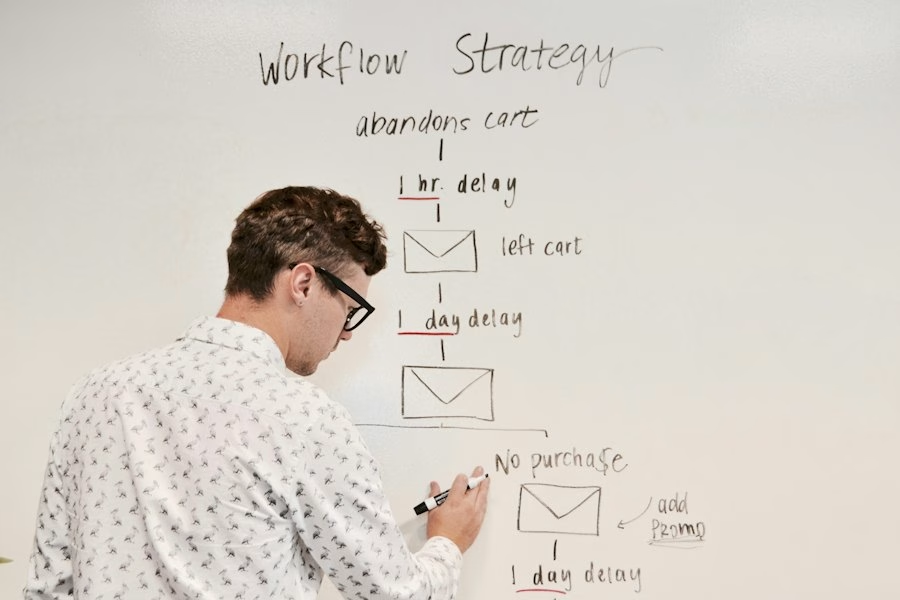

Once you’ve meticulously segmented your audience, the real magic begins: crafting content that speaks directly to each group. This isn’t just about changing a few words; it’s about tailoring the entire email experience, from the subject line to the call to action, to resonate with the specific interests and needs of that segment. Generic messaging feels impersonal because it tries to be everything to everyone, and in doing so, becomes nothing to anyone. Segmentation empowers you to be intensely personal, creating a powerful sense of connection and relevance.
Consider the journey of a new subscriber versus a loyal customer. A new subscriber needs an introduction, a warm welcome, and perhaps some foundational information about your brand and its value proposition. A loyal customer, on the other hand, might appreciate early access to new products, exclusive discounts, or content that deepens their existing relationship with your brand. Sending a “welcome to our family” email to a customer who has made ten purchases simply doesn’t make sense and actively undermines your efforts.
Tailoring Subject Lines for Maximum Impact
Your subject line is the gatekeeper to your email’s content. A generic subject line will likely be ignored, regardless of how brilliant the email’s body is. With segmentation, you can craft subject lines that immediately grab the attention of your target segment. For subscribers who’ve abandoned a cart, a subject line like “Still thinking about those running shoes?” is far more effective than a generic “New arrivals!” For a segment interested in a specific product category, “Exclusive: New arrivals in luxury watches” will outperform a blanket “Shop our latest collection.” Personalization, even a simple insertion of their first name (which is a form of micro-segmentation in itself), can significantly boost open rates.
Customizing Email Body Content
Beyond the subject line, the actual content of your email needs to be painstakingly tailored. This includes the products you feature, the language you use, the problem you address, and the solution you offer. If you’re targeting a segment interested in eco-friendly products, your email should highlight the sustainable aspects of your offerings, perhaps even featuring a story about your ethical sourcing. For a segment interested in budget-friendly options, the focus should shift to value, discounts, and affordability.
Product Recommendations
This is a cornerstone of personalized content. Instead of showcasing your entire catalog, present products that are highly likely to appeal to the specific segment. If you know a customer frequently buys coffee beans, recommend new blends, brewing accessories, or subscriptions. If they’ve browsed specific clothing items, suggest complementary pieces or similar styles. This demonstrates that you understand their preferences and are actively helping them find what they’re looking for, rather than just pushing random inventory.
Problem-Solution Framing
Your emails should address the specific pain points or desires of your segments. For a segment of small business owners, an email might highlight how your software simplifies inventory management, directly addressing a common operational challenge. For a segment of parents, an email could showcase products that solve common parenting dilemmas, like durable toys or educational resources. By framing your offerings as solutions to their particular problems, you make your emails undeniably relevant.
Call to Actions (CTAs)
The desired action you want your recipients to take should also be customized. For new leads, the CTA might be “Learn More” or “Download Our Guide.” For engaged customers, it could be “Shop Now,” “Pre-order,” or “Leave a Review.” The language of your CTA should be clear, concise, and directly relevant to the content and the segment’s stage in the customer journey.
Building Stronger Customer Relationships and Loyalty
The transition from generic to segmented messaging isn’t just about boosting metrics; it’s fundamentally about transforming your relationship with your customers. When you consistently deliver relevant, valuable, and personalized content, you’re not just making a sale; you’re building trust, fostering loyalty, and cultivating a community around your brand. Your customers will begin to see your emails as a welcome and helpful resource, rather than an intrusive interruption.
Think about how you feel when a brand genuinely seems to “get” you. It creates a positive impression, right? You feel understood, valued, and perhaps even a little special. This is the emotional connection that segmentation helps to forge. When your emails are tailored to their interests, your customers feel seen and heard. This translates into higher customer satisfaction, increased brand affinity, and a greater likelihood of repeat purchases and positive word-of-mouth referrals.
Fostering Trust and Credibility
In an age of information overload and relentless marketing, trust is a precious commodity. Generic, irrelevant emails erode trust because they suggest that the sender doesn’t care enough to understand the recipient’s needs. Conversely, segmented emails demonstrate that you’ve taken the time to understand who your customers are and what matters to them. This attention to detail builds credibility and establishes your brand as a thoughtful, customer-centric entity. When you provide genuine value, your customers are more likely to trust your recommendations and rely on your expertise.
Increasing Customer Lifetime Value (CLTV)
Loyal customers are the lifeblood of any sustainable business. They purchase more frequently, spend more over time, and are often advocates for your brand. Email segmentation plays a crucial role in increasing Customer Lifetime Value (CLTV). By sending targeted offers, personalized recommendations, and exclusive content, you encourage repeat purchases and deepen customer engagement. A customer who feels valued is less likely to churn and more likely to stick with your brand for the long haul. You can identify your most valuable customers through segmentation (e.g., high-spenders, frequent purchasers) and then tailor special loyalty programs or VIP content specifically for them, further solidifying their commitment.
Reducing Unsubscribe Rates
One of the most immediate benefits of relevant content is a significant reduction in unsubscribe rates. People unsubscribe from emails when they feel overwhelmed, bored, or when the content is consistently irrelevant. By sending emails that genuinely interest your audience segments, you remove those triggers for unsubscribing. Your emails become something they want to receive, rather than something they feel compelled to opt out of. This maintains a healthier, more engaged email list, ensuring your marketing efforts reach a receptive audience.
Email segmentation is a powerful strategy that allows businesses to tailor their messaging to specific audience segments, thereby avoiding the pitfalls of generic communication. By understanding the unique preferences and behaviors of their customers, companies can create more relevant and engaging content. For those looking to deepen their knowledge on this topic, a related article discusses how effective list segmentation can enhance marketing efforts and improve customer engagement. You can read more about it in this insightful piece on smarter marketing strategies.
Optimizing and Iterating Your Segmentation Strategy
| Metric | Impact of Email Segmentation | Benefit to Business |
|---|---|---|
| Open Rate | Segmented campaigns see up to 14.31% higher open rates | Increases visibility and engagement with targeted audiences |
| Click-Through Rate (CTR) | CTR improves by approximately 100.95% with segmentation | Drives more traffic to relevant offers and content |
| Conversion Rate | Conversion rates can increase by up to 10% through segmentation | Boosts sales and lead generation by targeting interested segments |
| Unsubscribe Rate | Unsubscribe rates decrease by 9.62% when emails are segmented | Maintains a healthier subscriber list and reduces churn |
| Revenue per Email | Segmented emails generate up to 760% more revenue | Maximizes ROI by delivering personalized offers |
| Customer Retention | Retention rates improve due to relevant messaging | Enhances long-term customer loyalty and lifetime value |
Email segmentation is not a set-it-and-forget-it strategy. It’s an ongoing process of analysis, optimization, and iteration. Your audience is dynamic, their preferences can evolve, and your business objectives may shift. To maintain the effectiveness of your segmented campaigns, you must continuously monitor performance, gather feedback, and be prepared to refine your approach. This continuous improvement mindset is what separates good email marketers from great ones.
Think of it as a continuous feedback loop. You segment, you send, you analyze, and then you adjust. This agile approach ensures that your segmentation strategy remains aligned with your audience’s needs and your business goals, maximizing your return on investment in email marketing.
Analyzing Performance Metrics
The first step in optimization is rigorously analyzing your campaign performance. This goes beyond just looking at open rates and click-through rates, though those are certainly important. You need to dive deeper into conversion rates for each segment, revenue generated per email, and even metrics like average order value for specific segmented promotions.
Open Rates and Click-Through Rates
These are your primary indicators of initial engagement. Are certain segments opening your emails more than others? Are particular subject lines performing exceptionally well for specific groups? High open rates suggest your subject lines are compelling and relevant, while high click-through rates indicate that the email content itself is resonating and prompting action. Low rates in either category for a specific segment signal a need for re-evaluation of your messaging or targeting for that group.
Conversion Rates and Revenue
Ultimately, the goal of most email marketing is to drive conversions and revenue. Track how many recipients from each segment complete your desired action, whether it’s making a purchase, downloading a resource, or signing up for a webinar. Compare the revenue generated by segmented campaigns versus generic campaigns. This data provides concrete evidence of the financial impact of your segmentation efforts.
Unsubscribe Rates
Monitor your unsubscribe rates for each segment. A high unsubscribe rate in a particular segment is a flashing red light, indicating that your content is not meeting their expectations or that you’re sending too frequently. It’s an opportunity to re-evaluate what you’re sending to that group and why it’s not working.
A/B Testing Your Segmentation
Don’t be afraid to experiment. A/B testing is your best friend when it comes to refining your segmentation strategy. Test different subject lines, email layouts, images, calls to action, and even different offers within your segments. For example, you might test two different product recommendations for a specific behavioral segment to see which one performs better.
Testing Subject Line Variations
For a segment of customers who previously purchased a specific product, you might test a subject line that highlights a complementary product versus one that announces an exclusive discount on a related item. This helps you understand what truly motivates that particular group.
Testing Content and Visuals
Experiment with different visual styles or content formats. Does a segment respond better to emails with short, punchy paragraphs and bold imagery, or do they prefer more detailed, informational content? Do videos embedded in emails outperform static images for a certain demographic?
Testing Call to Actions
Test different wording for your CTAs. “Shop Now” versus “Discover Your Next Favorite” might have different appeal depending on the segment’s stage in the buying cycle or their psychological drivers.
Adapting to Evolving Customer Behavior
Customer behavior isn’t static. What interested your audience last year might not interest them today. Economic shifts, cultural trends, and even changes in your product offerings can all influence how your segments behave and what they respond to. Regularly review your segmentation criteria and update them as needed.
Updating Segmentation Criteria
Periodically revisit the data points you use for segmentation. Are there new behavioral patterns emerging? Have your demographic profiles changed? For instance, if you launched a new product line that appeals to a previously underserved demographic, you might need to create new segments to effectively target them.
Responding to Feedback
Pay attention to direct and indirect feedback. Surveys, customer support interactions, and even social media comments can provide valuable insights into what your customers want and how they perceive your communications. Use this feedback to inform your segmentation adjustments.
Purging Inactive Subscribers
Regularly clean your email list by identifying and removing inactive subscribers. These are individuals who consistently fail to open or click your emails. While it might seem counterintuitive to reduce your list size, focusing on engaged subscribers improves your overall email deliverability and ensures your segmentation efforts are concentrated on a receptive audience. Sometimes, a “re-engagement” campaign can be a final attempt to win them back before removal.
FAQs
What is email segmentation?
Email segmentation is the process of dividing an email list into smaller, more targeted groups based on specific criteria such as demographics, purchase history, engagement levels, or interests. This allows businesses to tailor their messaging to meet the unique needs and preferences of each segment.
How does email segmentation improve engagement rates?
Email segmentation improves engagement rates by delivering more relevant content to recipients. When emails are tailored to specific interests or behaviors, recipients are more likely to open, read, and interact with the messages, leading to higher click-through rates and conversions.
Can email segmentation help reduce unsubscribe rates?
Yes, email segmentation can help reduce unsubscribe rates. By sending targeted and relevant content, businesses can ensure that their emails resonate with recipients, making them less likely to opt-out. When subscribers feel that the content is valuable and personalized, they are more likely to stay subscribed.
What are some common criteria used for email segmentation?
Common criteria for email segmentation include demographic information (age, gender, location), behavioral data (purchase history, website activity), engagement levels (open rates, click rates), and psychographic factors (interests, values). These criteria help businesses create more personalized and effective email campaigns.
How can businesses implement email segmentation effectively?
Businesses can implement email segmentation effectively by first analyzing their existing email list to identify key segments. They should then use email marketing tools that allow for easy segmentation and automation. Regularly updating segments based on changing customer behavior and preferences is also crucial for maintaining relevance.