



You’ve poured countless hours into crafting compelling email campaigns. You’ve segmented your audience, written captivating subject lines, and designed beautiful layouts. But are you truly maximizing your return on investment? In the complex world of email marketing, simply sending emails isn’t enough. To truly thrive, you need to identify your most profitable campaigns and replicate their success. This isn’t a guessing game; it’s a data-driven pursuit, and broadcast analytics is your most powerful ally. By diving deep into the metrics, you can transform your email marketing strategy from a shot in the dark to a precision-guided missile, consistently hitting your revenue targets.
Unpacking the Fundamentals of Broadcast Analytics
Before you can identify your most profitable campaigns, you need a solid understanding of what broadcast analytics entails and the key metrics it provides. Think of broadcast analytics as the X-ray vision for your email marketing efforts. It strips away the assumptions and reveals the cold, hard facts about how your audience interacts with your messages. This isn’t just about open rates; it’s about a holistic view of engagement, conversion, and ultimately, revenue.
Defining Key Metrics Beyond the Obvious
While open rates and click-through rates (CTRs) are foundational, they only tell part of the story. To truly understand profitability, you must look further. Your open rate (the percentage of recipients who opened your email) indicates the effectiveness of your subject line and sender name. A high open rate suggests your initial hook is strong. Your click-through rate (CTR) (the percentage of recipients who clicked on at least one link in your email) measures the appeal of your email’s content and calls to action (CTAs). A strong CTR means your content is resonating and driving interest.
However, to move beyond engagement and into profitability, you need to consider:
- Conversion Rate: This is arguably the most critical metric for profitability. It measures the percentage of recipients who completed a desired action after clicking a link in your email, such as making a purchase, signing up for a webinar, or downloading an asset. A high conversion rate directly correlates with revenue generation. You might have a fantastic open rate and CTR, but if those clicks aren’t leading to conversions, your campaign isn’t profitable.
- Revenue Per Email (RPE): This metric directly links your email campaigns to your bottom line. It calculates the total revenue generated by a specific email campaign divided by the total number of emails sent. RPE helps you understand the direct financial impact of each campaign, making it an invaluable tool for identifying profitability.
- Return on Investment (ROI): While RPE focuses on revenue generated per email, ROI takes into account the cost of running the campaign. It measures the net profit from a campaign divided by the cost of the campaign, expressed as a percentage. A positive ROI indicates a profitable campaign, and the higher the percentage, the more efficient your campaign is at generating profit.
- Bounce Rate: This tells you the percentage of emails that couldn’t be delivered to the recipient’s inbox. A high bounce rate indicates issues with your email list’s hygiene and can negatively impact your sender reputation, ultimately affecting deliverability and profitability. Soft bounces are temporary delivery failures, while hard bounces are permanent.
- Unsubscribe Rate: The percentage of recipients who opted out of receiving future emails from you. While some unsubscribes are inevitable, a high unsubscribe rate can signal content irrelevance, email fatigue, or a mismatch between your audience’s expectations and your offerings. It directly impacts the size and future profitability of your list.
Setting Up Your Analytics for Success
To effectively leverage broadcast analytics, you need to ensure your tracking is properly configured. This typically involves integrating your email service provider (ESP) with your website analytics platform (e.g., Google Analytics).
- UTM Parameters: These are crucial for linking email clicks to specific actions on your website. By adding unique UTM parameters to every link within your emails, you can track the source (email), medium (broadcast), campaign name, and content variations that drove traffic and conversions. For example, a link might look like
yourwebsite.com/product?utm_source=email&utm_medium=broadcast&utm_campaign=winter_sale&utm_content=promo_banner. Without these, your website analytics won’t be able to attribute conversions back to your email campaigns. - Conversion Tracking: Ensure your website’s analytics platform is set up to track key conversion events. This could be a “thank you” page after a purchase, a form submission confirmation, or a specific download completion. By defining these goals, you can directly attribute revenue or desired actions to your email campaigns.
- ESP Reporting: Your email service provider will offer a suite of built-in reports for open rates, CTRs, and sometimes even basic conversion tracking if you’re using their e-commerce integrations. Familiarize yourself with these dashboards and understand how to extract the raw data for deeper analysis.
By understanding these metrics and setting up robust tracking, you lay the groundwork for truly insightful analysis, moving beyond vanity metrics to actionable data that directly impacts your profitability.
In addition to learning how to identify your most profitable email campaigns using broadcast analytics, you may find it beneficial to explore strategies for maintaining a clean email list. A related article titled “Streamline, Suppress, Succeed: A Guide to Clean Email Lists” offers valuable insights on how to effectively manage your email lists to enhance deliverability and engagement. You can read the article here: Streamline, Suppress, Succeed: A Guide to Clean Email Lists.
Identifying Your Most Profitable Campaigns
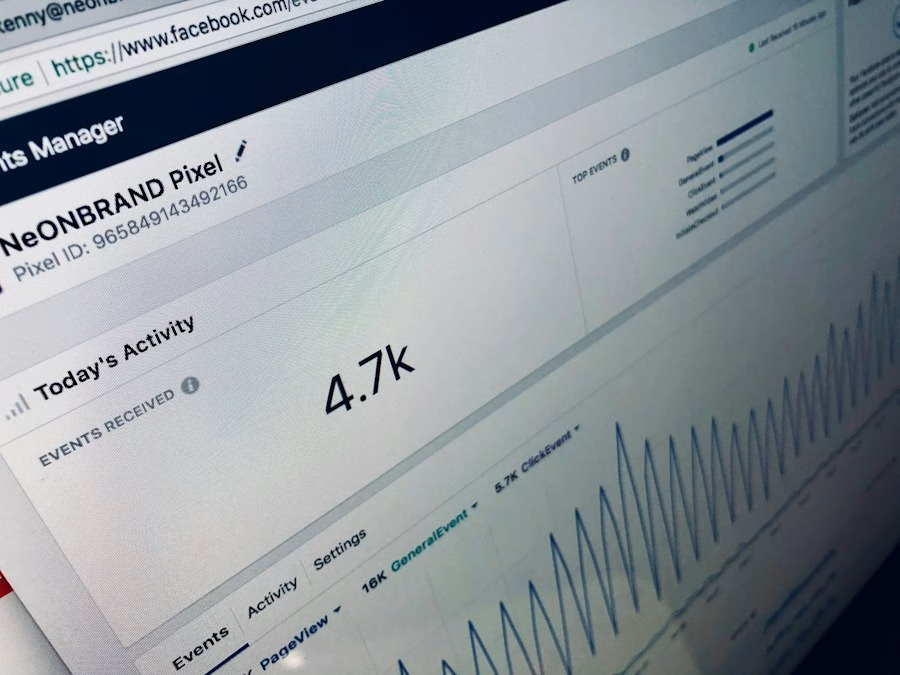

With your analytics foundation in place, the next step is to systematically identify which of your email campaigns are performing best in terms of profitability. This isn’t just about picking the campaign with the highest open rate; it’s about a holistic evaluation of metrics that directly contribute to your bottom line.
Focusing on Revenue and Conversion Metrics
While engagement metrics like open and click-through rates are important indicators of initial interest, they don’t directly tell you how much money a campaign generated. To pinpoint profitability, you must prioritize:
- Campaign Conversion Rate: Compare the conversion rates across all your campaigns. Which emails consistently turn recipients into customers or leads? A high conversion rate suggests that your offer, content, and call to action are highly effective at motivating your audience to take the desired step. Look at campaigns for different product launches, promotions, or content types. Do product announcement emails convert better than blog digest emails? Is a limited-time offer more effective than a general discount?
- Revenue Per Email (RPE): This is perhaps the most direct measure of a campaign’s financial success. Calculate the RPE for each campaign. The campaigns with the highest RPE are your financial powerhouses. This metric allows for a direct comparison of the monetary value generated by different campaigns, regardless of their size or initial engagement. For example, a small, highly targeted segment might yield a significantly higher RPE than a broad, less targeted blast, even if the latter generated more total revenue.
- Average Order Value (AOV) from Email: For e-commerce businesses, track the average order value generated by customers who clicked through from specific email campaigns. Some campaigns might drive a high volume of conversions but for lower-priced items, while others might drive fewer conversions but for significantly higher-value products. Understanding AOV in conjunction with conversion rate gives you a more nuanced picture of profitability.
Segmenting Your Campaign Performance
Not all campaigns are created equal, and neither are all segments of your audience. To truly understand profitability, you need to segment your campaign performance by various factors.
- Audience Segment Performance: Analyze how different audience segments respond to the same campaign. Do your loyal customers convert at a higher rate than new subscribers? Do subscribers in a specific geographic region or with particular interests respond better to certain offers? This analysis helps you refine your segmentation strategy, ensuring you’re sending the right message to the right people. For example, you might discover that your “abandoned cart” emails are highly profitable for new customers but less so for repeat buyers, indicating a need for different messaging or follow-up strategies.
- Campaign Type Performance: Categorize your campaigns (e.g., promotional, newsletter, transactional, re-engagement, product launch) and analyze their average profitability metrics. This helps you understand which types of campaigns are most effective for your business goals. You might find that highly targeted promotional campaigns generate the highest RPE, while your regular newsletters contribute to brand building and engagement but have a lower direct conversion rate. This allows you to allocate resources effectively.
- Offer/Content Type Performance: Which specific offers or types of content generate the most profit? Is it a percentage discount, a free shipping offer, a bundled product, or an exclusive content piece? By comparing the profitability of different offers, you can optimize future promotions. Similarly, analyze whether product-focused content, educational articles, or customer testimonials lead to higher conversions and revenue.
Leveraging A/B Testing for Deeper Insights
A/B testing isn’t just for optimizing open rates; it’s a powerful tool for identifying the most profitable elements of your campaigns.
- Subject Line A/B Tests: While not directly revenue-focused, a stronger subject line can significantly increase open rates, which is the first step towards a conversion. Test different tones, lengths, emojis, and personalization to see what resonates best and drives higher subsequent engagement and conversions.
- Call to Action (CTA) A/B Tests: Test different CTA phrasing, button colors, and placement. A clear, compelling CTA can dramatically impact your conversion rate. For example, “Shop Now” versus “Get Your Exclusive Discount” or “Learn More” versus “Download Your Free Guide.”
- Content and Offer A/B Tests: Experiment with different email body content, imagery, and the core offer itself. Does a longer, more descriptive email convert better than a short, punchy one? Does a 10% discount outperform a free gift with purchase? A/B testing these elements allows you to systematically optimize for profitability.
By meticulously analyzing revenue and conversion metrics, segmenting your performance, and continually A/B testing, you’ll gain a clear picture of your most profitable campaigns, laying the groundwork for scaling your success.
Diagnosing Underperforming Campaigns


Identifying your most profitable campaigns is only half the battle. Equally important is understanding why certain campaigns are underperforming so you can avoid repeating costly mistakes and reallocate resources more effectively. This requires a systematic approach to identifying bottlenecks in the email marketing funnel.
Analyzing Engagement Metrics for Clues
An underperforming campaign often shows signs of trouble early in the customer journey. Your engagement metrics are the first indicators.
- Low Open Rates: If your open rate is significantly lower than your average or your top-performing campaigns, the problem likely lies with your subject line, sender name, or preheader text.
- Subject Line Effectiveness: Is it compelling enough? Does it create curiosity or offer clear value? Is it too generic or spammy? A/B test variations to find what resonates.
- Sender Name Recognition: Is your “From” name instantly recognizable and trusted? Sending from a generic company name versus a personal name (e.g., “Your Brand Marketing” vs. “John from Your Brand”) can impact open rates.
- Preheader Text Utilization: Is your preheader text effectively complementing your subject line, offering additional enticing information, or is it merely displaying “View in browser” or the first line of your email?
- Deliverability Issues: A sudden drop in open rates across multiple campaigns could indicate deliverability problems due to a poor sender reputation, high bounce rates, or being flagged as spam. Regularly monitor your sender score and email health.
- Low Click-Through Rates (CTR): Even if people open your email, a low CTR indicates that the content inside isn’t compelling enough to drive action.
- Irrelevant Content: Is the content aligned with what your audience expects or needs? Is it speaking to their pain points or desires?
- Weak Calls to Action (CTAs): Are your CTAs clear, concise, and prominent? Do they clearly state what action the reader should take and what benefit they will receive? Are there too many CTAs, leading to decision paralysis?
- Poor Email Design/Layout: Is the email visually appealing and easy to read? Is the most important information above the fold? Is it mobile-responsive? Cluttered or poorly formatted emails can deter clicks.
- Lack of Urgency/Scarcity: For promotional campaigns, is there a compelling reason to click now? Without a sense of urgency or scarcity, recipients might defer action, eventually forgetting about your email.
Investigating Post-Click Behavior and Conversions
A high open and CTR doesn’t guarantee profitability if recipients aren’t converting after clicking. This is where your website analytics and conversion tracking become paramount.
- High Bounce Rate on Landing Page: If users click your email link but immediately leave the landing page, something is wrong with the post-click experience.
- Mismatch Between Email and Landing Page: Does the landing page fulfill the promise made in the email? Is the offer consistent? Is the messaging congruent? A disconnect can lead to immediate abandonment.
- Poor Landing Page Experience: Is the landing page slow to load? Is it cluttered or confusing? Is the conversion form too long or complex? Optimize your landing page for speed, clarity, and ease of conversion.
- Mobile Responsiveness: Ensure your landing page is fully optimized for mobile devices, as a significant portion of email opens and clicks occur on smartphones.
- Low Conversion Rate After Click: Even if users stay on the landing page, they might not convert.
- Offer Value: Is the offer itself compelling enough to warrant a conversion? Is the price point justified? Is the perceived value clear?
- Friction in the Conversion Process: Are there too many steps? Does the user have to create an account? Is the payment gateway complicated? Streamline your conversion funnel as much as possible.
- Missing Trust Signals: For sales, are there testimonials, security badges, or a clear return policy? Lack of trust can deter conversions.
- Lack of Follow-up: For lead generation, is there a clear next step or follow-up sequence in place after the initial click, even if they don’t convert immediately?
Audience and List Health Considerations
Sometimes, the problem isn’t the campaign itself, but the audience you’re sending it to.
- List Fatigue/Irrelevance: Are you sending too many emails to the same segment, leading to disengagement? Has your audience’s interest shifted? Are the people on your list still the right fit for your products/services?
- High Unsubscribe Rate: A higher-than-average unsubscribe rate indicates that your content is no longer relevant, you’re emailing too frequently, or you’re attracting the wrong audience. Analyze when people unsubscribe (e.g., immediately after a particular campaign type) to pinpoint the cause.
- Segment Mismatch: You might have a great campaign, but it’s being sent to the wrong segment. Re-evaluate your segmentation strategy and ensure your content aligns with the specific needs and interests of each group.
- Low List Quality: A list with many inactive subscribers, hard bounces, or spam trap hits will drag down your overall campaign performance and deliverability. Regularly clean your email list to ensure you’re reaching engaged recipients.
By systematically diagnosing these potential issues, you can move beyond simply knowing a campaign failed to understanding why it failed, equipping you with the knowledge to refine your strategy and improve future performance.
Replicating and Scaling Your Success
Once you’ve identified your most profitable campaigns and diagnosed the issues with underperformers, the next crucial step is to replicate what works and scale it strategically. This isn’t about blindly copying; it’s about understanding the underlying principles of success and applying them intelligently across your entire email marketing ecosystem.
Deconstructing Profitable Campaigns
To replicate success, you must first understand its components. Conduct a thorough post-mortem analysis of your top-performing campaigns.
- Identify Common Themes and Offers: What types of offers consistently lead to high RPE and conversion rates? Is it a specific discount structure (e.g., percentage off vs. dollar amount), a free shipping threshold, a bundle deal, or exclusive content? Pinpoint the core value proposition that resonated most.
- Analyze Messaging and Tone: What was the language like? Was it authoritative, friendly, urgent, educational, or empathetic? How was the call to action phrased? Did it create a sense of scarcity or excitement? Look for patterns in the emotional triggers and persuasive techniques used.
- Examine Visual Elements and Layout: How was the email designed? Were there specific images, videos, or GIFs that stood out? Was the layout clean, easy to scan, and mobile-friendly? Were key elements above the fold?
- Review Audience Segmentation: Who received these profitable campaigns? What were the common characteristics of that segment (demographics, purchase history, engagement level, interests)? Understanding the ideal recipient allows you to replicate the targeting for future campaigns.
- Pinpoint Timing and Frequency: Was there a particular day of the week or time of day that led to better results? Was the campaign part of a longer sequence, and if so, where did it fall in that sequence? While these factors can be difficult to isolate, consistent patterns can offer insights.
Creating a “Best Practices” Playbook
Based on your deconstruction, develop a “best practices” playbook for your email marketing team. This document should distill the key learnings from your most profitable campaigns into actionable guidelines.
- Subject Line Formulas: Provide templates or guiding principles for crafting high-performing subject lines (e.g., “always include a number,” “personalize where possible,” “focus on a clear benefit”).
- Call to Action (CTA) Guidelines: Define what makes an effective CTA for your audience, including optimal phrasing, button design, and placement.
- Content Frameworks: Offer templates or structure suggestions for different campaign types (e.g., “promotional emails should always include social proof and urgency,” “newsletters should have a clear hierarchy and one main CTA”).
- Design Principles: Outline essential design elements, brand guidelines, mobile optimization requirements, and best practices for imagery and visual hierarchy.
- Segmentation Strategies: Document the most successful segmentation criteria and how to apply them to different campaign types. For instance, “for product launch emails, target engaged subscribers who have previously purchased similar items.”
This playbook serves as a living document, evolving as you continue to analyze and learn from new campaigns.
Strategic Expansion and Iteration
Replicating success isn’t about stagnation; it’s about continuous improvement and expansion.
- Pilot New Segments: Take the core elements of a highly profitable campaign and test it with a new but similar audience segment. For example, if a campaign worked well with first-time buyers, try adapting it for lapsed customers with similar purchase patterns.
- Vary the Offer: If a 20% discount was highly profitable, experiment with a similar campaign offering a different percentage discount, a dollar amount discount, or a bundle deal to see if you can increase RPE further.
- Diversify Content Formats: If a text-heavy email converted well, try a similar message with more visuals or even an embedded video, maintaining the core message and offer.
- Integrate Profitable Elements into Automated Flows: Your automated email sequences (welcome series, abandoned cart, post-purchase) are constant revenue generators. Integrate the subject lines, CTAs, and offer types from your top-performing broadcast campaigns into these evergreen flows to boost their profitability.
- Test and Refine Constantly: Even your most profitable campaigns can be improved. Continually A/B test elements within them (e.g., one image vs. another, slightly different CTA wording) to squeeze out even more performance.
- Monitor for Diminishing Returns: Be aware that even the most successful campaign can experience diminishing returns if overused. Keep an eye on declining engagement or conversion rates for repeated campaigns and be ready to refresh or retire them when necessary.
By systematically deconstructing, documenting, and strategically expanding your most profitable campaign elements, you transform individual successes into a scalable, sustainable engine for revenue growth in your email marketing.
To enhance your understanding of email marketing strategies, you might find it beneficial to explore how personalization can significantly impact your campaigns. A related article discusses the importance of maximizing email personalization and provides insights on using spintags effectively while avoiding spam filters. You can read more about it in this informative piece on maximizing email personalization. This knowledge can complement your efforts in identifying your most profitable email campaigns using broadcast analytics.
Leveraging Advanced Analytics and Automation
| Metric | Description | How to Use It | Example Value |
|---|---|---|---|
| Open Rate | Percentage of recipients who opened the email | Identify subject lines and send times that generate interest | 25% |
| Click-Through Rate (CTR) | Percentage of recipients who clicked on links within the email | Measure engagement and effectiveness of call-to-action | 8% |
| Conversion Rate | Percentage of recipients who completed a desired action (purchase, signup) | Determine which campaigns drive actual revenue or goals | 3.5% |
| Revenue per Email Sent | Average revenue generated per email delivered | Compare profitability across campaigns | 1.20 |
| Unsubscribe Rate | Percentage of recipients who unsubscribed after the email | Monitor list health and content relevance | 0.4% |
| Bounce Rate | Percentage of emails not delivered to recipients | Maintain list quality and deliverability | 1.1% |
| Return on Investment (ROI) | Revenue generated compared to campaign cost | Assess overall profitability of the campaign | 350% |
Moving beyond basic reporting, advanced analytics and automation can supercharge your ability to identify and scale profitable campaigns, pushing the boundaries of your email marketing effectiveness. These tools allow for deeper insights, more personalized experiences, and the ability to act on data at scale.
Predictive Analytics for Future Profitability
Predictive analytics uses historical data and machine learning algorithms to forecast future outcomes. For email marketing, this means anticipating which subscribers are most likely to open, click, or convert, and even which campaigns will be most profitable.
- Churn Prediction: Identify subscribers who are at risk of unsubscribing or becoming inactive. By proactively targeting these individuals with re-engagement campaigns (using proven profitable strategies), you can retain valuable segments and prevent future revenue loss.
- Purchase Propensity Modeling: Predict which subscribers are most likely to make a purchase in the near future, and what type of product they might be interested in. This allows for highly targeted, relevant, and ultimately more profitable promotional emails. Instead of a blanket promotion, you can send an email showcasing products a specific segment is predicted to buy.
- Lifetime Value (LTV) Prediction: Forecast the potential long-term revenue each subscriber will generate. This allows you to prioritize efforts and investments towards acquiring and nurturing high-LTV customers, ensuring your most profitable campaigns are targeted at your most valuable audience members.
- Content Recommendation Engines: Based on a subscriber’s past engagement and purchase history, advanced platforms can recommend specific content or products within an email, dynamically generating highly personalized and profitable messages.
Integrating CRM Data for a Holistic View
Your email marketing data should not live in isolation. Integrating your email service provider (ESP) with your Customer Relationship Management (CRM) system provides a 360-degree view of your customers, enabling more intelligent and profitable email strategies.
- Enhanced Segmentation: Beyond email engagement, use CRM data like purchase history (products purchased, total spend, last purchase date), customer service interactions, and lead scoring to create hyper-segmented lists. This allows you to send highly relevant campaigns that are far more likely to convert. For example, target customers who bought Product A but not Product B with an upsell campaign for Product B.
- Personalized Messaging at Scale: With CRM data, you can personalize emails far beyond just the first name. Reference past purchases, birthdays, or specific stages in their customer journey directly within your email content, making messages feel tailored and increasing their profitability.
- Attribution Modeling: By connecting email campaigns to sales data in your CRM, you can gain a more accurate understanding of which email touches contribute to closed deals, especially for longer sales cycles. This allows for multi-touch attribution, showing how email influences the entire customer journey, not just the last click.
- Win-Back and Reactivation: Use CRM data to identify inactive customers who haven’t engaged with your brand in a while. Craft specific re-engagement campaigns, potentially leveraging offers from your most profitable past campaigns, to bring them back into the fold.
Automation for Sustained Profitability
Automation isn’t just about saving time; it’s about delivering the right message at the right time, consistently, which directly impacts profitability.
- Automated Welcome Series: Leverage your most profitable content and offers in your welcome series. This is often the most opened and clicked email sequence, making it prime real estate for establishing value and driving initial conversions. Test variations of the welcome series based on the source of the subscriber (e.g., website sign-up vs. lead magnet download).
- Abandoned Cart Recovery: These are consistently among the most profitable automated emails. Implement a multi-stage abandoned cart sequence that includes urgency, social proof, and potentially a small incentive (based on your most profitable offers) to recover lost sales.
- Post-Purchase Sequences: Capitalize on the recency of a purchase. These emails can include product usage tips, cross-sell/upsell recommendations (based on purchase history and predicted interests), and requests for reviews. By nurturing customers post-purchase, you increase customer lifetime value, a key driver of long-term profitability.
- Re-engagement Campaigns: Automate campaigns to identify and re-engage inactive subscribers before they churn completely. Use your most engaging content or a compelling offer to rekindle their interest and prevent list decay.
- Behavioral Triggers: Set up automated emails based on specific actions (or inactions) on your website. For example, if a user browses a particular product category multiple times but doesn’t purchase, trigger an email showcasing top-selling products from that category, incorporating elements from your most profitable promotional campaigns.
By embracing advanced analytics and strategically implementing automation, you move beyond reactive campaign management to a proactive, data-driven approach that consistently identifies, optimizes, and scales your most profitable email marketing efforts, ultimately driving sustainable business growth.
FAQs
What are broadcast analytics in email marketing?
Broadcast analytics in email marketing refers to the process of tracking and analyzing the performance of email campaigns. This includes metrics such as open rates, click-through rates, conversion rates, and revenue generated. By examining these metrics, marketers can gain insights into which campaigns are most effective and why.
How can I determine the profitability of my email campaigns?
To determine the profitability of your email campaigns, you should calculate the return on investment (ROI) for each campaign. This involves comparing the revenue generated from the campaign against the costs associated with it, including design, content creation, and distribution. A positive ROI indicates a profitable campaign.
What key metrics should I focus on when analyzing email campaigns?
Key metrics to focus on when analyzing email campaigns include open rates, click-through rates, conversion rates, bounce rates, and unsubscribe rates. Additionally, tracking revenue generated per email sent can provide a clear picture of profitability and engagement.
How often should I review my email campaign analytics?
It is advisable to review your email campaign analytics regularly, ideally after each campaign is sent. This allows you to quickly identify trends, successes, and areas for improvement. Monthly or quarterly reviews can also help in assessing overall performance and adjusting strategies accordingly.
What tools can I use for email campaign analytics?
There are several tools available for email campaign analytics, including platforms like Mailchimp, Constant Contact, and HubSpot. These tools provide built-in analytics features that allow you to track performance metrics, segment your audience, and optimize future campaigns based on data-driven insights.