



The digital landscape is a perpetually shifting sands. For businesses aiming to harness the power of email marketing, staying ahead of the curve is not a luxury, but a strategic imperative. As you look towards 2026, the methods that once propelled success might now be akin to sailing with a tattered sail; you’re moving, but not with optimal speed or direction. This article will guide you through the essential strategies and considerations for maximizing your Return on Investment (ROI) with email marketing in the coming year, ensuring your efforts are not just seen, but truly impactful.
The email marketing environment of 2026 is a far cry from its early iterations. The sheer volume of inboxes and the increasing sophistication of user attention spans necessitate a more nuanced and value-driven approach. Think of your recipient’s inbox not as a mailbox to stuff, but as a curated personal space. Gaining entry and holding attention requires more than just a catchy subject line; it demands relevance, personalization, and a deep understanding of your audience’s journey. The fundamental objective remains to drive profitable customer action, but the pathways to achieve this are becoming increasingly intricate and data-informed.
The Shifting Sands of User Attention
You are accustomed to battling for attention, a constant skirmish in the digital age. In 2026, this battlefield will be even more crowded. Users are adept at filtering, skimming, and dismissing emails that don’t immediately offer value or resonate with their current needs. The average individual receives dozens, if not hundreds, of emails daily. Your email is a single drop in a vast ocean. To be noticed, you must be a bioluminescent plankton, emitting a distinct and attractive glow. This means moving beyond generic blasts and towards highly targeted, contextually relevant messaging. Ignoring this reality is akin to shouting into a hurricane, hoping to be heard – an exercise in futility.
The Rise of Privacy and Consent
Data privacy regulations continue to evolve and strengthen. For 2026, this means a renewed emphasis on explicit consent and transparent data collection practices. Users are increasingly protective of their personal information, and a breach of trust can have severe and lasting consequences for your brand. You must build your email list on a bedrock of genuine opt-ins, not on a foundation of questionable acquired addresses. This is not a bureaucratic hurdle; it is a fundamental aspect of building sustainable customer relationships. Think of consent as the key that unlocks the door to their inbox; without it, you are an unwelcome intruder.
The Interconnectedness of Marketing Channels
Email marketing in 2026 does not operate in a vacuum. It is an integral component of a larger, interconnected marketing ecosystem. Your email campaigns should seamlessly integrate with your social media efforts, website experience, content marketing, and even your offline interactions. A customer who engages with an email should see a consistent and relevant experience across all touchpoints. This integrated approach amplifies the impact of each individual channel, creating a synergistic effect that drives greater ROI. Consider your marketing channels like a finely tuned orchestra, where each instrument plays its part to create a harmonious and compelling performance.
In the ever-evolving landscape of digital marketing, email marketing continues to stand out as a powerful tool for online businesses, delivering the highest return on investment (ROI) in 2026. A related article that delves into the importance of maintaining a high-quality email list is titled “Why Double Opt-In is the Gold Standard for Email Marketing.” This insightful piece discusses how implementing a double opt-in process can enhance engagement and ensure that your audience is genuinely interested in your content. For more information, you can read the article here: Why Double Opt-In is the Gold Standard for Email Marketing.
Data-Driven Personalization: The Cornerstone of High ROI
The era of one-size-fits-all email marketing is well and truly over. In 2026, personalization is not a marketing buzzword; it is the fundamental engine that drives engagement, conversion, and ultimately, ROI. By leveraging data effectively, you can move beyond simply using a recipient’s name and create truly individualized experiences that resonate deeply. This deep dive into data empowers you to speak directly to the individual, not just to a segment.
Advanced Segmentation Strategies
Beyond basic demographics, consider segmenting your audience based on behavioral data, purchase history, engagement levels, and even psychographic profiling. Are they repeat buyers or first-time visitors? Do they prefer discounts or content-rich newsletters? Do they respond best to mobile notifications or desktop emails? The granularity of your segmentation will directly correlate with the effectiveness of your campaigns. This is like being a detective, meticulously gathering clues to understand your subject intimately before approaching them.
Behavioral Segmentation
Analyze how users interact with your website, previous emails, and other marketing materials. Did they add items to their cart but abandon it? Did they click on a specific product category multiple times? Did they unsubscribe from certain types of content? These actions are digital breadcrumbs that reveal intent and preference. Use this information to trigger automated emails that address their specific stage in the customer journey. For example, a cart abandonment email is a direct response to a demonstrated interest.
Purchase History Segmentation
Your existing customers are a goldmine of information. Segment them based on past purchases, average order value, frequency of purchase, and product preferences. This allows you to make highly relevant offers, cross-sell complementary products, or provide exclusive loyalty rewards. Imagine recommending a new coffee blend to someone who consistently buys your premium espresso beans; this is a logical and welcome suggestion.
Engagement Level Segmentation
Not all subscribers are created equal in terms of their engagement. Segment your list into active, engaged, and inactive subscribers. You can then tailor your content and cadence accordingly. For highly engaged subscribers, you might offer early access to products or exclusive content. For less engaged subscribers, a re-engagement campaign with a compelling offer might be necessary. Ignoring inactive subscribers is like carrying dead weight in your marketing inventory.
Dynamic Content and Irresistible Offers
Personalization extends to the content of your emails. Dynamic content allows you to display different text, images, or calls to action within the same email template based on the recipient’s profile. This ensures that each subscriber sees content that is most relevant to them, increasing the likelihood of engagement. Furthermore, tailor your offers based on their segment and behavior. A loyal customer might receive a personalized discount, while a new lead might receive a valuable lead magnet. This is akin to tailoring a suit; it fits perfectly, making the wearer (the customer) feel valued and understood.
AI-Powered Content Optimization
By 2026, artificial intelligence (AI) will play an even more significant role in email content optimization. AI can help you analyze vast amounts of data to predict which subject lines, content formats, and calls to action will perform best for specific segments. It can also assist in generating personalized product recommendations and even drafting email copy. Think of AI as your highly intelligent research assistant, tirelessly analyzing data to uncover hidden opportunities.
Trigger-Based Campaigns for Conversions
Automated, trigger-based email campaigns are essential for maximizing ROI. These emails are sent automatically in response to specific user actions or inactions. Examples include welcome emails for new subscribers, birthday emails, reactivation campaigns for lapsed customers, and post-purchase follow-ups. These automated sequences ensure timely and relevant communication, guiding customers through the conversion funnel.
Optimizing Email Deliverability: Ensuring Your Message Arrives

Even the most compelling email campaign is rendered useless if it never reaches the recipient’s inbox. Deliverability is the silent guardian of your email marketing efforts. In 2026, maintaining high deliverability rates will require a proactive and vigilant approach, as inbox providers continue to refine their algorithms to combat spam and protect their users. Your emails must be allowed safe passage into the promised land of their inbox.
Building a Clean and Engaged Subscriber List
The foundation of good deliverability is a clean and engaged subscriber list. Regularly prune your list of inactive subscribers and those who have not engaged with your emails for an extended period. High bounce rates and a low engagement rate are red flags to inbox providers, signaling that your emails may be unwanted or irrelevant. This is like weeding a garden; removing the dead or dying plants allows the healthy ones to flourish.
The Importance of Double Opt-In
Implementing a double opt-in process for new subscribers is crucial. This requires subscribers to confirm their email address after initially signing up, ensuring they are genuinely interested and that the email address is valid. This practice significantly reduces the number of invalid addresses and unengaged subscribers on your list.
Managing Bounces and Spam Complaints
Monitor your bounce rates and spam complaint rates closely. High bounce rates indicate issues with your email sending infrastructure or list hygiene. A surge in spam complaints is a clear signal that your content or sending practices are problematic. Address these issues promptly to protect your sender reputation.
Maintaining a Positive Sender Reputation
Your sender reputation is your digital passport to the inbox. Inbox providers assign a reputation score based on your sending practices. A good reputation will lead to higher deliverability rates, while a poor one can land your emails in the spam folder or even get you blocked entirely.
Authenticating Your Domain and Email
Ensure that your domain and email are properly authenticated using protocols like SPF, DKIM, and DMARC. These technical measures verify the legitimacy of your emails and help prevent spoofing, thereby building trust with inbox providers.
Consistent and Valuable Sending Practices
Send emails consistently, but not excessively. Avoid sudden spikes in sending volume, as this can trigger spam filters. More importantly, ensure that the content you send is consistently valuable and relevant to your subscribers. Avoid sending emails solely for the purpose of promotion; balance promotional content with informative and engaging material.
Leveraging Advanced Metrics for Deeper Insights
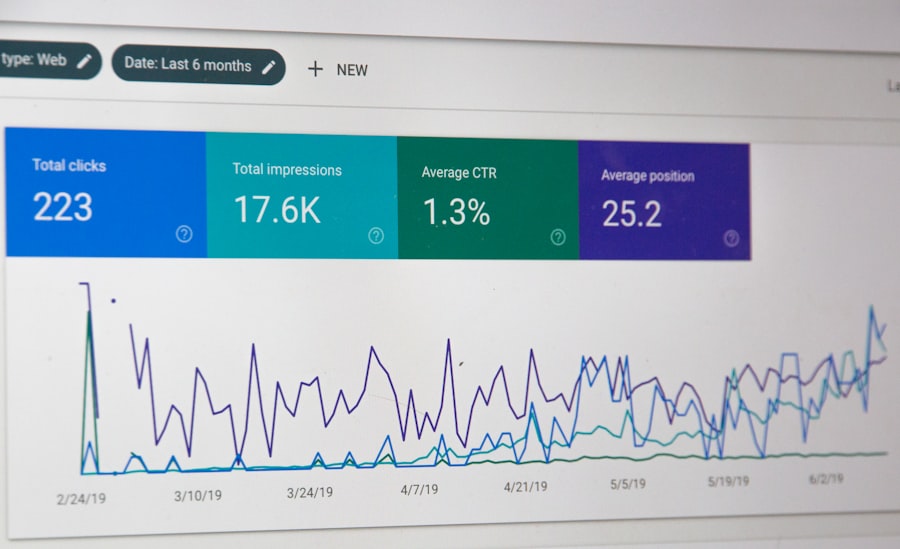
In 2026, simply tracking open rates and click-through rates will no longer suffice. To truly maximize ROI, you need to dive deeper into a more sophisticated array of metrics that provide actionable insights into your email marketing performance. You must move beyond superficial glances and conduct a forensic examination of your data.
Beyond Open and Click-Through Rates
While important, open and click-through rates are often vanity metrics. They do not always correlate with actual business outcomes. Focus on metrics that demonstrate the impact of your emails on your bottom line.
Conversion Rates and Revenue Per Email
The ultimate measure of success is conversion. Track how many recipients complete a desired action (e.g., make a purchase, download a resource) after engaging with your email. Calculate the revenue generated directly from your email campaigns to understand their profitability. This is the true testament to your email’s power.
Customer Lifetime Value (CLTV) Impact
Analyze how your email marketing efforts influence the Customer Lifetime Value of your subscribers. Are your emails encouraging repeat purchases, increased spending, and long-term loyalty? Email marketing can be a powerful tool for nurturing customer relationships and fostering brand advocacy, which directly impacts CLTV.
A/B Testing and Multivariate Testing
Continuous A/B testing and multivariate testing are non-negotiable. Test every element of your email, from subject lines and preheader text to calls to action, imagery, and send times. Even small tweaks can have a significant impact on engagement and conversion rates. Treat testing as a scientific experiment, where each iteration is designed to uncover a better outcome.
Subject Line Optimization
Experiment with different subject line lengths, tones, and the inclusion of personalization elements or emojis. The subject line is your first impression; make it count.
Call to Action (CTA) Variations
Test different CTA wording, button colors, and placement to see what drives the most clicks and conversions. Is a direct “Buy Now” more effective than a softer “Learn More”?
Send Time Optimization
Determine the optimal send times for your audience by analyzing when they are most likely to open and engage with your emails. This will vary by segment and by geographical location.
Analyzing User Journey and Funnel Performance
Understand how your email campaigns fit into the broader customer journey. Map out the different stages of your funnel and analyze how your emails contribute to moving prospects and customers through each stage. Identify any bottlenecks or areas where your emails are underperforming.
Identifying Drop-off Points
Use analytics to pinpoint where subscribers are disengaging in your email workflows. Are they abandoning the cart after receiving a reminder email? Are they not progressing to the next stage of a nurture sequence? Understanding these drop-off points allows you to refine your messaging and strategy.
Cross-Channel Attribution
In 2026, understanding how your email marketing influences other channels and vice-versa is crucial. Implement robust attribution models to gain a holistic view of your marketing ROI. This involves understanding the full story of how a customer journey unfolds, not just isolated incidents.
In the ever-evolving landscape of digital marketing, understanding the fundamentals of effective communication is crucial for online businesses aiming to maximize their return on investment. A recent article highlights the importance of building a strong contact list, which serves as the foundation of good marketing strategies. To explore this topic further, you can read about it in detail in the article on building a strong contact list. This foundational aspect not only enhances email marketing efforts but also contributes significantly to achieving the highest ROI in 2026.
Embracing Automation and AI for Scalable ROI
| Metric | Value | Description |
|---|---|---|
| Average ROI | 4200% | Return on investment for every unit spent on email marketing |
| Conversion Rate | 5.2% | Percentage of email recipients who complete a desired action |
| Click-Through Rate (CTR) | 3.8% | Percentage of recipients who click on links within the email |
| Open Rate | 28% | Percentage of recipients who open the email |
| Customer Retention Rate | 75% | Percentage of customers retained through email marketing campaigns |
| Cost per Acquisition (CPA) | 12 | Average cost to acquire a customer via email marketing |
| List Growth Rate | 15% | Monthly increase in email subscriber list size |
| Personalization Impact | 26% increase | Boost in engagement due to personalized email content |
The future of email marketing is intertwined with automation and artificial intelligence. These technologies are no longer optional; they are essential tools for scaling your efforts, personalizing at an unprecedented level, and maximizing efficiency. Think of automation as your tireless digital workforce, executing tasks with precision and speed.
The Power of Marketing Automation Platforms
Modern marketing automation platforms are the backbone of advanced email marketing strategies. They allow you to segment your audience, create automated workflows, personalize content at scale, schedule campaigns, and track performance. Investing in a robust platform is an investment in future efficiency and effectiveness.
Workflow Creation and Management
Design intricate, multi-step email workflows triggered by specific user behaviors or data points. This allows for highly personalized and timely communication that nurtures leads and guides customers through their journey.
Lead Scoring and Nurturing
Utilize lead scoring to identify and prioritize high-potential leads. Marketing automation can then deliver targeted nurturing campaigns designed to move these leads closer to conversion.
AI-Powered Personalization and Optimization
As mentioned earlier, AI will be a game-changer in 2026. Beyond content generation, AI can analyze massive datasets to predict customer behavior, segment audiences with greater accuracy, and dynamically adjust campaigns in real-time for optimal performance.
Predictive Analytics for Engagement
AI can predict which subscribers are most likely to engage with a particular email or offer, allowing you to prioritize your efforts and tailor messaging for maximum impact. This is like having a crystal ball that foretells what your audience will respond to.
Dynamic Pricing and Offer Optimization
AI can analyze past purchase data and real-time market conditions to suggest optimal pricing and promotional offers for individual customers, driving conversion and profitability.
Integrating Email with Other AI-Driven Tools
Your email marketing should not exist in isolation. Integrate it with other AI-driven tools for a more powerful and cohesive marketing strategy. This could include AI-powered CRM systems, predictive analytics platforms, and chatbots.
Chatbot Integration for Instant Support
AI-powered chatbots can handle initial customer inquiries, gather information, and even qualify leads. This can then feed directly into your email marketing workflows, ensuring that your outreach is informed and relevant.
CRM Data Enrichment and Segmentation
Leverage AI to enrich your CRM data with insights into customer behavior and preferences. This richer data then fuels more sophisticated segmentation and personalization in your email campaigns. Imagine your CRM becoming an even more insightful guide to your customer’s story.
In the ever-evolving landscape of digital marketing, understanding the nuances of data analysis is crucial for maximizing returns. A recent article highlights the importance of real-time reporting in enhancing marketing strategies, which can significantly impact overall profitability. For those interested in exploring this topic further, the piece titled “Unlocking Profit: Real-Time Reporting vs. Yesterday’s Data” provides valuable insights into how timely data can inform better decision-making. You can read it here. By integrating these strategies, online businesses can leverage email marketing to achieve unprecedented ROI in 2026.
Future-Proofing Your Email Strategy: The Long-Term View
The digital landscape is in constant flux. To ensure sustained ROI from your email marketing in 2026 and beyond, you must adopt a long-term perspective, embracing adaptability and continuous learning. Your strategy must be a living entity, capable of evolving with the tides of technological and consumer change.
Building Brand Loyalty Through Consistent Value
Ultimately, exceptional ROI is built on the foundation of strong customer relationships. Consistently deliver value to your subscribers through high-quality content, personalized experiences, and exceptional customer service. Loyal customers are your most valuable asset, and email marketing is a powerful tool for nurturing that loyalty.
Community Building Through Email
Foster a sense of community among your subscribers. Encourage interaction, share user-generated content, and create exclusive communities or forums accessible via email. This transforms your email list from a transactional tool into a vibrant network.
Loyalty Programs and Exclusive Offers
Reward your most loyal customers with exclusive perks, early access to products, and special discounts. Email is the perfect channel to communicate these benefits and reinforce their value.
Staying Ahead of Algorithm Changes and Trends
The algorithms that govern inbox placement and email rendering are constantly evolving. Stay informed about these changes and adapt your strategies accordingly. This requires ongoing research, monitoring industry news, and a willingness to experiment.
Emerging Technologies to Watch
Keep an eye on emerging technologies like interactive emails, AMP for Email, and voice-activated email interfaces. While not mainstream for everyone in 2026, understanding these trends can position you ahead of the curve.
The Ethical Imperative: Trust and Transparency
In an era of increasing data scrutiny, maintaining trust and transparency with your subscribers is paramount. Be open about your data collection practices, provide clear opt-out options, and always deliver on your promises. Ethical marketing is not just good practice; it is good business.
Data Privacy Compliance
Ensure steadfast compliance with all relevant data privacy regulations. Ignorance is not a defense, and the consequences of non-compliance can be severe.
Rebuilding Trust When Necessary
If a data breach or misstep occurs, address it promptly and transparently. Open communication is key to rebuilding trust and demonstrating your commitment to protecting your subscribers’ information.
By implementing these strategies and maintaining a proactive, data-driven, and customer-centric approach, you can ensure that your email marketing efforts in 2026 are not just a cost, but a significant revenue-generating engine, delivering maximum ROI for your business.
FAQs
What makes email marketing deliver the highest ROI for online businesses in 2026?
Email marketing delivers the highest ROI because it allows businesses to directly reach their target audience with personalized content, has low operational costs, and provides measurable results that can be optimized continuously. Advances in automation and AI-driven segmentation in 2026 further enhance its effectiveness.
How does email marketing compare to other digital marketing channels in terms of ROI?
Email marketing consistently outperforms other digital channels like social media and paid search in ROI due to its direct communication, higher conversion rates, and lower cost per acquisition. In 2026, it remains the most cost-effective channel for nurturing leads and driving sales.
What strategies improve the ROI of email marketing campaigns?
Key strategies include segmenting email lists for targeted messaging, personalizing content, optimizing send times, using automation workflows, and regularly analyzing campaign performance to refine tactics. Incorporating interactive elements and mobile-friendly designs also boosts engagement and ROI.
Is email marketing effective for all types of online businesses?
Yes, email marketing is effective across various online business models, including e-commerce, SaaS, and content platforms. Its adaptability allows businesses to tailor messages to different customer segments, making it a versatile tool for driving sales and customer retention.
What role does data privacy play in email marketing ROI in 2026?
Data privacy regulations like GDPR and CCPA require businesses to obtain consent and handle subscriber data responsibly. Compliance builds trust with customers, leading to higher engagement rates and better ROI. In 2026, transparent data practices are essential for sustainable email marketing success.