



You’ve invested your time, effort, and resources into building an email list. Now, how do you ensure those subscribers don’t just open your emails but actually act on them? You’re not looking for polite glances; you’re striving for conversions. This isn’t about sending a few newsletters and hoping for the best; it’s about crafting a sophisticated, data-driven email marketing strategy that consistently transforms leads into loyal customers. Let’s delve into the advanced tactics that will elevate your conversion rates.
Forget the days when a simple “Hello [First Name]” was considered personalization. In today’s competitive landscape, your subscribers expect you to understand their unique needs and preferences. You need to move beyond basic demographics and dive deep into their behavior, interests, and purchase history.
Leveraging Behavioral Data for Targeted Messaging
Your subscribers leave a digital footprint everywhere they go on your website. Use this data to your advantage.
Website Browsing History
Imagine a subscriber who repeatedly visits product page X but never makes a purchase. Your email shouldn’t just announce a generic sale. Instead, it should remind them about product X, perhaps highlighting a specific feature they might have overlooked or even offering a small discount on that particular item. Track which categories they browse, which articles they read, and which features they interact with.
Past Purchase History and Predicted Next Purchases
For existing customers, their past purchases are a goldmine. If they bought product A, they’re likely to be interested in product B (an upsell) or product C (a complementary item). Go a step further by using predictive analytics to anticipate their next likely purchase. For example, if they bought printer ink three months ago, it’s probably time for a reorder reminder.
Engagement with Previous Emails
Which emails did they open? Which links did they click? Which offers did they ignore? This data tells you what truly resonates with them. Segment subscribers based on their engagement levels. Highly engaged subscribers might receive exclusive, early-bird offers, while less engaged ones might get a compelling re-engagement campaign.
Creating Granular Segments for Tailored Content
The more specific your segments, the more relevant your emails will be. Don’t be afraid to create many small segments.
Demographic and Psychographic Segmentation
While not as granular as behavioral data, combining demographics with psychographics can be powerful. For example, knowing a subscriber’s age range, income level, and lifestyle interests (e.g., eco-conscious, tech-savvy, budget-focused) allows you to craft messages that speak directly to their values and aspirations.
Lifecycle Stage Segmentation
Guide your subscribers through their journey with you using targeted emails. Are they new subscribers, first-time buyers, repeat customers, or lapsed customers? Each stage demands a different message and call to action. A welcome series for new subscribers will differ significantly from a loyalty program announcement for repeat customers.
Preference Center Integration
Empower your subscribers to tell you what they want to hear about. A well-designed preference center allows them to choose email frequency, specific product categories, types of content (e.g., promotions, educational, news), and even their preferred language. This not only increases engagement but also reduces unsubscribe rates.
For those looking to enhance their email marketing efforts, exploring advanced strategies can significantly boost conversion rates. A related article that delves into the importance of data-driven approaches is titled “Proving Email ROI with Data-Driven Split Testing.” This article provides valuable insights on how to effectively utilize split testing to measure the return on investment for your email campaigns. To read more about these strategies, visit the article here: Proving Email ROI with Data-Driven Split Testing.
Dynamic Content and A/B Testing: Iterating Your Way to Success
Static emails are a relic of the past. Today, your emails should be alive, responding to individual subscriber data in real-time. And you should never stop testing.
Implementing Dynamic Content Blocks
Imagine an email where the hero image, product recommendations, or even the call to action changes based on what you know about the specific recipient.
Product Recommendations Based on Browsing/Purchase History
This is where dynamic content shines. If a subscriber viewed a specific pair of shoes, that image and a direct link to those shoes should appear prominently in your next email, perhaps with related products. E-commerce platforms often have built-in integrations for this.
Personalized Offers and Discounts
Instead of a generic “10% off everything,” offer “15% off [Product Category You’ve Shown Interest In]” or “Free Shipping on Your Next Order (You’ve purchased from us before!)”. This makes the offer feel exclusive and directly relevant.
Geo-Targeted Content and Events
If your business has brick-and-mortar locations or hosts events, use geo-targeting to promote relevant information. A subscriber in New York shouldn’t receive an email about a store opening in Los Angeles.
Rigorous A/B Testing for Continuous Improvement
Never assume you know what will work best. Always, always test.
Subject Lines, Preheaders, and Sender Names
These are your first impression. Test different emotional appeals, urgency phrases, emojis, and even sender names (e.g., “Company Name” vs. “Support Team at Company Name”). A captivating subject line is the gatekeeper to your email’s content.
Call-to-Action (CTA) Buttons and Text
The CTA is where the rubber meets the road. Test button colors, size, placement, and especially the text. “Shop Now” vs. “Discover Your Perfect Product” vs. “Get My Exclusive Discount.” Subtle changes can lead to significant conversion boosts.
Email Layouts, Imagery, and Body Copy
Do subscribers respond better to long-form content or short, punchy paragraphs? Does a video thumbnail or a static image perform better? What about the placement of your main offer? Test different layouts, image choices, and even the tone of your language.
Send Times and Day of the Week
While there are general best practices, your audience is unique. Test sending emails at different times of the day (morning, afternoon, evening) and on various days of the week to pinpoint when your specific subscribers are most engaged and most likely to convert.
Automation and Drip Campaigns: Nurturing Leads Around the Clock
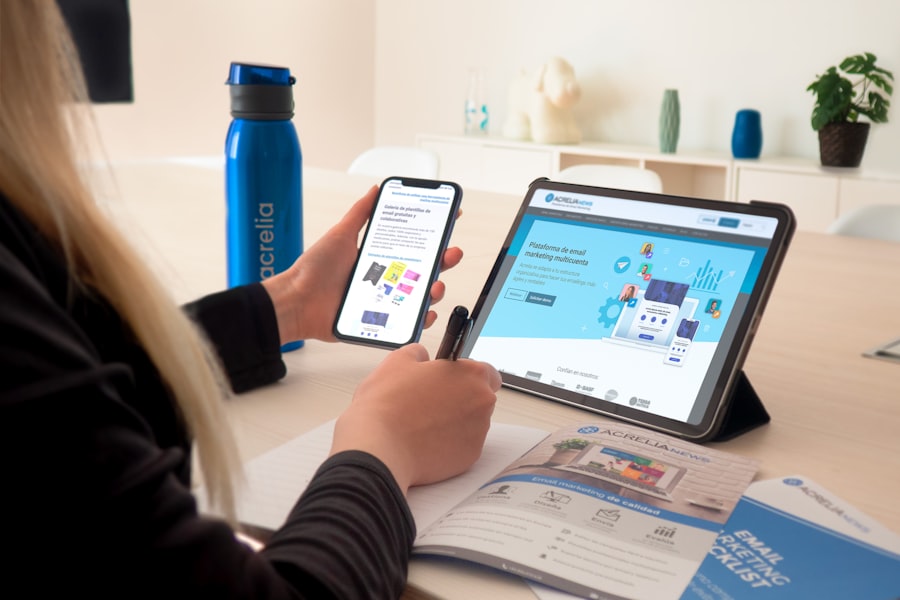
Manual email sending is inefficient and quickly becomes unsustainable. Automation is your secret weapon for delivering timely, relevant messages at scale.
Crafting High-Converting Welcome Series
Your welcome series is your first impression and one of your most crucial automated sequences. It sets the tone for your relationship.
Immediate Welcome with Value Proposition
Don’t just say “Thanks for joining!” Provide immediate value. This could be a free guide, an exclusive discount, or a sneak peek at your best content. Reiterate your unique selling proposition.
Educational Content and Brand Story
Subsequent emails should introduce your brand, explain your mission, and educate subscribers about your products/services. Share testimonials, success stories, or behind-the-scenes glimpses. This builds trust and rapport.
Soft Sell and Next Steps
Around the third or fourth email, introduce a soft sell. This could be showcasing a popular product, offering a solution to a common problem, or inviting them to explore a specific part of your website. Guide them towards their next logical action.
Implementing Abandoned Cart and Browse Abandonment Sequences
These are among the highest-converting automated emails you can send because they target individuals who have already shown strong purchase intent.
Abandoned Cart Reminders with Urgency/Incentives
Send a reminder within hours of abandonment. Include the items they left behind and a clear call to action to complete the purchase. A gentle nudge is often enough, but consider adding a small incentive (e.g., free shipping, a small percentage off) if the cart value is high or if the first reminder doesn’t convert.
Browse Abandonment: Re-engaging Interested Prospects
If a subscriber viewed a product multiple times but didn’t add it to their cart, send an email reminding them of their interest. Offer similar products, customer reviews for that item, or address potential objections they might have.
Win-back/Re-engagement Campaigns for Lapsed Customers
Don’t let valuable customers slip away. After a certain period of inactivity (determined by your business cycle), send a series of emails reminding them of your value. Offer special discounts, highlight new products, or even ask for feedback on why they’ve disengaged.
Integrating AI and Machine Learning: The Future of Conversion
The most advanced email marketers are already leveraging AI and machine learning to optimize every facet of their campaigns.
Predictive Analytics for Customer Journey Mapping
AI can analyze vast amounts of data to predict future behaviors, allowing you to proactively guide your subscribers.
Predicting Churn and Preventing Unsubscribes
AI can identify patterns in subscriber behavior that indicate a high likelihood of unsubscribing. This allows you to deploy targeted re-engagement campaigns to these at-risk individuals before they leave.
Identifying High-Value Customers and Upsell Opportunities
Machine learning algorithms can pinpoint subscribers who are most likely to become high-value customers or make a repeat purchase, allowing you to tailor exclusive offers and VIP experiences for them.
Optimizing Send Times for Individual Subscribers
Instead of just testing general send times, AI can analyze each subscriber’s historical interaction data and determine the exact best time to send an email to that specific individual for maximum open and click-through rates.
AI-Powered Content Creation and Optimization
AI isn’t just for analysis; it’s increasingly for creation as well.
Generating Personalized Subject Lines and Body Copy
AI tools can analyze engagement data and generate multiple subject line variations and even parts of the email body copy that are most likely to resonate with specific audience segments.
Optimizing Email Layouts and Visuals
AI can analyze heatmaps and eye-tracking data from previous campaigns to suggest optimal placements for CTAs, images, and text blocks to enhance readability and conversion.
Automated Product Recommendations and Bundling
Beyond simple rule-based recommendations, AI can suggest highly relevant product bundles and cross-sells based on complex patterns of past purchases and browsing behavior across your entire customer base. This creates a truly seamless and relevant shopping experience within the email.
For those looking to enhance their email marketing efforts, exploring advanced strategies can significantly boost conversion rates. A related article that delves into effective techniques is available at Convert Cold Leads into Customers: The 5 Email Drip Sequence, which provides valuable insights on how to nurture leads through targeted email campaigns. By implementing these strategies, marketers can create more personalized experiences that resonate with their audience, ultimately leading to higher engagement and sales.
Measuring and Analyzing Performance: Data-Driven Decision Making
| Metrics | Results |
|---|---|
| Open Rate | 25% |
| Click-Through Rate | 10% |
| Conversion Rate | 5% |
| Revenue Generated | 100,000 |
| Subscriber Growth | 15% |
Your journey to higher conversion rates is iterative. You must continuously monitor, analyze, and adapt.
Key Metrics Beyond Open and Click-Through Rates
While opens and clicks are important, they’re vanity metrics if they don’t lead to conversions. Look deeper.
Conversion Rate (Sales, Leads, Downloads)
This is the ultimate metric. For every email sent or every click, how many resulted in your desired action? Track this meticulously for every segment and campaign.
Revenue Per Email (RPE) or Value Per Email
Instead of just looking at clicks, tie your email efforts directly to revenue generated. This tells you the true monetary value of your email campaigns.
Average Order Value (AOV) from Email Campaigns
Are your email campaigns driving larger orders? Track the AOV from customers who convert via email compared to other channels. This can indicate the effectiveness of your upsell and cross-sell strategies within emails.
Subscriber Lifetime Value (LTV) from Email
Understand the long-term value of customers acquired or nurtured through email. This metric helps justify your investment in sophisticated email marketing strategies.
Utilizing Robust Analytics Tools and Dashboards
Your Email Service Provider (ESP) should offer comprehensive analytics, but consider integrating with other tools for a holistic view.
Integrations with CRM and E-commerce Platforms
Seamless integration allows you to tie email activity directly to customer profiles, purchase history, and even customer service interactions. This provides a 360-degree view of your customer.
Custom Reporting and Attribution Models
Go beyond standard reports. Create custom dashboards that highlight the metrics most crucial to your business goals. Explore different attribution models (e.g., first touch, last touch, linear) to understand how emails contribute at various stages of the customer journey.
Ongoing A/B Test Analysis and Iteration
Your A/B testing should be a continuous cycle. Analyze results, implement winning variations, and then test the next hypothesis. There is always something new to learn and optimize. Document your tests and their outcomes meticulously to build a knowledge base of what works for your audience.
By diligently implementing these advanced email marketing strategies, you’re not just sending emails; you’re building intelligent, responsive communication channels that nurture relationships, solve problems, and ultimately drive significantly higher conversion rates. This is about making your email list not just a collection of contacts, but a powerful engine for business growth.
FAQs
What are advanced email marketing strategies?
Advanced email marketing strategies are techniques and tactics used to optimize email campaigns for higher conversion rates. These strategies go beyond basic email marketing practices and often involve segmentation, personalization, automation, and advanced analytics.
How can segmentation improve email marketing conversion rates?
Segmentation involves dividing your email list into smaller, more targeted groups based on specific criteria such as demographics, behavior, or purchase history. By sending more personalized and relevant content to each segment, you can increase engagement and ultimately improve conversion rates.
What role does personalization play in advanced email marketing strategies?
Personalization in email marketing involves tailoring the content of your emails to individual recipients based on their preferences, behavior, and past interactions with your brand. Personalized emails can lead to higher open rates, click-through rates, and conversions.
How can automation enhance email marketing conversion rates?
Automation allows you to send timely and relevant emails to your subscribers based on predefined triggers or actions. By automating processes such as welcome emails, abandoned cart reminders, and re-engagement campaigns, you can deliver the right message to the right person at the right time, leading to higher conversion rates.
What role do advanced analytics play in improving email marketing conversion rates?
Advanced analytics provide insights into the performance of your email campaigns, allowing you to track key metrics such as open rates, click-through rates, and conversion rates. By analyzing this data, you can identify areas for improvement and make data-driven decisions to optimize your email marketing strategy for higher conversion rates.