


You’ve spent countless hours crafting the perfect email. You’ve poured your heart and soul into the copy, agonized over the subject line, and meticulously designed an image-rich HTML masterpiece. You hit send, expecting a flood of opens, clicks, and conversions. But the reality? A trickle. And you’re left scratching your head, wondering what went wrong. You’ve done everything right, haven’t you?
The truth is, sending the same email to everyone on your list is a bit like shouting into a crowded room and hoping everyone in that room hears exactly what they need to hear. It’s inefficient, it’s impersonal, and it’s almost guaranteed to underperform. This is where the power of email segmentation comes in. It’s not just a best practice; it’s the cornerstone of successful email marketing in today’s crowded digital landscape. It’s about moving beyond one-size-fits-all and embracing a personalized, targeted approach that resonates with each individual recipient.
Think of your email list as a diverse garden. You wouldn’t water every single plant with the same amount of water, expose them all to the same sunlight, or fertilize them with the same nutrients, would you? Of course not. You understand that a delicate orchid needs vastly different care than a hardy succulent. Your email list is no different. Each subscriber has unique needs, interests, behaviors, and stages in their journey with you. Segmenting your list allows you to provide that specific care, nurturing relationships and driving better results.
This article will delve deep into why email segmentation is so crucial, exploring the various ways you can implement it and the tangible benefits you can expect to reap. You’ll discover how by understanding your audience better, you can create more relevant, engaging, and ultimately, more effective email campaigns.
You might be thinking, “I’m already sending emails, and some people are responding. Isn’t that enough?” The short answer is a resounding no. If you’re not segmenting your list, you’re essentially operating with blinders on. You’re missing out on opportunities to connect with your audience on a deeper level, which directly impacts your bottom line.
The Illusion of a Broad Reach
Sending the same message to everyone might feel like you’re reaching the maximum number of people, but in reality, you’re diluting your impact. When your message isn’t relevant to a significant portion of your audience, they’re more likely to ignore it, mark it as spam, or unsubscribe altogether. This diminishes your sender reputation and makes it harder for your future emails to even reach inboxes, let alone be opened.
Lost Engagement Metrics
When a large chunk of your subscribers aren’t engaging with your emails, your open rates and click-through rates plummet. This paints a falsely negative picture of your email marketing efforts. It’s not that your emails are inherently bad; it’s that they’re not reaching the right people at the right time with the right message.
Damaged Sender Reputation
Email service providers (ESPs) like Gmail, Outlook, and others are constantly monitoring how recipients interact with your emails. High spam complaints, low engagement, and high unsubscribe rates all signal that your emails are not desired. This can lead to your emails being automatically filtered into the spam folder, rendering your marketing efforts almost entirely useless.
The High Cost of Generic Messaging
In a world saturated with marketing messages, generic emails simply don’t cut it. Consumers are more discerning than ever and expect personalized experiences. Failing to provide this can lead to a host of negative consequences, all of which can impact your business’s profitability.
Reduced Conversion Rates
When you send a promotion for men’s running shoes to someone who has only ever purchased women’s dresses, you’re not going to see a great conversion rate. Irrelevant offers are frequently ignored, leading to missed sales opportunities. Segmentation ensures that your offers are tailored to individuals’ past behaviors and expressed interests, significantly increasing the likelihood of a purchase.
Increased Unsubscribe Rates
No one likes feeling bombarded with irrelevant content. When subscribers consistently receive emails that don’t align with their interests, they begin to see your brand as noise. This leads to them hitting the unsubscribe button, a permanent loss that’s much harder to recover from than a temporarily disengaged subscriber.
Wasted Resources
Even if your emails aren’t being marked as spam, generic campaigns consume valuable time, money, and effort. You’re spending resources to create and send content that has a low probability of converting, which is an inefficient use of your marketing budget.
Email segmentation is a crucial strategy for enhancing the effectiveness of your email marketing campaigns, allowing you to tailor your messages to specific audience segments. For those looking to further optimize their email strategies, an insightful article titled “Maximizing Your Blog with RSS to Email Automation” provides valuable tips on how to automate your email content delivery. You can read more about it here: Maximizing Your Blog with RSS to Email Automation. This resource complements the understanding of email segmentation by demonstrating how automation can streamline your communication efforts and keep your audience engaged.
The Undeniable Benefits of a Segmented Approach
The good news is that by implementing email segmentation, you can transform your email marketing from a broadcast to a conversation. You can move from hoping for the best to strategically guiding your subscribers toward desired actions. The benefits are far-reaching and directly contribute to a healthier, more profitable marketing strategy.
Enhanced Relevance and Personalization
This is perhaps the most immediate and impactful benefit of segmentation. When you send targeted emails, you’re speaking directly to the individual’s interests and needs, creating a much more compelling experience.
Increased Open Rates
When your subject line is tailored to a specific segment’s interests, it’s far more likely to grab their attention and entice them to open. Think about it: would you rather open an email titled “Weekend Sale on Shoes” or “Exclusive 20% Off New Running Gear Just For You, [Name]”? The latter is far more persuasive.
Higher Click-Through Rates
A relevant email means more than just an open; it means a reader who is interested in what you have to say. This translates to a much higher chance of them clicking on your calls to action, whether it’s to browse a product, read a blog post, or make a purchase. You’re showing them what they want to see, making it easier for them to engage.
Improved Customer Relationships
When you consistently provide value and demonstrate that you understand your customers, you build trust and loyalty. This fosters stronger, longer-lasting relationships with your audience, turning them into brand advocates. They feel seen and valued, which is a powerful driver of repeat business.
Tangible Improvements in Conversion and Revenue
Ultimately, your email marketing efforts are about driving business results. Segmentation directly impacts your ability to achieve these goals.
Increased Conversion Rates
By presenting personalized product recommendations, targeted promotions, and relevant content based on past behavior or expressed preferences, you drastically increase the likelihood of a conversion. You’re essentially removing friction from the purchase journey.
Higher Average Order Value
When you understand your customers’ buying habits, you can strategically upsell and cross-sell. Segmenting your list allows you to suggest complementary products or higher-value alternatives, leading to a substantial increase in your average order value.
Reduced Customer Churn
By understanding why customers disengage and proactively addressing their concerns or catering to their evolving needs, you can significantly reduce churn. Sending win-back campaigns to inactive subscribers or offering special incentives to at-risk customers can revive dormant relationships.
A More Efficient and Effective Marketing Strategy
Beyond the direct impact on your audience, segmentation also streamlines your marketing operations.
Better Campaign Performance Tracking
With segmented campaigns, you can get a much clearer picture of what’s working and what’s not. You can isolate the performance of specific segments and use that data to refine your future strategies. This allows for continuous improvement and optimization.
Optimized Resource Allocation
Instead of casting a wide net, you can focus your efforts on the segments that are most likely to convert or that require specific attention. This means you’re not wasting time and money on campaigns that are unlikely to yield results, making your marketing budget work harder for you.
Improved List Health and Deliverability
By sending more relevant emails to engaged subscribers, you naturally improve your sender reputation. This leads to better deliverability rates, ensuring that more of your emails reach the intended inboxes. A healthy list is an effective list.
Building Your Foundation: Understanding Your Audience for Segmentation
Before you can effectively segment your email list, you need a deep understanding of who is on that list. This isn’t about guesswork; it’s about data. The more you know about your subscribers, the more precise and impactful your segmentation will be.
Gathering Essential Subscriber Data
Your email platform, your website analytics, and your customer relationship management (CRM) system are all goldmines of information. You just need to know where to look and what to collect.
Demographic Information
This is the basic, yet crucial, information about your subscribers.
Age and Gender
Understanding the age and gender of your subscribers can inform the tone, imagery, and product offerings in your emails.
Location
Geographic location can be vital for local businesses, for announcing regional events, or for offering region-specific promotions.
Profession and Income Level
For B2B businesses, profession is key. For B2C, income level can help tailor the price points of products and services you promote.
Behavioral Data
This is where things get really interesting. How your subscribers interact with your brand tells you a lot about their interests and intentions.
Purchase History
What have they bought in the past? This is a strong indicator of their preferences and potential future purchases.
Website Activity
Which pages have they visited on your website? What products have they viewed? What have they added to their cart but not purchased?
Email Engagement
Which emails have they opened? Which links have they clicked? How often do they interact with your content?
Psychographic Data
This goes beyond demographics to understand your subscribers’ motivations, values, and lifestyles.
Interests and Hobbies
What are their passions? What do they enjoy doing in their free time?
Values and Beliefs
What are their core beliefs? What causes do they support?
Lifestyle Choices
What are their daily routines? What are their preferences in terms of convenience, sustainability, or luxury?
Leveraging Your Existing Data Sources
Don’t reinvent the wheel. Your existing tools likely hold the answers you need to start segmenting.
Your Email Service Provider (ESP)
Most ESPs offer robust segmentation tools that allow you to filter subscribers based on a multitude of criteria, including past engagement, list membership, and custom data fields you’ve populated.
Website Analytics (Google Analytics, etc.)
Your website analytics can reveal user behavior, traffic sources, and demographic information about your visitors, which can be invaluable for segmenting.
Customer Relationship Management (CRM) System
If you use a CRM, it’s likely your central hub for customer data. You can often integrate your CRM with your ESP to sync subscriber information and create highly specific segments.
Surveys and Feedback Forms
Directly asking your subscribers about their preferences through surveys or feedback forms is a powerful way to gather rich psychographic and interest-based data.
The Practical Art of Email Segmentation: Your Segmentation Strategies
Now that you understand the ‘why’ and the ‘what,’ let’s dive into the ‘how.’ There are numerous ways to segment your email list, and the best approach for you will likely involve a combination of these strategies. The key is to start with what’s most relevant to your business and your audience.
Segmenting by Demographics
This is a foundational segmentation method that’s relatively easy to implement if you’ve collected the necessary data.
New vs. Existing Customers
This is a fundamental distinction. New customers need onboarding and nurturing, while existing customers can be targeted with loyalty programs or upsell opportunities.
Onboarding New Subscribers
When someone signs up for your list, they’re showing interest. Your initial emails should focus on welcoming them, introducing your brand, and guiding them towards their first valuable interaction, whether that’s a purchase or content consumption.
Customer Retention Strategies
For customers who have already purchased, you can segment them based on their purchase frequency, value, or product category to offer tailored loyalty rewards, exclusive previews, or complementary product suggestions.
Geographic Location
This is particularly useful if your business has a physical presence or operates in specific regions.
Locality-Specific Promotions
Promote local store events, offer deals tied to regional holidays, or announce new product availability in a particular area.
Time Zone Optimization
Send emails at times that are most convenient for each recipient’s time zone, increasing the likelihood of them seeing and engaging with your message.
Segmenting by Behavior and Engagement
This is where you move beyond static data and start responding to how your subscribers are actively interacting with your brand online.
Purchase Behavior Segmentation
Analyze what your customers buy to tailor future communications.
High-Value Customers
Identify your most loyal and high-spending customers and reward them with exclusive perks, early access to sales, or special high-tier offers.
One-Time Buyers vs. Repeat Purchasers
For one-time buyers, you might want to focus on encouraging repeat purchases. For repeat purchasers, you can aim to increase their order value or introduce them to new product lines.
Product Category Preferences
If someone consistently buys from your women’s activewear section, send them more emails related to new arrivals, sales, and content in that category.
Engagement Level Segmentation
Your subscribers’ interaction with your emails and website is a strong indicator of their interest.
Highly Engaged Subscribers
These are your superfans who consistently open and click your emails. You can use them for early product testing, beta programs, or to solicit reviews.
Moderately Engaged Subscribers
These subscribers open your emails occasionally. You can try to re-engage them with more compelling content or special offers.
Inactive Subscribers
These subscribers haven’t opened or clicked your emails in a significant period. You’ll want to send them a win-back campaign or consider removing them from your active list to protect your sender reputation.
Website Activity Segmentation
What people do on your website is a goldmine of intent.
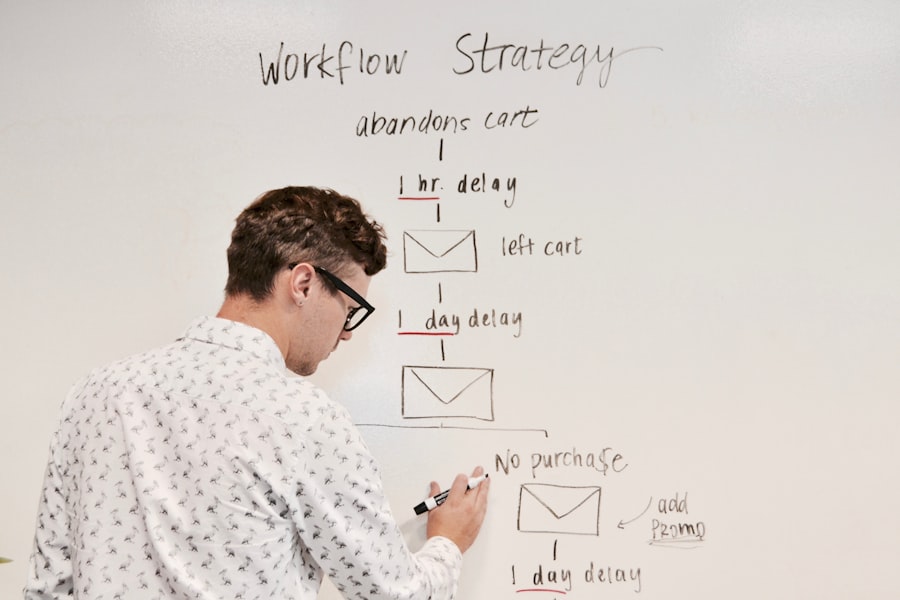
Cart Abandoners
These subscribers added items to their cart but didn’t complete the purchase. Sending them a reminder, a discount offer, or addressing potential barriers to purchase can recover lost sales.
Browsers vs. Buyers
Segmenting those who merely browse your site from those who actually make a purchase allows you to tailor your approach. Browsers might need more persuasive content or incentives, while buyers can be targeted with upsells or loyalty programs.
Segmenting by Lifecycle Stage
Understanding where your subscribers are in their journey with your brand allows for highly relevant communication.
New Subscribers and Leads
These individuals have just expressed interest and are ripe for nurturing.
Welcome Series
Implement a series of automated emails that introduce your brand, highlight your unique selling propositions, and guide them towards a positive first experience.
Lead Magnet Downloads
If they downloaded a specific lead magnet, tailor your follow-up emails to that topic, providing further valuable content and subtly introducing related products or services.
Active Customers
These are your paying customers who are engaging with your brand.
Post-Purchase Follow-Up
Send thank-you emails, requests for reviews, or relevant usage tips to enhance their experience after a purchase.
Loyalty Programs and Upselling
Nurture these relationships by offering loyalty rewards or suggesting complementary products based on their past purchases.
Lapsed or At-Risk Customers
These subscribers are showing signs of disengagement and might be on the verge of churning.
Win-Back Campaigns
Create targeted campaigns with special offers or compelling reasons to re-engage with your brand.
Re-engagement Surveys
Understand why they might be disengaging by sending out surveys to gather valuable feedback.
Email segmentation is a crucial strategy for enhancing the effectiveness of your marketing campaigns, as it allows you to tailor your messages to specific audience segments. For those looking to deepen their understanding of how to leverage customer data, a related article discusses the importance of combining purchase history and engagement data to maximize conversions. You can read more about this insightful approach in the article linked here: maximizing conversions. By implementing these strategies, businesses can create more personalized experiences that resonate with their customers.
Implementing Segmentation: Tools and Techniques for Success
| Segmentation Type | Description |
|---|---|
| Demographic | Dividing subscribers based on age, gender, location, etc. |
| Behavioral | Segmenting based on past interactions with emails or website. |
| Psychographic | Grouping based on interests, values, lifestyle, etc. |
| Why It Matters | Increases email relevance, engagement, and conversion rates. |
Having a strategy is essential, but you also need the right tools and techniques to make it happen. Thankfully, modern email marketing platforms provide sophisticated features to simplify the segmentation process.
Leveraging Your Email Service Provider’s Features
Your ESP is your primary tool for executing segmentation strategies.
Creating Custom Lists and Segments
Most ESPs allow you to create dynamic segments based on a wide range of criteria. You can often combine multiple conditions to create highly specific audiences.
Dynamic vs. Static Segments
Dynamic segments update automatically as subscriber data changes, ensuring your emails are always sent to the most relevant group. Static segments are fixed lists that you manually update.
Tagging and Custom Fields
These features allow you to add specific labels or data points to your subscribers, enabling you to segment based on almost any attribute.
Product Preferences Tagging
Tag subscribers who have shown interest in specific product categories.
Engagement Level Tagging
Manually or automatically tag subscribers based on their recent activity (e.g., “Highly Engaged,” “Inactive”).
Automation and Workflows
Automated workflows are the engine of effective segmentation. They allow you to trigger emails based on specific subscriber actions or data changes.
Welcome Series Automation
As soon as someone subscribes, they are automatically added to your welcome series.
Cart Abandonment Workflows
Trigger a series of emails to subscribers who abandon their cart, offering assistance or incentives.
Re-engagement Automation
Set up automated workflows to send targeted emails to inactive subscribers at set intervals.
Advanced Segmentation Techniques for Impact
Once you’ve mastered the basics, you can explore more advanced methods to refine your targeting even further.
Predictive Segmentation
Using AI and machine learning to predict future customer behavior, such as likelihood to purchase, churn, or respond to specific offers.
RFM Analysis (Recency, Frequency, Monetary Value)
Segment your customers based on how recently they purchased, how often they purchase, and how much they spend. This is a powerful indicator of customer value.
Behavioral Triggered Campaigns
These are triggered by specific actions a subscriber takes, such as visiting a particular page, downloading a resource, or making a purchase.
The Importance of Testing and Iteration
Segmentation isn’t a set-it-and-forget-it process. Continuous testing and refinement are crucial for maximizing its effectiveness.
A/B Testing Your Segments
Test different segmentation criteria to see which ones yield the best results for specific campaigns.
Monitoring Key Performance Indicators (KPIs)
Always track your open rates, click-through rates, conversion rates, and unsubscribe rates for each segment to gauge performance.
Iteratively Refining Your Segments
As you gather more data and learn more about your audience, be prepared to adjust and refine your segments to ensure they remain relevant and effective.
The Future of Email Marketing is Personalized: Why Segmentation is Non-Negotiable
As the digital landscape continues to evolve, personalization will become even more paramount. Consumers are increasingly savvy and demand experiences that cater to their individual needs and preferences. Email segmentation is not just a trend; it’s a fundamental shift in how we approach customer communication.
The Rise of Hyper-Personalization
The trend is moving beyond basic personalization like using a subscriber’s name. We’re heading towards a future where emails are so deeply personalized that they feel as if they were written just for that individual, referencing their specific past interactions, preferences, and even their current context.
AI-Powered Personalization
Artificial intelligence is revolutionizing personalization by analyzing vast amounts of data to deliver hyper-relevant content and offers at the right time.
Contextual Marketing
Tailoring messages based on a subscriber’s current situation or environment, such as their location, the device they’re using, or even the weather.
The Ethical Imperative of Respecting Privacy
In an era of increasing data privacy concerns, responsible segmentation is crucial. It’s not about collecting data for its own sake, but about using it to provide value and improve the customer experience in a way that’s transparent and respectful.
Data Transparency and Consent
Always be transparent with your subscribers about the data you collect and how you use it. Ensure you have their explicit consent for all data usage.
Avoiding Over-Segmentation
While segmentation is powerful, be mindful of creating too many small, unmanageable segments. This can lead to a diluted overall strategy and potentially overwhelm your marketing efforts.
The Long-Term Value of a Segmented Strategy
Ultimately, investing in email segmentation is an investment in the long-term health and growth of your business. It fosters stronger customer relationships, drives increased revenue, and builds a more resilient and effective marketing operation.
Building Brand Loyalty and Advocacy
When customers feel understood and valued, they become loyal advocates for your brand, contributing to organic growth and positive word-of-mouth.
Sustainable and Scalable Growth
A well-segmented email strategy provides a sustainable and scalable foundation for growth, allowing you to reach the right people with the right message, consistently.
You’ve invested time and resources into building your email list. Now, it’s time to make that investment work smarter, not just harder. By embracing the power of email segmentation, you’re not just sending emails; you’re building meaningful connections, driving real results, and setting your business up for lasting success in the hyper-personalized world of tomorrow. It’s time to stop shouting into the void and start having meaningful conversations with each and every one of your subscribers. Your inbox – and your bottom line – will thank you for it.
FAQs
What is email segmentation?
Email segmentation is the practice of dividing an email list into smaller, targeted segments based on specific criteria such as demographics, behavior, or engagement. This allows marketers to send more personalized and relevant content to their subscribers.
Why does email segmentation matter?
Email segmentation matters because it allows marketers to tailor their email content to specific segments of their audience, leading to higher engagement, increased open and click-through rates, and ultimately, better conversion rates. It also helps in building stronger relationships with subscribers.
What are the benefits of email segmentation?
The benefits of email segmentation include improved email deliverability, higher engagement and response rates, increased customer retention, better targeting of promotions and offers, and overall improved ROI on email marketing efforts.
How can email segmentation be implemented?
Email segmentation can be implemented using various criteria such as demographics, purchase history, engagement with previous emails, website behavior, and more. Marketers can use email marketing platforms to create segments and send targeted campaigns to each segment.
What are some best practices for email segmentation?
Some best practices for email segmentation include regularly updating and maintaining subscriber data, using automation to trigger segmented campaigns, testing and analyzing the performance of different segments, and continuously refining segmentation criteria based on subscriber behavior and preferences.