


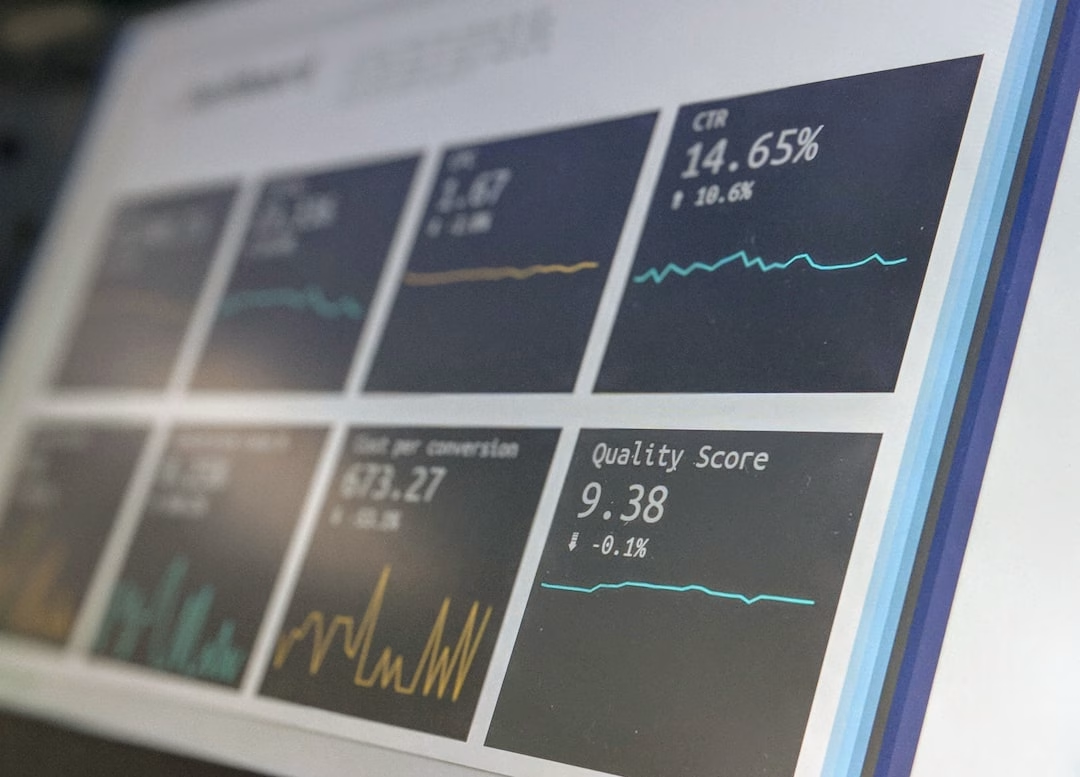
You’re standing at the helm of your marketing efforts, steering your campaigns through the often tumultuous waters of the digital landscape. But how do you know if you’re heading in the right direction? Are your strategies truly resonating with your audience, or are you just drifting aimlessly? This is where real-time reporting becomes your indispensable compass, offering immediate, actionable insights that can transform your campaign performance.
The Immediate Advantage of Real-Time Data
In today’s fast-paced digital environment, waiting for weekly or monthly reports is akin to trying to navigate a ship by looking at a map from a week ago. The landscape changes too rapidly. Real-time reporting pulls back the curtain, allowing you to see exactly what’s happening with your campaigns right now. You’re not just getting a snapshot; you’re witnessing the live broadcast of your marketing efforts.
Beyond Lagging Indicators: Proactive Adjustments
Traditional reporting often focuses on lagging indicators – metrics that tell you what has already happened. While these are valuable for post-mortem analysis, they offer little room for intervention. Real-time reporting, however, empowers you to be proactive. You can identify trends as they emerge, spot anomalies the moment they occur, and make crucial adjustments before minor issues escalate into major problems. This isn’t just about efficiency; it’s about maximizing your return on investment by constantly optimizing your spend and strategy.
Before you can harness the power of real-time reporting, it’s crucial to understand its core definition and what distinguishes it from other forms of data analysis. You might hear the term thrown around, but its true utility lies in its immediacy and accessibility.
More Than Just a Dashboard: A Living Data Stream
Imagine your marketing campaigns as a complex, multi-faceted organism. Real-time reporting isn’t just about looking at a static image of that organism; it’s about having a live feed of its vital signs. You’re seeing clicks, impressions, conversions, bounce rates, and engagement metrics as they happen. This isn’t a retrospective summary; it’s a living, breathing stream of data that reflects the immediate impact of your marketing decisions.
Differentiating from Near Real-Time and Batch Processing
It’s important to distinguish real-time from “near real-time” or traditional batch processing. Near real-time might update every few minutes or hours, which is better than daily or weekly, but still presents a slight delay. Batch processing involves collecting data over a period and then processing it all at once, often overnight. Real-time, by contrast, is virtually instantaneous. You click, it registers; you convert, it’s recorded. This distinction is critical for making genuinely agile decisions.
The Role of Integration and Automation
For real-time reporting to truly flourish, you need robust integration between your various marketing platforms – your ad networks, CRM, analytics tools, and even social media. Furthermore, automation plays a pivotal role in collecting, processing, and visualizing this data seamlessly. Without these foundational elements, real-time reporting becomes a manual, cumbersome task that defeats its own purpose. You shouldn’t be spending hours stitching together spreadsheets; the data should flow effortlessly into an easily digestible format.
In exploring the nuances of campaign performance through real-time reporting, it’s essential to consider how audience insights can further enhance marketing strategies. A related article that delves into this topic is titled “Leveraging Tracking Pixels for Audience Insights,” which discusses the importance of tracking pixels in understanding audience behavior and preferences. You can read more about it here: Leveraging Tracking Pixels for Audience Insights. This resource provides valuable information on how to effectively utilize data to optimize campaign outcomes.
The Pillars of Success: Key Metrics to Track in Real-Time
When you delve into real-time reporting, the sheer volume of data can be overwhelming. To avoid analysis paralysis, you need to focus on the key performance indicators (KPIs) that truly matter to your campaign objectives. These are the metrics that will give you the most immediate and impactful insights.
Unveiling Engagement: Are Your Audiences Responding?
Your campaigns are designed to capture attention and evoke a response. Real-time engagement metrics tell you if you’re succeeding or if your message is falling flat.
Click-Through Rate (CTR) and Impression Share
You need to know how many people are seeing your ads (impressions) and, more importantly, how many of those are clicking on them (CTR). A low CTR in real-time could indicate that your ad copy or visuals aren’t compelling enough, or that you’re targeting the wrong audience. Conversely, a suddenly spiking CTR might point to a highly successful ad variant or a timely campaign. Impression share, especially in paid search, tells you how often your ads are being shown compared to the total opportunities, revealing potential areas for increased visibility.
Time on Page and Bounce Rate
Once someone clicks, are they sticking around? Time on page (or session duration) and bounce rate are crucial indicators of content relevance. If you see a high bounce rate or very low time on page in real-time, it suggests that your landing page isn’t meeting user expectations after they click your ad. This could be due to a mismatch between your ad and your landing page, slow loading times, or unengaging content. You can then quickly test new landing page variations or refine your ad messaging.
Social Media Interactions: Likes, Shares, Comments
For social campaigns, real-time tracking of likes, shares, and comments provides immediate feedback on content resonance. Are people engaging positively with your posts? Are they sharing your message, amplifying your reach? A sudden surge in negative comments might signal a PR crisis in the making, giving you precious time to address it before it spirals out of control. You can also identify trending topics or content formats that are performing exceptionally well and quickly pivot your content strategy.
Tracking Conversions: Are You Generating Results?
Ultimately, most campaigns aim for a specific conversion – a sale, a lead, a download, a signup. Real-time conversion tracking is where you see the direct impact of your efforts on your bottom line.
Conversion Rate and Cost Per Conversion (CPC)
This is the holy grail for many marketers. Real-time conversion rate tells you what percentage of your traffic is taking the desired action. Coupled with real-time CPC (or CPA – cost per acquisition), you can immediately gauge the efficiency of your spending. If your CPC suddenly spikes while your conversion rate drops, you know you have a problem that needs immediate attention – perhaps your bids are too high for the value you’re getting, or your targeting has gone awry.
Revenue and Return on Ad Spend (ROAS)
For e-commerce businesses, real-time revenue and ROAS are indispensable. You can see how much revenue each campaign, ad set, or even individual keyword is generating right now. This allows you to immediately allocate budget to top-performing segments and pause or optimize underperforming ones. Imagine being able to see a sudden dip in ROAS on a specific product category and immediately adjusting your ad spend to focus on more profitable items.
Lead Quality Metrics (if applicable)
For B2B or lead generation campaigns, merely tracking the number of leads isn’t enough. You also need to consider lead quality. While true lead quality assessment might require some post-conversion follow-up, real-time signals can offer clues. For example, if you see a sudden increase in leads from a specific source, but your sales team reports them as consistently unqualified, you can immediately adjust your targeting for that source.
The Power to Pivot: How Real-Time Reporting Fuels Optimization
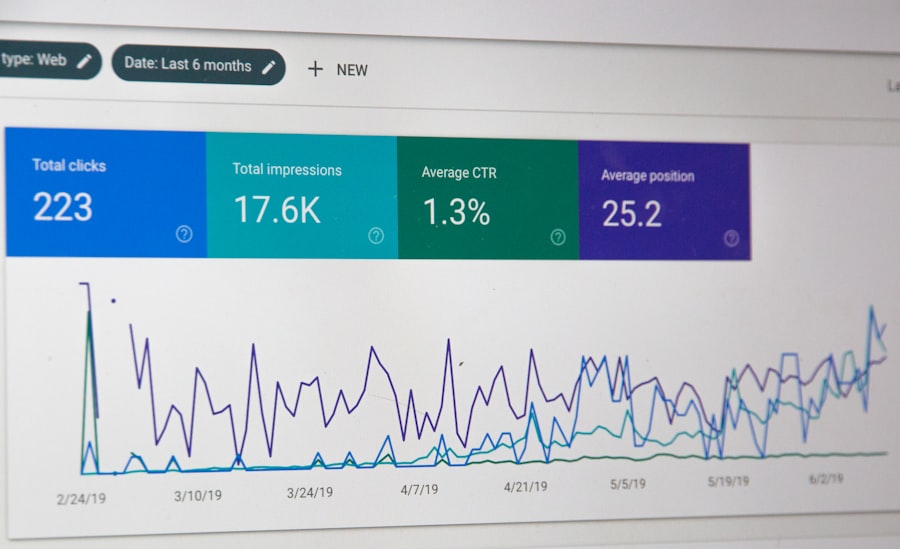
The true magic of real-time reporting isn’t just in seeing the data; it’s in your ability to act on it immediately. This agile approach to campaign management can significantly improve your results and maximize your budget.
Identifying and Addressing Underperformance Instantly
One of the most valuable aspects of real-time reporting is its ability to flag underperforming elements before they drain your budget. You’re not waiting until the end of the week to realize a specific ad set is failing; you know within hours, sometimes minutes.
Pausing Ineffective Ads or Keywords
Imagine you’re running a paid search campaign. With real-time data, you notice a specific keyword is generating clicks but no conversions, and your CPC for that keyword is steadily climbing. You can immediately pause that keyword, preventing further wasted ad spend. The same applies to ad creatives that are simply not resonating with your audience. You can stop showing them and allocate budget to better-performing variants.
Adjusting Bids and Budgets on the Fly
Real-time insights allow you to dynamically manage your bids and budgets. If you see a particular ad group is generating an exceptionally high ROAS, you can increase its budget to capitalize on that success. Conversely, if an ad group is underperforming against your CPA targets, you can reduce its bids or reallocate its budget elsewhere. This continuous optimization ensures your money is always working as hard as possible for you.
Refining Audience Targeting
Your real-time data might reveal that a specific demographic or interest group you’re targeting isn’t converting as expected. Perhaps your initial assumptions were off. With real-time reporting, you can swiftly adjust your audience segments, exclude underperforming groups, or refine your targeting parameters to focus on those who are more likely to convert. This precision targeting saves you money and improves the quality of your leads or sales.
Doubling Down on What’s Working
Just as you identify what’s not working, real-time reporting empowers you to quickly amplify what is working. This proactive approach allows you to capitalize on opportunities as they arise.
Scaling Successful Campaigns and Creatives
When you see an ad creative, a landing page, or even an entire campaign segment hitting it out of the park – generating high engagement and conversions at an excellent cost – real-time reporting gives you the confidence to scale up. You can increase budget, expand its reach, or replicate its successful elements into new campaigns, all while the momentum is strong.
Exploiting Trending Topics or Events
Sometimes, external factors can create unexpected opportunities. A news event, a social media trend, or a sudden surge in interest for a particular product can all be capitalized upon with real-time reporting. If you see a spike in searches or mentions related to a topic you can align with, you can quickly launch or adapt campaigns to tap into that immediate interest, often with significant gains.
A/B Testing and Iteration in Real-Time
Real-time reporting transforms A/B testing from a slow, painstaking process into a rapid iteration cycle. You can launch multiple versions of an ad, a headline, or a call-to-action and see which performs best almost immediately. Once a winner emerges, you can pause the losing variants and allocate budget to the superior one, constantly refining your messaging and maximizing your impact. This constant experimentation, fueled by immediate feedback, is a hallmark of high-performing marketing teams.
The Technological Toolkit: Essential Tools for Real-Time Reporting
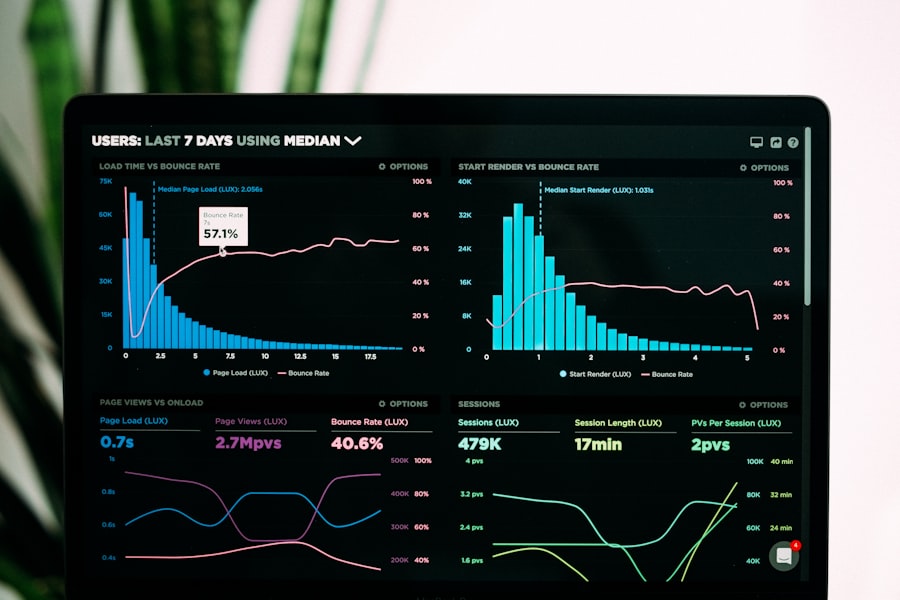
To truly leverage real-time reporting, you need the right set of tools. The good news is that many modern marketing platforms offer robust real-time capabilities, and dedicated analytics solutions can bring everything together.
Native Platform Analytics: Your First Line of Defense
Most advertising platforms and social media channels now offer some form of real-time or near real-time analytics. These are your immediate go-to sources for understanding performance within that specific channel.
Google Analytics 4 (GA4) Realtime Reports
GA4’s real-time report is a powerful window into live user activity on your website or app. You can see how many users are currently active, which pages they’re viewing, where they’re coming from, and even the conversion events they’re triggering as they happen. This is invaluable for tracking the immediate impact of a new campaign launch, a content push, or even a technical change to your site.
Ad Platform Dashboards (Google Ads, Facebook Ads Manager)
Platforms like Google Ads and Facebook Ads Manager provide real-time dashboards that show impressions, clicks, cost, and even conversions with minimal delay. You can monitor campaign spend, identify sudden shifts in performance, and make quick adjustments to bids, budgets, or ad statuses without having to export data or wait for reports to process.
Social Media Insights (LinkedIn, Twitter, Instagram)
For social campaigns, each platform offers its own analytics, often with real-time views of engagement metrics. You can see how many people are seeing your posts, interacting with them (likes, comments, shares), and how quickly your reach is growing. This is vital for community management and responding to trending conversations.
Aggregated Dashboards: A Unified View of Performance
While native platform analytics are essential, you ultimately need a single pane of glass that brings all your campaign data together. This is where aggregated dashboards shine.
Data Visualization Tools (Looker Studio, Tableau, Power BI)
Tools like Looker Studio (formerly Google Data Studio), Tableau, and Microsoft Power BI allow you to connect to various data sources (Google Analytics, ad platforms, CRM, etc.) and create custom, real-time dashboards. You can visualize all your key KPIs in one place, allowing for a holistic view of your marketing ecosystem. These tools enable you to drill down into specific campaigns, compare performance across channels, and quickly spot trends or anomalies.
Marketing Analytics Platforms (Mixpanel, Amplitude)
For more sophisticated real-time event tracking and user behavior analysis, platforms like Mixpanel and Amplitude offer deep insights into user journeys and conversion funnels. These tools are particularly useful for product-led growth companies or those heavily focused on understanding user interaction within an application or website in real-time. You can track individual user sessions, identify friction points, and optimize the user experience on the fly.
The Role of APIs and Custom Integrations
For truly custom and real-time solutions, especially when dealing with proprietary data or unique marketing stacks, APIs (Application Programming Interfaces) and custom integrations become essential.
Building Bespoke Real-Time Reporting Systems
Some organizations with complex needs or specific data requirements might opt to build their own real-time reporting systems using APIs. This allows for complete control over data collection, processing, and visualization, tailored precisely to their unique business logic and reporting needs. This often involves a data engineering team to set up robust data pipelines.
Connecting Disparate Data Sources
APIs enable you to pull data from various platforms that might not have direct integrations with your chosen visualization tools. This ensures that no valuable data source is left out of your real-time reporting ecosystem, providing the most comprehensive and accurate picture of your campaign performance.
In exploring the insights provided by real-time reporting on campaign performance, it’s essential to consider how integrating various tools can enhance your marketing strategies. A related article discusses the benefits of utilizing the Smartmails API key to unlock the full potential of your martech stack, which can significantly improve your campaign’s effectiveness. For more information, you can read the article here. This integration allows marketers to streamline their processes and make data-driven decisions that lead to better outcomes.
The Future is Now: Embracing Real-Time for Sustainable Growth
| Campaign | Impressions | Clicks | Conversions | CTR | Conversion Rate |
|---|---|---|---|---|---|
| Campaign A | 10,000 | 500 | 50 | 5% | 10% |
| Campaign B | 8,000 | 400 | 40 | 5% | 10% |
| Campaign C | 12,000 | 600 | 60 | 5% | 10% |
You’ve seen the definition, the key metrics, the actionable insights, and the essential tools. Now, it’s about making real-time reporting a core component of your marketing strategy. This isn’t just a trendy buzzword; it’s a fundamental shift in how you approach campaign management, leading to more efficient spending, stronger performance, and ultimately, sustainable growth.
Cultivating a Culture of Agility and Responsiveness
Implementing real-time reporting isn’t just about technology; it’s about fostering a culture of agility within your marketing team. You’re empowering your team to be responsive, to experiment, and to optimize continuously. This means moving away from a “set it and forget it” mentality and embracing a dynamic, iterative approach to marketing.
Empowering Your Team with Immediate Insights
When your team has immediate access to performance data, they feel more ownership and are better equipped to make informed decisions. They can quickly identify problems and opportunities, leading to more proactive problem-solving and innovative solutions. This boosts morale and enhances productivity.
Faster Decision-Making Cycles
Real-time reporting dramatically shortens your decision-making cycles. Instead of waiting days or weeks for data to be compiled, you can make crucial adjustments within hours, or even minutes. This speed is a significant competitive advantage in today’s fast-moving digital landscape.
Overcoming Challenges and Ensuring Data Integrity
While the benefits are clear, there are challenges to navigate. Ensuring data integrity and avoiding analysis paralysis are critical.
Data Accuracy and Consistency
The quality of your real-time insights is only as good as the data flowing into your system. You need to ensure consistent tracking, proper attribution, and accurate data collection across all your platforms. Regular audits of your tracking setup are essential to maintain data integrity.
Avoiding Information Overload
With so much data available in real-time, it’s easy to get overwhelmed. Focus on your most critical KPIs and create dashboards that are clean, intuitive, and actionable. Don’t try to track everything; focus on what truly drives your business objectives.
The Human Element: Interpretation and Action
Remember, real-time reporting is a tool, not a replacement for human intelligence. Your team’s ability to interpret the data, understand the “why” behind the trends, and formulate effective strategies remains paramount. The technology provides the insights; your expertise provides the action.
By fully embracing real-time reporting, you’re not just observing your campaigns; you’re actively shaping their success. You’re moving from being a reactive marketer to a proactive strategist, armed with the immediate knowledge needed to navigate the digital world and achieve your marketing goals with unparalleled precision and efficiency. The future of marketing is now, and it’s being reported in real-time.
FAQs
What is real time reporting?
Real time reporting is the process of collecting and analyzing data as it happens, allowing for immediate insights and decision-making.
How does real time reporting show campaign performance?
Real time reporting provides up-to-the-minute data on key performance indicators such as website traffic, social media engagement, and ad click-through rates, allowing marketers to see how their campaigns are performing in real time.
What are the benefits of using real time reporting for campaign performance?
Real time reporting allows marketers to quickly identify what is working and what isn’t, enabling them to make immediate adjustments to their campaigns for better results. It also provides a more accurate and current understanding of campaign performance.
What are some common metrics tracked in real time reporting for campaign performance?
Common metrics tracked in real time reporting for campaign performance include website traffic, conversion rates, bounce rates, social media engagement, ad impressions, and click-through rates.
How can real time reporting help improve campaign performance?
Real time reporting allows marketers to identify trends and patterns as they happen, enabling them to make data-driven decisions and optimize their campaigns for better performance. It also helps in quickly identifying and addressing any issues that may arise during the campaign.