


Laying the Groundwork for Enduring Engagement
You know the feeling: you’ve meticulously crafted an email, poured over the subject line, and hit send. Then, silence. Or worse, a flurry of unsubscribes. The truth is, building email campaigns that consistently bring subscribers back isn’t about one-off brilliance; it’s about establishing a robust foundation rooted in understanding your audience, defining clear objectives, and meticulously segmenting your lists. Without these fundamental elements in place, even the most beautifully designed emails will struggle to resonate. Think of it like building a house: you wouldn’t start framing the walls without pouring a solid foundation, would you? The same principle applies to your email marketing efforts. Before you even think about writing a single line of copy or designing a template, you need to dedicate significant time and effort to these preliminary steps. This initial investment pays dividends in the long run, ensuring that your campaigns are not just sent, but genuinely received and acted upon, fostering a loyal and engaged subscriber base.
Understanding Your Audience Deeply
Your subscribers aren’t just email addresses; they’re individuals with unique needs, desires, and pain points. To truly connect with them and keep them coming back, you must move beyond surface-level demographics and delve into their psychographics. What are their motivations? What challenges do they face that your product or service can solve? What are their aspirations? Conduct surveys, analyze website behavior, review customer service interactions, and even directly engage with your audience on social media or in forums. The more you understand their inner world, the better equipped you’ll be to craft messages that genuinely resonate. This deep understanding informs everything from the tone of your emails to the specific offers you present, making each communication feel less like a mass broadcast and more like a personal conversation.
Defining Clear Campaign Objectives
What do you want your subscribers to do after opening your email? Without clear objectives, your campaigns will lack direction and you’ll have no way to measure their effectiveness. Are you aiming for increased website traffic, higher product sales, more content downloads, or simply better brand engagement? Each objective requires a different approach to your email content, call to action (CTA), and even the timing of your sends. For instance, if your goal is to drive sales, your emails might feature product highlights, customer testimonials, and direct links to purchase pages. If your aim is brand awareness, you might share valuable blog posts, informative videos, or behind-the-scenes glimpses of your company culture. Clearly articulated objectives serve as your North Star, guiding every decision you make throughout the campaign development process and allowing you to track your progress effectively.
Segmenting Your Subscriber List Strategically
Sending the same email to every subscriber on your list is a surefire way to diminish engagement. Your audience is diverse, and their interests and needs vary significantly. This is where segmentation becomes your secret weapon. By dividing your subscribers into smaller, more homogeneous groups based on shared characteristics, behaviors, or preferences, you can tailor your messaging to be far more relevant and impactful. Common segmentation criteria include demographics (age, location), psychographics (interests, values), past purchase history, engagement levels (open rates, click-through rates), website activity (pages visited, abandoned carts), and even how they initially joined your list. The more granular your segmentation, the more personalized and effective your emails will be, increasing the likelihood that subscribers will open, read, and act on your messages, thus fostering a sense of being truly understood and valued.
If you’re looking to enhance your email marketing strategy, you might find the article on fixing broken emails particularly useful. It provides tested templates for beautiful designs that can significantly improve the visual appeal of your campaigns. By implementing these design strategies, you can create more engaging emails that keep subscribers coming back. For more insights, check out the article here: Fixing Broken Emails: Tested Templates for Beautiful Designs.
Crafting Compelling Content and Design

Once your foundation is solid, your attention shifts to the heart of your email campaigns: the content and design. This is where you transform your audience insights and objectives into engaging messages that not only capture attention but also inspire action. In a crowded inbox, standing out isn’t just a goal; it’s a necessity. Your emails need to be visually appealing, easy to consume, and deliver tangible value to your subscribers. Remember, every email you send is an opportunity to strengthen your relationship with your audience, reinforcing why they chose to subscribe in the first place. This means moving beyond generic promotional blasts and embracing a strategy that prioritizes relevance, clarity, and an enjoyable user experience.
Writing Irresistible Subject Lines and Preheaders
Your subject line and preheader text are the gatekeepers to your email’s content. In a world of overflowing inboxes, they are your first and often only chance to make an impression. A compelling subject line sparks curiosity, highlights value, or creates urgency, enticing subscribers to click. Avoid spammy phrases, all caps, and excessive punctuation. Instead, focus on being concise, clear, and intriguing. Personalization, where appropriate, can significantly boost open rates. The preheader text, that short snippet of text visible next to or below the subject line, is equally important. It acts as a supporting act, providing additional context or a stronger hook. Don’t let it be a forgotten default; craft it carefully to complement your subject line and further encourage opens. Together, these two elements are your powerful one-two punch for getting your message seen.
Designing Visually Engaging Templates
Humans are visual creatures, and an aesthetically pleasing email template can significantly impact how your message is received. Your design should be clean, professional, and consistent with your brand identity. Use a clear hierarchy to guide the reader’s eye, ensuring that key information and calls to action stand out. Employ high-quality images and videos that enhance your message, but be mindful of file sizes to avoid slow loading times. Whitespace is your friend; it prevents your emails from looking cluttered and makes them easier to read. Most importantly, ensure your templates are fully responsive, meaning they adapt seamlessly to various screen sizes, from desktop computers to mobile phones. A frustrating mobile experience is a quick path to disengagement. A well-designed template enhances readability, builds trust, and makes the overall experience of interacting with your brand more enjoyable.
Crafting High-Value Content and CTAs
Every email you send should offer genuine value to your subscribers. This could be in the form of exclusive discounts, insightful information, entertaining stories, helpful tips, or early access to new products. Avoid self-promotional overload; instead, focus on how you can solve problems, enrich lives, or simply brighten your subscribers’ day. Your content should be concise, scannable, and easy to understand. Break up long blocks of text with headings, bullet points, and short paragraphs.
Equally crucial are your calls to action (CTAs). A strong CTA is clear, concise, and tells the subscriber exactly what you want them to do next. Use action-oriented language (“Shop Now,” “Learn More,” “Download Your Guide,” “Claim Your Discount”) and make your CTA buttons visually prominent. Don’t overwhelm your subscribers with too many options; one primary CTA per email is often most effective. Make it easy for them to take the desired next step, removing any friction in the process. Remember, the goal is to provide value that naturally leads to engagement and action.
Implementing Strategic Automation and Personalization

In today’s fast-paced digital landscape, generic, one-size-fits-all emails simply won’t cut it. To truly keep subscribers coming back, you need to leverage the power of automation and personalization. This isn’t just about addressing someone by their first name; it’s about delivering the right message to the right person at the right time, all without manual intervention. Automation frees up your time, while personalization makes your subscribers feel seen, understood, and valued, fostering a much deeper connection with your brand. These two pillars are essential for creating a highly effective and efficient email marketing strategy that drives sustained engagement.
Onboarding Welcome Series
The first impression is everything, and your welcome series is your golden opportunity to make a lasting one. This isn’t just a single email; it’s a carefully orchestrated sequence designed to introduce your brand, set expectations, and guide new subscribers through their initial journey. Typically, a welcome series includes 2-5 emails sent over a few days or weeks. The first email should immediately thank them for subscribing, reconfirm what they can expect, and perhaps offer an initial gift or incentive. Subsequent emails can delve deeper into your brand’s story, highlight key products or services, share valuable resources, or invite them to connect on social media. This automated sequence helps to warm up new subscribers, educate them about your offerings, and encourage early engagement, significantly increasing their likelihood of becoming long-term, loyal customers.
Behavioral Triggered Emails
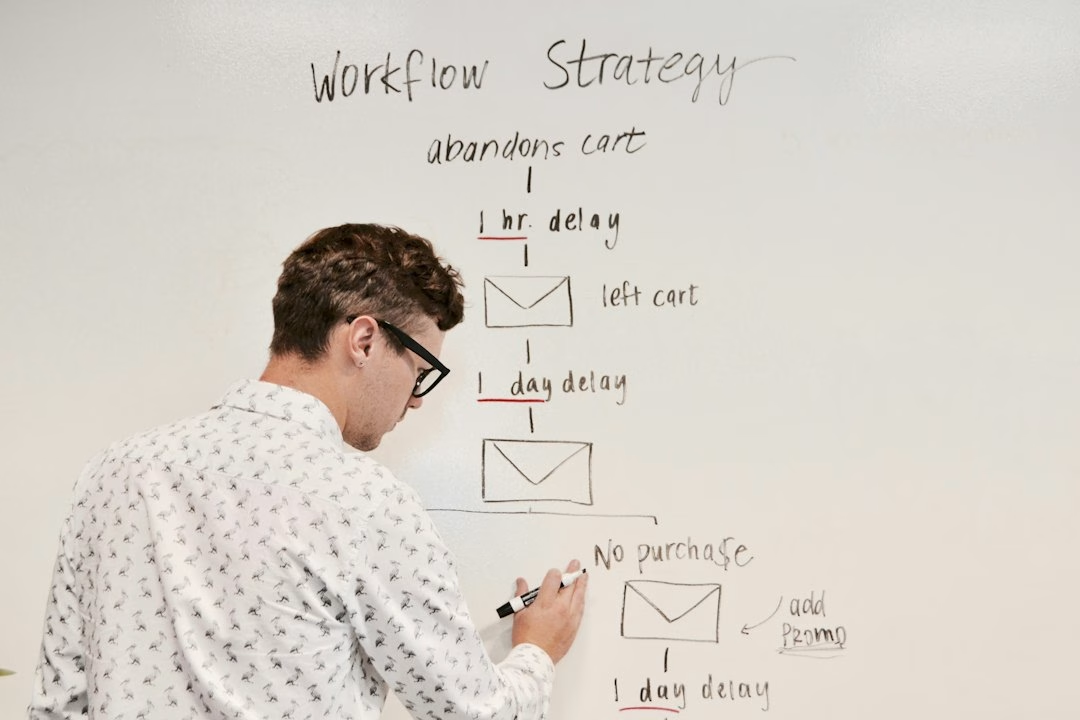
Imagine sending an email to a subscriber precisely when they’re most receptive to hearing from you, based on their actions. That’s the power of behavioral triggered emails. These automated messages are sent in response to specific actions (or inactions) a subscriber takes on your website or with your previous emails. Examples include abandoned cart reminders, browse abandonment emails (when someone views a product but doesn’t add it to their cart), post-purchase follow-ups (thanking them, offering related products, or asking for reviews), re-engagement campaigns for inactive subscribers, or birthday/anniversary emails. Each of these triggers represents a moment of high intent or a specific need, allowing you to deliver a highly relevant and timely message. This level of responsiveness makes your communications feel incredibly personal and greatly increases the chances of conversion and continued engagement.
Dynamic Content and Personalization Tokens
Beyond just using a subscriber’s first name, true personalization involves dynamic content. This means parts of your email automatically change based on the individual subscriber’s data. For instance, you could show product recommendations based on their past purchases or browsing history, display content relevant to their geographical location, or highlight events that align with their stated interests. Personalization tokens allow you to insert specific data points into your email copy, such as their city, last purchase date, or even a custom field like their favorite color. When subscribers receive emails that feel tailor-made for them, they are far more likely to open, read, and engage with your content. It signals that you understand their unique preferences and are committed to providing value that truly resonates with their individual needs and preferences.
Measuring, Analyzing, and Optimizing for Growth
Sending emails is only half the battle. To truly build campaigns that keep subscribers coming back, you must continuously measure your performance, analyze the data, and use those insights to optimize your strategy. Email marketing is an iterative process; what works today might not work tomorrow. By consistently tracking key metrics, identifying trends, and A/B testing different elements, you can refine your approach and ensure your campaigns are always improving, delivering maximum impact and sustained engagement. This data-driven approach takes the guesswork out of your email strategy, allowing you to make informed decisions that directly contribute to your growth.
Key Performance Indicators (KPIs) to Track
To understand the health and effectiveness of your email campaigns, you need to monitor a set of crucial Key Performance Indicators (KPIs). These metrics provide a clear snapshot of how your emails are performing and where there might be opportunities for improvement.
- Open Rate: The percentage of subscribers who open your email. This indicates the effectiveness of your subject line and sender name.
- Click-Through Rate (CTR): The percentage of subscribers who clicked on a link within your email. This measures the effectiveness of your content and calls to action.
- Conversion Rate: The percentage of subscribers who completed a desired action (e.g., made a purchase, downloaded a guide) after clicking through from your email. This is often the ultimate measure of ROI.
- Unsubscribe Rate: The percentage of subscribers who opted out of your emails. A high unsubscribe rate can indicate irrelevant content, too frequent sends, or poor segmentation.
- Bounce Rate: The percentage of emails that couldn’t be delivered. This can be soft bounces (temporary issues) or hard bounces (permanent issues, like an invalid email address), signaling issues with list hygiene.
- Engagement Over Time: Beyond individual campaign metrics, track how engagement trends over weeks or months. Are open rates and CTRs generally increasing or decreasing? This broader view helps you assess the long-term health of your subscriber relationship.
By regularly reviewing these KPIs, you gain actionable insights into what’s working and what needs adjustment, allowing you to fine-tune your campaigns for better results.
A/B Testing Email Elements
Even with the best intentions, it’s impossible to know with absolute certainty what will resonate most with your audience. That’s where A/B testing comes in. This scientific approach allows you to test two different versions of an email element (A and B) with a subset of your audience to see which performs better. You might test:
- Subject Lines: Different phrasing, emojis, personalization, or length.
- Call to Action (CTA): Different wording, button colors, or placement.
- Email Copy: Short vs. long copy, different tones, or varying value propositions.
- Images/Visuals: Different hero images, number of images, or image types.
- Send Times/Days: Which day of the week or time of day yields the best engagement.
- Sender Name: Your company name vs. a person’s name.
The key is to test one variable at a time to accurately attribute any changes in performance. Once you identify a winning variation, you can then apply that learning to your broader campaigns, continuously optimizing for better results. A/B testing removes assumptions and provides data-backed evidence for your strategic decisions.
Iterative Optimization Based on Insights
Collecting data and running A/B tests are only valuable if you act on the insights derived from them. This is where iterative optimization comes into play. It’s a continuous cycle of:
- Analyze: Review your KPIs and A/B test results. What patterns do you see? What did the data tell you about subscriber behavior?
- Formulate Hypotheses: Based on your analysis, develop theories about why certain elements performed as they did and how they could be improved. For example, “Subscribers aren’t clicking on our CTA because it’s buried at the bottom of a long email.”
- Implement Changes: Based on your hypotheses, make specific adjustments to your campaigns (e.g., move the CTA higher up, rewrite the subject line, adjust the send frequency).
- Test Again: Continue to A/B test your changes to confirm their effectiveness and uncover new opportunities for improvement.
- Refine and Repeat: This process is ongoing. The market changes, your audience evolves, and new technologies emerge. Regularly revisit your data and adapt your strategies to stay ahead.
By embracing this iterative approach, you ensure that your email campaigns are always evolving, improving, and staying relevant to your subscribers, leading to sustained engagement and long-term success.
When crafting effective email campaigns, understanding your audience is crucial to maintaining engagement and preventing subscriber fatigue. A valuable resource on this topic is an article that discusses how smart segmentation can help in preventing mass unsubscribes, which is essential for keeping your email list healthy. You can read more about this strategy in the article on preventing mass unsubscribes. By implementing these techniques, you can ensure that your campaigns resonate with your subscribers and keep them coming back for more.
Fostering Long-Term Subscriber Loyalty and Retention
| Metric | Description | Recommended Value/Goal | Importance |
|---|---|---|---|
| Open Rate | Percentage of subscribers who open the email | 20% – 30% or higher | High – Indicates subject line effectiveness and initial engagement |
| Click-Through Rate (CTR) | Percentage of subscribers who click on links within the email | 2% – 5% or higher | High – Measures content relevance and call-to-action effectiveness |
| Conversion Rate | Percentage of subscribers who complete a desired action after clicking | Varies by campaign goal (e.g., 1% – 3%) | High – Reflects overall campaign success |
| Unsubscribe Rate | Percentage of subscribers who opt out after receiving an email | Less than 0.5% | Medium – Indicates content relevance and frequency appropriateness |
| List Growth Rate | Rate at which your email list is growing | 1% – 3% monthly | Medium – Ensures a healthy and expanding audience |
| Spam Complaint Rate | Percentage of subscribers marking emails as spam | Less than 0.1% | Critical – Affects deliverability and sender reputation |
| Engagement Over Time | Tracking subscriber interaction across multiple campaigns | Consistent or increasing engagement | High – Shows subscriber loyalty and campaign effectiveness |
| Personalization Usage | Percentage of emails using personalized content or subject lines | Above 70% | High – Improves relevance and engagement |
| Send Frequency | Number of emails sent per subscriber per month | 1-4 emails | Medium – Balances engagement without overwhelming subscribers |
Building email campaigns that keep subscribers coming back isn’t just about initial engagement; it’s about cultivating a lasting relationship. You want your subscribers to not only open your emails but to eagerly anticipate them, viewing your communications as a valuable and trusted source. This requires a proactive approach to managing expectations, providing consistent value, and maintaining a healthy email list. By focusing on loyalty and retention, you transform fleeting interactions into enduring connections, ensuring your email marketing efforts contribute significantly to your overall business growth.
Setting Clear Expectations from the Start
Transparency is paramount when building long-term trust. From the moment someone subscribes, be clear about what they can expect. What kind of content will you send? How often will you send it? Will there be exclusive offers, educational content, or updates? Provide this information on your signup forms, in your welcome series, and even in your email footers. Giving subscribers control over their preferences (e.g., email frequency, content categories) through a preference center further empowers them and reduces the likelihood of unsubscribes due to irrelevant content. When expectations are clearly set and consistently met, subscribers feel respected and are more likely to remain engaged.
Providing Consistent Value Beyond Promotions
While promotions have their place, your email strategy shouldn’t solely revolve around sales. To keep subscribers coming back, you must consistently deliver value that extends beyond discounts. Think about how you can educate, entertain, and inform your audience. Share expert tips, provide industry insights, offer helpful tutorials, tell compelling brand stories, or give exclusive behind-the-scenes glimpses. Curate valuable content from other sources that your audience would appreciate. By becoming a trusted resource and a source of genuinely helpful or interesting information, you elevate your brand beyond a mere seller of products or services. This strengthens the relationship and positions your emails as something to look forward to, rather than just another commercial interruption.
Implementing Re-engagement and Sunset Policies
Even with the best strategies, some subscribers will inevitably become inactive. They stop opening your emails, they stop clicking, and they essentially become “cold.” These inactive subscribers can negatively impact your sender reputation and skew your analytics. This is where re-engagement campaigns and sunset policies become crucial.
A re-engagement campaign is an automated sequence designed to win back inactive subscribers. It might offer a special incentive, ask them what kind of content they’d like to receive, or simply remind them of the value you offer. The goal is to reignite their interest and get them interacting with your emails again.
However, if a subscriber remains unresponsive after a re-engagement effort, it’s time to implement a sunset policy. This involves gracefully removing chronically inactive subscribers from your list. While it might seem counterintuitive to reduce your list size, it’s vital for maintaining a healthy and engaged audience. Sending to unengaged subscribers can harm your deliverability, leading to your emails ending up in spam folders for everyone. A sunset policy ensures that your email list is composed of genuinely interested individuals, optimizing your campaign performance and protecting your sender reputation in the long run. It’s about quality over quantity, fostering a vibrant and responsive community around your brand.
FAQs
What are the key components of a successful email campaign?
A successful email campaign typically includes a clear objective, a targeted audience, engaging content, a compelling subject line, and a strong call to action. Additionally, it should be visually appealing and optimized for mobile devices to enhance user experience.
How can I segment my email list effectively?
Segmentation can be achieved by categorizing your subscribers based on demographics, behavior, purchase history, or engagement levels. This allows you to tailor your messages to specific groups, increasing relevance and improving open and click-through rates.
What types of content should I include in my email campaigns?
Content can vary widely but should generally include informative articles, product updates, promotional offers, customer testimonials, and personalized recommendations. Including a mix of educational and entertaining content can also keep subscribers engaged.
How often should I send email campaigns to my subscribers?
The frequency of email campaigns depends on your audience and the type of content you provide. A common practice is to send emails weekly or bi-weekly, but it’s essential to monitor engagement metrics and adjust your schedule based on subscriber feedback and behavior.
What metrics should I track to measure the success of my email campaigns?
Key metrics to track include open rates, click-through rates, conversion rates, unsubscribe rates, and overall engagement levels. Analyzing these metrics helps you understand what works, allowing you to refine your strategies for future campaigns.