


Understanding the Evolving Landscape for Black Friday 2026
As you cast your gaze towards Black Friday 2026, it’s crucial to acknowledge that the landscape of email marketing isn’t static. What worked last year, or even last quarter, might not yield the same stellar results in the fiercely competitive holiday shopping season of the future. You’re not just competing for inbox space; you’re vying for attention in an increasingly noisy digital world where consumers are savvier, more discerning, and constantly bombarded with information. The post-pandemic consumer behavior shifts have solidified, with a greater emphasis on value, convenience, and a personalized experience. You’ll find that early bird promotions and extended sales periods have become the norm, blurring the traditional Black Friday “doorbuster” approach into a weeks-long shopping marathon. Your strategies must reflect this extended timeline and the need for sustained engagement, rather than a single-day sprint. Furthermore, the rise of Gen Z as a significant buying power means you’ll need to adapt your messaging and channel preferences to resonate with a demographic that values authenticity, social proof, and seamless mobile experiences. Ignoring these demographic shifts or clinging to outdated email tactics will simply leave you behind.
The Rise of AI in Personalization and Automation
In 2026, artificial intelligence isn’t just a buzzword; it’s an indispensable tool in your Black Friday email marketing arsenal. You’ll discover that AI-powered algorithms are no longer just recommending products based on past purchases; they’re analyzing browsing behavior, predicting future needs, and even crafting subject lines and email body copy that are most likely to resonate with individual subscribers. This hyper-personalization goes far beyond simply inserting a first name. You’ll be able to segment your audience with unprecedented precision, sending highly targeted messages that address specific pain points or desires. For instance, AI can identify subscribers who’ve abandoned carts with high-value items and trigger a personalized reminder with a limited-time discount, significantly improving conversion rates. Automation, powered by AI, means you can set up intricate email sequences that automatically adapt based on subscriber actions. Imagine a scenario where a subscriber opens an email but doesn’t click a link. AI can then trigger a follow-up email with different creative or a slightly modified offer, all without manual intervention. This level of sophisticated automation frees up your team to focus on higher-level strategy and creative development, knowing that your email campaigns are running optimally in the background.
Adapting to Privacy Regulations and Trust Building
The privacy landscape continues to evolve, and by 2026, you can expect even stricter regulations and increased consumer awareness regarding data usage. Building trust will be paramount. You need to be transparent about how you collect and use subscriber data, ensuring that your practices are not only compliant with regulations like GDPR and CCPA but also align with consumer expectations of privacy. This means clearly stating your privacy policy, offering granular control over communication preferences, and making it easy for subscribers to unsubscribe if they choose. A “set it and forget it” approach to opt-in consent will no longer suffice. You’ll need to implement double opt-in processes and regularly audit your subscriber lists to ensure consent is actively maintained. Furthermore, consumers are increasingly wary of brands that engage in overly aggressive or intrusive marketing tactics. Your email frequency, content, and tone should reflect a respectful approach to their inbox. Think about building a relationship, not just making a sale. Trust, once lost, is incredibly difficult to regain, and in a competitive Black Friday environment, it can be the deciding factor between a purchase and an unsubscribe.
As businesses prepare for the competitive landscape of Black Friday in 2026, implementing effective email marketing strategies is crucial for maximizing holiday sales. A related article that delves into enhancing conversion rates through A/B testing is available at this link: The Post-Click A/B Test: Optimizing for Conversions. This resource provides valuable insights on how to refine your email campaigns to ensure they not only attract attention but also drive significant sales during the holiday season.
Crafting Irresistible Pre-Black Friday Engagement Campaigns
The notion that Black Friday starts on Thanksgiving weekend is long outdated. By 2026, you’ll find that the “Black Friday season” commences much earlier, often in early November or even late October. Your pre-Black Friday engagement campaigns are crucial for building anticipation, warming up your audience, and segmenting them for hyper-targeted promotions when the main event arrives. Don’t wait until the last minute to start communicating with your subscribers. Think of this period as your opportunity to lay the groundwork for a successful sales surge, educating your audience about upcoming deals, showcasing product features, and even running smaller, exclusive promotions to test the waters and gather valuable data. You want to create a sense of excitement and urgency without giving away all your best deals too soon. This careful balance will ensure that your subscribers remain engaged and eager for what’s to come, rather than feeling overwhelmed or fatigued before the peak shopping days.
Teaser Campaigns and Early Access Sign-ups
To ignite that initial spark of interest, consider launching a series of teaser campaigns well in advance of Black Friday. These emails shouldn’t reveal all your cards but should hint at the incredible deals and products that will be available. You could use countdown timers, intriguing imagery, or cryptic messages that pique curiosity. The goal is to get subscribers thinking about your brand and what you’ll be offering. A highly effective strategy is to create an exclusive early access sign-up list. Promote this opportunity across all your channels – social media, website banners, and, of course, your regular email newsletters. Offer a compelling incentive for joining, such as early access to the best deals, an exclusive discount code for future purchases, or even a sneak peek at product releases. This not only builds a highly engaged segment of your audience but also gives you a dedicated channel to communicate your most lucrative offers directly to your most interested customers, bypassing some of the general inbox noise. Remember, these early adopters are your superfans; treat them as such.
Curated Gift Guides and Product Spotlights
Another powerful pre-Black Friday tactic is to shift your focus from explicit sales pitches to providing value through curated gift guides and product spotlights. In 2026, consumers are looking for inspiration and guidance, especially during the overwhelming holiday shopping period. You can leverage your customer data and AI insights to create personalized gift guides tailored to different demographics, interests, or price points. Think “Gifts for the Tech Enthusiast,” “Sustainable Gifts Under $50,” or “Holiday Must-Haves for New Parents.” These emails are less about immediate conversion and more about fostering a helpful, authoritative image for your brand. Similarly, use product spotlights to highlight specific items that you anticipate will be top sellers during Black Friday. Detail their features, benefits, and unique selling propositions. You can even include customer testimonials or user-generated content to build social proof. The aim here is to educate your audience, address potential objections, and get them thinking about specific products they might want to purchase when the sales officially begin. By providing valuable content, you’re not just selling; you’re building a relationship.
Maximizing Conversions During the Black Friday Weekend
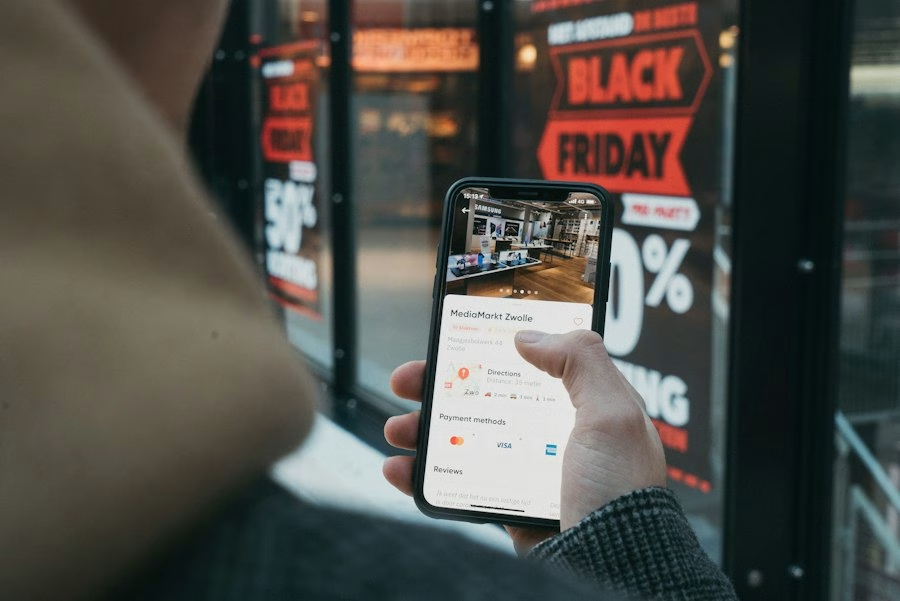
When Black Friday 2026 finally arrives, your email marketing efforts need to be finely tuned for maximum conversion. This is your moment to shine, and your email strategy must be assertive, clear, and strategically timed. You’ll be sending multiple emails throughout the weekend, so striking the right balance between urgency and overwhelming your subscribers is key. Your subject lines need to scream “don’t miss out,” and your calls to action (CTAs) must be unambiguous and prominent. Remember that mobile responsiveness is non-negotiable; a significant portion of your audience will be checking emails and making purchases on their smartphones. Ensure your emails load quickly, are easy to navigate, and that the checkout process is seamless across all devices. This period isn’t just about sending out deals; it’s about guiding your customers effortlessly from their inbox to a completed purchase.
Dynamic Segmentation and Real-time Offers
In 2026, relying on static segments for your Black Friday emails will put you at a disadvantage. You need to implement dynamic segmentation that adapts in real-time based on subscriber behavior. For example, if a subscriber opens an email about a specific product category but doesn’t make a purchase, they should automatically be moved into a segment that receives a follow-up email with a more aggressive offer for that particular category. Conversely, if a subscriber makes a purchase, they should be excluded from further “buy now” emails for the same product, and instead, be nudged towards complementary items or future loyalty programs. Real-time offers, powered by AI, can also play a significant role. Imagine a scenario where inventory for a popular item is running low. Your system can automatically trigger an email to interested subscribers, notifying them of the limited stock and creating an immediate sense of urgency. This level of agility allows you to respond to shifting demand and optimize your conversion rates on the fly.
Urgency, Scarcity, and Fear of Missing Out (FOMO)
These psychological triggers remain incredibly potent for Black Friday 2026, but you need to deploy them ethically and effectively. Authenticity is key. Don’t fabricate scarcity or false deadlines. Instead, leverage genuine limited stock, time-sensitive deals, and popular demand. Clearly communicate the duration of your sales (e.g., “Deal ends tonight at midnight!”) and highlight the limited quantities of popular items. Countdown timers within your emails are an excellent visual representation of urgency, pushing subscribers to act quickly. Employ FOMO by showcasing popular products that are selling fast or by highlighting positive customer reviews for items that are nearly sold out. Use phrases like “Only X left!” or “Selling fast!” to create a sense of immediate action. You can also send “last chance” emails a few hours before a sale ends, reminding subscribers of the expiring deals. However, be mindful of overdoing it; too many “last chance” emails can desensitize your audience. The goal is to create a legitimate incentive to purchase now, not to manipulate.
Seamless Mobile Experience and Express Checkout
A significant portion of your Black Friday 2026 sales will undoubtedly come from mobile devices. Your emails must be designed with a “mobile-first” approach. This means clean, concise layouts, large and tappable buttons, clear calls to action, and images that load quickly without consuming excessive data. Test your emails rigorously across various mobile devices and email clients to ensure a flawless user experience. Beyond the email itself, the entire purchase journey must be optimized for mobile. If your email links to a product page, that page needs to be fully responsive and load instantly. Even more critically, the checkout process needs to be as streamlined as possible. Implement express checkout options like Apple Pay, Google Pay, or Shop Pay, allowing customers to complete their purchase with minimal clicks and data entry. The slightest friction in the mobile checkout process can lead to abandoned carts and lost sales. Remember, every second counts when your customers are in a buying mood.
Post-Black Friday Retention and Loyalty Building
While the immediate focus of Black Friday is on sales, your vision for 2026 must extend beyond the transactional. The days immediately following Black Friday, often encompassing Cyber Monday and Cyber Week, are equally critical for nurturing customer relationships and building long-term loyalty. This isn’t just about clearing leftover inventory; it’s about solidifying the connection you’ve established with your new customers and reaffirming the value you offer to existing ones. Neglecting post-purchase engagement is a missed opportunity to turn one-time buyers into repeat customers and brand advocates. Your post-Black Friday strategy should be less about aggressive selling and more about providing value, thanking customers, and setting the stage for future interactions.
Thank You Emails and Order Confirmations
The first and most immediate post-purchase communication should be a heartfelt “thank you” email and a comprehensive order confirmation. This isn’t merely a formality; it’s a crucial touchpoint for solidifying the customer relationship. Your thank you email can go beyond a simple confirmation. Express genuine gratitude for their purchase, perhaps offer a small, exclusive discount on their next order, or even share a link to relevant product care guides or usage tips. The order confirmation itself needs to be clear, concise, and contain all necessary information: itemized list of products, total cost, shipping address, estimated delivery date, and tracking information. Providing clear tracking details reduces customer service inquiries and builds confidence. You might also include links to your customer service portal or FAQs to proactively address any potential questions. A positive post-purchase experience is paramount for encouraging repeat business, and these initial emails set the tone.
Loyalty Program Onboarding and Follow-up Offers
Black Friday is an excellent opportunity to acquire new customers. Your post-purchase strategy should include a concerted effort to convert these new buyers into loyal, long-term customers. Immediately following their purchase, segment new customers and send them a dedicated email introducing your loyalty program. Clearly articulate the benefits of joining – exclusive discounts, early access to new products, birthday rewards, or points for every purchase. Make the sign-up process as seamless as possible. For existing loyalty program members who made a Black Friday purchase, send personalized follow-up offers based on their recent purchases and historical data. For instance, if they bought a specific item, suggest complementary products or accessories. If they haven’t redeemed loyalty points in a while, send a reminder. These targeted offers demonstrate that you understand their preferences and value their continued business.
Collecting Feedback and Encouraging Reviews
Customer feedback is invaluable, and the period immediately after Black Friday is an ideal time to solicit it. Send follow-up emails requesting product reviews and feedback on their shopping experience. Make it easy for them to leave a review by providing direct links to product pages or a simple survey tool. Consider offering a small incentive for completing a review, such as a chance to win a gift card or a discount on their next purchase. Positive reviews build social proof and can significantly influence future purchasing decisions. Even negative feedback, while challenging, provides crucial insights into areas for improvement. Respond to both positive and negative reviews thoughtfully and professionally. This demonstrates that you value your customers’ opinions and are committed to providing an excellent experience. Remember, customer-generated content is incredibly powerful; encourage it actively.
As businesses prepare for the competitive landscape of Black Friday email marketing strategies for the 2026 holiday sales, it’s essential to explore innovative approaches that can set your campaigns apart. One insightful resource that can help you enhance your email design is an article on transforming pre-designed templates into branded masterpieces. You can read more about this creative process in the article found here. By leveraging these techniques, you can ensure your emails not only capture attention but also resonate with your brand identity during the crucial holiday shopping season.
Embracing Advanced Technologies and Future Trends
| Strategy | Key Metric | Expected Performance | Notes |
|---|---|---|---|
| Personalized Subject Lines | Open Rate | 30-40% | Higher open rates due to relevance and urgency |
| Segmented Email Lists | Click-Through Rate (CTR) | 15-25% | Improved engagement by targeting specific customer groups |
| Early Access Offers | Conversion Rate | 10-15% | Encourages early purchases and builds anticipation |
| Mobile-Optimized Emails | Mobile Open Rate | 50-60% | Majority of users check emails on mobile devices |
| Countdown Timers | Urgency Impact on CTR | Increase by 5-10% | Creates urgency to boost clicks and conversions |
| Abandoned Cart Reminders | Recovery Rate | 8-12% | Recovers potential lost sales during Black Friday |
| Exclusive VIP Deals | Repeat Purchase Rate | 20-30% | Encourages loyalty and repeat buying |
| Interactive Content (Polls, GIFs) | Engagement Rate | 25-35% | Boosts user interaction and brand recall |
Looking ahead to Black Friday 2026, your email marketing strategy cannot afford to be stagnant. You must proactively embrace advanced technologies and anticipate future trends to stay ahead of the curve. The digital landscape is constantly evolving, and what constitutes a “cutting-edge” approach today will be standard practice tomorrow. This means continuous learning, experimentation, and a willingness to invest in tools and platforms that empower more sophisticated and personalized communication. Don’t be afraid to test new formats or integrate emerging technologies that enhance the subscriber experience. The brands that are adaptable and forward-thinking will be the ones that capture the largest share of voice and wallet during the fiercely competitive holiday season.
Interactive Email Elements (AMP for Email)
By 2026, interactive email elements will be more prevalent and expected by discerning subscribers. Accelerated Mobile Pages (AMP) for Email allows you to embed dynamic content directly within your emails, transforming them from static messages into interactive experiences. Imagine allowing subscribers to browse product carousels, add items to their cart, fill out forms, or even participate in quizzes directly within the email itself, without ever having to leave their inbox. This significantly reduces friction and enhances the user experience, leading to higher engagement rates and potentially higher conversions. While adoption has been gradual, the benefits of AMP for Email during a high-stakes period like Black Friday are undeniable. Start experimenting with these interactive features now to gain an advantage and offer a truly unique experience that sets your emails apart from the competition.
Leveraging AI for Predictive Analytics and Content Generation
As touched upon earlier, AI’s role will only expand. Beyond personalization, you’ll be leveraging AI for predictive analytics to forecast demand for specific products, anticipate customer churn, and identify emerging trends that can inform your Black Friday offers. Imagine AI analyzing historical sales data, social media sentiment, and external economic indicators to predict which products will be hot sellers, allowing you to optimize inventory and marketing spend. Furthermore, AI will become increasingly sophisticated in content generation. While human creativity remains vital, AI can assist in generating multiple variations of subject lines, email body copy, and even call-to-action buttons, testing them automatically and identifying the most effective permutations. This level of data-driven optimization ensures that every element of your email is working as hard as possible to achieve your Black Friday goals.
The Role of SMS and Push Notifications in a Multi-Channel Approach
While email remains a cornerstone, a truly effective Black Friday 2026 strategy will embrace a multi-channel approach that includes SMS and push notifications. These channels offer immediate, highly direct communication that can cut through the noise of crowded inboxes. SMS can be particularly effective for urgent, time-sensitive offers, last-minute reminders, or to confirm crucial order details. Push notifications, delivered directly to a user’s device, can alert them to new deals, abandoned cart reminders, or price drops on wish-listed items. However, use these channels judiciously. Over-saturating customers with too many messages across multiple channels can lead to annoyance and unsubscribes. The key is strategic integration: use email for richer content and detailed offers, SMS for urgent alerts, and push notifications for quick, timely updates. Segment your audience carefully and obtain explicit consent for each channel, ensuring that your multi-channel strategy enhances the customer experience rather than detracting from it.
FAQs
What are effective email marketing strategies for Black Friday 2026?
Effective email marketing strategies for Black Friday 2026 include segmenting your audience for personalized offers, creating urgency with limited-time promotions, utilizing eye-catching visuals and compelling subject lines, and optimizing emails for mobile devices. Additionally, incorporating countdown timers and exclusive discounts can enhance engagement and drive conversions.
How can businesses increase their email open rates during Black Friday?
To increase email open rates during Black Friday, businesses should focus on crafting attention-grabbing subject lines, personalizing emails with the recipient’s name, and sending emails at optimal times based on audience behavior. A/B testing different subject lines and sending times can also help identify what resonates best with your audience.
What role does mobile optimization play in Black Friday email marketing?
Mobile optimization is crucial for Black Friday email marketing as a significant portion of consumers check their emails on mobile devices. Ensuring that emails are responsive, with easily clickable buttons and concise content, can enhance user experience and increase the likelihood of conversions. A mobile-friendly design can lead to higher engagement rates and sales.
How can businesses measure the success of their Black Friday email campaigns?
Businesses can measure the success of their Black Friday email campaigns by tracking key performance indicators (KPIs) such as open rates, click-through rates (CTR), conversion rates, and revenue generated from email sales. Utilizing analytics tools can provide insights into customer behavior and help refine future email marketing strategies.
What types of content should be included in Black Friday marketing emails?
Black Friday marketing emails should include a mix of promotional content such as exclusive discounts, featured products, and limited-time offers. Additionally, incorporating engaging visuals, customer testimonials, and clear calls-to-action (CTAs) can enhance the effectiveness of the emails. Providing value through tips or guides related to holiday shopping can also attract attention.