



Crafting Your Pre-Countdown Strategy
Before you even think about writing an email, a solid foundation is crucial for a high-converting holiday email countdown campaign. This isn’t just about sending a few messages; it’s about orchestrating a strategic series that builds anticipation and drives action. You need to understand your audience, define your goals, and meticulously plan every step of the journey. Rushing this initial phase often leads to disjointed campaigns and missed opportunities.
Understanding Your Audience and Their Holiday Needs
Your customers are bombarded with holiday marketing messages from every angle. To stand out, you need to speak directly to their needs, desires, and even their anxieties during this busy period. Are they looking for last-minute gifts, unique experiences, or simply the best deals? Your understanding of their typical buying behavior during the holidays, coupled with their previous interactions with your brand, will inform your messaging and offers.
Consider segmenting your audience from the outset. New subscribers might need more introductory information about your brand and products, while loyal customers might respond better to exclusive early access or personalized recommendations. Think about different holiday shoppers: the early bird, the frantic last-minute shopper, the budget-conscious buyer, and the luxury seeker. Each segment may require a slightly different countdown approach to maximize conversions. What problems can your products or services solve for them during the holidays? Frame your offerings in terms of solutions and benefits, not just features.
Defining Clear Campaign Objectives and KPIs
What do you want to achieve with this countdown campaign? Vague goals like “sell more” won’t give you the direction you need. Instead, set specific, measurable, achievable, relevant, and time-bound (SMART) objectives. Do you want to increase overall sales by 20% compared to last year’s holiday period? Are you aiming for a specific number of new customer acquisitions? Or perhaps you’re focused on clearing end-of-year inventory?
Once your objectives are clear, identify the Key Performance Indicators (KPIs) that will help you track your progress. These might include email open rates, click-through rates (CTR), conversion rates (sales generated from email clicks), average order value (AOV), bounce rate, and unsubscribe rate. Monitoring these KPIs throughout your campaign will allow you to make real-time adjustments and optimize for better performance. For a countdown campaign, specifically, tracking the conversion rate of each email in the series, particularly the final urgency-driven emails, will be paramount.
Selecting the Right Offer and Urgency Triggers
The core of any successful countdown campaign is a compelling offer coupled with genuine urgency. What special deal will you present that makes customers want to act now? This could be a percentage discount, a dollar amount off, a buy-one-get-one (BOGO) offer, free shipping, a gift with purchase, or exclusive access to new products. The offer needs to be attractive enough to overcome inertia and competitive enough to stand out.
The urgency trigger is what pushes them over the edge. For a countdown campaign, the primary urgency is time. “Only X days left!” or “Sale ends in X hours!” are classic examples. However, you can combine this with other triggers. Scarcity – “Limited stock available!” – can amplify the urgency. Exclusivity – “Members-only discount” – can also be a powerful motivator. Ensure the urgency is authentic; false urgency can erode trust. If you say the sale ends in 24 hours, it must end in 24 hours. The perceived value of your offer and the credibility of your urgency triggers are directly linked to your conversion rates.
To enhance your holiday email countdown campaign, it’s essential to understand the importance of maintaining a clean email list. A well-segmented and updated list not only improves deliverability but also boosts engagement rates, ensuring that your countdown emails reach the right audience. For more insights on this topic, check out the article on the value of a clean email list: marketer’s suppression guide. This resource provides valuable tips on how to manage your email list effectively, which can significantly impact the success of your marketing efforts during the holiday season.
Structuring Your Countdown Email Sequence
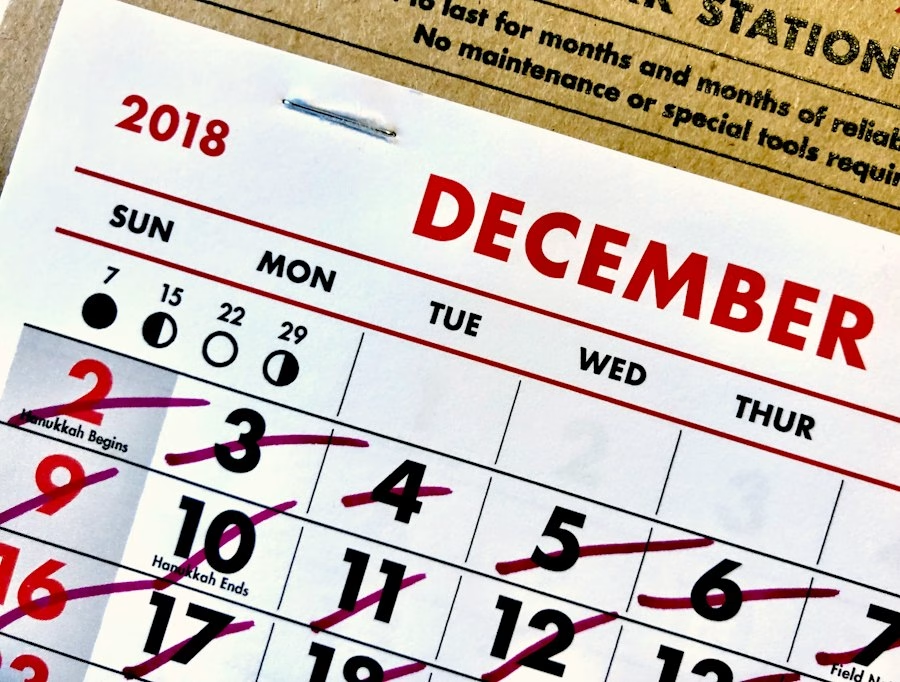
A countdown campaign isn’t just one email; it’s a carefully orchestrated series of messages designed to build anticipation and drive action over a defined period. Each email plays a specific role, guiding your subscribers closer to making a purchase. The structure needs to be logical, progressively increasing urgency while consistently delivering value.
The Anticipation Builder: Initial Announcement
Your first email in the countdown sequence serves to announce the upcoming event or sale. This isn’t about making an immediate sale; it’s about piquing interest and getting your audience excited. Think of it as a “save the date” message. You want to inform them about what’s coming, when it’s happening, and briefly why they should care.
This email should be visually appealing and clearly state the start date and duration of the promotion. You might offer a sneak peek of some products included in the sale or hint at the depth of the discounts. The goal is to create a sense of intrigue and encourage them to look out for subsequent emails. Include a clear call-to-action (CTA) that encourages them to mark their calendars, add to a wishlist, or visit a “coming soon” landing page for more details. This initial email sets the tone and lays the groundwork for the increasing urgency that will follow.
The Value Driver: Mid-Countdown Engagement
As the countdown progresses, your subsequent emails (typically 2-3 in a longer campaign) should focus on driving value and reminding subscribers of the benefits of your offer. This is where you can showcase specific products, highlight customer testimonials, or explain how your products solve common holiday dilemmas. Don’t just repeat “X days left!” over and over; provide new reasons for them to engage.
You can segment these mid-countdown emails further. For example, one email might focus on gift ideas for different family members, another on popular best-sellers, and another on unique or exclusive items. Use engaging visuals, compelling copy, and clear product links. The CTA should encourage browsing, adding items to carts, or exploring specific categories. This phase is crucial for keeping your brand top-of-mind and providing helpful information without being overly salesy, ensuring your list remains engaged as you approach the final days.
The Urgency Amplifier: Final Days and Hours
This is where the true “countdown” aspect comes into full effect. As you approach the final 72, 48, 24, and even last few hours, your emails need to dramatically increase the sense of urgency. The messaging should shift from informative to action-oriented. Each subsequent email should clearly state how much time is remaining, making it impossible to ignore the impending deadline.
Use bold text, countdown timers (if supported by your email platform), and strong, direct language. “Last Chance!” “Don’t Miss Out!” “Sale Ends Tonight!” are all effective headlines. Reiterate the key benefit of the offer one last time. For the absolute final emails, consider sending messages that are very short, punchy, and include a single, clear CTA to buy now. These emails are designed to convert fence-sitters and capitalize on impulse purchases driven by the fear of missing out (FOMO). Remember, the urgency must be genuine to maintain trust.
Designing for Maximum Impact and Conversion

An effective email countdown campaign isn’t just about what you say, but also how you present it. The design, copy, and technical elements all play a critical role in captivating your audience and guiding them towards a purchase. Every element, from the subject line to the final call-to-action, must be optimized for maximum impact and conversion.
Crafting Irresistible Subject Lines
Your subject line is the gatekeeper to your email’s content. Without a compelling subject line, your perfectly crafted email might never be opened. For countdown campaigns, urgency and curiosity are your best friends. Combine elements of time sensitivity with the allure of your offer.
Consider using numbers to indicate urgency: “Only 48 Hours Left!” or “Last Day: 25% Off All Holiday Gifts!” Emojis can also help your email stand out in a crowded inbox, but use them sparingly and strategically (e.g., ⏰ or 🎁). Personalization, such as including the recipient’s name, can also boost open rates. A/B test different subject lines to see what resonates best with your audience. Some effective tactics include:
- Direct Urgency: “Sale Ends Tonight! Don’t Miss Out!”
- Benefit-Oriented Urgency: “Your Last Chance for 30% Off Holiday Must-Haves!”
- Curiosity & Scarcity: “Final Hours: Exclusive Deals Vanish Soon!”
- Question-Based: “Ready for Last-Minute Savings? Sale Ends Today!”
Remember to keep subject lines concise, ideally under 50 characters, especially for mobile users.
Visuals That Convert: Graphics and Gifs
Humans are highly visual creatures. High-quality, engaging visuals can instantly convey your message, showcase your products, and create an emotional connection. For a holiday countdown, consider festive themes that align with your brand.
Use clear, high-resolution product images that highlight features and benefits. Lifestyle shots showing people enjoying your products can be particularly effective during the holiday season. Animated GIFs can be a fantastic tool for countdown campaigns. A GIF of a ticking clock or a countdown timer can visually reinforce the urgency in a dynamic way. Short video clips embedded in your email (if supported, or linked to a landing page) can also grab attention. Ensure your images are optimized for fast loading times, as slow-loading emails can lead to frustration and unsubscribes. The visuals should complement your copy, not replace it, telling a cohesive story that drives home the urgency and value.
Compelling Copy and Strong Call-to-Actions
Even with great visuals, your copy needs to be persuasive, concise, and action-oriented. For countdown campaigns, every word counts. Focus on benefits, not just features. How will your product make their holiday brighter, easier, or more enjoyable?
Use action verbs and create a sense of excitement and exclusivity. Highlight what they stand to gain by acting now and what they stand to lose by delaying. As the countdown progresses, your copy should become increasingly direct and urgent. Avoid jargon and keep sentences relatively short and easy to scan.
Your Call-to-Action (CTA) is arguably the most critical element. It needs to be clear, prominent, and compelling. Use strong action verbs like “Shop Now,” “Get Your Discount,” “Claim Your Deal,” or “Complete Your Purchase.” Make sure the CTA button stands out visually with contrasting colors and is large enough to be easily clicked on both desktop and mobile devices. Don’t bury your CTA; place it strategically where it’s immediately visible. Consider having multiple CTAs throughout a longer email, but always ensure they lead to the same desired action, typically a product page or a dedicated landing page for the sale.
Leveraging Real-Time Countdown Timers
Real-time countdown timers are perhaps the most powerful visual urgency trigger you can include in your emails. These dynamic elements show the exact remaining time down to the second, creating an undeniable sense of immediacy that static text cannot replicate. They visually tick down the remaining hours, minutes, and seconds, making the deadline feel incredibly tangible.
Many email service providers (ESPs) and third-party tools offer integrations for adding live countdown timers to your emails. Ensure the timer is accurate and updates dynamically each time the email is opened. If a subscriber opens the email and the timer shows a different time than before, it severely undermines credibility. Placing the timer prominently at the top of your email, or near the main CTA, can significantly boost conversion rates by reinforcing the fleeting nature of your offer. Test how the timer renders across different email clients and devices to ensure a seamless experience for all your subscribers.
Technical Execution and Optimization
A fantastic strategy and compelling design won’t yield results without flawless technical execution and continuous optimization. From ensuring your emails actually reach the inbox to analyzing performance data, the technical backbone of your campaign is paramount.
Segmentation and Personalization Advanced Tactics
Moving beyond basic segmentation, advanced personalization can dramatically increase the effectiveness of your countdown campaign. Instead of sending the same series to everyone, tailor the content based on past purchase history, browsing behavior, demographic data, or even engagement levels with previous emails.
For example, if a customer previously browsed a specific category (e.g., electronics), your countdown emails can feature those products more prominently. If they abandoned a cart, your “last chance” email could specifically remind them of the items left in their cart and include a direct link to complete the purchase. Personalize product recommendations, subject lines, and even the discount levels for different segments if your strategy allows. Leverage dynamic content blocks in your emails to automatically pull in relevant product images and descriptions for each subscriber. The more personalized your message feels, the more likely it is to resonate and drive a conversion.
A/B Testing Key Campaign Elements
A/B testing is not optional; it’s essential for refining your campaign and maximizing its performance. Don’t assume you know what will work best. Test different elements to identify what truly resonates with your audience.
- Subject Lines: As mentioned, critical for open rates. Test different urgency levels, emojis, and personalization.
- CTAs: Experiment with button text, color, and placement. Does “Shop Now” outperform “Get Your Deal”?
- Email Copy: Test short vs. long copy, different tones, and varied benefit propositions.
- Visuals: Compare emails with static images versus GIFs, or different product hero shots.
- Send Times: Experiment with sending emails at different times of day to see when your audience is most engaged.
- Number of Emails: For a longer countdown, test slightly different frequencies to find the sweet spot between engagement and fatigue.
Run tests on a statistically significant portion of your audience and implement the winning variations for the remainder of your campaign. Continuous A/B testing helps you learn more about your audience and continuously improve future campaigns.
Ensuring Deliverability and Avoiding Spam Filters
Even the most perfect email won’t convert if it never reaches the inbox. Email deliverability is a complex but crucial aspect of any email campaign. A high spam rate can severely damage your sender reputation, impacting all future email efforts.
- Clean Your List: Regularly remove inactive subscribers, bounced emails, and unsubscribed addresses. Sending to an engaged list improves your sender reputation.
- Authenticate Your Domain: Implement SPF, DKIM, and DMARC records to prove your emails are legitimate and prevent spoofing.
- Avoid Spammy Triggers: Be cautious with excessive use of all caps, exclamation points, and certain trigger words (e.g., “FREE!!!,” “Discount,” “Winner”) in subject lines and body copy, especially in the early stages of the countdown.
- Maintain Balance: Ensure a healthy text-to-image ratio. Emails that are entirely image-based are often flagged as spam.
- Provide a Clear Unsubscribe Link: This is not only legally required but also prevents frustrated subscribers from marking your email as spam instead of simply opting out.
- Monitor Blacklists: Use tools to regularly check if your domain or IP address has been blacklisted.
- Warm Up New IPs/Domains: If you’re new to email marketing or using a new sending IP, gradually increase your sending volume to build a positive sender reputation.
Work closely with your ESP to understand and optimize your deliverability rates.
Post-Campaign Analysis and Future Learning
Once your holiday email countdown campaign concludes, the work isn’t over. A thorough post-campaign analysis is vital for understanding what worked, what didn’t, and how to improve future efforts. This data-driven approach is the cornerstone of continuous improvement.
Review all your KPIs: open rates, CTRs, conversion rates, unsubscribe rates, revenue generated, and average order value. Compare these metrics against your defined objectives. Look at individual email performance within the sequence: did the initial announcement perform well? Did the final urgency emails drive the most conversions?
Dive deeper into your segments: which segments responded best to the campaign, and why? Was there a particular offer or messaging that resonated more with one group over another? Analyze your A/B test results thoroughly to understand the impact of different variations. Identify specific areas for improvement, such as subject line optimization, CTA placement, email frequency, or offer refinement. Document your findings and create an action plan for incorporating these learnings into your next campaign. This continuous feedback loop ensures that each subsequent holiday countdown campaign is more effective than the last, building on accumulated knowledge and data.
To maximize the effectiveness of your holiday email countdown campaign, it’s essential to consider various strategies that can enhance engagement and conversions. One valuable resource that delves into advanced techniques is an article on A/B testing, which can help you refine your email approach for better results. By exploring the insights shared in this article, you can discover innovative methods to optimize your email content and design, ensuring your countdown campaign resonates with your audience and drives sales during the festive season.
Expanding Your Reach Beyond Email
| Metric | Description | Recommended Value/Range | Impact on Campaign |
|---|---|---|---|
| Open Rate | Percentage of recipients who open the email | 20% – 30% or higher | Higher open rates increase the chance of engagement with the countdown |
| Click-Through Rate (CTR) | Percentage of recipients who click on links within the email | 3% – 10% | Measures engagement and interest in the holiday offer |
| Conversion Rate | Percentage of recipients who complete the desired action (purchase, sign-up) | 5% – 15% | Directly reflects campaign effectiveness in driving sales |
| Countdown Timer Placement | Position of the countdown timer within the email | Top or near call-to-action buttons | Increases urgency and visibility, boosting conversions |
| Email Frequency | Number of countdown emails sent during the campaign | 3 – 5 emails over the holiday period | Maintains urgency without overwhelming recipients |
| Personalization | Use of recipient’s name or tailored offers | Include personalized greetings and product recommendations | Improves engagement and relevance |
| Mobile Optimization | Ensuring emails display correctly on mobile devices | Responsive design with fast loading times | Enhances user experience and increases conversions |
| Subject Line Urgency | Use of urgent language and countdown references in subject lines | Include phrases like “Ends in 24 hours” or “Last chance” | Boosts open rates by creating urgency |
| Segmentation | Targeting specific audience groups based on behavior or demographics | Segment by past purchase behavior or engagement level | Increases relevance and conversion potential |
| Call-to-Action (CTA) | Clarity and prominence of the CTA button or link | Clear, action-oriented text like “Shop Now” or “Claim Offer” | Drives recipients to take immediate action |
While email is the core channel for your countdown campaign, integrating other marketing channels can significantly amplify your message and reach a broader audience, leading to even higher conversions. A multi-channel approach ensures your urgency message is seen wherever your potential customers are.
Social Media Integration and Cross-Promotion
Your social media channels are natural partners for your email countdown campaign. Use platforms like Facebook, Instagram, Twitter, and TikTok to reinforce your email messages and reach followers who might not be on your email list.
- Announce the Countdown: Share posts announcing the upcoming sale and its duration, similar to your initial email.
- Daily Reminders: Post daily updates mirroring your email countdown, indicating how many days or hours are left. Use visually engaging graphics, short video clips, or animated countdown timers within your posts.
- Product Spotlights: Showcase specific products included in the sale, linking directly to their product pages or the sale landing page.
- Stories and Reels: Utilize ephemeral content formats on Instagram and Facebook Stories, or TikTok videos, to create a sense of immediate urgency and offer quick peeks at deals. Use swipe-up links for direct access.
- Paid Social Ads: Run targeted ads on social media platforms to reach lookalike audiences or retarget those who visited your website but didn’t convert. These ads can feature your countdown timer and strongest offers.
- User-Generated Content: Encourage customers to share their holiday purchases from your sale, creating social proof and extending your reach.
- Influencer Collaborations: Partner with influencers who can promote your countdown sale to their engaged followers, adding credibility and a new audience segment.
Ensure consistent messaging, branding, and imagery across all social channels to create a cohesive brand experience.
Website Banners and Pop-Ups for Reinforcement
Your website is often the ultimate conversion point, so it must actively support and reinforce your countdown campaign. Use dynamic elements on your website to ensure visitors are aware of the limited-time offer.
- Homepage Banners: Prominently display a banner on your homepage announcing the countdown sale with a clear CTA and, ideally, a live countdown timer. This is the first thing many visitors will see.
- Sitewide Notification Bars: A subtle, sticky bar at the top or bottom of your website can display the remaining time and a link to the sale page. This is less intrusive than a pop-up but still effective.
- Exit-Intent Pop-ups: When a user is about to leave your site without purchasing, an exit-intent pop-up can deliver a final, urgent reminder of the countdown offer, potentially incentivizing them to stay and buy.
- Product Page Urgency: On individual product pages included in the sale, add small text or a mini-timer indicating “Sale ends in X hours!” to encourage immediate purchase decisions.
- Dedicated Landing Page: Create a specific landing page for your holiday countdown sale that highlights all the discounted items, features a prominent countdown timer, and offers an excellent user experience. Ensure all your email and social media links direct users to this page.
These website elements act as constant reminders, catching the attention of both new visitors and returning customers, driving them towards conversion.
SMS Marketing for Last-Minute Reminders
SMS marketing offers an incredibly direct and immediate way to reach your customers, making it perfect for sending urgent, last-minute reminders during a countdown campaign. Given the high open rates of text messages, they are highly effective for capturing immediate attention.
- Permission-Based: Only send SMS messages to subscribers who have explicitly opted in to receive marketing texts from you. Non-compliance can lead to hefty fines and damage your brand reputation.
- Concise and Urgent: SMS messages are short by nature. Your message should be direct, clear, and highlight the urgency immediately. “Last chance! ⏰ Sale ends in 2 hours! Shop now: [Link]”
- Strategic Timing: Reserve SMS for the most critical urgency points, such as the final 24 hours, 12 hours, or even the last 3 hours of the sale. Overusing SMS can lead to opt-outs.
- Clear Call-to-Action: Include a direct link to your sale landing page or a relevant product category. Make it easy for them to click and convert.
- Exclusivity: Consider offering a slightly different, perhaps even more exclusive, deal via SMS to reward your most engaged subscribers and encourage sign-ups for your SMS list.
- Segment Your SMS List: Just like email, segmenting your SMS audience can help tailor messages. For example, you might send a different final reminder to those who have items in their cart versus those who haven’t browsed recently.
Integrating SMS marketing into your countdown strategy provides an invaluable direct line to your customers, ensuring your most urgent messages cut through the noise and drive immediate action, especially as the clock ticks down to zero.
FAQs
What is a holiday email countdown campaign?
A holiday email countdown campaign is a marketing strategy that involves sending a series of emails leading up to a specific holiday or event, featuring a countdown timer. This creates urgency and encourages recipients to take action, such as making a purchase or signing up for a service, before the holiday arrives.
Why is urgency important in email marketing?
Urgency is crucial in email marketing because it motivates recipients to act quickly. By creating a sense of scarcity or limited-time offers, businesses can increase engagement and conversion rates, as customers are more likely to make a purchase when they feel they might miss out on a deal.
What elements should be included in a high converting holiday email countdown campaign?
A high converting holiday email countdown campaign should include a clear and compelling subject line, engaging visuals, a countdown timer, a strong call-to-action (CTA), and personalized content that resonates with the target audience. Additionally, including exclusive offers or discounts can further enhance conversion rates.
How can I measure the success of my email countdown campaign?
You can measure the success of your email countdown campaign by tracking key performance indicators (KPIs) such as open rates, click-through rates (CTR), conversion rates, and overall sales generated from the campaign. Analyzing these metrics will help you understand what worked well and what can be improved for future campaigns.
What tools can I use to create a countdown timer in my emails?
There are several tools available to create countdown timers for emails, including email marketing platforms like Mailchimp, Klaviyo, and Campaign Monitor, which often have built-in countdown timer features. Additionally, third-party services like CountdownMail and MotionMail can be integrated into your email campaigns to add dynamic countdown timers.