


Understanding the Fundamentals of Double Opt-In
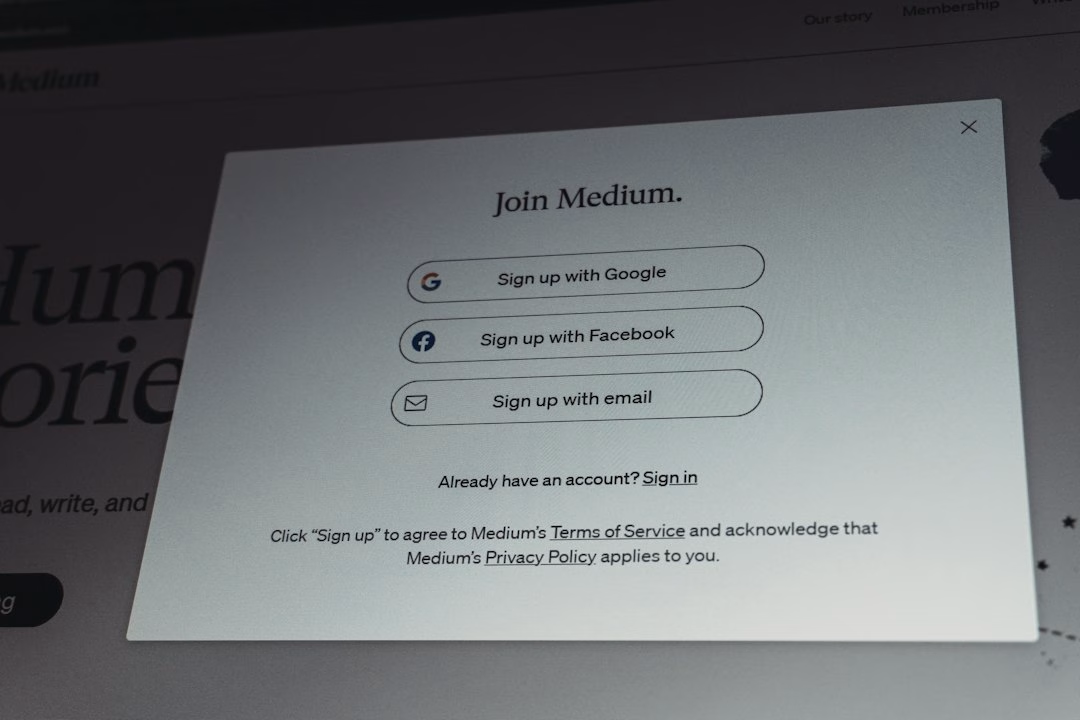
You’re navigating the complex world of email marketing, striving to build a high-quality subscriber list that delivers results. In this pursuit, you’ve likely encountered the term “double opt-in.” But what exactly is it, and why is it so crucial for your email marketing success? Simply put, double opt-in is a two-step process for confirming a new subscriber’s consent to receive your emails. It goes beyond the single opt-in method, where a user merely enters their email address and clicks a “subscribe” button. With double opt-in, after the initial sign-up, you send a confirmation email to the provided address. The subscriber then needs to click a link within that email to verify their intent and complete the subscription process. This additional step, while seemingly minor, holds significant implications for the quality, legality, and effectiveness of your email list.
Consider the user experience. Someone visits your website, is intrigued by your content or offering, and decides they want to receive updates or promotions from you. They locate your sign-up form, enter their email address, and hit “subscribe.” At this point, with single opt-in, they’re immediately added to your list. With double opt-in, however, they receive a message indicating that a confirmation email has been sent and they need to check their inbox. This creates a brief pause, a moment of active engagement where they must take a deliberate action to confirm their interest. This deliberate action is precisely what makes double opt-in so powerful. It acts as a filter, ensuring that only genuinely interested individuals, those who are willing to take that extra step, make it onto your mailing list. This proactive engagement not only signals a higher level of intent but also helps to prevent a myriad of issues that can plague email marketers using less stringent methods.
The Problem with Single Opt-In
While single opt-in might seem like a quicker and easier way to build a list, it’s fraught with potential pitfalls that can severely impact your email marketing efforts. Imagine someone accidentally typing in the wrong email address – a common typo, a forgotten letter, or a misplaced dot. With single opt-in, that incorrect address is immediately added to your list. You’ll then be sending emails to a non-existent inbox or, worse, to someone who never intended to subscribe to your content. This leads to high bounce rates, which negatively impact your sender reputation and can cause your legitimate emails to be flagged as spam by email service providers (ESPs).
Furthermore, single opt-in is highly susceptible to “email spam traps.” These are email addresses created by ESPs or anti-spam organizations specifically to catch senders who are not following best practices. If you’re using single opt-in, it’s easier for malicious actors to sign up with spam trap addresses, which then alert ESPs that you might be engaging in questionable practices, even if you’re not intentionally sending spam. This can lead to your IP address being blacklisted, making it incredibly difficult to reach your legitimate subscribers.
Another significant issue with single opt-in is the potential for “spam complaints.” Even if someone initially intended to subscribe, they might later forget they signed up or feel overwhelmed by the volume of emails they receive. Without the clear memory of a two-step confirmation, they might be more likely to hit the “report spam” button rather than unsubscribe. A high volume of spam complaints is a major red flag for ESPs and can significantly damage your deliverability, leading to your emails being routed to the junk folder or blocked entirely.
Finally, single opt-in offers less protection against “email bombing” or malicious sign-ups. Competitors or disgruntled individuals could intentionally sign up hundreds or thousands of fake email addresses to your list, artificially inflating your numbers and polluting your database with invalid contacts. This not only wastes your resources but also skews your analytics, making it difficult to accurately assess the performance of your campaigns. The immediate addition of an email address without a second confirmation step opens the door to these negative scenarios, highlighting the inherent risks associated with relying solely on single opt-in for building your precious email list.
Distinguishing Double Opt-In from Single Opt-In
The fundamental difference between double opt-in and single opt-in lies in the number of actions a subscriber takes to confirm their interest. With single opt-in, it’s a one-and-done process: the user submits their email address through your form, and they are immediately added to your mailing list. You might display a “Thank You for Subscribing” message on your website, but no further action from the subscriber is required to start receiving your emails. This simplicity is often cited as its primary advantage, as it aims to reduce friction in the sign-up process, theoretically leading to more subscribers. However, as discussed, this simplicity comes at a significant cost in terms of list quality and potential deliverability issues.
Double opt-in, on the other hand, introduces an additional, crucial step. After the user submits their email address via your sign-up form, they are not immediately added to your active mailing list. Instead, they receive an email at the address they provided, often referred to as a “confirmation email” or “verification email.” This email contains a unique link that the user must click to finalize their subscription. Until they click this link, they remain in a pending status and will not receive any of your regular marketing communications. This second, explicit action serves as definitive proof that the email address is valid and that the person behind it genuinely wishes to receive your emails. This distinction is critical because it moves beyond mere submission of an email address to active affirmation of consent, creating a more robust and reliable subscriber base.
If you’re looking to enhance your email marketing strategy, understanding the concept of double opt-in is crucial. This process not only ensures that your subscribers genuinely want to receive your communications but also helps improve engagement rates. For further insights on optimizing your lead capture efforts, you might find this article on 5 Engaging Landing Page Templates for Lead Capture and Sales particularly helpful. It provides valuable templates that can complement your email confirmation strategy and boost your overall conversion rates.
The Inner Workings of Email Confirmation
Once you’ve decided to implement double opt-in, understanding the precise mechanism of email confirmation is vital. It’s not just about sending an email; it’s about crafting an effective, user-friendly process that encourages completion and solidifies consent. The journey begins the moment a potential subscriber fills out your sign-up form. Rather than instantly adding them to your main mailing list, your email service provider (ESP) or marketing automation platform initiates a specific sequence of events designed to confirm their intent. This sequence typically involves generating a unique confirmation link, sending a clear and concise confirmation email, and awaiting the subscriber’s interaction. Each step is carefully orchestrated to ensure that consent is both explicit and verifiable, laying the groundwork for a healthier and more engaged email list.
The Initial Sign-Up and Pending Status
The process of email confirmation kicks off when a user submits their email address through your website’s sign-up form. This form could be embedded on a landing page, appear as a pop-up, or be located in your website’s footer. The key is that once they click “submit” or “subscribe,” your system recognizes this as an initial expression of interest. However, at this stage, the subscriber is not yet fully onboarded. Instead, their email address is typically placed into a temporary “pending” or “unconfirmed” status within your email marketing platform. They are not yet part of your active mailing list and will not receive any of your regular newsletters, promotional emails, or automated sequences.
Concurrently, your system should immediately display a message on your website or redirect the user to a “check your inbox” page. This message is crucial for managing expectations and guiding the user to the next step. It should clearly inform them that a confirmation email has been sent and that they need to open it and click a link to complete their subscription. Without this immediate feedback, users might assume they are already subscribed and become confused or frustrated when they don’t immediately receive a welcome email or your next communication. This initial acknowledgement and pending status are the foundational elements that prepare the subscriber for the critical second step of the double opt-in process.
Crafting the Confirmation Email
The confirmation email is arguably the most critical component of the double opt-in process. Its effectiveness directly impacts your conversion rate for new subscribers. This isn’t a marketing email; it’s a functional email with a single, clear purpose: to secure explicit consent. Therefore, it needs to be straightforward, easy to understand, and highly actionable.
First and foremost, the subject line is paramount. It needs to clearly indicate the email’s purpose so the recipient doesn’t mistake it for spam or a marketing message. Effective subject lines include phrases like: “Please Confirm Your Subscription,” “Action Required: Confirm Your Email Address,” “Verify Your Subscription to [Your Company Name],” or “One More Step to Get Our Updates.” Avoid overly salesy or ambiguous language.
The body of the email should be equally clear and concise. Start by thanking the subscriber for their interest in your content or product. Then, explicitly state why they are receiving this email – because they requested to join your mailing list. Emphasize that clicking the confirmation link is essential to receive future communications. Avoid unnecessary graphics, lengthy text, or multiple calls to action. Keep it focused on the single goal: clicking the confirmation link.
The confirmation link itself must be prominent and easy to find. It’s often presented as a large, distinct button or a clearly visible hyperlinked text. The call to action on the button or link should be unequivocal, such as “Confirm My Subscription,” “Verify My Email,” or “Click Here to Activate.” Ensure the link is unique to each subscriber and securely generated by your ESP.
It’s also a good practice to include a brief statement about what they can expect after confirming their subscription. For example, “Once confirmed, you’ll start receiving our weekly newsletter filled with [benefits].” This provides a small incentive and reassurance. Finally, include a statement clarifying that if they did not request to subscribe, they can simply ignore the email. This helps prevent spam complaints from individuals who might have had their email address mistakenly entered. Keeping the confirmation email focused, clear, and actionable is key to a smooth double opt-in experience.
The Final Step: Confirmation and Welcome
Once the subscriber opens your confirmation email and clicks the unique verification link, the final and most crucial step of the double opt-in process is completed. At this moment, your email service provider (ESP) registers their action, updating their status from “pending” or “unconfirmed” to “active” or “confirmed.” They are now officially part of your active mailing list and will begin to receive your future email communications according to your publishing schedule or automated sequences. This explicit click signifies undeniable consent, providing a clear audit trail that can be invaluable for compliance and dispute resolution.
Immediately after they click the confirmation link, it’s best practice to redirect them to a “thank you” or “welcome” page on your website. This page serves multiple purposes: it reinforces their decision to subscribe, provides immediate gratification, and offers an opportunity to further engage them. On this page, you can reiterate what they can expect from your emails, offer a special welcome gift (like a free download, a discount code, or exclusive content), or direct them to popular sections of your website. This is also a good place to set expectations regarding email frequency and content type.
Following the redirection, your system should automatically trigger a welcome email. This welcome email is distinct from the confirmation email and serves as their official introduction to your brand as a confirmed subscriber. It’s an opportunity to formally welcome them, reiterate the value they’ll receive, introduce your brand personality, and provide immediate value. This first interaction as a confirmed subscriber is critical for setting the tone of your relationship. It’s your chance to make a great first impression, reinforcing their decision to join your community and encouraging them to look forward to your future communications.
The Indisputable Benefits of Double Opt-In
While the extra step might seem like a barrier, the benefits of implementing double opt-in far outweigh any perceived inconvenience. You’re not just building a list; you’re cultivating a community of engaged individuals who genuinely want to hear from you. The advantages extend across various facets of your email marketing strategy, from compliance and deliverability to engagement and overall return on investment. By embracing double opt-in, you’re investing in the long-term health and success of your email program, ensuring that your efforts are focused on reaching a receptive and valuable audience.
Superior List Quality and Engagement
One of the most significant advantages of double opt-in is the dramatic improvement in the quality of your subscriber list. When a subscriber takes the extra step to confirm their email address, it’s a strong indicator of genuine interest and intent. This two-step verification process filters out several undesirable elements:
Firstly, it virtually eliminates typos and incorrect email addresses. If someone accidentally types a wrong email, they won’t receive the confirmation email, and thus, won’t be added to your list. This reduces bounces and keeps your list clean.
Secondly, double opt-in prevents the addition of spam traps and bot sign-ups. Automated scripts and malicious bots typically won’t complete the confirmation step, ensuring that these harmful addresses don’t pollute your database. This is critical for maintaining a good sender reputation.
Thirdly, it ensures that every subscriber on your list genuinely wants to receive your emails. This leads to significantly higher engagement rates. Confirmed subscribers are more likely to open your emails, click on your links, and interact with your content because they actively chose to join your community. Higher engagement signals to ESPs that your content is valuable, further improving your deliverability.
Finally, a high-quality, engaged list translates directly into better marketing metrics. You’ll see higher open rates, click-through rates, and ultimately, conversion rates. Your campaigns will be more effective because they’re reaching an audience that is predisposed to listen and act. In essence, double opt-in prioritizes quality over quantity, building a smaller but far more valuable and responsive subscriber base.
Enhanced Deliverability and Sender Reputation
Your sender reputation is the backbone of your email marketing success, and double opt-in plays a pivotal role in strengthening it. Email Service Providers (ESPs) like Gmail, Outlook, and Yahoo closely monitor sender behavior to determine whether your emails are legitimate or spam. A positive sender reputation ensures your emails land in the inbox, while a poor one can lead to your messages being routed to the junk folder or blocked entirely.
With double opt-in, you significantly reduce the risk factors that can damage your reputation. By filtering out invalid and incorrect email addresses, you’re minimizing bounce rates. High bounce rates are a major red flag for ESPs, indicating a potentially poorly managed or purchased list. Double opt-in ensures that only active, valid email addresses make it onto your list, keeping your bounce rate low and signaling to ESPs that you maintain a clean and legitimate database.
Furthermore, because subscribers have actively confirmed their interest, they are far less likely to mark your emails as spam. High spam complaint rates are one of the quickest ways to tank your sender reputation. When a user explicitly confirms their subscription, they remember taking that action, making them less prone to forget and report your emails as unsolicited. This translates to fewer spam complaints, which in turn reinforces your trustworthiness in the eyes of ESPs.
In essence, double opt-in acts as a proactive measure against deliverability issues. It helps you maintain a clean, engaged list, leading to lower bounces and fewer complaints. This consistent positive behavior signals to ESPs that you are a responsible sender, resulting in higher inbox placement rates for your emails. A strong sender reputation built on the foundation of double opt-in means your valuable messages are consistently reaching the intended audience, maximizing the impact of your email campaigns.
Legal Compliance and Protection
In today’s regulatory landscape, legal compliance is not optional for email marketers; it’s a mandatory requirement. Double opt-in offers robust protection and helps you adhere to various data privacy regulations around the world. Laws like the General Data Protection Regulation (GDPR) in Europe and the Canadian Anti-Spam Legislation (CASL) have stringent requirements for obtaining explicit consent before sending marketing communications. Simply collecting an email address isn’t enough; you need clear, verifiable proof of a subscriber’s permission.
Double opt-in provides exactly that. The act of a subscriber clicking a unique confirmation link serves as an indisputable record of their explicit consent to receive your emails. This creates an audit trail that can be used to demonstrate compliance if ever challenged. Your email service provider will typically record the date, time, and IP address associated with both the initial sign-up and the confirmation click, providing concrete evidence of consent.
This level of verifiable consent is crucial for mitigating legal risks. Without it, you could face hefty fines for non-compliance with data protection laws. For instance, GDPR Article 7 outlines specific conditions for consent, emphasizing that it must be “freely given, specific, informed and unambiguous.” The double opt-in process directly addresses these requirements by ensuring the subscriber actively and knowingly agrees to receive your communications.
Beyond specific regulations, double opt-in also protects you from disputes. If a subscriber claims they never signed up for your emails, you have a clear record to demonstrate otherwise. This reduces the likelihood of false spam complaints and provides a strong defense against potential legal actions. In essence, double opt-in isn’t just a best practice for email marketing; it’s a fundamental safeguard for legal compliance and peace of mind in an increasingly regulated digital environment.
Implementing Double Opt-In Effectively
You’re convinced of the benefits, but how do you seamlessly integrate double opt-in into your existing or new email marketing strategy? The implementation process, while requiring careful attention to detail, is straightforward when using a reputable email service provider. It involves configuring your forms, customizing your confirmation emails, and setting up automated follow-up sequences to maximize completion rates and welcome new subscribers. The goal is to make the process as smooth and clear as possible for your audience, transforming a potential barrier into a moment of intentional engagement.
Choosing the Right Email Service Provider (ESP)
The foundation of a successful double opt-in strategy begins with selecting an email service provider (ESP) that natively supports and encourages it. Most major ESPs, such as Mailchimp, ConvertKit, ActiveCampaign, Constant Contact, and HubSpot, offer robust double opt-in features as standard. When evaluating an ESP, ensure they provide:
- Built-in Double Opt-In Functionality: The ability to automatically send a confirmation email after initial sign-up and track confirmation clicks is non-negotiable. Avoid ESPs that require complex workarounds or manual processes for double opt-in.
- Customizable Confirmation Emails: You need the flexibility to brand your confirmation emails with your logo, colors, and specific messaging. Generic confirmation emails can look impersonal and confuse subscribers.
- Customizable Confirmation Pages: After a subscriber clicks the confirmation link, they should be redirected to a branded “thank you” or “welcome” page on your website, not a generic ESP page.
- Reporting and Analytics for Opt-In Status: Your ESP should allow you to segment your list by confirmation status (pending, confirmed, unconfirmed) and provide analytics on confirmation rates. This helps you monitor the effectiveness of your process.
- Integration with Your Website/Forms: Ensure the ESP integrates smoothly with your website’s sign-up forms, whether through direct embedding, plugins for CMS platforms like WordPress, or API connections.
A good ESP will make the technical aspects of double opt-in almost effortless, allowing you to focus on crafting compelling content and optimizing your subscriber experience. They handle the unique link generation, tracking, and list segmentation, acting as your reliable partner in building a high-quality, compliant email list. Investing in the right ESP is an investment in the long-term health and success of your email marketing efforts.
Optimizing the User Experience for Confirmation
Even with double opt-in enabled, you need to actively guide your potential subscribers through the process to minimize drop-offs. The goal is to make the confirmation as seamless and intuitive as possible.
On the Sign-Up Form:
- Clearly state that a confirmation email will be sent. For example, below the “subscribe” button, add text like: “One more step! Please check your inbox for a confirmation email.”
- Mention where they might find it: “If you don’t see it, please check your spam or promotions folder.”
Immediate Post-Submission Message:
- After the user clicks “subscribe,” redirect them to a dedicated “check your inbox” page or display a prominent message on the current page.
- This message should reiterate that a confirmation email has been sent and explicitly instruct them to open it and click the link.
- Include a visual cue, like an icon of an envelope, to reinforce the message.
- Provide a direct link to common email providers (Gmail, Outlook, Yahoo Mail) to make it easier for them to access their inbox.
- Offer an option to resend the confirmation email if they haven’t received it after a few minutes, powered by your ESP.
The Confirmation Email Itself (as discussed previously):
- Clear subject line.
- Concise, direct body text.
- Prominent, unambiguous call-to-action button/link.
- Reminder to check spam folders.
- What to expect next.
The Welcome Page/Email:
- Once confirmed, redirect to a “thank you” page on your site.
- Follow up with an immediate welcome email. This should be distinct from the confirmation email and provide the promised value or introduction.
By anticipating potential points of confusion and proactively guiding the user at each stage, you can significantly improve your double opt-in completion rates. The objective is to make the “extra step” feel like a natural, logical part of the subscription process, rather than an obstacle.
Monitoring and Adjusting Your Opt-In Process
Implementing double opt-in isn’t a “set it and forget it” task. You need to actively monitor its performance and be prepared to make adjustments to optimize your confirmation rates. Your email service provider (ESP) will be your best friend here, as it should provide the necessary analytics.
Key Metrics to Monitor:
- Initial Sign-Up Rate: How many people are submitting your forms? This tells you about the effectiveness of your lead magnets and calls to action.
- Confirmation Rate: This is the most critical metric for double opt-in. It measures the percentage of initial sign-ups who actually click the confirmation link. A low confirmation rate (e.g., consistently below 60-70%) indicates a problem in your process.
- Time to Confirmation: How long does it typically take for subscribers to confirm? A long delay might suggest confusion or issues with email delivery.
- Confirmation Email Open Rate: Are people even opening your confirmation email? If not, your subject line might be ineffective, or your emails could be landing in spam.
- Confirmation Email Click-Through Rate (CTR): Of those who open, how many click the link? This indicates how clear and compelling your call to action is within the email.
- Unconfirmed Subscribers: Track the number of subscribers stuck in a pending state. This group represents lost potential and areas for improvement.
Strategies for Adjustment:
- A/B Test Subject Lines: Experiment with different subject lines for your confirmation email to see which ones yield higher open rates.
- Optimize Email Content: Tweak the wording, layout, and call-to-action button in your confirmation email to improve CTR.
- Improve On-Page Instructions: Make your “check your inbox” messages clearer and more prominent on your website.
- Consider a Reminder Email: Some ESPs allow you to send a single, gentle reminder email to unconfirmed subscribers after 24-48 hours. This can sometimes nudge forgetful users to complete the process, but use sparingly to avoid annoyance.
- Check Spam Deliverability: Regularly test your confirmation email delivery to various ESPs (Gmail, Outlook) to ensure it’s not consistently landing in spam folders.
- Gather Feedback: If your confirmation rate is low, consider adding a small survey to your “check your inbox” page asking users if they encountered any issues.
By actively monitoring these metrics and being willing to test and refine your double opt-in process, you can continuously improve your confirmation rates and ensure you’re maximizing the quality and engagement of your growing email list.
Understanding the concept of double opt-in is crucial for effective email marketing, and for those looking to enhance their strategies further, exploring automation techniques can be beneficial. A related article discusses how to maximize your blog’s reach through RSS to email automation, which can complement your email confirmation processes. By implementing these strategies, you can ensure that your audience remains engaged while maintaining compliance with best practices. For more insights, check out this informative piece on maximizing your blog with RSS to email automation.
Addressing Common Concerns and Misconceptions
| Metric | Description | Typical Value / Example |
|---|---|---|
| Double Opt-In Definition | A process where a user confirms their subscription by clicking a link sent to their email after initial sign-up. | Two-step confirmation process |
| Confirmation Email Open Rate | Percentage of users who open the confirmation email. | 40% – 70% |
| Confirmation Click-Through Rate | Percentage of users who click the confirmation link in the email. | 30% – 60% |
| Subscription Accuracy | Reduction in fake or mistyped email addresses due to confirmation step. | Up to 90% reduction in invalid emails |
| Spam Complaints | Rate of spam complaints typically lower with double opt-in. | Less than 0.1% |
| Compliance | Helps meet legal requirements like GDPR and CAN-SPAM. | Required or recommended in many regions |
| User Experience Impact | Additional step may reduce sign-up conversion but improves list quality. | Conversion rate drop of 10%-20% |
| Typical Confirmation Email Content | Includes a clear call-to-action link/button to confirm subscription. | “Please confirm your subscription by clicking here.” |
Despite its clear advantages, double opt-in sometimes faces pushback due to a few common concerns and misconceptions. You might worry about losing potential subscribers or adding unnecessary friction. However, many of these apprehensions stem from a misunderstanding of the process and its ultimate goal. By addressing these points directly, you can confidently embrace double opt-in, knowing that you’re making a strategic decision for the long-term health of your email marketing. It’s about recognizing that a slightly smaller, more engaged list is infinitely more valuable than a larger, unconfirmed, and potentially problematic one.
“Will Double Opt-In Reduce My Subscriber Count?”
This is perhaps the most common concern marketers have when considering double opt-in. The fear is that the extra step of confirming an email will cause a significant drop-off, resulting in a smaller overall subscriber count. And, in the short term, you’re right – your initial raw sign-up numbers might appear lower than they would with single opt-in. However, this perspective misses the crucial distinction between quantity and quality.
With single opt-in, you might accumulate a larger number of email addresses, but a significant portion of these could be:
- Invalid: Due to typos or intentional fake entries.
- Disinterested: People who signed up impulsively but quickly forgot, or who never really wanted to subscribe in the first place.
- Spam traps or bots: Addresses designed to harm your sender reputation.
These “subscribers” don’t open your emails, don’t click your links, and certainly don’t convert into customers. In fact, they actively harm your email deliverability and skew your analytics, giving you a false sense of reach.
Double opt-in acts as a powerful filter. While it might mean fewer people complete the entire sign-up process, those who do are unequivocally interested, engaged, and genuine. You’re effectively trading a high volume of potentially problematic contacts for a smaller, highly qualified, and truly valuable audience.
Consider the analogy of a crowded room versus a focused meeting. With single opt-in, you have a room full of people, but many are just passing through, some are lost, and a few might even be disruptive. With double opt-in, you have a smaller group, but every single person there wants to be there, is paying attention, and is ready to engage. Which group would you rather present to?
Ultimately, double opt-in doesn’t reduce your effective subscriber count; it refines it. It ensures that every number on your active list represents a real person who genuinely wants to receive your communications, leading to better engagement, deliverability, and ultimately, a higher return on your email marketing investment.
“Is the Extra Step Too Much Friction for Subscribers?”
Another frequent concern is that the double opt-in process introduces too much “friction,” potentially annoying potential subscribers and causing them to abandon the sign-up process. While it’s true that any additional step can technically be seen as friction, the goal of double opt-in is to introduce meaningful friction that filters out low-quality leads while retaining genuinely interested ones.
Think about it from the subscriber’s perspective. If someone is truly interested in your content, products, or services, taking an extra 30 seconds to open an email and click a link is a minor inconvenience compared to the value they expect to receive. This small effort demonstrates their commitment and separates them from those who are only casually interested or signed up accidentally.
The key to mitigating perceived friction is to optimize the double opt-in experience, as discussed earlier:
- Clear Communication: From the sign-up form to the confirmation page and email, clearly explain why they need to confirm and what they can expect next.
- Simplicity: Keep the confirmation email concise, branded, and focused on a single call to action. Don’t clutter it with promotional material.
- Immediate Feedback: Let them know instantly after signing up that a confirmation email has been sent and where to look.
- Easy Access: Provide links to popular webmail clients on your “check your inbox” page.
If your content is truly valuable, and your brand communication is clear, the “friction” of double opt-in becomes a non-issue for your ideal audience. The individuals who drop off at this stage are often the ones who would have disengaged quickly anyway, leading to low open rates or spam complaints. By optimizing the process, you transform what could be perceived as friction into a valuable qualification step, ensuring that the subscribers who complete it are the ones most likely to become loyal readers and customers.
Navigating GDPR and Other Privacy Regulations
When it comes to global data privacy regulations like GDPR (General Data Protection Regulation) in the European Union, CCPA (California Consumer Privacy Act) in California, and CASL (Canadian Anti-Spam Legislation) in Canada, double opt-in moves beyond being merely a “best practice” to a near-essential component of legal compliance. You, as the marketer, are responsible for proving that you have explicit, informed, and unambiguous consent from your subscribers to send them emails.
GDPR (General Data Protection Regulation):
Under GDPR, consent must be “freely given, specific, informed and unambiguous.” This means:
- Freely given: No coercion, no pre-ticked boxes.
- Specific: Consent for what purpose (e.g., “to receive newsletters” vs. general marketing).
- Informed: Clearly explain what they are consenting to.
- Unambiguous: A clear affirmative action.
While GDPR doesn’t explicitly mandate double opt-in, it strongly aligns with its principles. Double opt-in provides undeniable, auditable proof of that “unambiguous” and “affirmative action.” The act of clicking a confirmation link, tied to a timestamp and IP address, creates a robust record of consent that can stand up to scrutiny. Many legal experts and data protection authorities recommend or consider double opt-in the gold standard for achieving GDPR compliance for email marketing.
CASL (Canadian Anti-Spam Legislation):
CASL is even more stringent and often interpreted as requiring explicit consent, which double opt-in provides. It focuses heavily on implied vs. express consent and leans towards requiring clear express consent for most marketing communications. The double opt-in process delivers express consent unequivocally.
CCPA (California Consumer Privacy Act):
While CCPA primarily focuses on the right to know, delete, and opt-out of the sale of personal information, having clear, verifiable consent (as provided by double opt-in) for data collection and use, even if not explicitly mandated for email subscriptions, strengthens your overall privacy posture and demonstrates responsible data handling practices.
In conclusion, relying on double opt-in significantly reduces your legal risk across various jurisdictions. It provides a clear, documented audit trail of consent, which is invaluable for proving compliance with stringent privacy laws. It’s not just about avoiding penalties; it’s about building trust with your audience by demonstrating your commitment to respecting their privacy and obtaining their explicit permission to communicate with them.
FAQs
What is double opt-in?
Double opt-in is a two-step process used in email marketing to confirm a subscriber’s intent to receive communications. After a user signs up for a mailing list, they receive a confirmation email containing a link or button that they must click to verify their subscription. This ensures that the subscriber genuinely wants to receive emails and helps maintain a clean email list.
How does the email confirmation process work?
Once a user submits their email address to subscribe, the system sends an automated confirmation email to that address. The email typically includes a unique confirmation link. The user must click this link to complete the subscription process. If they do not click the link, they will not be added to the mailing list.
What are the benefits of using double opt-in?
Double opt-in provides several benefits, including improved email deliverability, reduced chances of spam complaints, and a more engaged subscriber base. It helps ensure that the email addresses on the list are valid and that the subscribers genuinely want to receive communications, leading to higher open and click-through rates.
Are there any drawbacks to double opt-in?
While double opt-in has many advantages, it can also lead to lower conversion rates since some users may not complete the confirmation step. Additionally, it requires more effort from subscribers, which may deter some potential subscribers from joining the list. However, the quality of the email list is often worth the trade-off.
Is double opt-in required by law?
Double opt-in is not legally required, but it is highly recommended by various data protection regulations, such as the General Data Protection Regulation (GDPR) in Europe. These regulations emphasize the importance of obtaining explicit consent from users before sending marketing communications, making double opt-in a best practice for compliance.