



A welcome series is a sequence of automated emails sent to new subscribers immediately after they join a mailing list. This email sequence functions as the initial touchpoint between a brand and its subscribers, establishing the foundation for future communications. Research indicates that welcome emails generate 320% more revenue per email than other promotional emails, making them a critical component of email marketing strategy.
The primary purpose of a welcome series is to introduce new subscribers to a brand’s products, services, and values while setting clear expectations for future communications. These emails typically include brand introductions, product overviews, and guidance on how subscribers can maximize their experience with the company. Welcome series also serve to confirm subscription preferences and provide immediate value through exclusive content, discounts, or resources.
From a strategic perspective, welcome series contribute to improved email deliverability, higher engagement rates, and increased customer lifetime value. Data shows that welcome emails have an average open rate of 50-86%, significantly higher than standard marketing emails. By delivering relevant, timely content during this high-engagement period, businesses can effectively nurture new subscribers and guide them toward desired actions such as making purchases, downloading resources, or engaging with additional content.
Key Takeaways
- A well-crafted welcome series sets the tone for strong customer relationships from the start.
- Knowing your audience enables tailored content that resonates and drives engagement.
- Personalization and timely delivery significantly enhance email effectiveness.
- Eye-catching design and clear call-to-actions boost click-through and conversion rates.
- Continuous testing, measuring, and optimizing ensure ongoing improvement and trust-building.
Understanding Your Audience
To create an effective welcome series, you must first take the time to understand your audience. This involves gathering data on their preferences, behaviors, and demographics. By analyzing this information, you can tailor your messaging to resonate with their specific needs and interests.
Consider conducting surveys or utilizing analytics tools to gain insights into what motivates your subscribers. The more you know about them, the better equipped you will be to craft content that speaks directly to their desires. Additionally, segmenting your audience can enhance the effectiveness of your welcome series.
By categorizing subscribers based on their interests or behaviors, you can deliver more personalized content that feels relevant and engaging. For instance, if you run an e-commerce store, you might segment your audience based on their shopping habits or product preferences. This targeted approach not only increases the likelihood of engagement but also fosters a sense of belonging among your subscribers, making them feel valued and understood.
Creating Compelling Content

Once you have a clear understanding of your audience, the next step is to create compelling content for your welcome series. Your emails should be informative yet engaging, providing value while also capturing the reader’s attention.
Start by crafting a strong subject line that piques curiosity and encourages recipients to open the email.
The content itself should be concise and focused, highlighting key information about your brand and what subscribers can expect from future communications. In addition to informative text, consider incorporating various multimedia elements into your emails. Visuals such as images, videos, or infographics can enhance the overall appeal of your content and make it more digestible.
For example, if you’re introducing a new product line, including high-quality images or a short video demonstration can help convey its benefits more effectively than text alone. Remember that storytelling is a powerful tool; weaving narratives into your emails can create an emotional connection with your audience, making them more likely to engage with your brand.
Personalizing the Experience
Personalization is a key factor in creating a memorable welcome series. When subscribers feel that the content is tailored specifically for them, they are more likely to engage and respond positively. Start by addressing recipients by their first name in the email greeting; this simple touch can make a significant difference in how they perceive your communication.
Beyond just names, consider using data-driven insights to personalize content based on their preferences or behaviors. For instance, if a subscriber signed up for updates on a specific product category, ensure that the content they receive reflects that interest. You might include recommendations for similar products or exclusive offers related to their preferences.
Additionally, consider sending personalized follow-up emails based on their interactions with previous messages. If they clicked on a particular link or showed interest in a specific topic, tailor future communications to build on that interest. This level of personalization not only enhances the user experience but also fosters a deeper connection between your brand and your audience.
Timing is Everything
| Open Rate | Percentage of new subscribers who open the welcome email | 40% – 60% | Above 60% |
| Click-Through Rate (CTR) | Percentage of subscribers who click on links within the welcome series | 10% – 25% | Above 25% |
| Conversion Rate | Percentage of subscribers who complete a desired action (purchase, signup) | 5% – 15% | Above 15% |
| Unsubscribe Rate | Percentage of subscribers who opt out during the welcome series | 0.2% – 1% | Below 0.5% |
| Number of Emails in Series | Recommended count of emails to send in the welcome sequence | 3 – 5 emails | 3 – 4 emails |
| Time Between Emails | Optimal spacing between welcome emails | 1 – 3 days | 1 – 2 days |
| Personalization Level | Degree of customization in emails (name, preferences) | Basic to Advanced | Advanced personalization |
| Engagement Rate | Percentage of subscribers interacting with the series beyond clicks (replies, shares) | 5% – 15% | Above 15% |
Timing plays a crucial role in the effectiveness of your welcome series. You want to ensure that your emails are sent at optimal times when subscribers are most likely to engage with them. Research suggests that sending emails shortly after someone subscribes can lead to higher open rates and engagement levels.
This immediate follow-up reinforces the excitement of joining your community and keeps your brand fresh in their minds. However, timing isn’t just about sending emails promptly; it’s also about pacing the content throughout the welcome series. You want to strike a balance between providing valuable information and not overwhelming new subscribers with too much content at once.
Consider spacing out your emails over several days or weeks, allowing recipients time to absorb the information and engage with it fully. By carefully planning the timing of each email in your series, you can create a seamless experience that keeps subscribers engaged without feeling rushed.
Designing Eye-Catching Emails
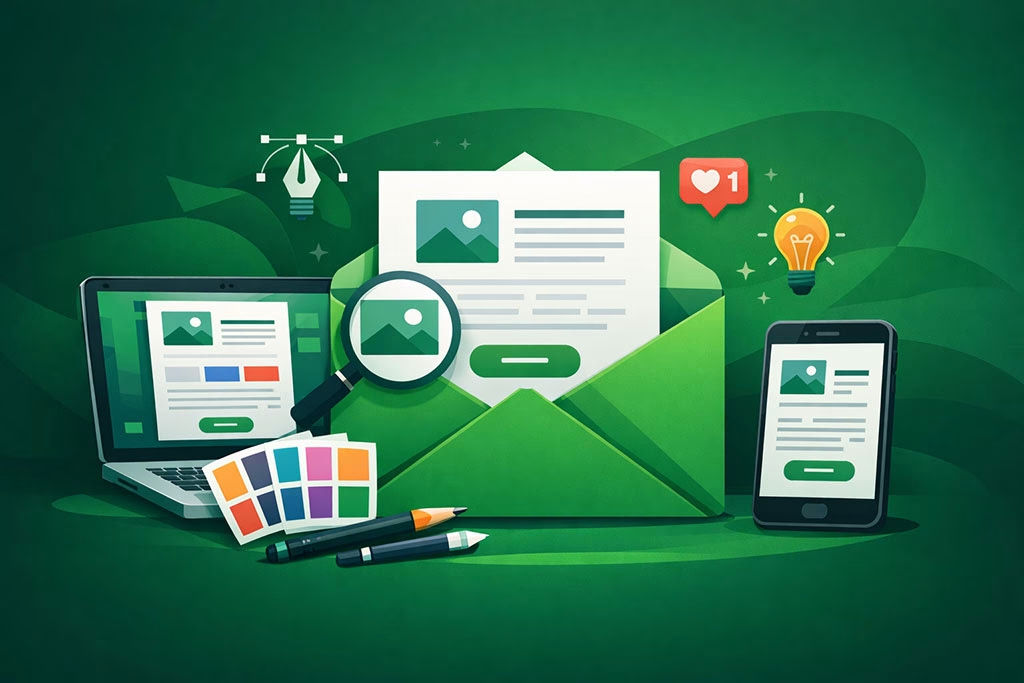
The design of your emails is just as important as the content within them. An eye-catching design can capture attention and encourage recipients to read further. Start by ensuring that your emails are visually appealing and aligned with your brand’s identity.
Use consistent colors, fonts, and imagery that reflect your brand’s personality while also being easy on the eyes. Incorporating white space is essential for creating a clean layout that enhances readability. Avoid cluttering your emails with too much text or too many images; instead, focus on creating a balanced design that guides the reader’s eye through the content.
Additionally, consider using responsive design techniques to ensure that your emails look great on all devices, from desktops to smartphones. A well-designed email not only captures attention but also reinforces professionalism and credibility in the eyes of your subscribers.
Utilizing Call-to-Actions
Every email in your welcome series should include clear and compelling call-to-actions (CTAs). These prompts guide subscribers toward specific actions you want them to take, whether it’s exploring your website, making a purchase, or following you on social media. A well-placed CTA can significantly increase engagement rates and drive conversions.
When crafting CTAs, use action-oriented language that creates a sense of urgency or excitement. Phrases like “Shop Now,” “Discover More,” or “Join Our Community” encourage recipients to take immediate action. Additionally, consider using buttons instead of plain text links; buttons are visually distinct and draw attention, making it easier for subscribers to know where to click.
By strategically incorporating CTAs throughout your welcome series, you can effectively guide subscribers along their journey while maximizing engagement.
Testing and Optimizing
To ensure the success of your welcome series, it’s essential to continuously test and optimize your emails. A/B testing allows you to experiment with different elements such as subject lines, content formats, or CTAs to determine what resonates best with your audience. By analyzing the results of these tests, you can make data-driven decisions that enhance the effectiveness of your emails.
Optimization doesn’t stop at testing; it also involves monitoring key metrics such as open rates, click-through rates, and conversion rates over time. Regularly reviewing these metrics will help you identify trends and areas for improvement within your welcome series. If certain emails consistently underperform, consider revisiting their content or design to better align with subscriber preferences.
By adopting a mindset of continuous improvement, you can refine your welcome series and maximize its impact on subscriber engagement.
Building Trust and Credibility
Establishing trust and credibility is paramount in any marketing strategy, especially during the initial stages of subscriber engagement. Your welcome series should convey transparency and authenticity while reassuring new subscribers that they made the right choice by joining your community. Consider including testimonials or reviews from satisfied customers within your emails; social proof can significantly influence perceptions and build trust.
Additionally, be clear about what subscribers can expect from you moving forward. Outline how often they will receive emails and what type of content they can anticipate. This transparency helps set expectations and fosters trust between you and your audience.
By consistently delivering valuable content and honoring commitments made during the welcome series, you reinforce credibility and encourage long-term loyalty among subscribers.
Encouraging Engagement
Engagement is key to nurturing relationships with new subscribers throughout your welcome series. Encourage interaction by inviting recipients to share their thoughts or experiences related to your brand or products. You might include questions in your emails or prompt them to respond directly with feedback or inquiries.
Social media integration is another effective way to encourage engagement beyond email communication. Include links to your social media profiles within your welcome series so subscribers can connect with you on multiple platforms. Consider hosting contests or giveaways that require participants to engage with both your email content and social media channels; this not only boosts engagement but also expands your reach as participants share their experiences with others.
Measuring Success and Making Adjustments
Finally, measuring success is crucial for understanding the effectiveness of your welcome series and making necessary adjustments over time. Establish key performance indicators (KPIs) that align with your goals for subscriber engagement and conversion rates. Regularly review these metrics to assess how well each email in the series performs.
If certain elements are underperforming—whether it’s low open rates or minimal click-throughs—don’t hesitate to make adjustments based on data insights. This could involve tweaking subject lines for better appeal or reworking content for clarity and relevance. Remember that marketing is an evolving process; staying attuned to subscriber preferences and behaviors will allow you to refine your welcome series continually.
By measuring success and making informed adjustments, you can create an impactful welcome experience that fosters lasting relationships with new subscribers.
To effectively engage new subscribers right from the start, mastering the welcome series is crucial. For those looking to enhance their email marketing strategies further, you might find the article on Are Your Drip Campaigns Leaking Leads? How to Find and Fix the Gaps in Your Funnel particularly insightful. This article delves into identifying and addressing potential pitfalls in your email campaigns, ensuring that your welcome series and subsequent communications are as effective as possible.
FAQs
What is a welcome series in email marketing?
A welcome series is a sequence of automated emails sent to new subscribers immediately after they sign up. Its purpose is to introduce the brand, set expectations, and engage the subscriber to build a strong relationship from the start.
Why is a welcome series important for new subscribers?
A welcome series helps hook new subscribers by providing timely, relevant content that encourages engagement. It increases the chances of subscribers opening future emails, reduces unsubscribe rates, and can boost conversions by guiding subscribers through the customer journey.
How many emails should be included in a welcome series?
Typically, a welcome series consists of 3 to 5 emails spaced out over several days or weeks. The exact number depends on the brand’s goals and the complexity of the onboarding process.
What content should be included in a welcome series?
Effective welcome series content often includes a thank you message, an introduction to the brand or product, key benefits, social proof such as testimonials, special offers or discounts, and clear calls to action to encourage further engagement.
When should the welcome series be sent?
The first email in the welcome series should be sent immediately or within a few minutes after the subscriber signs up. Subsequent emails are typically spaced out over days or weeks to maintain interest without overwhelming the subscriber.
How can I measure the success of my welcome series?
Key metrics to track include open rates, click-through rates, conversion rates, unsubscribe rates, and overall engagement. Monitoring these metrics helps optimize the content and timing of the welcome series for better performance.
Can a welcome series be personalized?
Yes, personalization can significantly improve the effectiveness of a welcome series. This can include using the subscriber’s name, tailoring content based on their preferences or behavior, and segmenting the audience to deliver more relevant messages.
What are common mistakes to avoid in a welcome series?
Common mistakes include sending too many emails too quickly, lacking clear calls to action, failing to provide value, ignoring mobile optimization, and not testing or analyzing the series for improvements.
Is it necessary to have a welcome series for every new subscriber?
While not mandatory, having a welcome series is highly recommended as it sets the tone for the relationship and can significantly improve subscriber engagement and retention.
How does a welcome series differ from a single welcome email?
A welcome series is a multi-email sequence designed to nurture the subscriber over time, whereas a single welcome email is a one-time message. A series allows for more comprehensive onboarding and relationship building.