



In the digital age, email remains a cornerstone of communication, particularly in the realm of marketing. However, the effectiveness of your email campaigns hinges significantly on one crucial factor: deliverability. Email deliverability refers to the ability of your emails to reach the intended inboxes of your recipients rather than being relegated to spam folders or being blocked altogether.
Understanding this concept is essential for anyone looking to maximize the impact of their email marketing efforts. You may find that even the most compelling content can fall flat if it never reaches its audience. Achieving high email deliverability involves a combination of technical know-how and strategic planning.
Factors such as sender reputation, authentication protocols, and engagement metrics all play a role in determining whether your emails land in the inbox or get lost in cyberspace. As you navigate the complexities of email marketing, it’s vital to recognize that deliverability is not merely a technical hurdle; it’s a fundamental aspect of your overall strategy. By prioritizing deliverability, you can ensure that your messages are seen and acted upon, ultimately driving better results for your campaigns.
Key Takeaways
- Effective email templates are crucial for improving overall email deliverability rates.
- Proper structure, including clean HTML and CSS, enhances compatibility across email clients.
- Responsive design ensures emails display correctly on all devices, boosting engagement and deliverability.
- Regular testing and optimization help identify and fix deliverability issues related to templates.
- Compliance with email marketing regulations is essential to maintain sender reputation and avoid deliverability problems.
Importance of Email Templates in Deliverability
Email templates serve as the foundation for your email marketing campaigns, and their design can significantly influence deliverability rates. A well-structured template not only enhances the visual appeal of your emails but also plays a critical role in how email service providers (ESPs) perceive your messages. When you use templates that adhere to best practices, you increase the likelihood that your emails will be recognized as legitimate and valuable by ESPs, thereby improving your chances of reaching the inbox.
Moreover, effective email templates can enhance user engagement, which is another key factor in deliverability. When recipients find your emails visually appealing and easy to navigate, they are more likely to interact with your content. High engagement rates signal to ESPs that your emails are wanted and relevant, which can positively impact your sender reputation.
Therefore, investing time and resources into creating high-quality email templates is not just about aesthetics; it’s a strategic move that can lead to improved deliverability and better overall campaign performance.
Understanding Email Template Structure
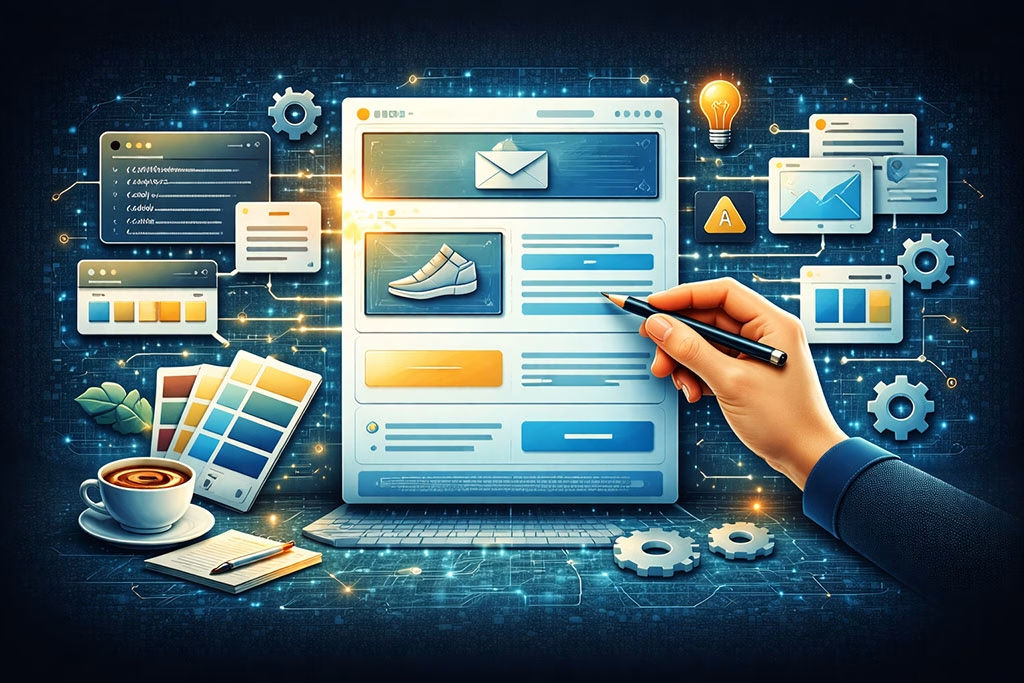
To create effective email templates, it’s essential to understand their structure. An email template typically consists of several key components: headers, body content, images, and footers. Each of these elements plays a specific role in delivering your message effectively.
The header usually contains the subject line and preheader text, which are critical for grabbing the recipient’s attention. The body content is where you convey your main message, while images can enhance visual appeal and engagement. When designing your email template, consider how these components work together to create a cohesive experience for the reader.
For instance, a well-crafted subject line can entice recipients to open the email, while clear and concise body content keeps them engaged.
Additionally, incorporating images that are relevant to your message can help reinforce your brand identity and make your emails more memorable. By understanding the structure of email templates, you can create designs that not only look good but also function effectively in terms of deliverability.
Best Practices for Email Template Design
| Responsive Design | Ensure email templates adapt to different screen sizes and devices. | Mobile Open Rate | Above 50% |
| Clear Call-to-Action (CTA) | Use prominent and easy-to-click buttons or links. | Click-Through Rate (CTR) | 2% or higher |
| Alt Text for Images | Provide descriptive alt text for images to improve accessibility and fallback display. | Image Load Fallback Rate | 100% alt text coverage |
| Concise Subject Lines | Keep subject lines short and engaging to improve open rates. | Open Rate | 20% or higher |
| Use of Preheader Text | Include preview text to complement the subject line. | Open Rate Improvement | Increase by 5-10% |
| Consistent Branding | Maintain brand colors, fonts, and logos for recognition. | Brand Recall | High consistency across emails |
| Optimized Load Time | Minimize email size and optimize images for faster loading. | Load Time | Under 3 seconds |
| Accessible Design | Use proper contrast, font sizes, and semantic HTML for accessibility. | Accessibility Compliance | WCAG 2.1 AA standard |
| Personalization | Use recipient’s name or preferences to increase engagement. | Engagement Rate | Increase by 10-15% |
| Testing Across Clients | Test emails on multiple email clients and devices before sending. | Rendering Consistency | 100% compatibility |
Designing an effective email template requires adherence to several best practices that can enhance both user experience and deliverability. First and foremost, simplicity is key. A clean and uncluttered design allows recipients to focus on your message without distractions.
Use ample white space to separate different sections of your email, making it easier for readers to digest the information presented. Another important aspect of email template design is ensuring compatibility across various devices and email clients. With a significant number of users accessing their emails on mobile devices, it’s crucial that your templates are responsive.
This means they should automatically adjust to fit different screen sizes without losing functionality or aesthetic appeal. By following these best practices, you can create email templates that not only look great but also perform well in terms of deliverability.
Impact of HTML and CSS in Email Templates
The use of HTML and CSS in email templates is another critical factor that affects deliverability. While HTML provides the structure for your emails, CSS is responsible for styling them. However, not all CSS properties are supported by every email client, which can lead to rendering issues that may affect how your emails are displayed.
To ensure optimal performance, it’s essential to use inline CSS for styling rather than relying on external stylesheets. Additionally, keeping your HTML code clean and well-organized can improve load times and reduce the likelihood of being flagged as spam. Avoid using excessive images or overly complex layouts that could confuse email clients.
Instead, focus on creating a straightforward design that prioritizes readability and engagement. By paying attention to the technical aspects of HTML and CSS in your email templates, you can enhance both their appearance and deliverability.
The Role of Responsive Design in Email Deliverability

Responsive design is no longer just a trend; it’s a necessity in today’s mobile-driven world. With more people checking their emails on smartphones and tablets, ensuring that your email templates are responsive is crucial for maintaining high deliverability rates. A responsive design automatically adjusts the layout and content based on the device being used, providing an optimal viewing experience for all users.
When your emails are responsive, they are more likely to be opened and engaged with by recipients. This increased engagement signals to ESPs that your emails are valuable and relevant, which can positively impact your sender reputation. Furthermore, responsive design helps reduce bounce rates since users are less likely to delete or mark an email as spam if they can easily read and interact with it on their devices.
By prioritizing responsive design in your email templates, you can significantly enhance both user experience and deliverability.
Testing and Optimizing Email Templates for Deliverability
Testing is an essential step in optimizing your email templates for deliverability. Before launching a campaign, you should conduct thorough tests across various devices and email clients to ensure that your templates render correctly and function as intended. This includes checking for broken links, missing images, or formatting issues that could detract from the user experience.
In addition to visual testing, consider using A/B testing to evaluate different elements of your email templates. This could involve experimenting with subject lines, call-to-action buttons, or even different layouts to see which versions yield better engagement rates. By analyzing the results of these tests, you can make data-driven decisions that enhance both the effectiveness of your emails and their deliverability rates.
Addressing Common Deliverability Issues Related to Email Templates
Despite your best efforts, you may still encounter common deliverability issues related to your email templates. One frequent problem is being marked as spam by ESPs or recipients themselves. To mitigate this risk, ensure that you’re following best practices for list management, such as regularly cleaning your subscriber list and removing inactive users.
Another issue could arise from poor sender reputation due to high bounce rates or low engagement levels. To address this, focus on creating high-quality content that resonates with your audience and encourages interaction. Additionally, monitor key metrics such as open rates and click-through rates to identify areas for improvement in your email templates.
By proactively addressing these common issues, you can maintain high deliverability rates and ensure that your emails reach their intended recipients.
Leveraging Personalization and Dynamic Content in Email Templates
Personalization is a powerful tool in email marketing that can significantly enhance engagement and improve deliverability rates. By tailoring your emails to individual recipients based on their preferences or past interactions with your brand, you create a more relevant experience that encourages opens and clicks. Dynamic content allows you to customize sections of your email based on recipient data, making each message feel unique.
Incorporating personalization into your email templates not only boosts engagement but also signals to ESPs that your emails are valuable to recipients. This can positively impact your sender reputation and improve deliverability rates over time. As you design your templates, consider how you can leverage personalization techniques to create more meaningful connections with your audience.
Compliance with Email Marketing Regulations and Its Impact on Deliverability
Compliance with email marketing regulations is crucial for maintaining high deliverability rates. Laws such as the CAN-SPAM Act in the United States and GDPR in Europe set strict guidelines for how businesses must handle email communications with consumers. Failing to comply with these regulations can result in penalties and damage to your sender reputation.
To ensure compliance, make sure you include clear opt-in options for subscribers and provide easy ways for them to unsubscribe from your emails if they choose to do so. Additionally, always include accurate sender information and avoid misleading subject lines or content. By adhering to these regulations, you not only protect your business from legal repercussions but also foster trust with your audience—an essential component for achieving high deliverability rates.
Ensuring High Deliverability with Effective Email Templates
In conclusion, achieving high email deliverability requires a multifaceted approach that encompasses various aspects of template design and strategy. From understanding the structure of effective email templates to leveraging personalization techniques, every element plays a role in ensuring that your messages reach their intended audience. By prioritizing best practices in design, testing rigorously across devices and clients, and remaining compliant with regulations, you set yourself up for success in the competitive landscape of email marketing.
Ultimately, effective email templates are not just about aesthetics; they are a vital component of a successful email marketing strategy that drives engagement and conversions. As you continue to refine your approach to email marketing, remember that investing time in creating high-quality templates will pay off in improved deliverability rates and better overall campaign performance. By focusing on these key areas, you can ensure that your emails not only reach inboxes but also resonate with recipients—leading to lasting relationships with your audience.
In the quest to improve email deliverability, it’s essential to consider not just the content but also the design of your templates. A related article that delves into this topic is “Fixing Broken Emails: Tested Templates for Beautiful Designs,” which offers insights on how to create visually appealing and functional email templates that can enhance your overall email marketing strategy. You can read it [here](https://blogs.smartmails.io/2025/11/07/fixing-broken-emails-tested-templates-for-beautiful-designs/).
FAQs
What is email deliverability?
Email deliverability refers to the ability of an email to successfully reach the recipient’s inbox without being blocked or filtered into spam folders.
How can email templates affect deliverability?
Email templates can impact deliverability through factors such as poor HTML coding, excessive use of images, spammy language, and lack of personalization, all of which can trigger spam filters or cause rendering issues.
What are common technical issues in email templates that hurt deliverability?
Common issues include broken or missing alt text for images, improper use of CSS, large file sizes, missing unsubscribe links, and incorrect use of sender authentication protocols like SPF, DKIM, and DMARC.
Why is personalization important in email templates?
Personalization helps improve engagement rates and reduces the likelihood of emails being marked as spam, thereby enhancing overall deliverability.
How can marketers test their email templates for deliverability?
Marketers can use email testing tools to preview how emails render across devices and clients, check for spam triggers, and verify authentication settings before sending campaigns.
What role do sender authentication protocols play in deliverability?
Protocols like SPF, DKIM, and DMARC verify the sender’s identity and help prevent spoofing, which improves trust with email providers and increases the chances of emails reaching the inbox.
Can the frequency of sending emails affect deliverability?
Yes, sending emails too frequently or inconsistently can lead to higher unsubscribe rates and spam complaints, negatively impacting deliverability.
Is it important to include an unsubscribe link in email templates?
Yes, including a clear and functional unsubscribe link is legally required in many jurisdictions and helps maintain a healthy sender reputation by allowing recipients to opt out easily.
How does mobile optimization of email templates influence deliverability?
Mobile-optimized templates improve user experience and engagement, which can positively affect deliverability by signaling to email providers that recipients value the emails.
What steps can marketers take to improve email template deliverability?
Marketers should ensure clean and compliant HTML coding, use proper authentication protocols, personalize content, test emails before sending, maintain list hygiene, and monitor engagement metrics regularly.