





In the digital age, email marketing remains one of the most effective channels for businesses to engage with their audience. However, the success of any email marketing campaign hinges on the quality and integrity of the email list being utilized. Safeguarding email lists is not merely a matter of compliance with regulations; it is a fundamental aspect of maintaining a brand’s reputation and ensuring high deliverability rates.
When an email list is compromised, whether through spam traps, invalid addresses, or malicious actors, the repercussions can be severe. Businesses may find themselves facing increased bounce rates, diminished engagement, and even blacklisting by email service providers. Moreover, a well-maintained email list fosters trust between the brand and its subscribers.
When recipients receive relevant and timely communications, they are more likely to engage positively with the content. Conversely, if a brand’s emails are perceived as spammy or irrelevant due to poor list management, it can lead to unsubscribes and complaints. This not only affects immediate campaign performance but can also tarnish the long-term relationship with customers.
Therefore, understanding the importance of safeguarding email lists is crucial for any organization aiming to leverage email marketing effectively.
Key Takeaways
- Protecting email lists is crucial to maintain deliverability and prevent spam.
- Identifying and blocking unwanted IPs and domains helps reduce malicious activity.
- Email marketing platforms offer tools to implement effective IP and domain blocking.
- Regular monitoring and updating of blocked entities ensure ongoing list hygiene.
- Neglecting blocking measures can lead to damaged sender reputation and lower engagement.
Identifying Unwanted IPs and Domains
The first step in safeguarding an email list is identifying unwanted IPs and domains that may pose a threat to its integrity. Unwanted IPs can originate from various sources, including spammers, bots, or even competitors attempting to undermine a brand’s reputation. These IPs often engage in malicious activities such as sending unsolicited emails or attempting to harvest data from unsuspecting users.
Identifying these threats requires a proactive approach that involves monitoring traffic patterns and analyzing engagement metrics. One effective method for identifying unwanted IPs is through the use of analytics tools that track email interactions. By examining bounce rates, open rates, and click-through rates, marketers can pinpoint anomalies that may indicate the presence of malicious actors.
For instance, if a particular IP address consistently generates high bounce rates or low engagement levels, it may warrant further investigation. Additionally, utilizing third-party services that specialize in threat intelligence can provide valuable insights into known malicious IPs and domains, allowing businesses to take preemptive action against potential threats.
Implementing IP and Domain Blocking Measures
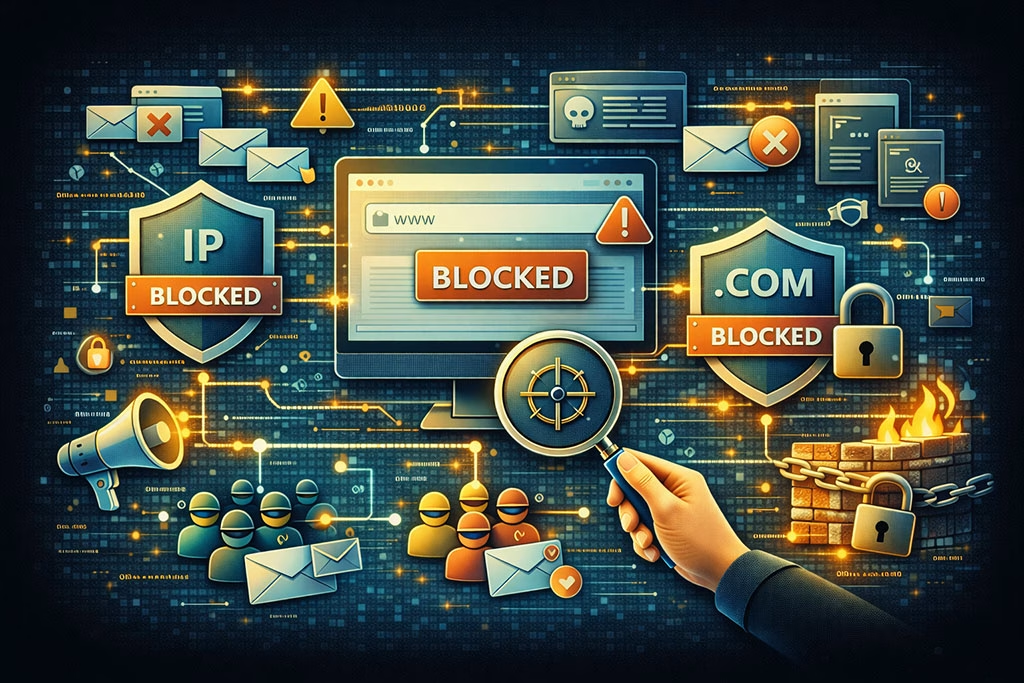
Once unwanted IPs and domains have been identified, the next step is to implement effective blocking measures. This process involves configuring email servers and marketing platforms to reject communications from these identified threats. Blocking measures can be executed at various levels, including server-side configurations and application-level settings within email marketing platforms.
For instance, many email service providers offer built-in features that allow users to create blacklists of specific IP addresses or domains. In addition to traditional blocking methods, organizations can also employ more sophisticated techniques such as rate limiting and behavior-based filtering. Rate limiting restricts the number of emails sent from a particular IP address within a specified timeframe, effectively mitigating the risk of spam attacks.
Behavior-based filtering analyzes patterns in email interactions to identify suspicious activity, allowing for dynamic blocking of potentially harmful sources. By implementing these measures, businesses can significantly reduce the likelihood of unwanted communications infiltrating their email lists.
Utilizing Email Marketing Platforms for IP and Domain Blocking
| Blocked IP Addresses | Number of IP addresses blocked by the platform to prevent spam or malicious emails | 500 – 10,000+ | Reduces spam and phishing attempts, improving deliverability and sender reputation |
| Blocked Domains | Number of domains blacklisted or blocked to prevent unwanted emails | 200 – 5,000+ | Prevents emails from suspicious or harmful domains, enhancing inbox security |
| False Positive Rate | Percentage of legitimate emails incorrectly blocked due to IP/domain blocking | 0.1% – 2% | Lower rates maintain customer engagement and reduce missed communications |
| Spam Reduction Rate | Percentage decrease in spam emails received after implementing IP/domain blocking | 60% – 95% | Improves user experience and reduces risk of malware infections |
| Delivery Rate Improvement | Increase in successful email deliveries due to blocking of harmful IPs/domains | 5% – 20% | Enhances campaign effectiveness and ROI |
| Time to Update Blocklists | Average time taken to update IP/domain blocklists after detecting threats | Minutes to Hours | Faster updates reduce exposure to new threats and maintain email hygiene |
Email marketing platforms play a pivotal role in managing and safeguarding email lists. Many of these platforms come equipped with advanced features designed specifically for blocking unwanted IPs and domains. For example, platforms like Mailchimp and SendGrid offer users the ability to create custom suppression lists that automatically filter out emails from specified sources.
This functionality not only streamlines the process of managing unwanted communications but also enhances overall deliverability rates. Furthermore, some platforms provide real-time monitoring capabilities that alert users to suspicious activity associated with their email campaigns. This includes tracking metrics such as spam complaints and bounce rates linked to specific IP addresses or domains.
By leveraging these tools, marketers can take immediate action against potential threats, ensuring that their email lists remain clean and effective. The integration of these features into an organization’s email marketing strategy is essential for maintaining a robust defense against unwanted communications.
Monitoring and Updating Blocked IPs and Domains
The landscape of digital threats is constantly evolving, making it imperative for organizations to regularly monitor and update their lists of blocked IPs and domains. Static blocking measures may become ineffective over time as new threats emerge and existing ones evolve. Therefore, a dynamic approach to monitoring is essential for maintaining the integrity of an email list.
Regular audits of blocked sources should be conducted to assess their relevance and effectiveness. In addition to routine audits, organizations should also stay informed about emerging threats by subscribing to threat intelligence feeds or industry newsletters. These resources provide valuable insights into newly identified malicious IPs and domains, allowing businesses to proactively update their blocking measures.
By fostering a culture of vigilance and adaptability in their email marketing practices, organizations can better protect their email lists from evolving threats.
Best Practices for Maintaining a Clean Email List

Maintaining a clean email list goes beyond merely blocking unwanted IPs and domains; it encompasses a comprehensive strategy that includes regular list hygiene practices. One best practice is to implement a double opt-in process for new subscribers. This ensures that individuals genuinely wish to receive communications from the brand, reducing the likelihood of spam complaints and enhancing engagement rates.
Another critical aspect of list maintenance is regularly purging inactive subscribers. Over time, email lists can accumulate addresses that no longer engage with content or have become invalid. By segmenting the list based on engagement metrics and removing those who have not interacted with emails over a specified period, organizations can improve overall deliverability rates and maintain a more engaged audience.
Additionally, providing subscribers with easy options to update their preferences or unsubscribe can further enhance list quality by ensuring that only interested individuals remain on the list.
Consequences of Neglecting IP and Domain Blocking
Neglecting IP and domain blocking measures can lead to dire consequences for organizations relying on email marketing as a primary communication channel. One immediate effect is an increase in bounce rates due to emails being sent to invalid or malicious addresses. High bounce rates not only diminish the effectiveness of campaigns but can also trigger penalties from email service providers, potentially leading to account suspension or blacklisting.
Moreover, failing to block unwanted sources can result in reputational damage for brands. If recipients perceive emails as spammy or irrelevant due to poor list management practices, they are more likely to mark them as spam or unsubscribe altogether. This negative feedback loop can severely impact future campaigns and diminish overall brand trust among consumers.
In extreme cases, organizations may find themselves facing legal repercussions if they inadvertently send unsolicited communications to individuals who have not opted in.
Ensuring the Integrity of Your Email Lists
Ensuring the integrity of email lists is an ongoing commitment that requires vigilance, proactive measures, and adherence to best practices in list management. By understanding the importance of safeguarding these lists, identifying unwanted IPs and domains, implementing effective blocking measures, utilizing advanced email marketing platforms, monitoring blocked sources regularly, and maintaining clean lists through best practices, organizations can significantly enhance their email marketing efforts. The consequences of neglecting these responsibilities are far-reaching and can jeopardize not only campaign success but also brand reputation in the long term.
As digital communication continues to evolve, so too must the strategies employed by organizations to protect their email lists from emerging threats. By prioritizing these efforts, businesses can foster stronger relationships with their audience while maximizing the effectiveness of their email marketing initiatives.
If you’re looking to enhance your email marketing strategy, you might find it helpful to read about the differences between email marketing and transactional emails.
Understanding these distinctions can help you better manage your email lists and improve your overall communication strategy. For more insights, check out the article on
io/2025/11/07/email-marketing-vs-transactional-emails-understanding-the-key-differences/’>email marketing vs.
FAQs
What is the purpose of blocking unwanted IPs and domains from email lists?
Blocking unwanted IPs and domains helps prevent spam, phishing attacks, and other malicious activities by ensuring that emails from suspicious or harmful sources do not reach your recipients. It improves email deliverability and protects your brand reputation.
How can I identify unwanted IPs and domains on my email list?
You can identify unwanted IPs and domains by monitoring bounce-back messages, analyzing email engagement metrics, using spam complaint reports, and employing email verification tools that flag suspicious or invalid addresses.
What tools are commonly used to block unwanted IPs and domains?
Common tools include email service provider (ESP) built-in filters, firewall and spam filter software, DNS-based blackhole lists (DNSBL), and third-party email verification and security services.
Can blocking IPs and domains affect legitimate email delivery?
Yes, if not managed carefully, blocking IPs and domains may inadvertently block legitimate senders. It is important to regularly review and update your blocklists to avoid false positives.
Is it necessary to update blocklists regularly?
Yes, updating blocklists regularly is essential because new malicious IPs and domains emerge frequently. Regular updates help maintain effective protection against unwanted emails.
Are there legal considerations when blocking IPs and domains?
Generally, blocking IPs and domains for security and spam prevention is legal. However, ensure compliance with privacy laws and regulations, and avoid discriminatory practices when managing your email lists.
Can blocking unwanted IPs and domains improve email marketing performance?
Yes, by removing or blocking harmful and unengaged contacts, you can improve your sender reputation, increase open rates, reduce bounce rates, and enhance overall email marketing effectiveness.
How do I implement IP and domain blocking in my email marketing platform?
Most email marketing platforms provide options to create suppression lists or blocklists where you can add unwanted IPs and domains. Consult your platform’s documentation for specific instructions on managing these lists.