



Digital marketing compliance with data protection regulations has become a critical requirement for businesses, particularly in email marketing operations. The General Data Protection Regulation (GDPR) and the California Consumer Privacy Act (CCPA) establish legal frameworks that govern personal data collection and processing practices. These regulations directly impact how organizations manage subscriber information and conduct email marketing campaigns.
Email marketing continues to deliver high return on investment for businesses, with studies showing average returns of $42 for every dollar spent. However, this marketing channel requires strict adherence to data protection laws. The GDPR, which took effect in May 2018, applies to all organizations processing personal data of EU residents, regardless of the company’s location.
The CCPA, effective January 2020, governs businesses that collect personal information from California residents and meet specific revenue or data processing thresholds. Both regulations mandate explicit consent for data collection, provide consumers with rights to access and delete their personal information, and require organizations to implement appropriate security measures. Non-compliance can result in substantial penalties, with GDPR fines reaching up to 4% of annual global revenue or €20 million, whichever is higher.
CCPA violations can incur fines of up to $7,500 per intentional violation and $2,500 per unintentional violation.
Key Takeaways
- GDPR and CCPA set strict rules for handling personal data in email marketing to protect consumer privacy.
- Marketers must obtain clear consent before collecting or processing personal data.
- Transparency about data collection, usage, and rights is essential for compliance.
- Implementing strong data security and honoring data subject rights are critical requirements.
- Regularly updating policies, conducting impact assessments, and managing third-party agreements help maintain compliance.
Understanding the General Data Protection Regulation (GDPR) and California Consumer Privacy Act (CCPA)
The GDPR, enacted in May 2018, is a comprehensive data protection law that applies to all organizations operating within the European Union (EU) and those outside the EU that offer goods or services to EU residents. It emphasizes the importance of individual privacy rights and mandates that businesses implement robust data protection measures. As you familiarize yourself with the GDPR, you’ll find that it requires explicit consent for data collection, the right to access personal data, and the right to be forgotten, among other provisions.
On the other hand, the CCPA, which came into effect in January 2020, focuses specifically on California residents. It grants consumers rights regarding their personal information, including the right to know what data is being collected, the right to delete their data, and the right to opt out of the sale of their information. While both regulations share similar goals of protecting consumer privacy, they differ in scope and application.
Understanding these nuances is crucial as you develop your email marketing strategy to ensure compliance with both laws.
Identifying Personal Data in Email Marketing
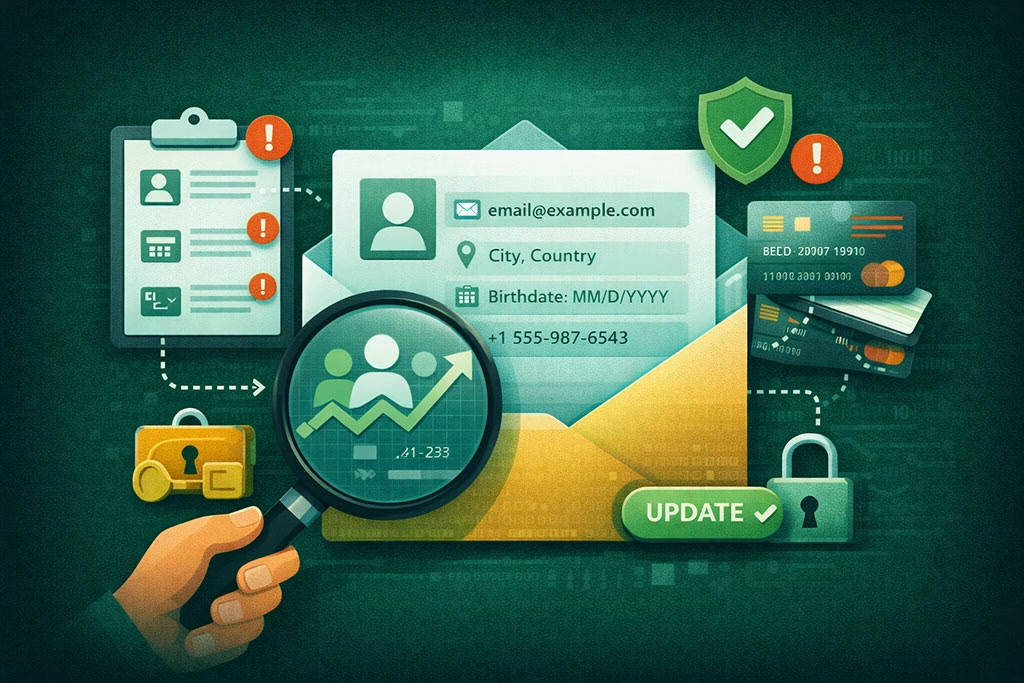
In email marketing, identifying what constitutes personal data is a critical step toward compliance with GDPR and CCPPersonal data refers to any information that can be used to identify an individual, such as names, email addresses, phone numbers, and even IP addresses. As you craft your email campaigns, it’s essential to recognize that any data you collect from subscribers falls under these definitions. This awareness will guide you in implementing appropriate measures to protect this information.
Moreover, consider the implications of collecting additional data points beyond basic contact information. For instance, if you gather demographic details or behavioral data through tracking pixels or cookies, these may also qualify as personal data under GDPR and CCPBy taking a comprehensive approach to identifying personal data in your email marketing efforts, you can ensure that you are fully compliant with these regulations while also respecting your subscribers’ privacy.
Obtaining Consent for Data Processing
Obtaining consent for data processing is a cornerstone of both GDPR and CCPA compliance. Under GDPR, consent must be explicit, informed, and freely given. This means that when you collect email addresses for your marketing campaigns, you must clearly communicate how their data will be used and obtain their agreement before processing it.
You might consider using double opt-in methods, where subscribers confirm their interest through a follow-up email. This not only ensures compliance but also helps build a more engaged audience. For CCPA compliance, while consent is not always required for data collection, it becomes essential when selling personal information or when a consumer opts out of such sales.
Therefore, it’s crucial to provide clear options for subscribers to manage their preferences regarding their data. By prioritizing consent in your email marketing strategy, you demonstrate respect for your audience’s choices and foster a sense of trust that can lead to higher engagement rates.
Providing Transparency in Data Collection and Processing
| Obtain Explicit Consent | Yes, must have clear opt-in | Not mandatory, but opt-out required | Percentage of subscribers with documented consent | 85% |
| Provide Opt-Out Option | Required for marketing emails | Mandatory opt-out link in emails | Opt-out link present in all emails | 100% |
| Data Access Rights | Right to access personal data | Right to know personal data collected | Average response time to data access requests | 48 hours |
| Data Deletion Requests | Right to erasure (“right to be forgotten”) | Right to deletion of personal info | Percentage of deletion requests fulfilled within 30 days | 95% |
| Privacy Policy Transparency | Must clearly explain data use | Must disclose data collection and sale | Privacy policy updated and accessible | 100% |
| Data Minimization | Collect only necessary data | Limit data collection to business purpose | Average data fields collected per subscriber | 5 fields |
| Third-Party Data Sharing | Disclose third-party processors | Disclose sale or sharing of data | Third-party disclosures included in policy | 100% |
| Security Measures | Implement appropriate safeguards | Reasonable security procedures required | Number of security incidents reported annually | 0 |
Transparency is a fundamental principle of both GDPR and CCPAs you engage in email marketing, it’s vital to be open about how you collect and use personal data. This means clearly outlining your data collection practices in your privacy policy and ensuring that subscribers understand what information you gather and why. You might consider including a brief summary of your practices in your email sign-up forms or welcome emails to reinforce this transparency.
Additionally, providing transparency extends beyond just informing subscribers about data collection; it also involves being upfront about how long you retain their information and who has access to it. By offering this level of clarity, you empower your audience to make informed decisions about their engagement with your brand. This commitment to transparency not only aligns with regulatory requirements but also enhances your reputation as a trustworthy organization.
Implementing Data Security Measures

Data security is a critical aspect of GDPR and CCPA compliance that cannot be overlooked in your email marketing efforts. Both regulations require organizations to implement appropriate technical and organizational measures to protect personal data from unauthorized access or breaches. As you develop your email marketing strategy, consider investing in secure servers, encryption technologies, and regular security audits to safeguard subscriber information.
Moreover, it’s essential to train your team on best practices for data security. Ensure that everyone involved in handling personal data understands the importance of protecting this information and follows established protocols for accessing and processing it.
By fostering a culture of security within your organization, you can significantly reduce the risk of data breaches and demonstrate your commitment to protecting your subscribers’ privacy.
Honoring Data Subject Rights
Under GDPR and CCPA, individuals have specific rights regarding their personal data that you must honor as part of your email marketing practices. For instance, subscribers have the right to access their data, request corrections if it’s inaccurate, and even demand deletion under certain circumstances. As you engage with your audience through email campaigns, it’s crucial to establish clear processes for addressing these requests promptly and efficiently.
Additionally, consider incorporating features into your email communications that allow subscribers to easily manage their preferences or exercise their rights. For example, providing links for unsubscribing or updating personal information can enhance user experience while ensuring compliance with regulatory requirements. By actively honoring data subject rights, you not only fulfill legal obligations but also cultivate a sense of trust and loyalty among your subscribers.
Updating Privacy Policies and Terms of Service
Regularly updating your privacy policies and terms of service is essential for maintaining compliance with GDPR and CCPA in your email marketing efforts. These documents should clearly outline how you collect, use, store, and share personal data while reflecting any changes in your practices or legal requirements. As regulations evolve or as your business grows, revisiting these documents ensures that they remain accurate and transparent.
When updating your privacy policy, consider using plain language that is easy for subscribers to understand. Avoid legal jargon that may confuse readers; instead, focus on clearly communicating how their information will be handled. Additionally, make sure that these documents are easily accessible on your website and linked within your email communications so that subscribers can review them at any time.
Conducting Data Protection Impact Assessments
Conducting Data Protection Impact Assessments (DPIAs) is a proactive measure that can help you identify potential risks associated with processing personal data in your email marketing campaigns. DPIAs are particularly important when implementing new technologies or processes that may impact subscriber privacy. By assessing these risks early on, you can take steps to mitigate them before they become significant issues.
As part of the DPIA process, consider evaluating how personal data flows through your email marketing system and identifying any vulnerabilities that may exist. This assessment should include an analysis of how data is collected, stored, processed, and shared with third parties. By conducting thorough DPIAs regularly, you can ensure ongoing compliance with GDPR and CCPA while demonstrating a commitment to protecting subscriber privacy.
Establishing Data Processing Agreements with Third Parties
If you work with third-party vendors for email marketing services or other related functions, establishing Data Processing Agreements (DPAs) is crucial for compliance with GDPR and CCPThese agreements outline the responsibilities of both parties regarding the handling of personal data and ensure that third-party vendors adhere to the same standards of protection that you uphold within your organization. When drafting DPAs, be sure to include clauses that specify how personal data will be processed, stored, and secured by the third party. Additionally, outline procedures for reporting any data breaches or incidents involving subscriber information.
By formalizing these agreements with third-party vendors, you can mitigate risks associated with outsourcing while ensuring compliance with regulatory requirements.
Monitoring and Reporting Data Breaches
Monitoring for potential data breaches is an ongoing responsibility that requires vigilance in your email marketing practices. Both GDPR and CCPA mandate that organizations take immediate action if they suspect a breach has occurred. This includes investigating the incident thoroughly to determine its scope and impact on subscriber data.
In the event of a confirmed breach involving personal data, GDPR requires organizations to notify affected individuals within 72 hours if there is a risk to their rights and freedoms. Similarly, CCPA mandates reporting breaches involving consumer information to the California Attorney General if certain thresholds are met. By establishing clear protocols for monitoring potential breaches and responding swiftly when they occur, you can protect your subscribers’ information while fulfilling legal obligations.
In conclusion, navigating GDPR and CCPA compliance in email marketing may seem daunting at first glance; however, by understanding these regulations and implementing best practices throughout your processes, you can create a more secure environment for handling personal data while building trust with your audience.
Embracing these principles not only ensures compliance but also positions your brand as a leader in ethical marketing practices in an increasingly privacy-conscious world.
For businesses navigating the complexities of email marketing compliance, understanding the nuances of GDPR and CCPA is crucial. A related article that can provide further insights is titled “Effortlessly Connect Website Leads to Email Campaigns,” which discusses strategies for integrating lead generation with compliant email marketing practices. You can read it [here](https://blog.smartmails.io/2025/11/11/effortlessly-connect-website-leads-to-email-campaigns/). This resource complements the checklist for GDPR and CCPA compliance by offering practical tips on managing leads while adhering to legal requirements.
FAQs
What is GDPR and why is it important for email marketing?
The General Data Protection Regulation (GDPR) is a European Union regulation that sets guidelines for the collection and processing of personal data of individuals within the EU. It is important for email marketing because it ensures that marketers obtain proper consent, protect user data, and respect privacy rights, thereby avoiding legal penalties.
What does CCPA stand for and how does it affect email marketing?
CCPA stands for the California Consumer Privacy Act. It affects email marketing by granting California residents rights over their personal data, including the right to know what data is collected, the right to delete data, and the right to opt-out of the sale of their data. Marketers must comply with these rules when targeting or collecting data from California residents.
What are the key differences between GDPR and CCPA in email marketing?
GDPR applies to all EU residents and requires explicit consent before sending marketing emails, while CCPA applies to California residents and focuses more on transparency and the right to opt-out of data sales. GDPR requires a lawful basis for processing data, whereas CCPA emphasizes consumer rights to access and delete personal information.
What are the essential elements of a GDPR-compliant email marketing campaign?
A GDPR-compliant email marketing campaign must include clear and explicit consent from recipients, provide easy options to withdraw consent, include transparent information about data usage, and ensure secure handling of personal data. Additionally, marketers should keep records of consent and honor data subject rights.
How can email marketers ensure compliance with CCPA?
Email marketers can ensure CCPA compliance by providing clear privacy notices, offering consumers the ability to opt-out of the sale of their personal information, responding promptly to consumer requests regarding their data, and avoiding discrimination against consumers who exercise their privacy rights.
Is explicit consent always required under GDPR for email marketing?
Yes, under GDPR, explicit consent is generally required before sending marketing emails. This means that recipients must actively agree to receive marketing communications, and pre-checked boxes or implied consent are not sufficient.
What are the consequences of non-compliance with GDPR and CCPA in email marketing?
Non-compliance with GDPR can result in fines up to €20 million or 4% of annual global turnover, whichever is higher. CCPA violations can lead to fines of up to $7,500 per intentional violation. Both regulations can also damage a company’s reputation and erode customer trust.
Can companies use purchased email lists under GDPR and CCPA?
Using purchased email lists is generally discouraged under GDPR and CCPA because it is difficult to verify that proper consent was obtained. Marketers should ensure that any third-party data complies with privacy laws and that recipients have consented to receive marketing emails.
What steps should be included in a checklist for GDPR and CCPA compliance in email marketing?
A compliance checklist should include obtaining explicit consent, providing clear privacy notices, enabling easy opt-out mechanisms, maintaining records of consent, securing personal data, responding to data access and deletion requests, and regularly reviewing marketing practices to ensure ongoing compliance.
How often should companies review their email marketing practices for GDPR and CCPA compliance?
Companies should review their email marketing practices regularly, at least annually or whenever there are changes in regulations, business practices, or data processing activities, to ensure continued compliance with GDPR and CCPA requirements.