



Leveraging Big Data for Email Campaign Success
Your inbox is a bustling marketplace, and your email campaigns are the storefronts vying for attention. In this crowded digital landscape, generic messages are like whispers lost in a hurricane. To truly connect with your audience and drive results, you need to harness the power of big data. This is your blueprint for transforming your email strategies from hopeful endeavors into precisely targeted, high-performing engines of growth.
Before you can paint a masterpiece, you need to understand your canvas. Big data provides the detailed strokes needed to accurately depict your audience. It moves you beyond broad demographic assumptions and into a nuanced comprehension of individual preferences, behaviors, and needs. Imagine your audience not as a monolithic block, but as a complex ecosystem with diverse inhabitants, each with their own unique habits and motivations. Big data allows you to map this ecosystem with remarkable clarity.
The Foundation: Gathering and Integrating Your Data Sources
Your email campaign’s success is built upon the quality and breadth of the data you collect. Think of this as laying down the bedrock before constructing a skyscraper. Without a solid foundation, your entire structure is vulnerable.
Customer Relationship Management (CRM) Systems: The Central Repository
Your CRM is likely the first place you’ll turn. It houses a treasure trove of transactional history, contact information, and past interactions. This is the primary ledger where you record every touchpoint.
Purchase History: The Echoes of Past Decisions
What has your customer bought before? When did they buy it? How frequently? This data is not just a record of transactions; it’s a narrative of their evolving desires and needs. A customer who repeatedly purchases a specific product line reveals a consistent interest that can be leveraged for future promotions.
Demographics and Firmographics: The Basic Anatomy
While not the sole determinant of behavior, age, location, gender, job title, and company size provide essential contextual information. This data layer, like a simple silhouette, gives you an initial outline of your audience.
Website and App Interaction Data: The Digital Footprints
Every click, every page view, every abandoned cart on your website or app leaves an indelible digital footprint. This data is a powerful indicator of active interest and intent. Think of it as observing someone browsing through your physical store; their gaze lingers on certain aisles, they pick up specific items.
Marketing Automation Platforms: The Observatories of Engagement
These platforms track how your audience interacts with your marketing efforts, particularly your previous email campaigns. They provide a bird’s-eye view of engagement metrics.
Email Open and Click-Through Rates: The Signals of Interest
Are they opening your emails? Are they clicking on the links within? These are direct indicators of how resonant your subject lines and content are. A consistently low open rate might signal issues with your sender reputation or the relevance of your subject lines.
Conversion Data from Past Campaigns: The Measure of Success
Did a specific email campaign lead to a sale? Did it drive sign-ups for a webinar? This data is crucial for understanding what types of messages and offers have historically been effective.
Third-Party Data: Expanding the Horizon
While your internal data is invaluable, external sources can add layers of context and identify potential new customer segments. However, approach this with caution, ensuring data quality and privacy compliance.
Interest-Based Data: Uncovering Passions Beyond Your Brand
This data can reveal interests and preferences that might not be directly apparent from their interactions with your brand alone. Someone interested in sustainable living, for example, might be a prime candidate for eco-friendly product promotions, even if they haven’t explicitly searched for your brand.
Behavioral Data from Other Platforms: Understanding Broader Habits
Information about browsing habits, social media engagement, and app usage from other online environments can offer a more holistic view of a user’s digital life.
Data Cleaning and Preparation: The Sculptor’s Touch
Raw data is rarely pristine. It’s like unrefined ore; it needs to be processed to reveal its true value. Inaccurate, incomplete, or duplicated data will lead to flawed insights and ineffective campaigns.
Identifying and Rectifying Inaccuracies: Pruning the Deadwood
This involves correcting typos, standardizing formats, and removing entries that are clearly erroneous. Imagine trying to navigate with a map riddled with inaccuracies; you’ll end up lost.
Handling Missing Values: Filling the Gaps Creatively
Deciding how to address missing information requires a strategic approach. Imputing values based on statistical methods or segment averages can be effective, but transparency in your methodology is key.
Deduplication: Eliminating Redundancy
Ensuring that each customer record is unique is fundamental to accurate segmentation and personalized communication. Duplicate entries can inflate metrics and lead to sending multiple identical messages to the same individual.
In the ever-evolving landscape of digital marketing, the role of big data in email campaign optimization cannot be overstated. By leveraging vast amounts of data, marketers can tailor their email strategies to better meet the needs and preferences of their audience. For further insights on enhancing conversion rates through data-driven approaches, you may find the article on post-click A/B testing particularly useful. It discusses innovative techniques to refine your campaigns after the initial click, which complements the optimization strategies discussed in the context of big data. You can read more about it here: Optimizing Conversions with Post-Click A/B Testing.
Segmenting Your Audience for Precision Targeting
Segmentation is the art of dividing your vast audience into smaller, more manageable groups with shared characteristics. This allows you to move from broadcasting to a finely tuned conversation with each segment. Think of it as moving from a megaphone to a personal whispered recommendation.
Demographic and Geographic Segmentation: The Broad Strokes
This is often the starting point, using readily available information to group individuals. It’s like distinguishing between different neighborhoods in a city.
Age and Gender: Fundamental Differentiators
While not exhaustive, these can influence product preferences and communication styles.
Location: Localizing Your Message
Tailoring content to specific regions, cities, or even neighborhoods can increase relevance. A promotion for winter coats is unlikely to resonate in a tropical climate.
Behavioral Segmentation: The True Indicators of Intent
This is where big data truly shines. By analyzing actions, you can predict future behavior with greater accuracy. This is like observing how people interact with products in a store before making a prediction about what they might buy next.
Purchase Behavior: Identifying Your Most Valuable Patrons
Segmenting based on purchase frequency, recency, and monetary value (RFM analysis) is a powerful way to identify your most loyal and high-spending customers. These are your VIPs.
High-Value Customers: Nurturing Your Top Performers
These individuals represent a significant portion of your revenue. Tailored offers and exclusive experiences can foster continued loyalty.
Occasional Buyers: Encouraging More Frequent Engagement
Understanding why they buy occasionally can help you devise strategies to increase their purchase frequency.
Lapsed Customers: Re-engaging Lost Opportunities
Identifying the patterns that led to inactivity can inform reactivation campaigns.
Engagement Metrics: Responding to Interest Levels
Segmenting based on how individuals interact with your emails and website provides insights into their current level of interest.
Engaged Subscribers: Leveraging Active Interest
These are your most receptive audience members. They are ripe for cross-selling, upselling, and new product announcements.
Dormant Subscribers: The Art of the Revival
These individuals haven’t engaged in a while and require a more strategic approach to re-engagement.
Psychographic Segmentation: Understanding the “Why” Behind the “What”
This delves into the attitudes, values, and lifestyles of your audience, offering a deeper understanding of their motivations. This is like understanding the underlying philosophy of a neighborhood, not just its physical layout.
Lifestyle and Interests: Connecting with Their Passions
What are their hobbies, their values, their aspirations? Aligning your brand with their lifestyle can create a stronger emotional connection.
Values and Beliefs: Speaking to Their Core Principles
Understanding their ethical stances or social concerns can inform your brand messaging. For example, an environmentally conscious audience will respond positively to sustainability initiatives.
Predictive Segmentation: Anticipating Future Needs
This advanced form of segmentation uses past data to predict future behavior, allowing you to proactively address needs. This is like having a crystal ball that allows you to anticipate what your customers will want before they even realize it themselves.
Likelihood to Purchase: Identifying Future Buyers
Predicting which subscribers are most likely to make a purchase in the near future allows for targeted promotional efforts.
Churn Prediction: Proactively Retaining Customers
Identifying customers at risk of leaving enables you to intervene with retention strategies before they depart.
Personalization: Crafting Individualized Experiences

Personalization is no longer a nice-to-have; it’s a fundamental expectation from consumers. Big data empowers you to move beyond simply inserting a name into an email. It allows for dynamic content that adapts to each individual recipient in real-time. Think of it as a tailor making a suit specifically for you, rather than handing you off-the-rack.
Dynamic Content: The Chameleon of Your Emails
This allows different elements within an email to change based on the recipient’s data. It’s the ability for your email to shapeshift and present the most relevant information to each individual.
Product Recommendations: Showing Them What They’ll Love
Based on past purchases, browsing history, and similarities to other customers, you can suggest products they are likely to be interested in. This is like a helpful sales associate who knows your taste.
Offer and Promotion Customization: The Perfect Deal at the Right Moment
Presenting discounts or offers that are most relevant to an individual’s past behavior or predicted needs can significantly boost conversion rates.
Lifestyle and Interest-Based Content: Speaking Their Language
Tailoring imagery, articles, or blog post suggestions based on their declared or inferred interests creates a more engaging experience.
Personalized Subject Lines: The Gateway to Your Message
The subject line is your first impression, and personalization can drastically improve open rates. A generic subject line is a locked door; a personalized one is a key.
Using Names: The Classic Touch
While basic, using the recipient’s name can still foster a sense of direct address.
Referencing Past Interactions: Building on Existing Relationships
Mentioning a recent purchase or a specific product they’ve shown interest in can be highly effective.
Tailoring to Predicted Needs: Foreseeing Their Desires
Subject lines that hint at solutions to problems they might have, or products they might be looking for, can pique curiosity.
Timing and Frequency Optimization: Delivering at the Moment of Need
Sending an email at the optimal time for each individual recipient, rather than a mass send, can significantly impact engagement. This is like delivering a gift on their birthday, not on a random Tuesday.
Predictive Send-Time Optimization: The Science of Timing
Leveraging algorithms to determine when each subscriber is most likely to open and engage with emails.
Avoiding Over-Communication: The Balance of Presence
Using data to understand individual preferences for email frequency and avoiding unsubscribe triggers.
Measuring and Optimizing Your Campaigns: The Continuous Feedback Loop
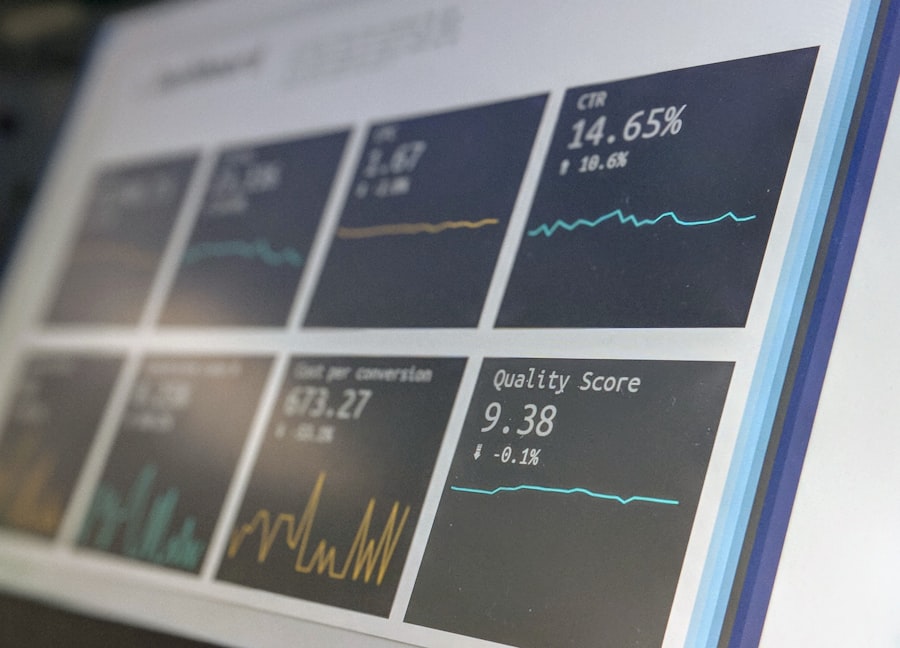
The journey doesn’t end once the email is sent. big data provides the tools to relentlessly measure your campaign performance and refine your strategies. This is not a one-time race; it’s a marathon with continuous training and adjustments.
Key Performance Indicators (KPIs): The Scorecard of Your Efforts
Defining and tracking the right metrics is crucial for understanding what’s working and what isn’t.
Open Rates: The First Hurdle
The percentage of recipients who open your email. It indicates the effectiveness of your subject line and sender reputation.
Click-Through Rates (CTR): The Depth of Engagement
The percentage of recipients who click on at least one link within your email. This shows how compelling your content and call-to-actions are.
Conversion Rates: The Ultimate Goal
The percentage of recipients who complete a desired action (e.g., make a purchase, sign up for a service) after clicking through from your email. This is the ultimate measure of your campaign’s success.
Unsubscribe Rates: The Warning Signs
The percentage of recipients who opt out of future communications. A rising unsubscribe rate is a critical indicator that something is amiss.
A/B Testing: The Scientific Method of Improvement
Systematically testing different variations of email elements to identify what performs best. This is like running controlled experiments to find the most effective ingredients for a recipe.
Subject Line Variations: The Hooks That Draw Them In
Testing different subject lines to see which elicits the highest open rates.
Call-to-Action (CTA) Placement and Wording: Guiding Their Next Step
Experimenting with button colors, text, and placement to optimize click-throughs.
Content and Layout Adjustments: The Flow of Information
Testing different email structures, imagery, and copy to see what resonates most.
Analyzing Campaign Performance Over Time: The Story of Your Evolution
Tracking trends and patterns in your data allows you to understand the long-term impact of your strategies and identify areas for continuous improvement. This is like reviewing your training logs to see how your performance has improved over time.
Identifying Winning Strategies: The Blueprints for Future Success
Recognizing which types of campaigns, segments, and personalization tactics yield the best results.
Spotting Underperforming Elements: The Areas Needing Refinement
Pinpointing specific elements or segments that are consistently underperforming and require further investigation or redesign.
In the ever-evolving landscape of digital marketing, understanding the role of big data in email campaign optimization is crucial for businesses aiming to enhance their outreach and engagement. A related article that delves deeper into this topic is available at Maximizing Email ROI with Data-Driven Split Testing, which explores how leveraging data analytics can significantly improve the effectiveness of email strategies. By integrating insights from big data, marketers can tailor their campaigns to better meet the needs of their audience, ultimately driving higher conversion rates and maximizing return on investment.
Ethical Considerations and Privacy: The Guardians of Trust
| Metric | Description | Role of Big Data | Impact on Email Campaign Optimization |
|---|---|---|---|
| Open Rate | Percentage of recipients who open the email | Analyzes historical open data to predict best send times and subject lines | Improves timing and personalization, increasing open rates |
| Click-Through Rate (CTR) | Percentage of recipients who click on links within the email | Tracks user behavior and preferences to tailor content and CTAs | Enhances engagement by delivering relevant content, boosting CTR |
| Conversion Rate | Percentage of recipients completing desired actions (purchase, signup) | Integrates multi-channel data to identify high-value segments | Targets campaigns more effectively, increasing conversions |
| Bounce Rate | Percentage of emails not delivered to recipients | Uses data cleansing and validation to maintain list quality | Reduces bounce rates, improving sender reputation |
| Unsubscribe Rate | Percentage of recipients opting out of future emails | Analyzes feedback and engagement to adjust frequency and content | Minimizes unsubscribes by aligning with subscriber preferences |
| Segmentation Accuracy | Effectiveness of dividing audience into relevant groups | Leverages big data analytics to create dynamic, behavior-based segments | Delivers personalized campaigns, improving overall performance |
| Personalization Depth | Level of customization in email content | Processes large datasets to tailor messages at individual level | Increases relevance and engagement, driving higher ROI |
As you delve deeper into big data, your responsibility to protect your audience’s privacy and handle their information ethically becomes paramount. This is not a trivial aspect; it’s the very foundation of a sustainable and trustworthy relationship.
Data Privacy and Compliance: Adhering to the Rules of the Road
Understanding and complying with regulations like GDPR, CCPA, and other relevant data protection laws is non-negotiable. Ignorance is not a valid defense.
Transparency in Data Collection: Letting Them Know
Clearly communicating what data you collect, how you use it, and why you collect it builds trust.
Obtaining Explicit Consent: The Unambiguous Permission
Ensuring you have clear and affirmative consent to collect and use personal data for marketing purposes.
Data Security: Protecting Your Digital Fortress
Implementing robust security measures to safeguard the data you collect against breaches and unauthorized access is essential. A breach can shatter the trust you’ve painstakingly built.
Encryption and Access Controls: The Locks and Keys
Employing encryption for sensitive data and implementing strict access controls to limit who can view and manipulate information.
Regular Security Audits: Proactive Defense
Conducting regular security assessments to identify and address potential vulnerabilities.
Responsible Data Usage: Using Your Power Wisely
Avoiding manipulative practices and always prioritizing the customer’s benefit in your data-driven strategies. Your data is a tool for enhancement, not exploitation.
Avoiding “Creepy” Personalization: The Fine Line
While personalization is powerful, overstepping boundaries can lead to customer alienation. The goal is helpfulness, not intrusion.
Focusing on Value Exchange: The Reciprocal Benefit
Ensuring that the personalization and offers you provide offer genuine value to the recipient in exchange for their data and attention.
In conclusion, leveraging big data for your email campaigns is not a fleeting trend; it’s a strategic imperative. It allows you to move from guesswork to informed decisions, from generic broadcasts to personalized conversations, and ultimately, from campaigns that get lost in the noise to those that resonate deeply with your audience, driving meaningful engagement and sustainable success. The data is there; your task is to master its art and science.
FAQs
What is the role of big data in email campaign optimization?
Big data helps analyze vast amounts of customer information to personalize email content, segment audiences effectively, and predict the best times to send emails, thereby improving engagement and conversion rates.
How does big data improve email targeting?
By collecting and analyzing data on customer behavior, preferences, and demographics, big data enables marketers to create highly targeted email lists and tailor messages that resonate with specific audience segments.
Can big data help increase email open rates?
Yes, big data can identify optimal send times, subject lines, and content types that are more likely to capture recipients’ attention, leading to higher open rates.
What types of data are used in email campaign optimization?
Data types include customer demographics, past purchase history, browsing behavior, email engagement metrics (opens, clicks), and social media interactions, all of which contribute to more effective campaign strategies.
Is big data analysis necessary for all email marketing campaigns?
While not mandatory, leveraging big data significantly enhances the effectiveness of email campaigns by enabling data-driven decisions, especially for businesses with large and diverse customer bases.