



You’ve got a service-based business, and you know that attracting and retaining customers is the lifeblood of your operation. You’ve tried word-of-mouth, social media, maybe even some local advertising. But are you truly harnessing the power of a direct, personal connection with your audience? If email marketing isn’t at the forefront of your strategy, you’re leaving significant growth on the table. This isn’t just about sending out a few newsletters; it’s about crafting a sophisticated system that nurtures leads, delights existing clients, and ultimately drives more revenue.
Think of email marketing as your most loyal salesperson, working 24/7 to build relationships and present your value proposition clearly and consistently. It’s a channel where you own the relationship, free from the whims of algorithms that dictate reach on social media. But like any powerful tool, it requires understanding, strategy, and ongoing refinement. You need to move beyond generic blasts and embrace a personalized, data-driven approach. This article will guide you through maximizing your email marketing efforts, transforming your inbox from a graveyard of forgotten messages into a powerhouse for your service business.
Your email list isn’t just a collection of addresses; it’s a curated group of individuals who have shown interest in what you offer. The quality of your list dictates the success of your campaigns, so building it strategically is paramount. This is where you lay the groundwork for every subsequent email you send.
The Art of Ethical Acquisition: How to Grow Your List with Intention
You wouldn’t invite strangers off the street into your office without their consent, and the same principle applies to your email list. Building a list ethically not only ensures compliance with regulations like GDPR and CAN-SPAM but also cultivates trust and encourages genuine engagement.
Opt-In Forms: Your Digital Welcome Mat
Where and how you present your opt-in forms is crucial. Think of these as your digital welcome mats, inviting potential clients to engage further.
- Website Pop-Ups (Used Responsibly): While often maligned, well-timed and non-intrusive pop-ups can be effective. Consider exit-intent pop-ups that appear when a user is about to leave your site, or time-delayed pop-ups that appear after a few minutes of browsing. Offer a compelling reason to sign up.
- Embedded Forms: Place clear and attractive opt-in forms strategically throughout your website. Integrate them into your contact page, blog post footers, and even within service pages.
- Landing Pages Dedicated to Lead Magnets: Create specific landing pages for your lead magnets. This allows you to focus your messaging and track conversions more effectively.
- Social Media Integration: Encourage followers to join your email list. Use links in your bio and create posts that highlight the benefits of subscribing.
Lead Magnets: The Irresistible Incentive
Why should someone give you their email address? You need to offer something of tangible value in return. This is your lead magnet, and it should be directly relevant to the services you provide.
- Free Consultations or Assessments: For service businesses, this is often the most direct and effective lead magnet. Offer a no-obligation discovery call or a personalized assessment of their needs.
- Ebooks and Guides: Compile your expertise into downloadable resources that address common client pain points or provide valuable insights. For example, a financial advisor might offer a guide to tax-saving strategies.
- Checklists and Templates: Practical, actionable resources are highly valued. A marketing consultant might offer a social media content calendar template, or a handyman could provide a home maintenance checklist.
- Exclusive Discounts or Offers: While not always the primary focus for service businesses, a targeted discount for first-time clients can be an effective incentive.
- Webinars or Online Workshops: Presenting your knowledge in a live format can attract highly engaged leads.
Beyond Your Website: Expanding Your Reach
Don’t limit your opt-in efforts to your website. Think about every touchpoint where you interact with potential clients.
- In-Person Events and Networking: Have a method to collect email addresses at workshops, trade shows, or networking events. This could be a tablet with a signup form or a simple signup sheet with a clear promise of what they’ll receive.
- Client Onboarding Process: Once a client signs up for your services, make it an option for them to join your general marketing list (with clear opt-in language, of course).
- Partnerships: Collaborate with complementary businesses to cross-promote and offer joint lead magnets.
Segmenting Your Audience: Speaking Directly to Their Needs
Once you’ve started building your list, the next crucial step is to recognize that not everyone on that list is the same. Treating them as a monolithic group will lead to generic emails that fall flat. Segmentation allows you to tailor your messaging, making it more relevant and impactful.
The Power of Personalization: More Than Just a Name
Personalization goes beyond simply using someone’s first name in the subject line. It’s about understanding their interests, stage in your customer journey, and specific needs.
- Demographic Segmentation: While less common for B2C service businesses, if you have distinct client types (e.g., small businesses vs. large enterprises), this can be useful.
- Behavioral Segmentation: This is where the real power lies. Track how subscribers interact with your emails and website.
- Website Activity: Which pages did they visit? Did they download a specific lead magnet?
- Email Engagement: Which emails did they open? Which links did they click?
- Purchase History: Have they used a particular service before? Are they a repeat client?
- Interest-Based Segmentation: Allow subscribers to self-select their interests when they sign up or through a preference center. For example, a fitness trainer could segment based on interests like weight loss, muscle gain, or injury recovery.
- Customer Journey Stage Segmentation:
- New Leads: Focus on nurturing them with educational content and introductions to your services.
- Active Clients: Share tips, updates, and exclusive offers that enhance their experience.
- Past Clients: Re-engage them with special offers or reminders about your services.
- Leads Who Haven’t Converted: Identify those who showed interest but haven’t committed and tailor re-engagement campaigns.
For service-based businesses looking to enhance their outreach, exploring effective email marketing strategies is crucial. A related article that delves deeper into this topic can be found at SmartMails Blog, where various authors share insights and tips tailored specifically for service-oriented industries. This resource can provide valuable guidance on how to craft compelling email campaigns that resonate with your target audience.
Crafting Compelling Campaigns: Delivering Value with Every Email
With a solid list and a clear understanding of your segments, you can now focus on the heart of email marketing: the content and campaigns you create. This is where you demonstrate your expertise and build trust.
The Anatomy of an Effective Email: More Than Just Words
Every email you send should have a purpose. From the subject line to the call to action, each element works together to achieve that purpose.
Subject Lines: Your First Impression
Your subject line is the gatekeeper to your email. If it’s not compelling, your message will never be read.
- Be Clear and Concise: People are busy. Tell them what the email is about upfront.
- Create Curiosity: Pose a question or hint at valuable information without giving it all away.
- Offer a Benefit: Highlight what the reader will gain by opening the email.
- Use Emojis (Sparingly and Appropriately): They can add personality but be mindful of your brand and audience.
- Personalize (When Possible): A touch of personalization can significantly boost open rates.
- A/B Test Your Subject Lines: Experiment to see what resonates best with your audience.
Email Body Content: Delivering Substance and Value
This is where you build trust, showcase your expertise, and guide your subscribers toward a desired action.
- Focus on the Reader: Always address their needs, challenges, and aspirations. Use “you” more than “we.”
- Provide Real Value: Share insights, tips, case studies, and solutions. Don’t just sell; educate and inform.
- Maintain Brand Voice: Ensure your writing style is consistent with your brand’s personality.
- Keep it Scannable: Use short paragraphs, bullet points, and clear headings to make your content easy to digest.
- Tell Stories: Anecdotes and client success stories are incredibly powerful for building connection and demonstrating results.
- Include Visuals (When Appropriate): Images, infographics, or short videos can break up text and enhance engagement.
Call to Action (CTA): Guiding the Next Step
Every email should have a clear and singular call to action. What do you want the reader to do next?
- Be Specific: Instead of “Click Here,” use phrases like “Book Your Free Consultation,” “Download the Guide,” or “Learn More About Our Services.”
- Make it Prominent: Use buttons that stand out with contrasting colors.
- Create Urgency (When Applicable): Limited-time offers or deadlines can encourage immediate action.
- Align with the Email’s Goal: Ensure your CTA directly supports the message of your email.
- Have One Primary CTA: While you might have secondary links, focus on driving users toward one main conversion.
Types of Email Campaigns to Drive Growth: A Strategic Approach
Don’t just send random emails. Plan your campaigns to achieve specific business objectives.
Nurture Campaigns: Guiding Leads to Conversion
This is for those who have expressed interest but haven’t yet become paying clients. The goal is to build trust and demonstrate your value.
- Welcome Series: Greet new subscribers, introduce your brand, set expectations, and offer immediate value (e.g., a discount or helpful resource).
- Educational Series: Drip-feed valuable content that addresses common pain points and showcases your expertise.
- Testimonial and Case Study Series: Share social proof to build credibility and demonstrate the results you achieve for clients.
- Re-engagement Campaigns: For subscribers who haven’t opened or clicked your emails in a while, try to win them back with a special offer or a compelling piece of content.
Promotional Campaigns: Driving Sales and Bookings
When you have a specific offer or service you want to highlight, promotional campaigns are key.
- Service Spotlights: Deep dive into a particular service you offer, highlighting its benefits and how it solves client problems.
- Seasonal Offers: Tailor promotions to holidays or specific times of the year relevant to your services (e.g., tax season for accountants, spring cleaning for home services).
- New Service Launches: Announce and introduce new offerings to your existing audience.
- Limited-Time Discounts and Packages: Create urgency and encourage immediate booking with special deals.
Retention Campaigns: Keeping Your Clients Happy and Engaged
Your existing clients are your most valuable asset. Keep them coming back by providing ongoing value and excellent service.
- Onboarding Follow-ups: Ensure new clients are having a positive experience and offer support.
- Client Appreciation Gifts/Offers: Reward loyal clients with exclusive discounts or special perks.
- Tips and Best Practices: Share advice that helps them get the most out of your services.
- Requesting Feedback and Reviews: Actively seek testimonials and understand areas for improvement.
- Upsell and Cross-sell Opportunities: If you have complementary services, subtly introduce them to existing clients who might benefit.
Leveraging Automation and Analytics: Efficiency and Insight

Email marketing is not a set-it-and-forget-it strategy. To truly maximize its potential, you need to embrace automation and dive deep into your data.
The Power of Automation: Working Smarter, Not Harder
Marketing automation allows you to send personalized, timely emails at scale, freeing up your valuable time for other critical aspects of your business.
Drip Campaigns: Automated Workflows for Consistent Engagement
Drip campaigns are a series of automated emails sent to subscribers over a period of time, triggered by specific actions or events.
- Welcome Drips: As mentioned earlier, these introduce new subscribers to your brand.
- Lead Nurturing Drips: Guide leads through the sales funnel with educational content.
- Post-Purchase Drips: Offer support, resources, and encourage repeat business after a client has used your service.
- Re-Engagement Drips: Target inactive subscribers with a series of emails designed to rekindle their interest.
Triggered Emails: Real-Time Relevance for Maximum Impact
These emails are sent automatically in response to a specific user action or event. They are highly effective because they are relevant to the recipient at that exact moment.
- Abandoned Cart Emails: While more common for e-commerce, this concept applies to service businesses. If someone starts a booking process and doesn’t complete it, a reminder email can be effective.
- Birthday/Anniversary Emails: A simple, personalized message can go a long way in building customer loyalty.
- Welcome Emails (Single Trigger): The very first email sent upon signing up.
- Follow-up Emails After a Consultation: Send a summary of the discussion or a proposed next step.
Understanding Your Metrics: Data-Driven Decisions for Growth
Your email marketing platform provides a wealth of data. Understanding these metrics is crucial for optimizing your campaigns and proving ROI.
Key Performance Indicators (KPIs) to Track
- Open Rate: The percentage of recipients who opened your email. This indicates the effectiveness of your subject line and sender name.
- Click-Through Rate (CTR): The percentage of recipients who clicked on at least one link within your email. This measures the engagement with your content and the effectiveness of your CTAs.
- Conversion Rate: The percentage of recipients who completed a desired action (e.g., booking a service, making a purchase) after clicking on a link in your email. This is the ultimate measure of your campaign’s success.
- Bounce Rate: The percentage of emails that could not be delivered. This can indicate issues with your list quality or sender reputation.
- Hard Bounces: Permanent delivery failures (e.g., invalid email address).
- Soft Bounces: Temporary delivery failures (e.g., full inbox).
- Unsubscribe Rate: The percentage of recipients who unsubscribed from your list. A high unsubscribe rate can signal that your content isn’t relevant or that you’re sending too frequently.
- List Growth Rate: The rate at which your email list is growing. This is an indicator of your opt-in strategies’ effectiveness.
Analyzing and Acting on Data
- A/B Testing: Experiment with different subject lines, content, CTAs, and send times to see what performs best. Make data-driven decisions rather than relying on guesswork.
- Identify Trends: Look for patterns in your data. Are certain types of emails performing better than others? Are specific segments more engaged?
- Optimize for Unsubscribes: Understand why people are unsubscribing and adjust your strategy accordingly. This might involve refining your content or segmentation.
- Segment Performance: Analyze how different segments respond to your emails. This will inform your segmentation strategy.
The Importance of Deliverability and Compliance: Keeping Your Emails Out of the Spam Folder
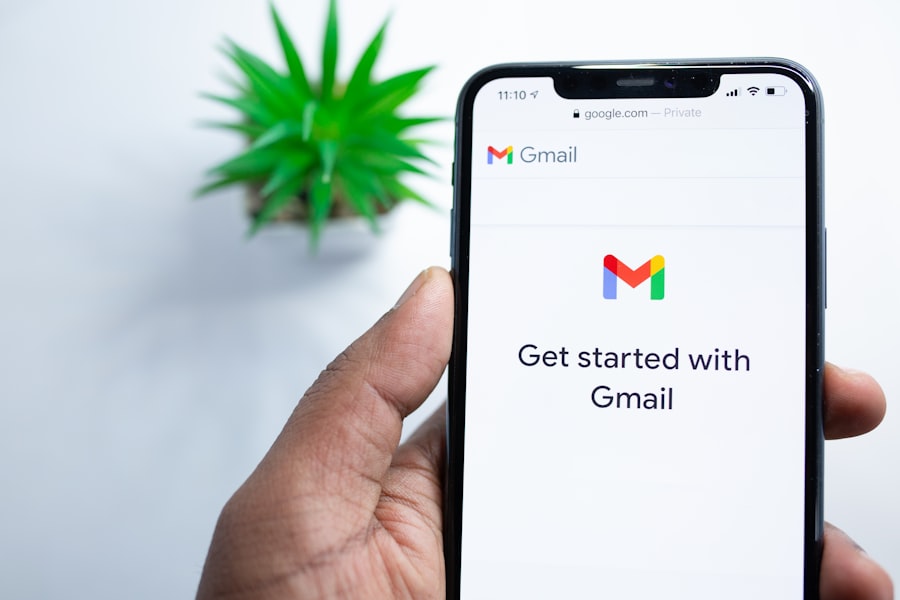
Even the most brilliant email campaign is useless if your emails never reach your subscribers’ inboxes. Deliverability is about ensuring your messages get through the spam filters and land where they should. Compliance ensures you’re operating legally and ethically, avoiding penalties and building trust.
Mastering Deliverability: Your Path to the Inbox
Deliverability is a complex interplay of factors, but by focusing on a few key areas, you can significantly improve your chances of landing in the inbox.
Building and Maintaining a Healthy Sender Reputation
Your sender reputation is like your email credit score. Email providers (like Gmail, Outlook) use it to decide whether to filter your emails to the inbox or spam folder.
- Consistent Sending Habits: Send emails regularly, but don’t overwhelm your subscribers.
- High Engagement Rates: Emails with good open and click-through rates signal to providers that your content is valuable.
- Low Spam Complaint Rates: The most damaging factor. Ensure you’re only emailing people who have opted in.
- Accurate List Management: Regularly clean your list of invalid or inactive emails.
- Authentication: Implement SPF, DKIM, and DMARC records to verify your domain and prove your legitimacy.
List Hygiene: Cleaning Up for Better Deliverability
A clean list is a happy list, and it’s crucial for good deliverability.
- Regularly Remove Bounced Emails: Immediately remove hard bounces from your list. Address soft bounces after a few attempts.
- Identify and Re-engage Inactive Subscribers: If a subscriber hasn’t engaged for an extended period, try to re-engage them with a special offer or re-permissioning campaign. If they still don’t engage, consider removing them.
- Use Double Opt-In: This process requires subscribers to confirm their subscription via a link in an initial email. While it may slow list growth, it ensures a highly engaged and committed list.
Avoiding Spam Triggers and Filters
Spam filters are sophisticated, but understanding common triggers can help you avoid them.
- Spammy Subject Lines: Avoid excessive capitalization, exclamation points, and trigger words (e.g., “free money,” “act now”).
- Spammy Content: Overuse of sales language, too many exclamation marks, or misleading content can flag your email.
- Poorly Formatted Emails: Large blocks of text, broken links, or excessive images without alt text can be problematic.
- Ignoring Subscriber Preferences: Sending content that isn’t relevant to a subscriber’s interests or sending too frequently.
Navigating Compliance: Protecting Your Business and Your Subscribers
Compliance isn’t just about avoiding fines; it’s about building trust and demonstrating respect for your subscribers’ privacy.
Understanding Key Regulations
- GDPR (General Data Protection Regulation): For businesses operating in or marketing to individuals in the European Union. Focuses on consent, data rights, and transparency.
- CAN-SPAM Act (Controlling the Assault of Non-Solicited Pornography and Marketing Act): For businesses operating in the United States. Sets rules for commercial email and grants recipients the right to stop emails from reaching them.
- Other Regional Laws: Be aware of data privacy laws in any other regions where you market your services.
Essential Compliance Practices
- Obtain Explicit Consent: Never add someone to your email list without their clear and affirmative consent.
- Provide a Clear Unsubscribe Option: Every email must include an easy-to-find link for subscribers to opt out.
- Honor Unsubscribe Requests Promptly: You must process unsubscribe requests within a legally specified timeframe (e.g., 10 business days under CAN-SPAM).
- Include Your Physical Address: Commercial emails must include a valid postal address.
- Be Transparent About Data Usage: Clearly explain how you will use their email address and what kind of content they can expect.
- Use a Reputable Email Service Provider (ESP): Most ESPs have built-in features to help you comply with regulations.
For service-based businesses looking to enhance their email marketing strategies, understanding how to improve email deliverability is crucial. A related article that delves into this topic is available at Boost Email Deliverability with Dynamic Content, which offers valuable insights on utilizing dynamic content to engage your audience more effectively. By implementing these strategies, businesses can ensure their emails reach the intended recipients and foster stronger client relationships.
Integrating Email Marketing with Your Overall Business Strategy: A Cohesive Approach
| Strategy | Description |
|---|---|
| Targeted Email Lists | Creating segmented email lists based on customer preferences and behaviors. |
| Personalized Content | Customizing email content to address individual customer needs and interests. |
| Mobile Optimization | Ensuring that emails are optimized for mobile devices to reach a wider audience. |
| Clear Call-to-Action | Including a clear and compelling call-to-action to encourage customer engagement. |
| Analytics and Testing | Using data analytics to measure email performance and testing different strategies for improvement. |
Email marketing shouldn’t operate in a silo. It’s a powerful component that should be woven into the fabric of your entire business strategy to amplify your successes and drive sustainable growth.
Synergy with Other Marketing Channels: A Multi-Channel Attack
Your email marketing efforts should complement, not compete with, your other marketing activities.
Social Media Collaboration
- Promote Email List Sign-ups: Use social media to drive traffic to your lead magnet landing pages.
- Share Email Content: Repurpose valuable content from your emails into social media posts, teasing more in-depth information available via your email list.
- Run Joint Campaigns: Collaborate on campaigns where social media drives initial awareness and email nurtures leads.
Website Integration
- Clear Calls to Action: Ensure your website prominently features opportunities to join your email list.
- Personalized Website Experiences: If possible, use email data to personalize content or offers on your website for logged-in users.
- Post-Interaction Follow-ups: If a user completes a form on your website, trigger a relevant email sequence.
Content Marketing Alignment
- Distribute Your Content: Use your email list to share your blog posts, videos, and other content.
- Gather Content Ideas: Use email surveys and engagement data to understand what topics your audience is interested in, informing your content strategy.
- Drive Traffic to Content: Emails can be a significant driver of traffic back to your website’s valuable resources.
Measuring the True ROI of Email Marketing: Beyond Clicks and Opens
While open and click-through rates are important, the ultimate measure of email marketing’s success is its contribution to your bottom line.
Tracking Revenue Attributed to Email
- Use UTM Parameters: Tag links in your emails so you can accurately track conversions in your analytics platform.
- Set Up Conversion Goals: Define what constitutes a conversion (e.g., a booked appointment, a completed purchase) in your tracking software.
- Analyze Customer Lifetime Value (CLV): Email marketing plays a significant role in client retention and repeat business, directly impacting CLV.
The Long-Term Impact on Client Relationships
Beyond direct sales, email marketing fosters loyalty, builds trust, and keeps your business top-of-mind. This intangible value is critical for the sustained success of any service business. You’re not just sending emails; you’re building a community and nurturing long-term relationships that translate into consistent revenue and valuable referrals. You are empowering yourself to connect, educate, and convert, transforming your email list into a dynamic engine for your service business.
FAQs
What are some effective email marketing strategies for service-based businesses?
Some effective email marketing strategies for service-based businesses include segmenting your email list, personalizing your emails, providing valuable content, using automation to send targeted messages, and optimizing for mobile devices.
How can service-based businesses use email marketing to generate leads and sales?
Service-based businesses can use email marketing to generate leads and sales by offering exclusive promotions, showcasing customer testimonials, providing educational content, and nurturing leads through targeted email campaigns.
What are the benefits of using email marketing for service-based businesses?
The benefits of using email marketing for service-based businesses include building and maintaining customer relationships, increasing brand awareness, driving website traffic, generating leads and sales, and providing a cost-effective marketing channel.
How can service-based businesses measure the success of their email marketing efforts?
Service-based businesses can measure the success of their email marketing efforts by tracking key metrics such as open rates, click-through rates, conversion rates, unsubscribe rates, and overall return on investment (ROI) from email campaigns.
What are some best practices for service-based businesses to follow when implementing email marketing strategies?
Some best practices for service-based businesses to follow when implementing email marketing strategies include obtaining permission before sending emails, ensuring emails are mobile-friendly, testing different subject lines and content, maintaining a consistent sending schedule, and complying with email marketing regulations such as GDPR and CAN-SPAM.