


Alright, let’s dive into crafting a listicle that will make your multi-channel customer engagement soar. As your Listicle Content Architect, I’m here to guide you through ten powerful email marketing strategies, ensuring your message resonates across every touchpoint. Get ready to elevate your customer relationships from basic to brilliant.
This isn’t just about sending emails; it’s about creating a unified experience. Think of your email marketing as the conductor of an orchestra, ensuring all other instruments (social media, your website, SMS, even in-app messages) play in harmony. Without this integration, your customer journey will feel disjointed, like a solo performance with no audience.
1.1 Leverage Your Website for Email Sign-Ups and Lead Nurturing
Your website is your digital storefront, and it’s the perfect place to capture interested individuals. Think beyond a simple “sign up for our newsletter” box.
1.1.1 Embedded Sign-Up Forms in High-Traffic Areas
Strategically place opt-in forms on your homepage, blog posts, product pages, and even your “contact us” page. Make it easy for visitors to subscribe by offering clear value propositions. What will they get? Exclusive content? Discounts? Early access? Be specific.
1.1.2 Exit-Intent Pop-Ups Offering a Tempting Incentive
As a visitor is about to leave your site, a well-timed pop-up can be a lifesaver. Offer a compelling reason to stay, like a percentage discount on their first purchase, a free downloadable guide related to your industry, or entry into a giveaway. This is a last-ditch effort that can often yield high conversion rates if executed with finesse and not annoyance.
1.1.3 Personalized Content Recommendations Based on Website Activity
Once someone subscribes, start tailoring their email experience based on what they’ve browsed. If they’ve spent a lot of time on a particular product category, send emails highlighting new arrivals, related items, or customer testimonials for those products. This demonstrates you’re paying attention and understand their interests.
1.2 Connect Email to Your Social Media Presence for Cross-Promotion
Your social media platforms are where many of your customers spend their time. You need to bridge the gap between these channels and your inbox.
1.2.1 Promote Email Newsletter Sign-Ups on Social Media Bios and Posts
Your social media bios are prime real estate. Include a clear call to action to join your email list. You can also create dedicated posts highlighting the benefits of your newsletter and linking to your sign-up page. Run occasional social media campaigns that incentivise email sign-ups, like contests where entry requires newsletter subscription.
1.2.2 Drive Social Engagement from Email Campaigns
Don’t just send emails. Encourage recipients to engage with you on social media. Include social media icons in your email footers with clear calls to action like “Follow Us on [Platform] for Daily Updates” or “Share Your Thoughts on [Topic] with Us on Twitter.” You can even run email-exclusive contests or Q&A sessions that require social media interaction for participation.
1.3 Integrate with SMS Marketing for Real-Time Alerts and Offers
SMS marketing offers a level of urgency and immediacy that email can’t always match. When used strategically, it can powerfully complement your email efforts.
1.3.1 Offer SMS opt-ins within email campaigns
Ask your email subscribers if they’d also like to receive timely updates via SMS. This is a fantastic way to segment your audience further and provide even more targeted communication. For example, someone interested in flash sales might opt-in for SMS alerts.
1.3.2 Trigger SMS messages based on email engagement
If a customer clicks a link in an email about a limited-time offer, you could trigger an SMS reminder a few hours before the offer expires. This creates a sense of urgency and increases the likelihood of conversion.
In the realm of email marketing strategies for multi-channel customer engagement, it’s essential to consider how automation can enhance your campaigns. A related article that delves into this topic is titled “Creating a Master Template for Automated RSS Campaigns,” which provides insights on how to streamline your email marketing efforts through automation. You can read more about it by visiting this link: Creating a Master Template for Automated RSS Campaigns. This resource can help you optimize your email strategies and improve engagement across various channels.
2. Personalize Every Email for Maximum Impact
Generic emails are like shouting into the void. Personalization is the key to making your message heard and acted upon. This goes far beyond just using a customer’s first name.
2.1 Segment Your Email List Based on Demographics and Behavior
This is the foundation of effective personalization. A one-size-fits-all approach will alienate your audience.
2.1.1 Demographic Segmentation for Targeted Messaging
Divide your list based on age, location, gender, income, and other demographic data. This allows you to tailor content to specific groups. A young audience might respond to trendy language and visual content, while an older demographic might prefer more formal, informative emails.
2.1.2 Behavioral Segmentation for Dynamic Content
This is where personalization truly shines. Segment based on purchase history, browsing behavior, email engagement (opens, clicks), abandoned carts, and loyalty program status.
2.1.3 Purchase History-Based Segmentation
If a customer recently bought a specific product, send them emails about accessories, complementary items, or care instructions. For example, someone who bought a coffee maker might receive emails about artisanal coffee beans or cleaning supplies.
2.1.4 Browsing Behavior-Based Segmentation
Did a customer repeatedly view a particular product? Send them a follow-up email with more details, customer reviews, or a special offer on that item. This shows you’ve been watching and you’re ready to help them make a decision.
2.1.5 Engagement Level Segmentation
Identify your most engaged subscribers (frequent openers, clickers) and your less engaged ones. You can send exclusive content or early access offers to your VIPs, and re-engagement campaigns to those who have become inactive.
2.2 Tailor Subject Lines and Preview Text for Individual Relevance
The subject line is your first impression. Make it count.
2.2.1 Incorporate Personalization Tokens
Beyond using their name, consider referencing their location (“A Special Offer Just for Our [City] Neighbors!”) or a past interaction (“Did You Forget Something in Your Cart?”).
2.2.2 Dynamic Subject Lines Based on User Behavior
If a user has frequently purchased a specific product category, your subject line could read: “New Arrivals Just For You in [Category Name]!” or “Don’t Miss Out on Our Latest [Category] Deals!”
2.2.3 A/B Test Subject Lines Rigorously
Always be testing. Experiment with different tones, lengths, and calls to action to see what resonates best with your audience.
2.3 Craft Dynamic Content That Adapts to Each Recipient
This is where sophisticated email platforms truly shine.
2.3.1 Personalized Product Recommendations
This is a classic for a reason. Show customers products they are likely to be interested in based on their past purchases and browsing history. This is a powerful way to increase sales and customer satisfaction.
2.3.1.1 “Customers Who Bought This Also Bought…” Sections
Showcase related items that have proven popular with other buyers. This leverages social proof and expands the customer’s discovery.
2.3.1.2 “Because You Viewed…” Recommendations
If a customer has shown interest in a particular item, present them with similar alternatives or complementary products. This is a direct response to their engagement.
2.3.2 Personalized Offers and Promotions
Offer discounts or special deals that are relevant to the individual’s interests or past spending habits. A loyal customer might receive a higher discount than a new subscriber.
2.3.3 Location-Based Content and Offers
If you have multiple physical locations or target specific regions, tailor your content to be relevant to their local area. This could include promoting local events or highlighting products available in their nearest store.
3. Automate Your Email Workflows for Consistent Engagement
Automation is your secret weapon for delivering timely and relevant messages without constant manual effort. It ensures no customer falls through the cracks.
3.1 Implement Welcome Series for New Subscribers
The initial interaction with a new subscriber is crucial for setting the tone and building a relationship.
3.1.1 Introduce Your Brand and Its Value Proposition
Your welcome email should clearly articulate who you are, what you do, and why the subscriber should care. Highlight your unique selling points and the benefits of being part of your community.
3.1.2 Set Expectations for Future Communications
Let subscribers know what they can expect from your emails regarding frequency, content, and any special offers or updates. This manages expectations and reduces the likelihood of unsubscribes due to irrelevant content.
3.1.3 Offer an Immediate Incentive
A welcome email is the perfect place to deliver a promised discount, a free resource, or early access to content. This immediate gratification reinforces their decision to subscribe.
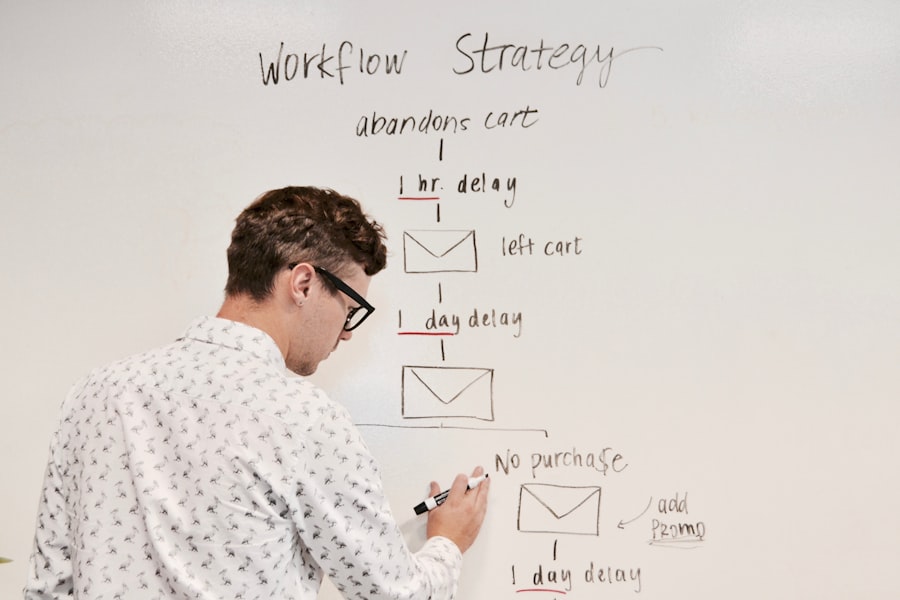
3.2 Set Up Abandoned Cart Recovery Campaigns
This is a critical revenue-generating automation. Many customers add items to their cart but leave before completing the purchase.
3.2.1 Send Timely Reminders with Clear Calls to Action
Don’t wait too long. Send the first reminder within a few hours of abandonment. Include a clear image of the abandoned items and a direct link back to their cart.
3.2.2 Offer a Small Incentive to Complete the Purchase
For those who don’t convert after the initial reminder, consider offering a small discount or free shipping on their next email. This can be the nudge they need to finalize the purchase.
3.2.3 Address Potential Objections
If possible, try to identify common reasons for abandonment (e.g., shipping costs, complex checkout process) and address them in later emails or on your website.
3.3 Create Re-engagement Campaigns for Inactive Subscribers
Don’t let your subscribers go dormant. Proactive re-engagement can win them back.
3.3.1 Offer a Compelling Reason to Re-engage
Send an email with a special offer, a survey asking for their feedback, or highlights of your most popular content. Frame it as a win-win to bring them back into the fold.
3.3.2 Use a “We Miss You” or “Last Chance” Subject Line
These types of subject lines can be effective in grabbing attention and encouraging a response.
3.3.3 Don’t Be Afraid to Clean Your List
If a subscriber consistently shows no engagement even after re-engagement efforts, it might be time to remove them from your active list. This improves your deliverability and reduces costs.
4. Prioritize Content Quality and Value Across All Channels
Your email marketing is only as good as the content you deliver. Think of every email as an opportunity to educate, entertain, or solve a problem for your audience.
4.1 Develop a Content Calendar for Consistent and Themed Campaigns
A content calendar ensures you have a steady stream of relevant and engaging material.
4.1.1 Align Content with Marketing Goals and Seasonal Events
Plan your email content around your overarching marketing objectives and incorporate relevant seasonal holidays, industry events, or product launches. This keeps your campaigns timely and impactful.
4.1.2 Incorporate Diverse Content Formats
Don’t limit yourself to plain text. Use images, videos, GIFs, infographics, and interactive elements to make your emails more visually appealing and engaging.
4.1.3 Plan for Different Customer Journey Stages
Your content should cater to prospects, new customers, loyal advocates, and even those who have churned. Each stage requires different messaging and value propositions.
4.2 Offer Exclusive Content and Irresistible Incentives
Give your subscribers a reason to open your emails and feel special.
4.2.1 Behind-the-Scenes Access
Share glimpses into your company culture, product development process, or employee spotlights. This humanizes your brand and builds a stronger connection.
4.2.2 Early Access to New Products or Sales
Make your subscribers feel like VIPs by giving them the first opportunity to purchase new items or take advantage of exclusive discounts.
4.2.3 Free Resources and Educational Materials
Provide valuable guides, e-books, webinars, or checklists that help your audience solve problems or learn something new related to your industry. This positions you as an expert and a trusted resource.
4.3 Ensure Mobile Responsiveness and Readability
A significant portion of your audience will be checking emails on their mobile devices.
4.3.1 Design for Small Screens
Use a single-column layout, large font sizes, and tappable buttons to ensure your emails are easy to read and navigate on a smartphone.
4.3.2 Optimize Image Sizes
Large image files can significantly slow down loading times on mobile. Compress your images to ensure quick delivery without sacrificing quality.
4.3.3 Test Your Emails on Multiple Devices
Before sending any campaign, test how it looks and functions on various mobile devices and email clients to identify and fix any rendering issues.
In the realm of email marketing strategies for multi-channel customer engagement, understanding the intricacies of the IP warm-up process is crucial for ensuring successful email deliverability. A related article that delves into this topic is available at Understanding the IP Warm-Up Process for Email Success, which provides valuable insights on how to effectively manage your email sending reputation. By implementing these strategies, businesses can enhance their overall engagement and reach their target audience more effectively.
5. Track, Analyze, and Optimize Your Campaigns Relentlessly
| Metrics | Data |
|---|---|
| Email Open Rate | 25% |
| Email Click-Through Rate | 5% |
| Conversion Rate | 3% |
| Subscriber Growth Rate | 10% |
| Engagement Rate | 15% |
Data is your compass. Without it, you’re sailing blind. Continuously analyzing your email marketing performance is key to improvement.
5.1 Key Performance Indicators (KPIs) to Monitor
Understand what metrics matter most for your email marketing success.
5.1.1 Open Rate
This measures the percentage of recipients who opened your email. It’s a good indicator of subject line effectiveness and sender reputation.
5.1.2 Click-Through Rate (CTR)
This indicates the percentage of recipients who clicked on a link within your email. It reflects the appeal of your content and calls to action.
5.1.3 Conversion Rate
This is the ultimate measure of success: the percentage of recipients who completed a desired action (e.g., made a purchase, downloaded a resource) after clicking through from your email.
5.1.4 Unsubscribe Rate
A high unsubscribe rate can signal issues with content relevance, sending frequency, or list segmentation.
5.1.5 Bounce Rate
This indicates the percentage of emails that were not delivered. High hard bounce rates can negatively impact your sender reputation.
5.2 Utilize A/B Testing for Continuous Improvement
Experimentation is vital for understanding what resonates with your audience.
5.2.1 Test Subject Lines
As mentioned earlier, subject lines are critical for open rates. Test variations in length, tone, personalization, and emojis.
5.2.2 Test Calls to Action (CTAs)
Experiment with different CTA button text, colors, and placement to see what drives the most clicks.
5.2.3 Test Email Content and Layout
Try different visual elements, storytelling approaches, and content formats to see what captures attention and encourages engagement.
5.3 Analyze Customer Feedback and Engagement Patterns
Listen to your audience. Their responses are invaluable.
5.3.1 Monitor Replies to Your Emails
Direct replies are a goldmine of information about what’s working and what’s not.
5.3.2 Track Social Media Mentions and Comments Related to Your Emails
See how your email campaigns are being discussed and received on social platforms.
5.3.3 Conduct Regular Surveys
Ask your subscribers directly about their preferences, what kind of content they want to see, and how you can improve your email communications. This proactive approach can prevent issues before they arise.
FAQs
What is multi channel customer engagement in email marketing?
Multi channel customer engagement in email marketing refers to the practice of using various communication channels, such as email, social media, and mobile messaging, to engage with customers. This approach allows businesses to reach customers through different platforms and touchpoints, increasing the likelihood of customer interaction and response.
Why is multi channel customer engagement important in email marketing?
Multi channel customer engagement is important in email marketing because it allows businesses to connect with customers through their preferred channels, increasing the chances of reaching and engaging with them. By utilizing multiple channels, businesses can create a cohesive and personalized customer experience, leading to higher engagement and conversion rates.
What are some effective strategies for multi channel customer engagement in email marketing?
Some effective strategies for multi channel customer engagement in email marketing include integrating email with social media platforms, using personalized and targeted messaging across channels, and leveraging customer data to create relevant and timely communications. Additionally, implementing automation and segmentation can help businesses deliver the right message to the right customer at the right time.
How can businesses measure the success of multi channel customer engagement in email marketing?
Businesses can measure the success of multi channel customer engagement in email marketing by tracking key performance indicators (KPIs) such as open rates, click-through rates, conversion rates, and customer engagement across different channels. Additionally, businesses can use customer feedback and surveys to gauge the effectiveness of their multi channel engagement strategies.
What are the benefits of implementing multi channel customer engagement in email marketing?
Implementing multi channel customer engagement in email marketing can lead to several benefits, including increased customer engagement and loyalty, higher conversion rates, improved brand awareness, and a more personalized and cohesive customer experience. By reaching customers through multiple channels, businesses can strengthen their relationships with customers and drive better results from their email marketing efforts.