



As the Listicle Content Architect, you understand the power of a well-crafted listicle. Your mission is to inform, engage, and provide actionable insights. Today, you’re tackling a topic crucial for any business thriving in the digital age: leveraging customer data to supercharge email marketing. Get ready to transform your email campaigns from generic blasts into personalized powerhouses.
The days of mass email sends are long gone. To truly connect with your subscribers, you need to understand who they are and what they care about. This is where segmentation, powered by robust customer data, becomes your secret weapon. Think of it not just as dividing your list, but as carving out unique tribes of individuals, each with their own needs and preferences.
h3. Group by Demographics
Demographic data is the bedrock of basic segmentation. It provides a foundational understanding of your audience.
- Age and Gender: While not always the most nuanced, knowing the general age range or gender composition of a segment can inform the tone, imagery, and product recommendations you use. For example, a target audience of young adults might respond better to trendy, casual language, whereas an older demographic might appreciate more formal, detailed communication.
- Location: Geographical data is incredibly powerful. Are you promoting a local event? Offering region-specific promotions, like free shipping to certain states, or highlighting products relevant to different climates? Tailoring content based on location makes your emails immediately more relevant. Think about alerting subscribers in a specific city about store openings or local sales.
- Income Level: While often more inferred than directly asked, income level can guide your pricing strategies and product showcasing. If you sell luxury goods, you’ll target a different income bracket than if you sell budget-friendly items. This informs not just what you promote, but how you position it.
h3. Analyze Purchase Behavior
Your customers’ past purchases are a goldmine of information, revealing their preferences, spending habits, and brand loyalty. This is where you move beyond simple demographics and delve into actual engagement with your brand.
- Product Categories Purchased: If a customer consistently buys activewear, don’t bombard them with emails about formal wear. Instead, recommend new arrivals in their preferred category, complementary accessories, or even content related to fitness. This shows you understand their interests and value their time.
- Purchase Frequency: Are they one-time buyers or returning customers? Tailor your follow-up. For one-time buyers, consider a “welcome back” incentive. For loyal customers, acknowledge their loyalty with exclusive offers or early access to sales.
- Average Order Value (AOV): Segmenting by AOV allows you to identify your high-value customers. These are the individuals who warrant special attention – perhaps exclusive previews, premium support offers, or invitations to VIP events. Understanding their spending patterns helps you optimize your upsell and cross-sell strategies.
- Date of Last Purchase: This is critical for win-back campaigns. If a customer hasn’t purchased in a while, a re-engagement email with a special offer or a reminder of your value proposition can be incredibly effective. Don’t let valuable customers slip away due to inaction.
h3. Track Email Engagement
How your subscribers interact with your emails offers direct feedback on what resonates and what falls flat. Don’t ignore these vital cues.
- Open Rate: High open rates indicate compelling subject lines and sender names. Low open rates signal a need to re-evaluate your approach, potentially for specific segments.
- Click-Through Rate (CTR): This tells you which content, offers, or calls to action (CTAs) are most effective. If a segment consistently clicks on discount codes, deliver more of them. If they prefer educational content, lean into that.
- Unsubscribe Rate: While never ideal, a high unsubscribe rate for a specific segment indicates a serious mismatch between your content and their expectations. Use this feedback to refine your targeting and messaging.
- Inactive Subscribers: Identify subscribers who haven’t opened or clicked in a long time. Consider a re-engagement campaign specifically for them, or, if they remain inactive, prune them from your list to improve overall deliverability and open rates. Quality over quantity always applies here.
In the realm of enhancing email marketing performance through customer data, an insightful article titled “Crafting Effective Triggered Emails: From Welcome to Post-Purchase” provides valuable strategies for leveraging customer interactions to create impactful email campaigns. This resource emphasizes the importance of timely and relevant messaging, which can significantly boost engagement and conversion rates. For more information, you can read the article here: Crafting Effective Triggered Emails.
2. Personalize Content Dynamically
Once you’ve segmented your audience, the next logical step is to personalize the content they receive. This goes far beyond simply inserting their first name. Dynamic content changes based on the individual recipient, making each email feel tailor-made. It’s about demonstrating that you know them, understand their needs, and are here to provide value.
h3. Leverage First-Name Personalization (and Beyond)
While basic, using a subscriber’s first name in the subject line or email body can increase open rates and engagement. However, don’t stop there.
- Recipient’s Name: A classic for a reason. It immediately grabs attention and signals that the email might be relevant to them.
- Company Name/Affiliation: If your marketing is B2B, personalizing with their company name can be highly impactful, showing you’re aware of their professional context.
- Relevant Product/Service Mention: If you know they’ve browsed a specific product, refer to it by name. “Still thinking about our new running shoes, [First Name]?” is far more effective than a generic “Check out our new arrivals.”
h3. Recommend Products Based on History
This is where purchase data shines. Your customers’ past behavior is the best predictor of their future interests.
- Past Purchases: Recommend complementary products (cross-selling). If they bought a new camera lens, suggest a cleaning kit or a protective case. If they bought a specific type of coffee, recommend similar roasts or brewing accessories.
- Browsing History: If a customer repeatedly views certain product pages without purchasing, follow up with an email featuring those items, perhaps with a subtle nudge like “Don’t miss out!” or a time-sensitive offer. Abandoned cart emails fall into this category and are incredibly effective.
- Wishlist Items: If your platform allows wishlists, remind customers about items they’ve explicitly expressed interest in, especially if those items go on sale or are about to sell out.
h3. Tailor Messaging for Lifecycle Stages
Think about where your customer is in their journey with your brand. Are they a new subscriber, a recent purchaser, or a long-time loyalist?
- Welcome Series: For new subscribers, don’t just dump them into your main mailing list. Create a dedicated welcome series that introduces your brand, highlights key offerings, and sets expectations. Provide value immediately.
- Onboarding Emails: If your product or service requires setup or learning, a series of onboarding emails can guide new users, answer common questions, and encourage full adoption.
- Lapsed Customer Campaigns: As discussed earlier, specific messaging designed to re-engage inactive customers can reignite their interest. Offer incentives, showcase new features, or remind them of the benefits they’re missing.
- Loyalty Programs: For your most dedicated customers, craft emails that celebrate their loyalty, offer exclusive rewards, or invite them to special events. This reinforces their value to your brand.
3. Automate Your Email Flows

The beauty of customer data is its ability to power intelligent automation. Instead of manually sending emails, you can set up triggers based on customer actions (or inactions) that automatically send highly relevant messages. This ensures timely communication, reduces manual effort, and significantly improves conversion rates.
h3. Set Up Behavioral Triggers
Behavioral triggers are the cornerstone of effective automation. They react to what your customer does.
- Abandoned Cart Recovery: This is an absolute must-have. When a customer adds items to their cart but doesn’t complete the purchase, an automated email (often a series of 2-3) can remind them, address potential objections, or offer a small incentive to convert.
- Browse Abandonment: Similar to cart abandonment, but for customers who view products without adding them to a cart. An email reminding them of the items they browsed can prompt a return to your site.
- Post-Purchase Follow-Ups: Don’t let the conversation end after a sale. Send order confirmations, shipping updates, and then follow up with product care tips, suggestions for complementary items, or even a request for a review. This enhances the customer experience and builds loyalty.
- Content Consumption: If a customer downloads an e-book or watches a webinar, follow up with related content, special offers, or an invitation to learn more. This recognizes their interest and nurtures them further down the sales funnel.
h3. Implement Lifecycle Automation
Beyond individual actions, automation can guide customers through their entire journey with your brand.
- New Subscriber Welcome Series: An automated sequence that introduces new sign-ups to your brand, highlights your value proposition, and encourages initial engagement (e.g., a first purchase or exploring your offerings).
- Re-engagement Campaigns: As previously mentioned, these are automated sequences designed to win back customers who haven’t engaged in a specified period. They can include special offers, new product highlights, or a simple “we miss you” message.
- Birthday/Anniversary Emails: A small, personalized touch like a birthday greeting with a discount code can foster goodwill and encourage a celebratory purchase. This type of automation makes customers feel valued.
- Replenishment Reminders: For products that are consumed or expire (e.g., coffee, vitamins, pet food), automated emails reminding customers to reorder can be incredibly convenient for them and boost repeat sales for you.
h3. Test and Optimize Your Flows
Automation isn’t a “set it and forget it” strategy. Continual testing and optimization are essential.
- A/B Test Subject Lines: Experiment with different phrasing, emojis, and personalization tactics to see what drives the highest open rates for each automated email.
- Vary Email Content: Within your automated sequences, test different CTAs, imagery, and copy length. Does a short, punchy message perform better, or do your customers prefer more detailed information?
- Optimize Send Times: While automation means immediate triggers, for less urgent emails, consider testing different send times to see what aligns best with when your audience is most likely to engage.
- Analyze Conversion Rates: The ultimate goal of automation is to drive conversions. Track the conversion rates of each email in your flows and identify areas for improvement. Are customers dropping off at a certain stage? What changes can you make to guide them forward?
4. Craft Hyper-Targeted Ad Audiences
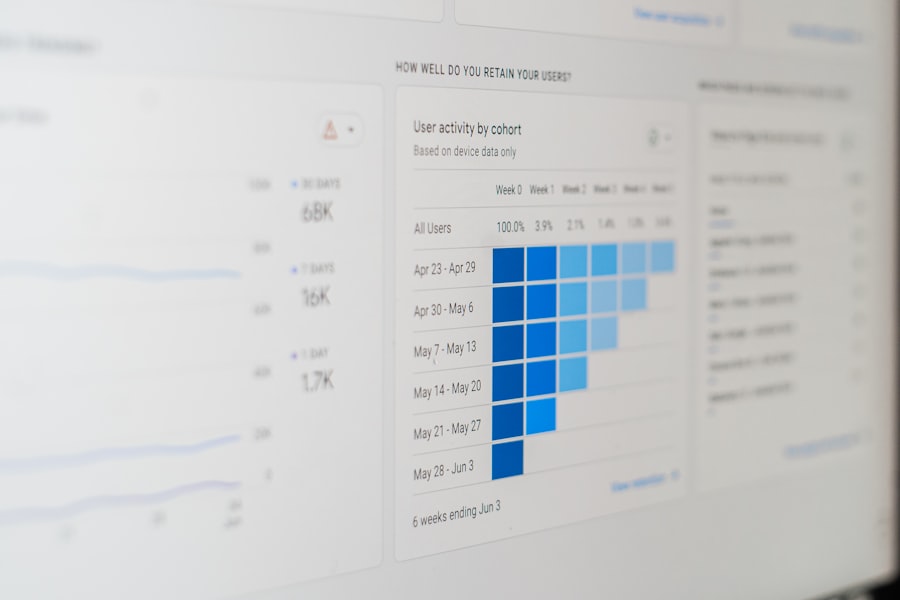

Your customer data extends far beyond your email platform. Integrating it with advertising platforms allows you to create incredibly powerful, hyper-targeted ad audiences. This means your marketing efforts are cohesive, reaching the right people with the right message, whether it’s in their inbox or on their social media feed.
h3. Create Lookalike Audiences
Lookalike audiences are a game-changer for expanding your reach to new potential customers who share similar characteristics with your existing best customers.
- Upload Your Customer List: Take your email subscriber list, purchasers, or even your most loyal customers, and upload them to platforms like Facebook Ads, Google Ads, or LinkedIn Ads.
- Platform Generates Similarity: The ad platform then analyzes the demographics, interests, and behaviors of your uploaded list and identifies millions of other users who “look like” them.
- Target New Prospects: You can then run targeted ad campaigns to these lookalike audiences, with a much higher probability of converting them compared to broad targeting. This leverages the intelligence of your existing customer base to cost-effectively acquire new leads.
h3. Retarget Website Visitors
Never let a potential customer leave your website and forget about you. Retargeting is a highly effective way to bring them back.
- Pixel Installation: Install tracking pixels (like the Facebook Pixel or Google Ads tag) on your website. These snippets of code track visitor behavior without collecting personally identifiable information.
- Segment by Page Visits: Create audience segments based on which pages visitors viewed. For instance, an audience for those who visited product page X, another for those who read blog post Y.
- Dynamic Product Ads: For e-commerce, show visitors ads for the exact products they viewed but didn’t purchase. This is incredibly powerful and reminds them of their interest.
- Offer Incentives: For those who abandoned a cart or browsed extensively, retarget them with ads offering a discount or free shipping to encourage them to complete their purchase.
h3. Exclude Existing Customers
Just as important as targeting the right people is knowing who not to target.
- Save Ad Spend: There’s no point in showing “New Customer Welcome” ads to someone who just made a purchase or has been a loyal customer for years. By excluding existing customers from acquisition campaigns, you prevent ad fatigue and wasted ad spend.
- Personalized Messaging: This allows you to show them different ads tailored to their customer status (e.g., loyalty program benefits, new product lines for existing customers) rather than generic acquisition messages.
- Improve Ad Experience: Customers appreciate not being repeatedly shown irrelevant ads. Excluding them from certain campaigns contributes to a better overall brand experience.
In the quest to enhance email marketing performance, leveraging customer data is crucial for tailoring content and improving engagement rates. A related article discusses innovative strategies for automating newsletters, which can significantly streamline the process of delivering personalized content to subscribers. By exploring the intersection of automation and customer insights, marketers can create more effective campaigns. For further insights, you can read about this approach in the article on automating your news digest newsletter.
5. Measure, Analyze, and Iterate Constantly
| Metrics | Data |
|---|---|
| Open Rate | 25% |
| Click-Through Rate | 10% |
| Conversion Rate | 5% |
| Customer Segmentation | Yes |
| Personalization | High |
Your customer data is not a static resource; it’s a living, breathing entity that provides continuous feedback. The most successful email marketers aren’t just sending emails; they’re constantly learning, adapting, and refining their strategies based on the insights gleaned from their data. This iterative process is what turns good email marketing into truly exceptional email marketing.
h3. Track Key Performance Indicators (KPIs)
Knowing which metrics truly matter is paramount. Don’t drown in data; focus on the KPIs that directly impact your goals.
- Open Rate (OR): Percentage of recipients who open your email. Indicates subject line effectiveness and list health.
- Click-Through Rate (CTR): Percentage of recipients who click a link in your email. Shows how engaging your content and CTAs are.
- Conversion Rate: Percentage of clicks that lead to a desired action (purchase, download, sign-up). The ultimate measure of email campaign effectiveness.
- Unsubscribe Rate: Percentage of recipients who opt out. A healthy benchmark is typically below 0.5%. High rates signal message-audience mismatch.
- Revenue Per Email (RPE) / Revenue Per Subscriber (RPS): Directly measures the financial impact of your campaigns. Vital for understanding ROI.
- Churn Rate: The rate at which subscribers leave your list over a given period.
- List Growth Rate: How quickly your email list is expanding. A healthy list is a growing list.
h3. A/B Test Everything
A/B testing (or split testing) is your best friend in the optimization game. It allows you to compare two versions of an email element to see which performs better.
- Subject Lines: Test different lengths, incorporating emojis, asking questions, or using urgency.
- Call-to-Action (CTA): Experiment with button color, text (e.g., “Shop Now” vs. “Learn More”), and placement.
- Email Layout & Design: Does a single-column layout outperform a multi-column design? Do images make a difference?
- Headlines & Copy: Test different opening lines, value propositions, and body content.
- Send Times & Days: For general broadcasts, experiment to find the optimal window when your audience is most receptive.
h3. Conduct Regular Data Audits
Your customer data needs regular cleaning and evaluation to remain effective.
- Clean Your List: Regularly remove inactive subscribers, bounced emails, and duplicate entries. A smaller, engaged list is always better than a large, unengaged one from a deliverability and ROI perspective.
- Update Customer Profiles: Ensure your customer data is as current as possible. Encourage customers to update their preferences.
- Identify Data Gaps: Are there crucial pieces of information you’re missing that could improve your segmentation or personalization? Consider survey emails or progressive profiling on your website.
- Analyze Trends: Look beyond individual campaign results. Are your open rates generally increasing or decreasing over time? Is your conversion rate improving for specific segments? Identifying these overarching trends informs your long-term strategy.
By meticulously applying these five strategic approaches, driven by your invaluable customer data, you won’t just be sending emails; you’ll be delivering highly relevant, engaging, and conversion-driving experiences directly to your audience’s inbox. This commitment to data-driven email marketing is what sets exceptional campaigns apart.
FAQs
What is customer data in email marketing?
Customer data in email marketing refers to the information collected from customers, such as their demographics, purchase history, browsing behavior, and interactions with the brand. This data is used to personalize and target email marketing campaigns.
How can customer data improve email marketing performance?
Customer data can improve email marketing performance by allowing marketers to create more targeted and personalized campaigns. By using customer data to segment the audience, personalize content, and send relevant offers, marketers can increase engagement, open rates, click-through rates, and ultimately, conversions.
What are some examples of customer data used in email marketing?
Examples of customer data used in email marketing include customer demographics (age, gender, location), purchase history, browsing behavior, email engagement (open rates, click-through rates), and interactions with the brand (such as signing up for a newsletter or abandoning a shopping cart).
What are the best practices for using customer data in email marketing?
Best practices for using customer data in email marketing include obtaining consent for data collection, ensuring data security and privacy, segmenting the audience based on customer data, personalizing email content, testing different strategies, and continuously analyzing and optimizing campaigns based on customer data insights.
What are the potential challenges of using customer data in email marketing?
Potential challenges of using customer data in email marketing include data privacy regulations (such as GDPR), data security concerns, data accuracy and quality, managing and analyzing large volumes of data, and the need for ongoing maintenance and updates to keep customer data relevant and effective for email marketing campaigns.