


You’re sending out emails. That’s great! You’ve probably got a growing list, a snazzy template, and compelling calls to action. But are your emails truly connecting? Or are they merely adding to the cacophony of your subscribers’ inboxes, destined for the digital graveyard of spam folders and unread messages? If you’re still broadcasting one-size-fits-all messages to your entire subscriber list, you’re missing out on a colossal opportunity. You’re effectively shouting into a megaphone in a crowded room, hoping someone, anyone, hears you. This is where the power of email segmentation swoops in, transforming your generic blasts into hyper-targeted, deeply personal interactions.
The Problem with One-Size-Fits-All Email: Your Subscribers Are Unique
Imagine walking into a store and being offered the same product as everyone else, regardless of your needs, tastes, or past purchases. You’d likely feel overlooked, unvalued, and perhaps even annoyed. That’s precisely how your subscribers feel when they receive generic emails.
Acknowledging Diverse Needs and Interests
Your subscriber list isn’t a monolith. It’s a vibrant tapestry of individuals, each with their own unique motivations for connecting with your brand. Some might be new leads, still exploring what you offer. Others might be loyal customers, ready for an upgrade or a complementary product. Still others might be dormant, needing a gentle nudge to re-engage. Failing to acknowledge these diverse needs is like trying to convince a vegetarian to buy a steak. It’s futile and counterproductive.
The Cost of Irrelevance: Unsubscribes and Ignored Messages
When your emails aren’t relevant, your subscribers have two primary ways of telling you: they either unsubscribe or they simply ignore your messages. Both outcomes are detrimental to your email marketing efforts. An unsubscribe means a lost lead or customer, and a high unsubscribe rate signals a deeper problem with your content strategy. Ignored emails, while less dramatic, actively harm your deliverability rates. Email providers track engagement, and if your emails are consistently going unread, they’re more likely to be filtered into spam folders in the future, even for engaged subscribers. You’re essentially training email algorithms to perceive your messages as unimportant.
In the ever-evolving landscape of digital marketing, understanding the significance of tailored communication is crucial. A related article that delves deeper into the nuances of effective email strategies is titled “The Importance of Email Newsletters: Best Practices.” This piece highlights how personalized newsletters can enhance engagement and retention, reinforcing the idea that email segmentation is far superior to one-size-fits-all campaigns. For more insights, you can read the article here: The Importance of Email Newsletters: Best Practices.
Unpacking the “Why”: The Irresistible Benefits of Segmentation
So, you understand the problem. Now, let’s delve into the compelling reasons why you, as a marketer, absolutely need to embrace email segmentation. It’s not just a fancy buzzword; it’s a strategic imperative that delivers tangible results.
Boosting Open Rates: Getting Past the Inbox Gatekeepers
Think about your own inbox. Which emails do you open? The ones that pique your interest, right? Personalized subject lines and preheaders, crafted with a specific segment in mind, are far more enticing than generic ones.
The Allure of Relevance in Subject Lines
When you segment your audience, you can tailor your subject lines to resonate with their specific pain points, desires, or past behaviors. For example, instead of “New Products Arrived,” imagine “Exclusive Sneak Peek: [Product Category] Just For You!” for a segment of past purchasers in that category. Or, “We Miss You! Here’s 20% Off Your Next Purchase” for dormant subscribers. These personalized touches dramatically increase the likelihood of your email being opened.
Enhanced Deliverability: Building Trust with ISPs
Email Service Providers (ESPs) and Internet Service Providers (ISPs) are constantly working to protect their users from unwanted mail. They look at engagement metrics – open rates, click-through rates, and even replies – to determine an email sender’s reputation. When you send targeted, highly relevant emails, your engagement metrics improve across the board. This signals to ISPs that your emails are valuable to your subscribers, leading to better deliverability and fewer messages ending up in spam folders. You’re building a relationship of trust not just with your audience, but with the gatekeepers of their inboxes.
Skyrocketing Click-Through Rates: Guiding Them to Action
Opening an email is just the first step. The ultimate goal is for your subscribers to take action, whether that’s visiting your website, making a purchase, or downloading a resource. Segmentation makes this conversion journey significantly smoother.
Crafting Compelling Calls to Action for Each Segment
A call to action (CTA) that works for a brand-new lead might be completely ineffective for a loyal customer. For a new lead, a CTA might be “Learn More About Our Services.” For a loyal customer who has made multiple purchases, it could be “Explore Our VIP Collection” or “Refer a Friend and Earn Rewards.” By segmenting, you can craft CTAs that directly address the individual’s stage in their customer journey and their specific interests.
Reducing Decision Fatigue: Presenting Relevant Options
Imagine being presented with a massive catalog of products, most of which you have no interest in. It’s overwhelming, isn’t it? Segmentation allows you to present only the products, services, or content that are most relevant to each subscriber. This reduces decision fatigue and makes it easier for them to find what they’re looking for, leading to higher click-through rates and a more positive user experience. You’re curating a personalized storefront in their inbox.
Driving Conversions: Turning Interest into Sales and Loyalty
Ultimately, your email marketing efforts are aimed at driving business growth. Segmentation is a powerful engine for achieving this, converting casual interest into committed action.
Personalized Product Recommendations
This is where segmentation truly shines for e-commerce businesses. Imagine a subscriber who frequently purchases hiking gear receiving an email featuring new camping equipment or a flash sale on waterproof jackets. This is far more effective than sending them a general email about kitchen appliances if they’ve never shown interest in that category. Leveraging past purchase data, browsing history, and even stated preferences allows you to deliver highly relevant product recommendations that feel like a helpful suggestion rather than a generic advertisement.
Nurturing Leads More Effectively
Not all leads are ready to buy immediately. Some need more information, reassurance, or a gentle push. Segmentation allows you to create specialized nurturing sequences based on where a lead is in your sales funnel. A lead who has downloaded an e-book might receive follow-up emails with related blog posts and case studies, while a lead who has requested a demo might receive emails outlining the benefits of your service and testimonials from happy customers. This tailored approach accelerates their journey towards conversion.
How to Get Started: Your Segmentation Blueprint


You’re convinced. Now, how do you actually implement email segmentation in your strategy? It’s not as daunting as it sounds, and you likely already have a wealth of data at your fingertips.
Leveraging Existing Data: The Treasure Chest You Already Own
Before you embark on collecting new data, take a deep dive into the information you already possess. This is often where the most valuable segmentation opportunities lie.
Demographics and Geographics
Basic demographic information like age, gender, and location can be incredibly useful. While you should always collect this respectfully and transparently, knowing your audience’s general profile can inform your content. For example, a retailer might promote winter clothing to subscribers in colder climates and summer attire to those in warmer regions. Similarly, events can be promoted to local subscribers only, avoiding irrelevant communications for others.
Purchase History: The Goldmine of Insights
This is arguably one of the most powerful segmentation criteria. What have your subscribers bought in the past? How often do they purchase? What’s their average order value? This data allows you to:
- Recommend complementary products: If someone bought a camera, suggest lenses or camera bags.
- Target repeat customers with loyalty programs: Offer exclusive discounts or early access to new products.
- Identify lapse customers: Send win-back campaigns to re-engage those who haven’t purchased in a while.
- Segment by value: Treat your high-value customers differently with premium content or dedicated support.
Website Behavior: Decoding Their Digital Footprints
Your website analytics platform is a goldmine of behavioral data. What pages have your subscribers visited? What products have they viewed but not purchased? Have they abandoned a cart?
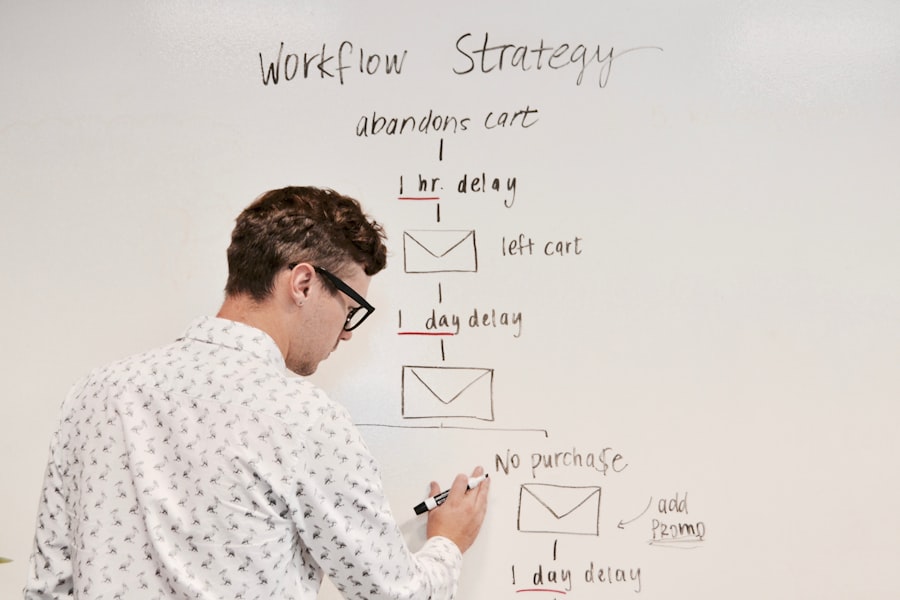
- Abandoned Cart Recovery: This is a classic and highly effective segmentation strategy. Send automated emails reminding subscribers about items left in their cart, often with an incentive to complete the purchase.
- Browsing History: If a subscriber repeatedly views a particular category of products, send them emails showcasing new arrivals or deals in that category.
- Content Consumption: If they frequently read your blog posts about “digital marketing tips,” segment them for future emails related to that topic or offer them a course on advanced digital marketing.
Gathering New Insights: Asking the Right Questions
While existing data is crucial, don’t be afraid to proactively gather more information from your subscribers. This can be done subtly and with clear value propositions.
Preference Centers: Giving Subscribers Control
Instead of guessing what your subscribers want, ask them! A well-designed preference center allows subscribers to tell you:
- How often they want to receive emails.
- What topics they are most interested in.
- Their preferred communication style.
- The types of promotions they want to receive.
This not only provides invaluable segmentation data but also increases subscriber satisfaction and reduces opt-outs. When you empower your audience, they become more engaged.
Surveys and Quizzes: Engaging and Informative
Short surveys or engaging quizzes can be a fun way to gather additional data while providing value to your subscribers. For example, a quiz like “What’s Your Travel Style?” could help a travel company segment its audience into groups like “adventure seekers,” “luxury travelers,” or “budget explorers.” The key is to make the survey brief, relevant, and perhaps even offer a small incentive for completion.
Lead Magnet Choices: Signalling Intent
The lead magnets a subscriber chooses to download (e.g., e-books, whitepapers, templates) provide strong indicators of their interests and their stage in the customer journey. If someone downloads a beginner’s guide, they’re likely a new lead. If they download an advanced strategy guide, they’re probably more established and looking for deeper insights. Use these choices to segment them into appropriate nurturing tracks.
Advanced Segmentation Strategies: Taking It to the Next Level

Once you’ve mastered the basics, you can elevate your segmentation game with more sophisticated approaches that deliver even greater results.
Behavioral Segmentation: Timing and Triggers
Behavioral segmentation moves beyond static attributes and focuses on what your subscribers do. It’s about sending the right message at the right time, triggered by specific actions or inactions.
Engagement Levels: Who’s Hot, Who’s Not?
Categorize your subscribers based on their level of engagement with your emails.
- Highly Engaged: Those who frequently open and click. These are your VIPs; reward them, ask for referrals, and give them early access.
- Moderately Engaged: Those who open and click occasionally. Nurture them with valuable content to move them towards higher engagement.
- Less Engaged/Dormant: Those who rarely or never open. These are prime candidates for re-engagement campaigns – special offers, surveys asking for feedback, or a “we miss you” message. If they still don’t engage, consider removing them to protect your sender reputation.
Time-Based Triggers: Automating Personalization
Set up automated email sequences triggered by specific time intervals or events.
- Welcome Series: A critical sequence for new subscribers, introducing your brand and key offerings.
- Anniversary Emails: “Happy one year with us!” emails, often with a special discount.
- Birthday Emails: A personalized greeting and offer on their special day.
- Post-Purchase Follow-ups: Check-ins after a purchase, asking for reviews, offering support, or suggesting related products.
Lifecycle Segmentation: Guiding the Customer Journey
Your customers evolve. They move from prospects to first-time buyers, repeat customers, and eventually, potentially, brand advocates. Your email communication should reflect this journey.
Prospect to Buyer: Building Trust and Value
For prospects, your emails should focus on education, addressing pain points, and demonstrating the value of your solutions. This might involve case studies, testimonials, free trials, or consultations. The goal is to move them from awareness to consideration and ultimately, to conversion.
Buyer to Advocate: Fostering Loyalty and Referrals
Once someone becomes a customer, your focus shifts to retention, satisfaction, and encouraging advocacy. Emails here might include:
- Onboarding materials: Helping them get the most out of their purchase.
- Exclusive content or offers: Making them feel valued.
- Requests for reviews and testimonials.
- Referral program invitations.
- Surveys to gauge satisfaction and gather feedback.
This lifecycle approach ensures that your message is always relevant to where your customer is on their journey with you, maximizing their lifetime value.
Email segmentation is a crucial strategy for enhancing the effectiveness of marketing campaigns, as highlighted in the article on smart list management. By tailoring messages to specific audience segments, businesses can significantly improve engagement and conversion rates. For those looking to deepen their understanding of this topic, the article provides valuable insights and practical tips. You can read more about it in this smart list management guide.
Putting It All Together: Your Personalized Path to Success
“`html
| Metrics | One-Size-Fits-All Campaigns | Email Segmentation |
|---|---|---|
| Open Rate | Lower | Higher |
| Click-Through Rate | Lower | Higher |
| Conversion Rate | Lower | Higher |
| Customer Engagement | Lower | Higher |
| Customer Satisfaction | Lower | Higher |
“`
The power of email segmentation isn’t just about sending different messages; it’s about meaningful connection. It’s about treating each subscriber as an individual, understanding their needs, and providing them with information that genuinely adds value to their lives.
When you embrace segmentation, you move beyond the broadcast and enter into the realm of personalized communication. You stop shouting into the void and start having targeted conversations. This approach doesn’t just feel better for your subscribers; it tangibly improves your open rates, click-through rates, conversion rates, and ultimately, your bottom line.
Start small. Choose one or two key segmentation criteria and build from there. Analyze your results, learn from your campaigns, and continuously refine your segments. The journey towards hyper-personalization is an ongoing one, but the rewards are immense. By understanding and addressing the unique needs of your audience, you’re not just sending emails; you’re building relationships, fostering loyalty, and turning casual subscribers into superfans. The future of email marketing is personal, and the path to that future is paved with strategic segmentation.
FAQs
What is email segmentation?
Email segmentation is the practice of dividing an email list into smaller, more targeted groups based on specific criteria such as demographics, behavior, or preferences.
Why is email segmentation important?
Email segmentation allows marketers to send more personalized and relevant content to their subscribers, leading to higher open rates, click-through rates, and ultimately, better engagement and conversions.
How does email segmentation beat one-size-fits-all campaigns?
One-size-fits-all campaigns send the same message to an entire email list, while email segmentation allows for tailored messaging that resonates with specific segments of the audience, resulting in better response rates and ROI.
What are some common ways to segment an email list?
Common ways to segment an email list include demographics (age, gender, location), behavior (purchase history, website activity), and preferences (product interests, content engagement).
What are the benefits of using email segmentation in marketing campaigns?
The benefits of using email segmentation in marketing campaigns include improved engagement, higher conversion rates, better customer retention, and overall increased ROI for email marketing efforts.