



You’ve meticulously crafted your email campaigns, poured over every word, and designed stunning templates. But your efforts don’t stop once you hit “send.” In the dynamic world of email marketing, the true measure of success lies in your ability to track, analyze, and optimize. This comprehensive guide will equip you with the knowledge and strategies to maximize your revenue by effectively monitoring your email campaign performance.
Before you can maximize revenue, you need to understand what “success” actually looks like for your email campaigns. It’s not just about getting emails out; it’s about what happens after they land in your subscribers’ inboxes. By focusing on key metrics, you can gain invaluable insights into your audience, content effectiveness, and overall campaign health.
Open Rate: The First Hurdle
Your open rate is the percentage of recipients who opened your email. It’s often the first indicator of how engaging your subject line and preheader text are.
- What it tells you: A high open rate suggests your subject line is compelling and your audience recognizes your brand. A low open rate might indicate a need to revise your subject line strategies, clean your list, or re-evaluate your sender reputation.
- Factors influencing open rate:
- Subject line creativity and relevance: Is it intriguing? Does it promise value?
- Sender name recognition: Do recipients know and trust who the email is from?
- Preheader text: Does it add context and entice further?
- Sending time: Are you reaching your audience when they’re most likely to check their inbox?
- List hygiene: Are you sending to engaged subscribers, or are many addresses outdated or inactive?
- Benchmarking and optimization: Compare your open rates to industry averages. A/B test different subject lines and preheader texts to see what resonates best with your audience.
Click-Through Rate (CTR): Driving Engagement
The CTR measures the percentage of recipients who clicked on one or more links in your email. This metric is a powerful indicator of how well your email content and calls to action (CTAs) are performing.
- What it tells you: A strong CTR shows that your content is relevant, your messaging is clear, and your CTA is enticing. It demonstrates that your subscribers are taking the next step you want them to take.
- Factors influencing CTR:
- Content relevance and value: Is your email providing something genuinely useful or interesting?
- Clear and prominent CTAs: Are your buttons or links easy to spot and understand?
- Email design and layout: Is your email visually appealing and easy to navigate?
- Segmentation: Are you sending targeted content to specific audience segments?
- Mobile optimization: Is your email rendering correctly and clickable on all devices?
- Improving your CTR: Experiment with different CTA placements, button colors, and link text. Personalize your content based on subscriber data. Ensure your email is responsive for mobile users.
Conversion Rate: The Ultimate Goal
Your conversion rate is the percentage of recipients who completed a desired action after clicking a link in your email. This could be a purchase, a form submission, a download, or a registration. This is where your email marketing efforts directly connect to revenue.
- What it tells you: A high conversion rate means your entire email funnel, from subject line to landing page, is effectively guiding subscribers toward your business objectives. It’s the strongest indicator of ROI.
- Factors influencing conversion rate:
- Landing page quality: Is your landing page relevant, easy to use, and persuasive?
- Offer strength: Is your call to action delivering sufficient value?
- Audience targeting: Are you reaching the right people with the right offer?
- Seamless user experience: Is there any friction between the email and the conversion point?
- Optimizing for conversions: Conduct A/B tests on your landing pages, refine your offers, and meticulously segment your audience to ensure the right message reaches the right person.
Bounce Rate: Keeping Your List Clean
The bounce rate indicates the percentage of emails that couldn’t be delivered to the recipient’s inbox. There are two types: soft bounces (temporary issues) and hard bounces (permanent delivery failures).
- What it tells you: A high bounce rate suggests issues with your email list hygiene, potentially harming your sender reputation and deliverability.
- Managing bounces: Regularly clean your email list by removing hard bounces immediately. Address soft bounces by re-sending or further analysis. Email Service Providers (ESPs) typically handle this automatically, but it’s crucial to monitor the rate.
- Impact on sender reputation: High hard bounce rates signal to internet service providers (ISPs) that you might be sending to invalid addresses, which can lead to your emails being flagged as spam.
Unsubscribe Rate: A Sign to Listen
The unsubscribe rate is the percentage of recipients who chose to opt out of your email list. While it’s natural for some subscribers to leave, a consistently high rate warrants investigation.
- What it tells you: A high unsubscribe rate indicates that your content might not be relevant, you’re sending too frequently, or your audience’s interests have shifted.
- Investigating unsubscribes: Look for patterns. Did a particular email trigger a spike in unsubscribes? Are certain segments unsubscribing more than others? Consider providing an unsubscribe survey to gather feedback.
- Responding to feedback: Use unsubscribe data to refine your content strategy, adjust sending frequency, and improve your segmentation. It’s an opportunity to learn and retain future subscribers.
In addition to understanding how businesses can track revenue from email campaigns, it’s crucial to ensure that those emails actually reach the intended recipients. A related article that delves into this topic is titled “Maximizing Email Deliverability with a Dedicated IP,” which discusses strategies for improving email deliverability rates. By implementing these strategies, businesses can enhance the effectiveness of their email campaigns and ultimately drive more revenue. For more insights, you can read the article here: Maximizing Email Deliverability with a Dedicated IP.
Advanced Tracking and Attribution: Beyond the Basics
While core metrics provide a solid foundation, truly maximizing revenue requires a deeper dive into user behavior and the journey your subscribers take. This is where advanced tracking and attribution come into play.
Using UTM Parameters for Granular Tracking
UTM (Urchin Tracking Module) parameters are tags you add to your URLs to track the source, medium, campaign, and other details of your website traffic. They are critical for understanding where your clicks lead to and what drove specific conversions.
- What they are: Small snippets of code appended to your URLs (e.g.,
?utm_source=email&utm_medium=newsletter&utm_campaign=summer_sale). - Key parameters:
utm_source: Identifies the source of traffic (e.g.,email).utm_medium: Identifies the marketing medium (e.g.,newsletter).utm_campaign: Identifies the specific campaign (e.g.,summer_sale).utm_content: Differentiates between similar content within a campaign (e.g.,button_top,text_link).utm_term: Identifies keywords for paid search, less relevant for email but good to know.- Implementing UTMs: Use a consistent naming convention. Your analytics platform (like Google Analytics) will automatically pick up this data, allowing you to see which emails drove traffic, which specific links were clicked most, and which campaigns resulted in the highest conversions.
- Attribution modeling: By tracking sales driven by your emails, you can employ attribution models to understand the contribution of email marketing within the broader customer journey. Did an email introduce a prospect, or did it close a deal after they’d already engaged with other channels?
Integrating Your Email Service Provider (ESP) with Analytics
Seamless integration between your ESP and your web analytics platform (e.g., Google Analytics, Adobe Analytics) is non-negotiable for comprehensive tracking.
- Data flow: This integration allows your ESP to pass subscriber data and campaign information to your analytics platform, and vice versa.
- Enhanced insights: You can then track individual subscriber journeys, segment users who arrived from a specific email campaign, and even see what they did on your website after clicking through.
- Mapping conversions: Clearly define conversion goals in your analytics platform and ensure your email campaigns are designed to drive these specific actions.
- Revenue attribution: This is where the magic happens. By linking email clicks to website visits and ultimately to purchases or other valuable actions, you can precisely quantify the revenue generated by each email campaign. This data is crucial for calculating your email marketing ROI.
A/B Testing: Your Path to Continuous Improvement
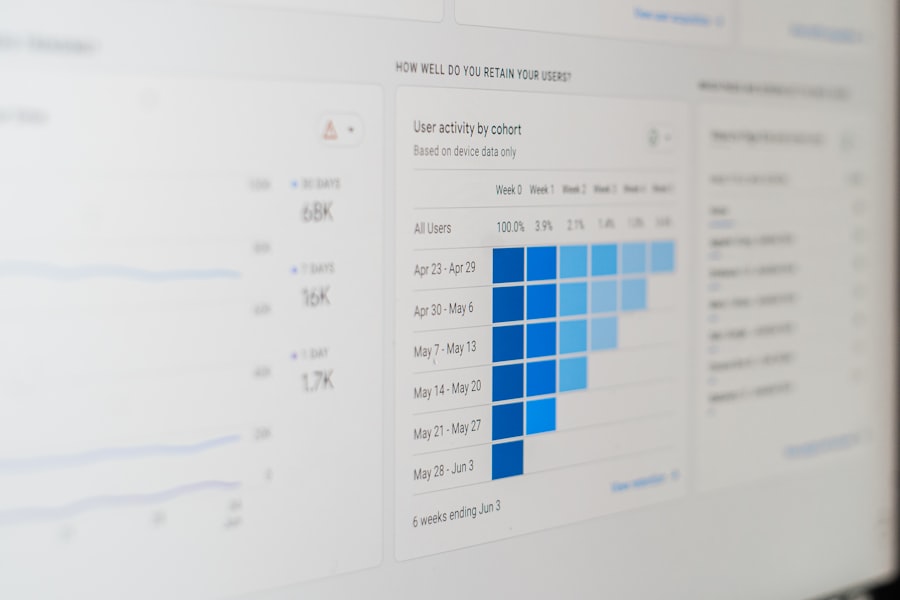
A/B testing, or split testing, involves sending two different versions of an email to a subset of your audience to see which performs better. It’s the cornerstone of data-driven optimization.
What to A/B Test
Almost every element of your email can be A/B tested to find out what resonates most with your audience.
- Subject lines: Test different lengths, emojis, personalization, urgency, or question-based vs. statement-based.
- Sender names: Compare a personal name to a company name, or a combination.
- Preheader text: Experiment with snippets that complement or extend your subject line.
- Call-to-action (CTA) text and placement: Try different wording (e.g., “Shop Now” vs. “Learn More”), button colors, or positioning within the email.
- Email design and layout: Test single-column vs. multi-column, image-heavy vs. text-heavy, or different header/footer styles.
- Personalization strategies: Does “Hi [Name]” perform better than a generic greeting?
- Offer types: See if discounts, free shipping, or bundles convert better.
- Sending times and days: Discover when your audience is most engaged.
- Image choices: Does one image evoke more clicks than another?
The A/B Testing Process
Follow a structured approach to ensure your tests yield accurate and actionable insights.
- Formulate a hypothesis: What do you expect to happen? (e.g., “I believe adding emojis to the subject line will increase our open rate by 5%”).
- Define your variable: Test only one element at a time to isolate its impact.
- Create your variations: Design version A and version B.
- Determine your sample size: Ensure it’s large enough for statistical significance, usually a subset of your total list (e.g., 10-20% for each version).
- Run the test: Send the variations simultaneously to prevent external factors from skewing results.
- Analyze results: Compare the performance of A and B against your chosen metric (e.g., open rate, CTR, conversion rate).
- Implement the winner: Adopt the winning variation for your full send.
- Document and learn: Keep a record of your tests and their outcomes to build a knowledge base.
- Statistical significance: Ensure your results aren’t just random chance. Many ESPs can calculate this for you, or you can use online calculators. Don’t make big changes based on tiny differences.
Segmentation and Personalization: Tailoring for Revenue
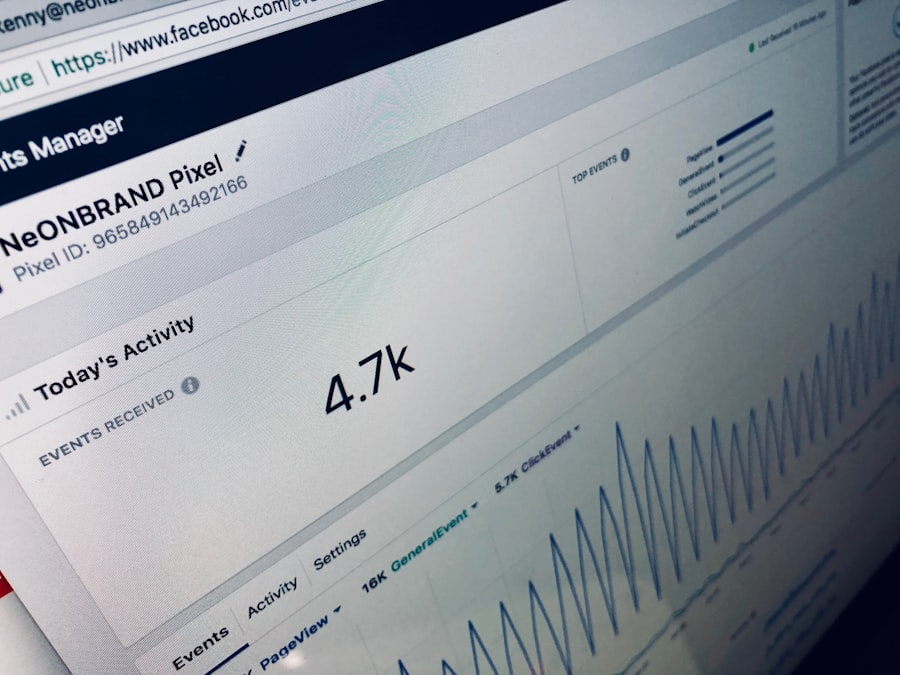
Sending generic emails to your entire list is a surefire way to leave money on the table. Segmentation and personalization allow you to deliver highly relevant content, increasing engagement and, inevitably, revenue.
Effective Segmentation Strategies
Segmentation involves dividing your email list into smaller groups based on shared characteristics or behaviors.
- Demographic data: Age, gender, location, income.
- Psychographic data: Interests, values, lifestyle (often inferred from behavior).
- Behavioral data:
- Purchase history: Send recommendations based on past purchases, “buy it again” reminders, or cross-sell/upsell opportunities.
- Website activity: Target users who browsed specific product categories, abandoned carts, or visited key pages.
- Email engagement: Segment highly engaged subscribers from those who rarely open or click. Re-engagement campaigns for the latter can be powerful.
- Customer lifecycle: Welcome series for new subscribers, loyalty programs for existing customers, win-back campaigns for lapsed customers.
- Lead status: Tailor content for leads who are “cold,” “warm,” or “hot” in your sales funnel.
- Preference centers: Allow subscribers to explicitly state their interests and how often they want to hear from you.
- The power of micro-segmentation: While broad segments are a start, the more granular you can get (without making list management overwhelming), the more effective your personalization will be.
Personalization Beyond the Name
Personalization goes beyond simply inserting a subscriber’s first name. It’s about delivering content that truly resonates with their individual needs and preferences.
- Dynamic content: Show different blocks of content within a single email based on a subscriber’s segment (e.g., different product recommendations for men vs. women).
- Product recommendations: Leverage algorithms to suggest products based on browsing history, past purchases, or the behavior of similar customers.
- Behavior-triggered emails:
- Abandoned cart reminders: Highly effective for recovering lost sales.
- Browse abandonment emails: Remind users of products they viewed but didn’t add to cart.
- Welcome series: Deliver a series of emails tailored to new subscribers, introducing your brand and key offerings.
- Post-purchase follow-ups: Offer care tips, request reviews, or suggest complementary products.
- Time-sensitive offers: Send promotions relevant to a subscriber’s local time zone or based on their historical engagement patterns.
- Content tailored to preferences: If a subscriber indicated interest in “gardening tips,” send them gardening-related articles and products, not “car maintenance guides.”
In today’s digital landscape, understanding how to effectively track revenue from email campaigns is crucial for businesses looking to optimize their marketing strategies. For those interested in diving deeper into this topic, a related article offers valuable insights on best practices and tools that can enhance email marketing efforts. You can explore this further in the article here, which discusses various methods to measure the success of your campaigns and improve overall performance.
ROI and Lifetime Value (LTV): Proving Your Worth
| Metrics | Description |
|---|---|
| Open Rate | The percentage of recipients who opened the email. |
| Click-Through Rate (CTR) | The percentage of recipients who clicked on a link within the email. |
| Conversion Rate | The percentage of recipients who completed a desired action, such as making a purchase, after clicking through the email. |
| Revenue per Email | The average amount of revenue generated from each email sent. |
| Subscriber Growth | The rate at which the email subscriber list is growing, which can impact revenue from future campaigns. |
Ultimately, tracking email campaign success is about demonstrating a return on investment (ROI) and understanding its contribution to customer lifetime value (LTV). This is how you secure budget and justify your strategies.
Calculating Email Marketing ROI
ROI measures the efficiency of your investment. For email marketing, it typically looks at the revenue generated versus the costs incurred.
- Formula:
ROI = ((Revenue from Email Marketing - Cost of Email Marketing) / Cost of Email Marketing) x 100 - Revenue from email marketing: This is where accurate attribution and UTM parameters are crucial. Sum up all sales or desired conversions directly attributed to your email campaigns.
- Cost of email marketing: Include your ESP subscription fees, email design and content creation costs (if external), employee salaries dedicated to email marketing, and any tools or software used.
- Interpreting ROI: A positive ROI means you’re making money from your email efforts. A very high ROI signifies exceptional performance and justifies further investment.
- Presenting your ROI: Clearly articulate this to stakeholders to demonstrate the tangible value of your email marketing strategy.
Email’s Contribution to Customer Lifetime Value (LTV)
LTV is the total revenue a business can reasonably expect from a single customer account over the course of their relationship. Email marketing plays a significant role in nurturing customers and increasing their LTV.
- Customer retention: Regular, valuable emails keep customers engaged with your brand, reducing churn.
- Repeat purchases: Targeted promotions, restock reminders, and personalized recommendations encourage customers to buy again and again.
- Upselling and cross-selling: Email is an excellent channel for introducing customers to higher-value products or complementary items, thereby increasing their average order value and overall spend.
- Building loyalty and advocacy: Content that provides value beyond just selling (e.g., helpful tips, exclusive content) fosters brand loyalty. Loyal customers are more likely to become advocates, referring new customers.
- Measuring LTV impact: Track LTV for segments of customers who are highly engaged with your emails versus those who are not. You’ll often find that email-engaged customers have a significantly higher LTV.
Continuous Improvement and Adaptability
The digital landscape is constantly evolving, and your email marketing strategy must evolve with it. Maximizing revenue is an ongoing process of learning, adapting, and innovating.
Stay Updated with Industry Trends
- New technologies: Keep an eye on AI-powered email tools, advanced personalization platforms, and interactive email elements.
- Privacy regulations: Stay informed about changes in data privacy laws (e.g., GDPR, CCPA) and ensure your practices are compliant.
- Email client updates: Be aware of how major email clients (Gmail, Outlook, Apple Mail) are changing, as this can affect deliverability and rendering.
Regularly Audit Your Strategy
- Performance review: Quarterly or semi-annually, conduct a thorough review of all your key metrics. Identify campaigns that excelled and those that underperformed.
- Content audit: Is your content still relevant and engaging? Are there gaps in your content library?
- Audience re-evaluation: Have your customer segments changed? Are you reaching new demographics?
- Competitor analysis: What are your competitors doing well (or poorly) in their email marketing?
Embrace Experimentation
Don’t be afraid to try new things. The next big revenue driver for your business might come from an innovative campaign or a completely new approach you haven’t yet considered. Test, learn, and iterate.
By meticulously tracking your email campaign success, understanding the ‘why’ behind your numbers, and continuously optimizing based on data, you will not only maximize your revenue but also build stronger, more lasting relationships with your audience. Your email marketing efforts will transform from a mere communication channel into a powerful engine for business growth.
FAQs
1. Why is it important for businesses to track revenue from email campaigns?
Tracking revenue from email campaigns allows businesses to measure the effectiveness of their email marketing efforts and understand the return on investment. It helps in identifying which campaigns are driving sales and which ones need improvement.
2. What are some key metrics businesses can use to track revenue from email campaigns?
Some key metrics include open rates, click-through rates, conversion rates, and the total revenue generated from each email campaign. Businesses can also track the lifetime value of customers acquired through email campaigns.
3. How can businesses track revenue from email campaigns effectively?
Businesses can track revenue from email campaigns by using analytics tools that provide insights into customer behavior, purchase patterns, and revenue attribution. They can also use unique tracking codes and UTM parameters to monitor the performance of specific email campaigns.
4. What are some best practices for optimizing revenue tracking from email campaigns?
Best practices include segmenting email lists to target specific customer groups, personalizing email content, testing different subject lines and calls-to-action, and integrating email marketing platforms with CRM systems to track revenue and customer interactions.
5. How can businesses use the data from revenue tracking to improve their email marketing strategies?
By analyzing the data from revenue tracking, businesses can identify which types of content, promotions, and offers resonate with their audience and drive sales. This information can be used to refine future email campaigns and improve overall marketing strategies.