


Email marketing. The very phrase might conjure images of overflowing inboxes and generic sales pitches. But as you venture into the digital landscape of 2026, you’ll discover that email marketing is far from dead. In fact, it’s more potent and personalized than ever before. This guide is your foundational step into harnessing its power, equipping you with the knowledge and strategies to launch your email marketing journey successfully. Consider this your launchpad, your initial toolkit, and your roadmap to building meaningful connections with your audience.
Before you even think about crafting a single email, you need to understand why email marketing is still a cornerstone of digital strategy in 2026. It’s not just about blasting promotions; it’s about building relationships, nurturing leads, and driving measurable results.
Why Email Remains King (Even in 2026)
You might be wondering, with the rise of social media, TikTok dances, and ephemeral stories, why bother with something as seemingly old-school as email? The answer is simple: ownership and direct access. Unlike social platforms, where algorithms dictate reach and your audience’s attention can be fleeting, your email list is your own. You own those contacts, and you have a direct line of communication with them, unhindered by external forces.
The Illusion of Social Media Dominance
Social media platforms are fantastic for discoverability and brand building. You can reach a vast audience, engage in conversations, and create viral content. However, you’re essentially renting space on someone else’s property. Their terms of service can change, their algorithms can shift, and your hard-earned follower count can be subject to their whims. Email, on the other hand, is your digital storefront, your direct mailbox.
The Unmatched ROI of Email Marketing
Statistically, email marketing consistently delivers one of the highest returns on investment (ROI) of any marketing channel. This isn’t a fluke; it’s a testament to its effectiveness when done correctly. You’re reaching people who have explicitly opted in to hear from you, meaning they have a pre-existing interest in your brand or offerings. This intent translates into higher engagement and conversion rates.
Building Deeper Connections Through Personalization
In 2026, generic mass emails are a relic of the past. Consumers expect personalized experiences. Email marketing, with its ability to segment your audience and tailor messages, allows you to deliver precisely what each individual wants to see. This level of personalization fosters loyalty and builds stronger, more meaningful relationships.
Defining Your Email Marketing Goals
Before you dive headfirst into creating campaigns, you need to understand what you want to achieve. Without clear goals, your efforts will be unfocused and your results will be difficult to measure.
Setting SMART Goals
Your goals should be Specific, Measurable, Attainable, Relevant, and Time-bound. Instead of “get more customers,” aim for something like: “Increase website conversions from email campaigns by 15% within the next quarter.”
Common Email Marketing Objectives
- Brand Awareness: Getting your name and message in front of a wider audience.
- Lead Generation: Encouraging sign-ups for newsletters, freebies, or consultations.
- Sales & Conversions: Driving direct purchases or bookings.
- Customer Loyalty & Retention: Keeping existing customers engaged and encouraging repeat business.
- Nurturing Relationships: Guiding potential customers through the buyer’s journey.
- Driving Website Traffic: Encouraging subscribers to visit your website for more content or offers.
For those looking to deepen their understanding of email marketing, a related article titled “Winning Back Subscribers: The Ultimate Trigger Sequence” provides valuable insights into effective strategies for re-engaging your audience. This resource complements the foundational concepts discussed in “How Email Marketing Works for Beginners in 2026” by offering practical techniques to enhance subscriber retention and boost engagement. You can read the article here: Winning Back Subscribers: The Ultimate Trigger Sequence.
Building Your Foundation: Your Email List
Your email list is the lifeblood of your email marketing efforts. It’s the curated group of individuals who have raised their hands and said, “Yes, I want to hear from you.” Building and nurturing this list is paramount.
The Art of List Building: Getting Those Opt-Ins
This isn’t about buying lists or tricking people into subscribing. It’s about ethical and strategic acquisition of interested individuals.
Lead Magnets: The Irresistible Offer
Think about what value you can offer in exchange for an email address. This is your lead magnet. It could be:
- Ebooks and Guides: In-depth content on a topic relevant to your audience.
- Checklists and Templates: Actionable resources that simplify a task.
- Webinars and Workshops: Live or recorded training sessions.
- Discounts and Freebies: Special offers for new subscribers.
- Quizzes and Assessments: Interactive tools that provide personalized results.
- Early Access or Exclusive Content: Making subscribers feel like insiders.
Strategic Placement of Sign-Up Forms
Where you place your sign-up forms matters. Consider:
- Your Website’s Homepage: A prominent banner or pop-up (use sparingly and intelligently).
- Blog Posts: Contextually relevant forms within or at the end of your articles.
- Landing Pages: Dedicated pages for specific lead magnets or offers.
- Footer: A consistent sign-up option on every page.
- About Us Page: For those who are already interested in your brand’s story.
- Social Media Bios: Linking to a landing page with a sign-up form.
The Power of Double Opt-In
While it might seem like an extra step, double opt-in is crucial for list hygiene and engagement. When a user signs up, they receive a confirmation email that they must click to verify their subscription. This ensures:
- Genuine Interest: Only truly interested individuals will complete the process.
- Reduced Spam Complaints: Minimizes the chance of someone signing up accidentally and marking your emails as spam.
- Better Data Quality: Your list will consist of active and engaged subscribers.
Segmenting Your Audience: The Key to Relevance
You wouldn’t talk to a seasoned expert the same way you’d talk to a complete beginner, right? The same applies to your email list. Segmenting your audience allows you to send more relevant and targeted messages.
Why Segmentation is Non-Negotiable
Sending the same email to everyone is like shouting into a crowded room and hoping the right person hears you. Segmentation ensures your message lands in the right ears.
Common Segmentation Strategies
- Demographics: Age, gender, location, occupation.
- Purchase History: What have they bought before?
- Engagement Level: How often do they open emails? Do they click links?
- Interests: Based on content they’ve consumed or preferences they’ve indicated.
- Stage in the Buyer’s Journey: Are they a new lead, a warm prospect, or a loyal customer?
- Behavioral Data: Website visits, cart abandonment, form submissions.
Implementing Segmentation with Your ESP
Most Email Service Providers (ESPs) offer robust segmentation tools. Learn how to use them to tag subscribers based on their characteristics and actions. This is where the magic of personalized marketing truly begins.
Crafting Compelling Emails: Content is King
Once you have your list and your segmentation strategy in place, it’s time to talk about the heart of email marketing: the content itself. This is where you’ll engage, inform, and convert your subscribers.
The Anatomy of an Effective Email
Every email you send should have a purpose and a structure that guides the reader towards that purpose.
The Irresistible Subject Line
This is your first impression. If your subject line doesn’t grab attention, your email will likely end up in the digital abyss.
Tips for Killer Subject Lines
- Be Clear and Concise: Tell them what the email is about.
- Create Urgency or Scarcity: “Limited time offer,” “Last chance.”
- Spark Curiosity: “You won’t believe this…”
- Personalize: Use their name or reference their interests.
- Use Emojis (Strategically): They can add personality and stand out, but don’t overdo it.
- Avoid Spam Triggers: Words like “free,” “guarantee,” “discount” can sometimes trigger spam filters.
- A/B Test: Always test different subject lines to see what resonates best with your audience.
The Engaging Preview Text
This short snippet of text appears next to or below your subject line in the inbox. It’s your second chance to entice them to open.
Leveraging Preview Text Effectively
- Expand on the Subject Line: Offer a bit more detail or a compelling hook.
- Create a Call to Action: “Click here to learn more!”
- Reinforce the Benefit: “Save 20% today only!”
The Compelling Email Body
This is where you deliver your message and build your relationship.
Key Elements of a Strong Email Body
- Personalized Greeting: Address the subscriber by name.
- Clear Value Proposition: What’s in it for them?
- Concise and Scannable Content: Use short paragraphs, bullet points, and headings.
- Engaging Tone: Be authentic and conversational.
- Strong Call to Action (CTA): Tell them exactly what you want them to do next.
- Visual Appeal: Use relevant images or GIFs sparingly to break up text and enhance engagement.
The Crucial Call to Action (CTA)
This is the most important part of your email. It’s the prompt that guides your subscriber to take the desired next step.
Designing Effective CTAs
- Use Action-Oriented Language: “Shop Now,” “Download Your Guide,” “Learn More,” “Book Your Spot.”
- Make it Visually Prominent: Use a button that stands out with a contrasting color.
- Be Specific: Clearly state what will happen when they click.
- Create Urgency (if applicable): “Claim Your Discount Before It’s Gone.”
- Test Different CTAs: Experiment with wording and placement.
Types of Emails You’ll Send
Your email marketing strategy will likely involve a mix of different email types, each serving a specific purpose.
Welcome Emails: Setting the Right Tone
These are the first emails your new subscribers receive. They’re crucial for setting expectations and building a positive first impression.
Crafting a Stellar Welcome Series
- Immediate Welcome: A thank you for subscribing, a confirmation of what they can expect.
- Introduction to Your Brand: Share your story, mission, or values.
- Highlight Key Resources: Point them to popular blog posts, products, or services.
- Offer an Incentive: A welcome discount or exclusive content.
Promotional Emails: Driving Sales and Offers
These are the emails focused on generating sales. They need to be compelling and provide real value.
Strategies for Successful Promotions
- Highlight Benefits, Not Just Features: How will this product or service improve their lives?
- Create a Sense of Urgency or Scarcity: Limited-time offers, limited stock.
- Use Social Proof: Testimonials, reviews, user-generated content.
- Offer Exclusive Deals: Make your subscribers feel special.
Newsletters: Keeping Your Audience Informed
Newsletters are your ongoing touchpoint with your subscribers, keeping them engaged and informed about your brand and industry.
Best Practices for Engaging Newsletters
- Consistent Schedule: Send them regularly, but don’t overwhelm.
- Valuable Content: Share insights, tips, industry news, behind-the-scenes glimpses.
- Curated Content: Link to your own blog posts and relevant external resources.
- Personalization: Tailor content based on subscriber segments.
Transactional Emails: Essential for Customer Experience
These emails are triggered by a specific action, like a purchase or an order confirmation. While functional, they’re also an opportunity to reinforce brand messaging.
Maximizing Transactional Email Potential
- Clear and Concise Information: Order details, shipping updates, account information.
- Reinforce Brand Identity: Use your branding elements consistently.
- Include a Subtle CTA: Suggest related products or services, invite reviews.
- Personalize Where Possible: A friendly closing.
Tools of the Trade: Your Email Service Provider (ESP)
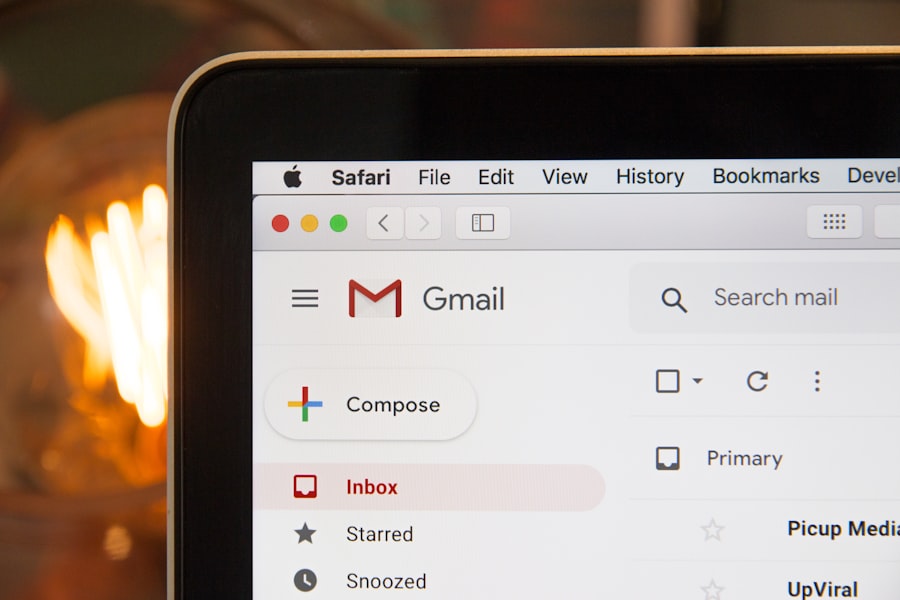
You can’t manually send thousands of emails. You need a robust Email Service Provider (ESP) to manage your list, design your emails, automate your campaigns, and track your results.
Choosing the Right ESP for You
The market is flooded with ESPs, each with its own strengths and weaknesses. Consider your budget, your technical expertise, and your specific needs.
Key Features to Look For
- List Management Capabilities: Easy import, segmentation, and organization.
- Email Builder/Editor: Drag-and-drop functionality, templates, and customization options.
- Automation Features: Welcome sequences, drip campaigns, triggered emails.
- Analytics and Reporting: Open rates, click-through rates, conversion tracking.
- Integrations: With your CRM, e-commerce platform, or other marketing tools.
- Deliverability Rates: How well your emails reach the inbox.
- Customer Support: Responsive and helpful assistance when you need it.
Popular ESP Options (as of 2026)
While specific features and pricing evolve, you’ll likely find established players and innovative newcomers. Research options like:
- Mailchimp: User-friendly, good for beginners and small businesses.
- Constant Contact: Strong customer support, good for established businesses.
- ActiveCampaign: Powerful automation and CRM features, ideal for growing businesses.
- ConvertKit: Creator-focused, excellent for bloggers and online personalities.
- HubSpot: Comprehensive marketing, sales, and service platform with email capabilities.
- Klaviyo: Specifically designed for e-commerce, with advanced segmentation and personalization.
Automating Your Campaigns: The Power of Drip and Sequences
Automation is what separates basic email sending from sophisticated email marketing. It allows you to deliver the right message at the right time, without manual intervention.
Welcome Sequences: Nurturing New Subscribers
As mentioned earlier, a well-crafted welcome sequence is vital. This is a series of automated emails sent to new subscribers over a set period.
Designing Your Welcome Sequence
- Email 1 (Immediate): Welcome and confirmation.
- Email 2 (1-2 days later): Introduce your brand and its value.
- Email 3 (2-3 days later): Share valuable content or a case study.
- Email 4 (3-5 days later): Offer a special incentive or a personalized recommendation.
- Email 5 (5-7 days later): Reiterate your value and encourage engagement.
Drip Campaigns: Guiding Prospects Through the Funnel
Drip campaigns are a series of automated emails sent out over time, designed to nurture leads and move them closer to a purchase decision.
When to Use Drip Campaigns
- Product Launches: Educating prospects about a new offering.
- Onboarding New Customers: Guiding them on how to use your product or service.
- Lead Nurturing: For leads who have shown interest but haven’t converted yet.
- Re-engagement Campaigns: For subscribers who have become inactive.
Triggered Emails: Reacting to User Behavior
These emails are sent automatically in response to specific user actions, making them highly relevant and timely.
Examples of Triggered Emails
- Abandoned Cart Emails: Reminding customers of items left in their shopping cart.
- Browse Abandonment Emails: Reaching out to users who viewed specific products but didn’t add them to their cart.
- Birthday/Anniversary Emails: Personalized greetings with special offers.
- Post-Purchase Follow-ups: Asking for reviews or offering related products.
If you’re looking to enhance your email marketing skills in 2026, you might find it beneficial to explore how multi-step forms and conditional logic can improve your lead generation efforts. A related article that delves into this topic is available at Mastering Multi-Step Forms and Conditional Logic, which provides insights on creating more engaging user experiences that can complement your email campaigns. Understanding these techniques can be a game changer for beginners aiming to optimize their marketing strategies.
Measuring Success: Analytics and Optimization
| Metrics | Beginner’s Email Marketing |
|---|---|
| Open Rate | 25% |
| Click-Through Rate | 5% |
| Conversion Rate | 2% |
| Subscriber Growth | 10% monthly |
| Engagement Rate | 15% |
You’ve built your list, crafted your emails, and set up your automations. Now, how do you know if it’s all working? This is where analytics come in.
Key Email Marketing Metrics to Track
Understanding these metrics will help you assess the effectiveness of your campaigns and identify areas for improvement.
Open Rate: The First Hurdle
This measures the percentage of recipients who opened your email.
Factors Influencing Open Rates
- Subject line quality.
- Sender name recognition.
- Time of day/week.
- List segmentation.
- Deliverability.
Click-Through Rate (CTR): Engaging with Your Content
This measures the percentage of recipients who clicked on at least one link within your email.
Boosting Your CTR
- Clear and compelling calls to action.
- Relevant and valuable content.
- Well-designed email layout.
- Personalization.
Conversion Rate: The Ultimate Goal
This measures the percentage of recipients who completed a desired action (e.g., made a purchase, downloaded a resource) after clicking through from your email.
Strategies for Increasing Conversions
- Seamless landing page experience.
- Clear and irresistible offer.
- Trust signals (reviews, security badges).
- Streamlined checkout process.
Unsubscribe Rate: A Necessary Evil
This measures the percentage of recipients who unsubscribed from your list. A high unsubscribe rate can indicate issues with your content or sending frequency.
Reducing Your Unsubscribe Rate
- Don’t over-email.
- Provide value in every email.
- Allow subscribers to manage their preferences.
- Regularly clean your list.
Bounce Rate: The Health of Your List
This measures the percentage of emails that couldn’t be delivered. There are two types:
- Soft Bounces: Temporary delivery issues (e.g., full inbox).
- Hard Bounces: Permanent delivery issues (e.g., invalid email address).
Maintaining a Healthy Bounce Rate
- Use double opt-in.
- Regularly clean your list of invalid addresses.
- Monitor bounce reasons.
A/B Testing: The Secret Weapon for Optimization
A/B testing, also known as split testing, is a method of comparing two versions of an email element to see which one performs better.
What to A/B Test
- Subject Lines: The most common and impactful element.
- Calls to Action (CTAs): Button text, color, placement.
- Email Copy: Headlines, body text, tone.
- Images and Visuals: Different graphics or their placement.
- Send Times/Days: When your audience is most likely to engage.
- Sender Name: Experiment with different variations.
How to A/B Test Effectively
- Identify a Single Variable: Change only one element at a time.
- Create Two Versions: Version A (control) and Version B (variant).
- Split Your Audience: Send Version A to one segment and Version B to another.
- Measure the Results: Track key metrics for both versions.
- Implement the Winner: Use the winning version for future campaigns.
By consistently measuring your results and iterating based on data, you’ll refine your email marketing strategy, making it more effective and profitable over time. Email marketing in 2026 is a dynamic and powerful tool. By understanding its fundamentals, building a strong foundation, crafting compelling content, leveraging the right tools, and continuously measuring your performance, you’re well on your way to mastering this essential digital marketing discipline. Now go forth and connect!
FAQs
1. What is email marketing?
Email marketing is a digital marketing strategy that involves sending promotional messages or content to a group of people via email. It is commonly used to build brand awareness, promote products or services, and nurture customer relationships.
2. How does email marketing work?
Email marketing works by collecting email addresses from potential customers and sending them targeted messages or content. Marketers use email marketing platforms to create and send emails, track open and click-through rates, and analyze the effectiveness of their campaigns.
3. What are the benefits of email marketing for beginners?
For beginners, email marketing offers a cost-effective way to reach a large audience, build brand credibility, and drive sales. It also allows for personalized communication with customers, easy tracking of campaign performance, and the ability to automate certain aspects of the marketing process.
4. What are some best practices for beginners in email marketing?
Beginners in email marketing should focus on building a quality email list, creating engaging and relevant content, optimizing for mobile devices, and adhering to email marketing regulations such as GDPR and CAN-SPAM. It’s also important to test and analyze different elements of email campaigns to improve performance.
5. What are some common mistakes to avoid in email marketing for beginners?
Common mistakes for beginners in email marketing include sending too many emails, using generic or irrelevant content, neglecting to segment the email list, and not paying attention to email deliverability and open rates. It’s also important to avoid purchasing email lists and not providing an easy way for recipients to unsubscribe.