


You’ve meticulously crafted that captivating email, chosen the perfect subject line, and you’re convinced it’s a winner. You hit send, a ripple of satisfaction courses through you, only to be met with a disappointing open rate and even lower click-throughs. What went wrong? You poured your heart into it, but it seems to have landed with a thud in a sea of inboxes. The answer, my friend, often lies not in the quality of your content, but in the lack of precision in your delivery. You’re sending the same message to everyone, hoping it resonates with a diverse audience, and you’re effectively shouting into a void. This, my friend, is where the transformative power of email segmentation steps in, ready to revolutionize your targeting success.
You might be thinking, “Isn’t it easier to just send one email to everyone?” While it might feel easier in the short term, you’re missing out on a colossal opportunity to connect with your audience on a deeper, more meaningful level. Imagine walking into a bustling marketplace. Would you try to sell a pair of high heels to someone clearly looking for hiking boots? Of course not. You’d approach them with a product that aligns with their needs and interests. Email marketing is no different. You wouldn’t send a promotional email about a beginner’s coding course to a seasoned software engineer, just as you wouldn’t send a discount on baby formula to someone who’s clearly an empty nester.
The Problem with One-Size-Fits-All Emailing
When you send generic emails, you’re essentially treating your entire subscriber list as a monolithic entity. You’re assuming they all have the same interests, the same needs, and are at the same stage of their customer journey. This approach, while seemingly efficient, is inherently inefficient. You’re sacrificing relevance for volume, and in today’s hyper-personalized digital landscape, relevance is king. Your subscribers are bombarded with emails daily, and if yours doesn’t immediately grab their attention and speak directly to their needs, it’s destined for the trash or, even worse, the spam folder. This diminishes your sender reputation, which in turn hurts your deliverability, creating a vicious cycle of underperformance.
The Core Benefits of Personalization
The magic of email segmentation lies in its ability to enable personalization at scale. You’re no longer just sending emails; you’re initiating conversations tailored to individual preferences. This isn’t just about adding a subscriber’s first name to the subject line, though that’s a good starting point. True personalization delves deeper, reflecting their past interactions, their expressed interests, and their position in your sales funnel. When you deliver content that is genuinely relevant, you’re not just increasing open and click-through rates; you’re building trust, fostering loyalty, and ultimately driving conversions. You’re showing your audience that you understand them, that you value their time, and that you’re not just another faceless entity vying for their attention.
Email segmentation is a crucial strategy for enhancing targeting and improving engagement rates in your marketing campaigns. For those looking to take their email marketing to the next level, understanding how to creatively utilize pre-designed templates can be incredibly beneficial. A related article that explores this topic in depth is titled “Unleash Your Creativity: Transforming Pre-Designed Templates into Branded Masterpieces,” which can be found at this link. This article provides insights on how to customize templates to align with your brand, making your segmented emails even more effective.
How to Segment Your Email List Effectively
Now that you’re convinced of the “why,” let’s dive into the “how.” The beauty of email segmentation is its flexibility. There’s no single right way to do it; the best approach depends on your specific business, your audience, and your marketing objectives. However, there are several foundational methods you can employ to begin carving out meaningful segments from your subscriber base. Remember, the more granular your segments, the more targeted and effective your emails can be.
Demographic Segmentation
This is often the most basic and intuitive form of segmentation. You’re dividing your audience based on readily available characteristics.
Age and Gender
While not always the most powerful differentiator on its own, knowing the age range or gender of your subscribers can inform your messaging, product recommendations, and even the visual style of your emails. For example, a skincare brand might tailor promotions for anti-aging products to an older demographic and acne solutions to a younger one.
Location
Geographic segmentation is incredibly powerful, especially for businesses with physical locations or those offering localized services. You can send event invitations to subscribers in a specific city, promote region-specific sales, or even tailor content based on local weather patterns. Imagine sending a discount on winter coats only to subscribers living in colder climates – now that’s smart marketing.
Income and Education Level
For certain industries, understanding your subscribers’ income brackets or educational background can be crucial. A luxury brand, for instance, would target high-income earners with exclusive offers, while an educational institution might tailor course recommendations based on prior qualifications.
Behavioral Segmentation
This is where segmentation gets really powerful. You’re not just looking at who your subscribers are, but what they do and how they interact with your brand.
Purchase History
One of the most effective ways to segment is by analyzing past purchases. You can recommend complementary products, offer discounts on items they frequently buy, or even trigger win-back campaigns for lapsed customers. If someone bought a camera from you, you could follow up with emails about lenses, camera bags, or photography workshops.
Website Activity
Your website is a treasure trove of behavioral data. You can segment based on pages visited, products viewed, content downloaded, or even the amount of time spent on specific sections of your site. Did they abandon a shopping cart? Send them a gentle reminder with a potential incentive. Did they browse your blog posts about vegan recipes? Send them your latest vegan cookbook.
Email Engagement
Not all subscribers are created equal in terms of engagement. You can segment based on open rates, click-through rates, and even the types of links they click. This allows you to re-engage dormant subscribers with special offers or re-permission campaigns, while rewarding your most active users with exclusive content or early access to new products.
Psychographic Segmentation
Delving deeper, psychographic segmentation focuses on your subscribers’ lifestyles, values, interests, and personalities. This requires a more nuanced approach, often gathered through surveys, quizzes, or inferred from their online behavior.
Interests and Hobbies
If you run a lifestyle brand, knowing your subscribers’ interests is paramount. Are they into fitness? Cooking? Travel? You can tailor content, product recommendations, and even blog posts to align with these passions, making your emails feel less like marketing and more like helpful recommendations.
Values and Beliefs
For mission-driven brands, understanding your audience’s values can lead to incredibly powerful connections. Do they prioritize sustainability? Social justice? Ethical sourcing? Segmenting based on these values allows you to highlight aspects of your brand that resonate deeply with their core beliefs.
Crafting Targeted Content for Each Segment
You’ve meticulously segmented your list. Now what? This is where the rubber meets the road. The true power of email segmentation isn’t just in dividing your list; it’s in creating content that speaks directly to the unique characteristics and needs of each segment. You’re moving beyond generic messages to highly relevant, compelling communications that drive action.
Tailoring Your Subject Lines
The subject line is your first impression, your gateway to the inbox. For each segment, you should craft subject lines that immediately grab their attention and promise relevant value.
Addressing Specific Needs
Instead of a generic “New Arrivals!” for everyone, consider “Winter Warmers Just for You, [Name]!” for subscribers in colder climates, or “Exclusive: New Tech Gadgets for the Early Adopter” for your tech-savvy segment. You’re not just offering, you’re solving.
Highlighting Unique Benefits
Focus on what truly matters to that specific segment. For a discount-seeker, emphasize the savings: “Flash Sale: Up to 50% Off Your Favorite Items!” For a premium customer, focus on exclusivity: “An Invitation to Our VIP Preview Event.”
Personalizing Email Body Content
Once they open, the email body must deliver on the promise of the subject line. This is your chance to deepen the connection and guide them towards your desired action.
Relevant Product Recommendations
This is a no-brainer. Based on purchase history or browsing behavior, offer products they are genuinely likely to be interested in. If they bought a dog bed, recommend matching toys or premium dog food. If they viewed hiking boots, suggest waterproof jackets or camping gear.
Customized Offers and Promotions
Don’t send the same discount to everyone. Offer a loyalty discount to your most engaged customers, a win-back offer to dormant subscribers, or a first-purchase discount to new sign-ups. The more specific the offer, the more compelling it becomes.
Targeted Educational Content
Beyond direct sales, use segmentation to deliver valuable, relevant information. If a segment is interested in gardening, send them tips for pest control or seasonal planting guides. If they’re interested in digital marketing, share your latest blog post on SEO trends. You’re becoming a trusted resource, not just a seller.
Measuring and Optimizing Your Segmentation Strategy
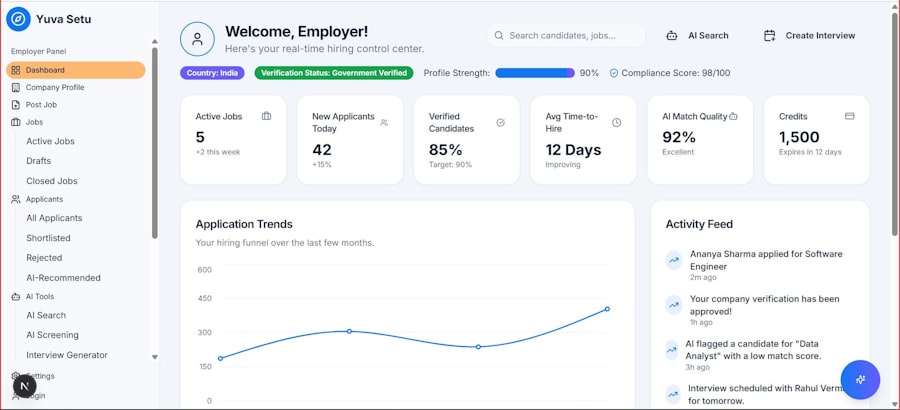
You’ve implemented your segmentation strategy, sent out beautifully targeted emails, and now it’s time to see the fruits of your labor. Measurement is crucial. You can’t improve what you don’t track. Regularly analyzing your performance metrics will reveal what’s working, what’s not, and where you can refine your approach for even greater success.
Key Metrics to Track
Don’t just look at overall campaign performance. Dive into the data for each segment. This is where the real insights lie.
Open Rates by Segment
Are certain segments opening your emails more than others? This could indicate that your subject lines are resonating more effectively with particular groups, or that their interest in your content is higher. Low open rates in a segment might suggest a need to re-evaluate your messaging or even re-engage those subscribers.
Click-Through Rates (CTR) by Segment
A high CTR means your content is compelling and your calls to action are effective for that specific audience. If a segment has a low CTR, consider if the offer is relevant, if the call to action is clear, or if the content itself aligns with their expectations.
Conversion Rates by Segment
This is the ultimate measure of success. Are your targeted emails leading to actual sales, sign-ups, or other desired actions? A higher conversion rate in a particular segment demonstrates the power of your personalized approach and directly impacts your bottom line.
Unsubscribe Rates by Segment
While some unsubscribes are inevitable, a high unsubscribe rate within a specific segment is a red flag. It indicates that your content is not meeting their expectations, or perhaps they’re receiving too many emails that aren’t relevant to them. This is a clear signal to adjust your strategy for that group.
A/B Testing Your Segments
You’re never truly “done” with optimization. A/B testing is your secret weapon for continuous improvement. Don’t assume; test!
Subject Line Variations
Test different subject lines for the same segment. Do they respond better to urgency, curiosity, or direct benefits?
Call-to-Action (CTA) Placements and Wording
Experiment with the wording of your CTAs (e.g., “Shop Now,” “Learn More,” “Get Your Free Guide”) and their placement within the email. What drives the most action for a particular segment?
Content Formats
Does a certain segment prefer short, punchy emails with clear links, or do they engage more with longer, more informative content? Test different layouts, image usage, and even video integration.
Effective email segmentation is crucial for enhancing targeting strategies, and for those looking to dive deeper into optimizing their email campaigns, a related article offers valuable insights. By exploring the techniques outlined in this piece, marketers can learn how to increase engagement rates significantly. For more information on boosting your email performance, check out this insightful article on winning the inbox.
The Future of Email Marketing: Hyper-Personalization
| Segmentation Type | Definition | Benefits |
|---|---|---|
| Demographic | Dividing subscribers based on age, gender, income, etc. | Allows for personalized content and offers based on specific demographics. |
| Behavioral | Segmenting based on past interactions with emails or website. | Enables targeted messaging based on past behavior, increasing engagement. |
| Geographic | Dividing subscribers by location or region. | Facilitates localized promotions and events tailored to specific areas. |
| Psychographic | Segmenting based on lifestyle, values, interests, etc. | Allows for content and offers that resonate with specific psychographic profiles. |
As you master the art of email segmentation, you’re not just improving your current marketing efforts; you’re laying the groundwork for the future. The trend is unequivocally towards hyper-personalization, where every interaction is uniquely tailored to the individual. You’re moving from broad strokes to detailed portraits, building stronger, more enduring relationships with your audience.
Dynamic Content and Automation
Imagine emails that automatically change based on who is opening them – different product recommendations, varying offers, or even personalized greetings, all without you lifting a finger for each individual email. This is the power of dynamic content driven by robust automation rules that respond to real-time data. You’re setting up systems that anticipate needs and respond proactively.
Predictive Analytics and AI
The next frontier involves leveraging predictive analytics and artificial intelligence to anticipate subscriber behavior before it even happens. AI can analyze vast amounts of data to predict which products a customer is most likely to buy next, when they might churn, or what type of content will resonate most effectively. This allows you to send truly proactive, highly relevant communications that feel almost clairvoyant.
The Human Touch Amidst Automation
While technology empowers unparalleled levels of personalization, never forget the human element. Even with the most sophisticated segmentation and AI, the goal is still to foster genuine connection. Your emails should feel authentic, helpful, and valuable. The power of email segmentation isn’t just about making your marketing more efficient; it’s about making it more human, more respectful of your audience’s time and attention, and ultimately, more successful. By embracing segmentation, you’re not just sending emails; you’re building bridges, one perfectly targeted message at a time. So, go forth, segment, and conquer your inbox!
FAQs
What is email segmentation?
Email segmentation is the process of dividing an email list into smaller, more targeted segments based on specific criteria such as demographics, behavior, or engagement with previous emails.
Why is email segmentation important?
Email segmentation is important because it allows marketers to send more personalized and relevant content to their subscribers, leading to higher open rates, click-through rates, and ultimately, better engagement and conversions.
What are the benefits of email segmentation?
The benefits of email segmentation include improved targeting, increased engagement, higher conversion rates, better customer retention, and overall improved ROI on email marketing efforts.
How can email segmentation improve targeting?
By segmenting an email list, marketers can tailor their messaging and content to specific groups of subscribers, ensuring that the right message reaches the right audience at the right time, leading to more effective targeting.
What are some common segmentation criteria for email marketing?
Common segmentation criteria for email marketing include demographics (such as age, gender, location), behavior (such as purchase history, website activity), engagement (such as open and click rates), and interests (such as product preferences or content topics).