



You’re meticulously crafting email campaigns, perfecting your calls to action, and segmenting your audience with surgical precision. But are your efforts truly maximized if you’re sending your emails into the digital ether at a time when your recipients are least likely to engage? You’re leaving a significant opportunity on the table if you’re not optimizing your email campaign timing. In today’s hyper-connected, notification-saturated world, the “when” of your email delivery is as crucial as the “what.” This is where predictive analytics steps in, offering you a powerful lens to peer into the future of recipient behavior and unlock unprecedented levels of engagement.
You’ve probably dabbled in various email timing strategies. Perhaps you send at 10 AM on Tuesdays, a commonly cited “best time,” or you rely on A/B testing different send times. While these methods offer some level of improvement, they often fall short in capturing the true dynamism of your audience.
The “Best Time” Myth
You’ve seen the infographics and read the articles: “The Best Time to Send an Email is Tuesday at 10 AM!” While there might be some general truth to these findings across broad datasets, you must understand that your audience is unique. What works for a B2B audience in New York might be disastrous for a B2C audience in Sydney. Relying solely on these generalized benchmarks means you’re essentially guessing at what’s optimal for your specific subscribers. You’re treating your diverse audience as a monolithic entity, ignoring the nuances that drive individual behavior.
The Limitations of A/B Testing
You’re a smart marketer, so you’ve likely run A/B tests on your send times. You’ve experimented with sending an email at 9 AM versus 1 PM and diligently analyzed the open rates. While A/B testing provides valuable insights, it’s inherently reactive. You’re testing after the fact, and each test is a snapshot in time. It doesn’t account for the subtle shifts in your audience’s habits, external factors like holidays or current events, or the individual preferences within your segments. You’re constantly playing catch-up, trying to optimize based on past performance rather than proactively predicting future engagement.
The “Spray and Pray” Approach
You might be guilty of the “spray and pray” approach – sending emails whenever they’re ready, without much thought to timing. While convenient for your internal workflow, this method is detrimental to your engagement metrics. You’re essentially hoping your emails land at a time when your subscribers are receptive, but the odds are not in your favor. This approach can lead to lower open rates, increased unsubscribes, and ultimately, a diminished ROI on your email marketing efforts. You’re not just missing opportunities; you’re actively annoying some of your audience.
In exploring the ways predictive analytics can enhance email campaign timing, it’s also valuable to consider how automation can streamline content delivery. A related article discusses the benefits of automating newsletters through the curator economy, which can significantly improve engagement and efficiency. You can read more about this approach in the article titled “Automating Your News Digest Newsletter with the Curator Economy” available at this link.
The Power of Predictive Analytics for Optimal Timing
Imagine a world where you know, with a high degree of certainty, the ideal moment to send an email to each individual subscriber. This isn’t science fiction; it’s the reality predictive analytics brings to your email campaigns. By leveraging historical data and sophisticated algorithms, you can move beyond guesswork and into a realm of data-driven precision.
Unveiling Individual Engagement Patterns
You possess a treasure trove of data within your email service provider (ESP) – open rates, click-through rates, purchase history, website visits, and more. Predictive analytics takes this raw data and transforms it into actionable insights. It identifies individual patterns of engagement for each subscriber. Does Sarah consistently open your emails on her morning commute? Does David prefer to browse your content late at night? Predictive models can discern these subtle yet crucial behaviors. You’re moving from a “one-size-fits-all” approach to a “one-to-one” timing strategy, where each recipient receives your message at their most receptive moment.
Incorporating External Factors
Your subscribers don’t live in a vacuum. Their behavior is influenced by a myriad of external factors. Predictive analytics can incorporate these variables into its models. Think about the impact of local holidays, major sporting events, or even changing weather patterns. A retail campaign promoting winter coats might perform exceptionally well during a cold snap, regardless of the usual “best time.” You can even consider news cycles or trending topics that might influence attention spans. By accounting for these external forces, you’re adding another layer of sophistication to your timing strategy, ensuring your message resonates not just with individual preferences, but with the broader context of their daily lives.
Dynamic Optimization and Continuous Learning
The beauty of predictive analytics lies in its dynamic nature. It’s not a static solution; it’s a continuously learning system. As your subscribers’ behaviors evolve, the models adapt. New data flows in with every email send, every click, and every purchase, refining the predictions. This means your email timing strategies are always optimized, always adapting to the latest trends and individual shifts. You’re not just predicting; you’re continuously improving your predictions, ensuring your campaigns remain effective over the long term. You’re building an intelligent system that gets smarter with every interaction.
Implementing Predictive Analytics in Your Email Strategy
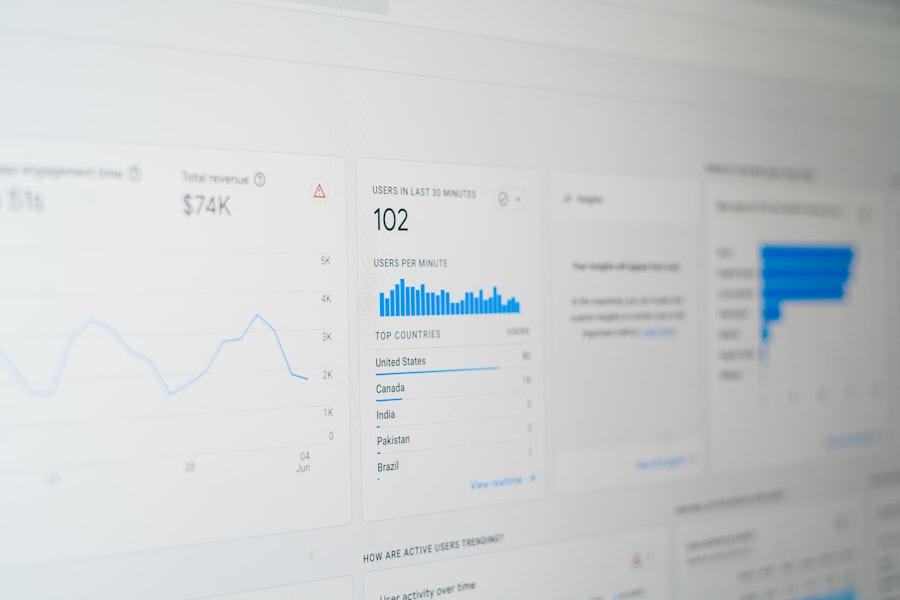
You’re convinced of the power of predictive analytics, but how do you actually implement it? It’s not as daunting as it might seem, especially with the proliferation of sophisticated marketing automation platforms.
Data Collection and Integration
The foundation of any successful predictive analytics initiative is robust data. You need to ensure your email service provider (ESP) is collecting comprehensive data on every interaction. This includes open rates, click-through rates, unsubscribe rates, conversion rates, and even time spent on your website after clicking an email. Furthermore, you should integrate this data with other customer touchpoints, such as CRM data, purchase history, and website behavior. The more data you feed your models, the more accurate their predictions will be. You’re building a rich profile for each subscriber, making future predictions incredibly precise.
Choosing the Right Tools and Platforms
You don’t need to be a data scientist to leverage predictive analytics. Many marketing automation platforms now offer built-in predictive capabilities or integrate seamlessly with third-party AI-powered tools. When evaluating solutions, look for platforms that offer:
- Behavioral Segmentation: The ability to segment your audience not just by demographics, but by their observed engagement patterns.
- Predictive Scoring: Features that assign a “propensity to open” or “propensity to click” score to each subscriber, allowing you to prioritize outreach.
- Automated Send Time Optimization: Tools that automatically adjust send times based on individual predictions, removing the manual burden from your team.
- Reporting and Analytics: Clear dashboards that demonstrate the impact of predictive timing on your key performance indicators (KPIs).
You’re looking for tools that democratize predictive analytics, making it accessible and actionable for your marketing team.
Starting Small and Iterating
You don’t have to overhaul your entire email strategy overnight. Start with a pilot program. Select a specific segment of your audience or a particular campaign type. Compare the performance of your predictively timed emails against a control group using your conventional timing. Analyze the results, learn from them, and then gradually expand your implementation. This iterative approach allows you to refine your strategy, build confidence in the technology, and demonstrate a clear ROI before a full-scale rollout. You’re proving the concept before committing entirely, minimizing risk and maximizing learning.
Measuring the Impact of Optimized Timing
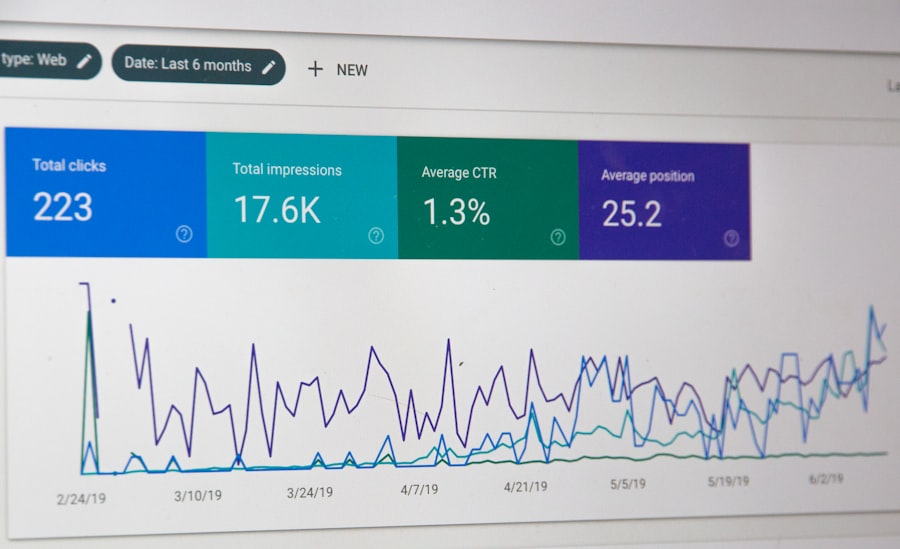
You’ve invested in the tools and implemented the strategy. Now, how do you know if it’s actually working? Measuring the impact of optimized email timing is crucial for demonstrating ROI and refining your approach.
Key Performance Indicators (KPIs) to Track
You need to move beyond simple open and click rates, though these remain important. Focus on a broader set of KPIs that truly reflect engagement and business outcomes:
- Open Rate (Unique and Total): Are more people opening your emails?
- Click-Through Rate (Unique and Total): Are your subscribers engaging with your content?
- Conversion Rate: Are your predictively timed emails leading to more purchases, sign-ups, or desired actions?
- Time to Convert: Are subscribers converting faster after receiving your emails? This indicates increased urgency and relevance.
- Engagement Time: Some advanced analytics platforms can track how long subscribers spend viewing your email content.
- Unsubscribe Rate: A decrease in unsubscribes suggests your emails are more relevant and less disruptive.
- Revenue Generated Per Email: Ultimately, this is the most critical metric for many businesses. Are your emails driving more sales or leads?
By tracking these comprehensive KPIs, you’re gaining a holistic view of the impact of your optimized timing. You’re not just measuring activity; you’re measuring impact.
A/B Testing and Control Groups
Even with predictive analytics, you should still leverage A/B testing and control groups. When you roll out a predictively timed campaign, ensure you have a control group that receives the email at a fixed, conventional time. This allows you to directly compare the performance and quantify the uplift generated by your optimized timing. You’re providing empirical evidence of the value predictive analytics brings to your campaigns. You’re demonstrating causality, not just correlation.
Long-Term Value and Customer Lifetime Value (CLTV)
The benefits of optimized timing extend beyond immediate campaign metrics. By consistently delivering relevant emails at the perfect moment, you’re building stronger relationships with your subscribers. This leads to increased customer loyalty, repeat purchases, and ultimately, a higher Customer Lifetime Value (CLTV). Predictive analytics isn’t just about short-term gains; it’s a strategic investment in the long-term health of your customer relationships. You’re nurturing your audience, turning fleeting interest into enduring loyalty.
In the realm of digital marketing, understanding the timing of your email campaigns can significantly enhance their effectiveness, as discussed in the article on how predictive analytics can improve email campaign timing. For those looking to further refine their strategies, exploring advanced A/B testing techniques can also be beneficial. A related article highlights five innovative A/B tests that can unlock email success in 2025, providing valuable insights into optimizing your campaigns. You can read more about these strategies in the article here.
The Future of Email Marketing: Hyper-Personalized Timing
| Metrics | Description |
|---|---|
| Open Rate | The percentage of recipients who open the email, which can be improved by sending emails at the right time. |
| Click-Through Rate | The percentage of recipients who click on a link within the email, which can be influenced by sending emails when the audience is most engaged. |
| Conversion Rate | The percentage of recipients who complete a desired action, such as making a purchase, which can be optimized by sending emails at the optimal time for the target audience. |
| Engagement Metrics | Metrics such as time spent reading the email, interaction with the content, and forwarding the email, which can be enhanced by sending emails at the most relevant time for the recipients. |
You’ve optimized your email timing with predictive analytics, but the journey doesn’t end there. The future of email marketing is moving towards even greater levels of personalization, and timing will play a central role.
Beyond Individual Send Times
Imagine a world where your email campaigns aren’t just optimized for the ideal send time, but also for the ideal content at that specific moment. Predictive analytics will evolve to consider not just when a subscriber is most likely to open, but also what kind of content they are most receptive to at that precise instant. Are they on their lunch break, looking for quick bites of information? Or are they at home in the evening, ready to dive into a longer, more in-depth article? You’re anticipating not just when they’ll engage, but how they’ll want to engage.
Real-Time Personalization and Dynamic Content
The holy grail is real-time personalization, where email content and timing adapt dynamically based on a subscriber’s immediate behavior and context. If a user just viewed a specific product on your website, your email could be triggered instantly, featuring that product and offering a personalized incentive, delivered at their predicted optimal time. This level of responsiveness moves beyond scheduled sends and into a truly adaptive communication model. You’re not just sending the right message at the right time; you’re sending the right message for that very moment.
Ethical Considerations and Transparency
As you delve deeper into hyper-personalization, it’s crucial to consider the ethical implications. While consumers appreciate relevance, they can also be wary of feeling “watched” or manipulated. Transparency in your data collection and usage practices will be paramount. Clearly communicate how you use data to enhance their experience, and always provide easy options for opting out or managing preferences. You’re building trust, which is the cornerstone of any successful long-term customer relationship. Respecting privacy is not just good ethics; it’s good business.
By embracing predictive analytics for email campaign timing, you’re not just improving your metrics; you’re transforming your approach to customer communication. You’re moving from a reactive, generalized strategy to a proactive, highly personalized one. You’re engaging your audience on their terms, at their most receptive moments, and building stronger, more profitable relationships in the process. The future of email marketing is here, and you have the power to shape it.
FAQs
What is predictive analytics?
Predictive analytics is the use of data, statistical algorithms, and machine learning techniques to identify the likelihood of future outcomes based on historical data.
How can predictive analytics improve email campaign timing?
Predictive analytics can improve email campaign timing by analyzing historical data to identify the best times to send emails based on recipient behavior, such as open rates and click-through rates.
What are the benefits of using predictive analytics for email campaign timing?
The benefits of using predictive analytics for email campaign timing include increased open rates, higher engagement, improved conversion rates, and better overall performance of email marketing campaigns.
What data is used in predictive analytics for email campaign timing?
Data used in predictive analytics for email campaign timing includes historical email performance data, recipient behavior data, demographic data, and any other relevant data that can help identify the best timing for email campaigns.
How can businesses implement predictive analytics for email campaign timing?
Businesses can implement predictive analytics for email campaign timing by using specialized software or platforms that offer predictive analytics capabilities, or by working with data analysts or data scientists to develop custom predictive models based on their specific email marketing data.