



You’re staring at a blank screen, a vague sense of urgency gnawing at you. You know you should be doing email marketing, that it’s a crucial piece of your business puzzle, but where do you even begin? The thought of sending out random emails, hoping for the best, feels exhausting and, frankly, a little unprofessional. This is where the power of a Crafting a Strategic Email Marketing Calendar truly shines. It’s not about haphazardly firing off messages; it’s about building a deliberate, data-driven, and engaging communication plan that drives results.
Think of your email marketing calendar as your roadmap to success. It’s the blueprint that guides your every email, ensuring that each message serves a specific purpose and contributes to your overarching business goals. Without it, you’re essentially sailing without a compass, susceptible to choppy waters and potentially missing your desired destination entirely. This guide will walk you through the essential steps to creating a robust and effective email marketing calendar, transforming your email strategy from a chore into a powerful engine for growth.
Before you even think about scheduling a single email, you need to establish a solid foundation. This means taking a deep dive into what you want to achieve with your email marketing and, more importantly, who you’re trying to reach. Skipping this step is like building a house without blueprints – it’s destined for instability.
Defining Your Email Marketing Objectives
What are you aiming to accomplish with your email campaigns? Be specific and measurable. Vague goals lead to vague results. Your objectives should align directly with your broader business goals.
Increasing Sales and Revenue
This is often the primary driver for many businesses. How will your emails directly contribute to boosting your bottom line? Consider the types of campaigns that will achieve this.
Promoting New Products or Services
When you launch something new, email is a prime channel to generate excitement and drive early adoption. Your calendar should account for the pre-launch buzz, the launch announcement, and any follow-up campaigns.
Driving Repeat Purchases
Encouraging existing customers to buy again is significantly more cost-effective than acquiring new ones. Think about loyalty programs, exclusive offers for past customers, and re-engagement campaigns.
Clearing Out Inventory
Sales and promotions are a classic way to move excess stock. Your calendar can strategically plan these events to maximize impact and minimize waste.
Building Brand Awareness and Loyalty
Email isn’t just about selling; it’s about building relationships. Strong brand awareness and customer loyalty translate into long-term growth and advocacy.
Sharing Valuable Content
Position yourself as an expert by consistently providing helpful and informative content. This could include blog post summaries, industry news, tips, and tutorials.
Showcasing Customer Success Stories
Testimonials and case studies are powerful social proof. Highlighting your happy customers builds trust and encourages others to engage with your brand.
Fostering Community Engagement
Create a sense of belonging. This could involve inviting subscribers to webinars, Q&A sessions, or even user-generated content campaigns.
Improving Customer Retention and Reducing Churn
Keeping existing customers happy is paramount. Email can play a significant role in preventing customers from leaving.
Providing Excellent Customer Support Resources
Offer easy access to FAQs, troubleshooting guides, and contact information. Proactive support can prevent issues before they arise.
Soliciting Feedback and Acting On It
Show your customers you value their opinions. Regular surveys and feedback requests can identify areas for improvement and make customers feel heard.
Offering Exclusive Perks and Early Access
Make your loyal customers feel special. Exclusive discounts, early access to sales, or beta testing opportunities can significantly boost retention.
Identifying and Segmenting Your Audience
You can’t speak effectively to everyone at once. Understanding your audience allows you to tailor your message for maximum impact.
Developing Buyer Personas
Who are your ideal customers? Create detailed profiles that include demographics, psychographics, pain points, and motivations.
Demographics: Age, Location, Income, Occupation
These are the foundational characteristics of your audience.
Psychographics: Interests, Values, Lifestyle, Attitudes
Delving into these aspects allows for more nuanced and relatable messaging.
Pain Points and Challenges
What problems are your audience trying to solve? Your emails should offer solutions.
Motivations and Aspirations
What are your audience striving for? Align your offerings with their desires.
Segmenting Your Email List
Divide your subscriber base into smaller, more targeted groups based on shared characteristics.
Demographics-Based Segmentation
Targeting based on age, location, or gender can be effective for certain campaigns.
Behavioral Segmentation
This is where things get powerful. Segment based on past actions.
Purchase History
Target customers who have bought specific products or spent a certain amount.
Website Activity
Segment based on pages visited, content downloaded, or cart abandonment.
Email Engagement
Identify active subscribers, inactive subscribers, and those who haven’t opened emails in a while.
Interest-Based Segmentation
If you offer a variety of products or services, segment based on expressed interests.
To enhance your email marketing strategy, it’s essential to not only build a smarter email marketing calendar but also to understand the intricacies of A/B testing. A related article that delves into this topic is “What is A/B Testing in Email Marketing,” which provides valuable insights on how to effectively test different email elements to optimize your campaigns. You can read more about it here: What is A/B Testing in Email Marketing.
Planning Your Content Strategy: What to Send and When
Now that you know your goals and your audience, it’s time to think about the actual content of your emails and how it fits into your calendar. This isn’t just about filling slots; it’s about creating a cohesive narrative that guides your subscribers through their journey with your brand.
Brainstorming Content Themes and Pillars
What overarching themes will you focus on in your email communication? These should align with your brand and audience interests.
Educational Content
Position yourself as a trusted source of information.
How-To Guides and Tutorials
Help your audience solve problems and achieve their goals.
Industry Insights and Trends
Keep them informed about what’s happening in your space.
Best Practices and Tips
Offer actionable advice they can implement immediately.
Promotional Content
This is where you drive sales and conversions.
Product Spotlights and Feature Deep Dives
Highlight the benefits and unique selling propositions of your offerings.
Limited-Time Offers and Discounts
Create urgency and incentivize immediate action.
New Product Announcements
Generate excitement and drive early adoption.
Community and Engagement Content
Foster a sense of connection and belonging.
User-Generated Content Features
Showcase your customers and build social proof.
Behind-the-Scenes Glimpses
Humanize your brand and build trust.
Interactive Content (Polls, Quizzes)
Encourage participation and gather valuable insights.
Re-engagement and Retention Content
Keep existing customers happy and coming back for more.
Loyalty Program Updates and Rewards
Incentivize repeat purchases and build brand advocacy.
Exclusive Content for Subscribers
Make them feel valued and special.
Post-Purchase Follow-Ups and Support
Ensure a positive customer experience beyond the sale.
Mapping Content to Your Audience Segments
Tailor your content to resonate with each specific segment you’ve identified.
Personalizing Subject Lines and Body Copy
Use merge tags and dynamic content to address subscribers by name and reference their interests.
Delivering Relevant Offers and Recommendations
Show them products or services they are genuinely likely to be interested in.
Addressing Specific Pain Points and Needs
Craft messages that directly speak to the challenges each segment faces.
Developing a Content Cadence and Frequency
How often will you email your subscribers, and at what intervals? This is a delicate balance.
Determining Optimal Sending Frequency
Too much email can lead to unsubscribes, while too little can lead to being forgotten.
Analyzing Industry Benchmarks
See what other successful businesses in your niche are doing.
Conducting A/B Tests on Frequency
Experiment with different sending schedules to find what works best for your audience.
Considering Subscriber Preferences
Allow subscribers to choose their preferred communication frequency if possible.
Establishing a Posting Schedule
Plan your sends in advance to ensure consistency and avoid last-minute scrambling.
Daily, Weekly, Bi-Weekly, Monthly Sends
Determine the rhythm that suits your content and audience.
Thematic Weeks or Months
Group related content for a more cohesive experience.
Building Your Calendar: Tools and Structure

With your content strategy in place, it’s time to physically construct your email marketing calendar. This involves choosing the right tools and establishing a clear, organized structure.
Selecting the Right Calendar Tool
There are numerous options available, from simple spreadsheets to sophisticated marketing automation platforms.
Spreadsheet Software (Google Sheets, Excel)
A budget-friendly and accessible option for smaller businesses or those just starting out.
Pros: Free, Flexible, Easy to Learn
Cons: Lacks automation, can become unwieldy with large lists, limited collaboration features.
Project Management Tools (Asana, Trello, Monday.com)
These can be adapted for email calendar planning, offering visual workflows and team collaboration.
Pros: Good for task management, visual appeal, team collaboration.
Cons: Not specifically designed for email marketing, may require workarounds.
Dedicated Email Marketing Platforms (Mailchimp, HubSpot, ActiveCampaign)
These offer integrated calendar features, automation, and analytics specifically for email campaigns.
Pros: Built for email marketing, automation capabilities, robust analytics, segmentation tools.
Cons: Can be more expensive, steeper learning curve for advanced features.
Structuring Your Calendar: Key Components
What information should you include for each email in your calendar?
Campaign Name and Objective
A clear identifier for each email and what you aim to achieve.
Target Audience Segment(s)
Which group(s) of subscribers will receive this email?
Content Theme/Pillar
The overarching category your email falls into.
Subject Line (Draft or Final)
Crucial for open rates, so plan this carefully.
Key Message/Call to Action (CTA)
What do you want subscribers to do after reading?
Visuals/Assets Required
Any images, GIFs, or videos needed.
Landing Page URL
Where will the CTA lead?
Sending Date and Time
The planned dispatch of your email.
Automation Trigger (if applicable)
If it’s part of a welcome series or abandoned cart sequence.
Status (Draft, Scheduled, Sent, Reviewed)
Track the progress of each email.
Creating Different Calendar Views
Organize your calendar in ways that best suit your needs.
By Month
A high-level overview of your entire month’s email activity.
By Week
A more granular view for detailed planning and execution.
By Campaign Type
Group all your promotional emails, newsletter sends, etc., together.
By Audience Segment
See what each segment is receiving over a period.
Scheduling and Execution: Bringing Your Calendar to Life
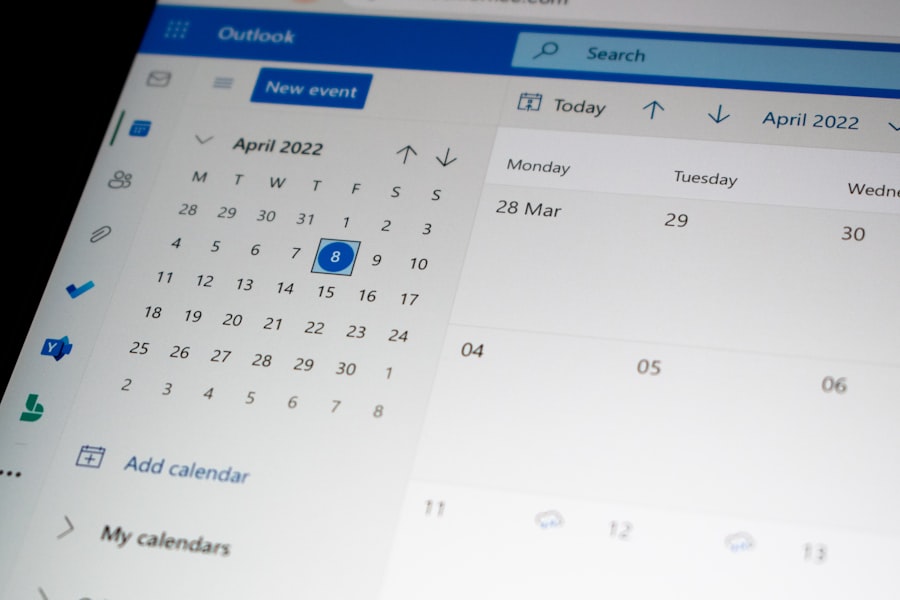
Your calendar is built, but it’s not doing any good sitting on your computer. It’s time to put it into action.
Implementing Automation Workflows
Leverage automation to send emails at the right time based on subscriber actions.
Welcome Series
Onboard new subscribers with a series of emails designed to introduce your brand and set expectations.
The First Welcome Email: Immediate Gratification
Thank them for subscribing, deliver any promised lead magnets, and set the tone.
Subsequent Emails: Nurturing and Educating
Introduce your products, share valuable content, and build a connection.
Abandoned Cart Sequences
Recover lost sales by reminding customers about items left in their cart.
The First Reminder: Gentle Nudge
A simple reminder of the items left behind.
The Second Reminder: Offer an Incentive
Consider a small discount or free shipping to encourage completion.
The Final Reminder: Create Urgency
Highlight limited stock or expiring offers.
Post-Purchase Follow-Ups
Enhance the customer experience after a sale.
Thank You and Confirmation
Reiterate purchase details and express gratitude.
Product Usage Tips and Best Practices
Help customers get the most out of their new purchase.
Request for Review or Feedback
Gather valuable testimonials and identify areas for improvement.
Coordinating with Other Marketing Efforts
Your email marketing shouldn’t operate in a silo. Ensure it complements your other channels.
Aligning with Social Media Campaigns
Promote your latest email content on social media and vice-versa.
Supporting Website Content Updates
Announce new blog posts, landing pages, or product launches via email.
Integrating with Paid Advertising
Use email to retarget website visitors or nurture leads generated from ads.
Setting Up and Testing Your Emails
Before hitting “send” to your entire list, rigorous testing is crucial.
Proofreading for Errors
Typos and grammatical mistakes can damage your credibility.
Checking All Links and CTAs
Ensure they lead to the correct destinations.
Testing Across Different Email Clients and Devices
What looks good on Gmail might look different on Outlook or a mobile phone.
Sending Test Emails to Yourself and Colleagues
Get fresh eyes on your work before it goes live.
Creating an effective email marketing calendar is essential for any business looking to enhance its outreach and engagement. To further understand the importance of managing your email strategy, you might find it helpful to read about the benefits of maintaining a well-managed email list in this insightful article. It highlights how a strong email list can serve as your ultimate business asset, providing valuable insights into customer preferences and behaviors. For more information, check out the article on the power of a well-managed email list.
Analysis and Optimization: Refining Your Strategy
| Metrics | Value |
|---|---|
| Open Rate | 25% |
| Click-Through Rate | 5% |
| Conversion Rate | 2% |
| Unsubscribe Rate | 1% |
| Emails Sent | 10,000 |
| Revenue Generated | 5,000 |
The calendar is a living document. To make it truly effective, you need to continuously analyze its performance and make adjustments.
Tracking Key Email Marketing Metrics
What numbers tell you whether your calendar is working?
Open Rate
The percentage of recipients who opened your email.
Click-Through Rate (CTR)
The percentage of recipients who clicked on a link within your email.
Conversion Rate
The percentage of recipients who completed a desired action (e.g., made a purchase, signed up for a webinar).
Unsubscribe Rate
The percentage of recipients who opted out of your emails.
Bounce Rate
The percentage of emails that couldn’t be delivered.
Analyzing Campaign Performance
Dive deep into the data to understand what’s working and what’s not.
Identifying High-Performing Campaigns and Content
What resonated most with your audience?
Pinpointing Underperforming Campaigns and Content
Where did you miss the mark?
Understanding Subscriber Engagement Patterns
When are your subscribers most active? What types of content do they interact with most?
Iterating and Optimizing Your Calendar
Use your insights to improve your future email strategy.
Adjusting Sending Frequency and Timing
Based on engagement data, you might find optimal times to send.
Refining Content Themes and Types
Focus on what your audience responds to most positively.
Improving Subject Lines and CTAs
A/B test different approaches to boost open and click-through rates.
Re-evaluating Audience Segmentation
Are your segments still relevant and effective?
By embracing the strategic approach of crafting an email marketing calendar, you’re not just sending emails; you’re building relationships, driving engagement, and ultimately, achieving your business objectives. This roadmap will guide you from guesswork to a well-executed, data-driven email marketing strategy that delivers tangible results.
FAQs
What is an email marketing calendar?
An email marketing calendar is a tool used by businesses to plan and organize their email marketing campaigns. It helps in scheduling and tracking the timing and content of email communications to customers and prospects.
Why is it important to have a smarter email marketing calendar?
A smarter email marketing calendar helps businesses to strategically plan and execute their email marketing campaigns. It ensures that emails are sent at the right time, with relevant content, and to the right audience, leading to better engagement and conversion rates.
What are the key components of a smarter email marketing calendar?
Key components of a smarter email marketing calendar include setting clear goals, defining target audience segments, planning email content and design, scheduling send dates and times, tracking performance metrics, and incorporating feedback for continuous improvement.
How can businesses build a smarter email marketing calendar?
Businesses can build a smarter email marketing calendar by first defining their marketing goals, understanding their target audience, creating a content plan, scheduling emails based on audience behavior and preferences, and regularly analyzing and optimizing their email campaigns.
What are the benefits of using a smarter email marketing calendar?
Using a smarter email marketing calendar can lead to improved organization and efficiency in email marketing efforts, better engagement and conversion rates, increased customer retention, and a more strategic and data-driven approach to email marketing.