


Understanding the Customer Journey and Its Impact
You’ve heard it a thousand times: the customer journey is crucial. But have you truly internalized what that means for your email marketing? It’s more than just a buzzword; it’s a blueprint for understanding your audience’s evolving needs, questions, and motivations as they interact with your brand. Think of it as a series of distinct stages, each presenting unique opportunities to connect, inform, and ultimately convert. Ignoring these stages means you’re sending generic, one-size-fits-all emails that likely miss the mark, annoy your subscribers, or, worst of all, get ignored.
Your objective isn’t just to send emails; it’s to send the right emails at the right time, with the right message. This hyper-personalization, driven by an understanding of where your customer currently sits in their journey, is the bedrock of effective email campaigns. It moves beyond simple segmentation by demographic or past purchase, delving into the psychological state and immediate intent of your subscriber. When you successfully align your email content with their journey stage, you’re not just marketing; you’re providing value, building trust, and nurturing a relationship that can lead to long-term loyalty.
Defining Key Customer Journey Stages for Email Campaigns
Before you can build effective campaigns, you need a clear definition of the stages you’ll be targeting. While models vary, most customer journeys can be broken down into at least five core phases that directly impact your email strategy. You’ll likely encounter terms like Awareness, Consideration, Decision, Retention, and Advocacy. Let’s explore what each of these means for your email strategy.
The Awareness Stage: Capturing Attention
At this initial stage, your potential customer is just realizing they have a problem, a need, or an interest. They might not even know your brand exists yet. Their goal isn’t to buy; it’s to gather information and understand the landscape. Your email objective here is to introduce your brand, establish credibility, and provide initial value without being overtly salesy. Think of it as making a good first impression.
The Consideration Stage: Nurturing Interest
Once aware, your potential customer starts actively researching solutions. They’re comparing options, delving deeper into specifics, and evaluating different providers, including yours. They’re looking for detailed information, social proof, and reasons to believe your solution is the best fit. Your emails here should educate, differentiate, and address common concerns.
The Decision Stage: Guiding to Conversion
At this critical juncture, your customer is ready to make a purchase or take a desired action (e.g., sign up for a demo, download an ebook). They’ve done their research and are weighing final factors like pricing, features, and urgency. Your emails should remove any last-minute friction, offer incentives, and clearly articulate the next steps.
The Retention Stage: Fostering Loyalty
The journey doesn’t end after a sale. In fact, this is where true customer relationships begin. Your existing customers have already invested in your brand, and retaining them is often more cost-effective than acquiring new ones. Your emails here should focus on maximizing product value, offering support, and identifying opportunities for upselling or cross-selling.
The Advocacy Stage: Empowering Brand Champions
Your most loyal customers can become your most powerful marketers. When a customer moves into the advocacy stage, they are not only happy with your product or service but are also willing to share their positive experiences with others. Your emails should empower them to do so and reward their loyalty.
To effectively build email campaigns around customer journey stages, it’s essential to understand how to optimize your emails for better engagement. A related article that delves into this topic is “Winning the Inbox: How to Get More Opens and Clicks for Your Email Campaigns.” This resource provides valuable insights and strategies that can enhance your email marketing efforts, ensuring that your messages resonate with your audience at every stage of their journey. You can read the article here: Winning the Inbox: How to Get More Opens and Clicks for Your Email Campaigns.
Crafting Awareness Stage Email Campaigns

When a potential customer enters the awareness stage, they’ve likely just discovered your brand through an ad, a search engine query, or a social media post. They’re at the very top of your funnel, curious but not committed. Your email strategy here is all about making a positive first impression and providing initial value that establishes you as a helpful resource, not just a seller. You want to pique their interest and encourage them to learn more, moving them gently towards the next stage.
Welcome Series for New Subscribers
This is arguably the most critical email campaign you’ll run for the awareness stage. A well-designed welcome series immediately sets the tone for your relationship. It’s not just a single email; it’s a sequence that introduces your brand, its values, and what subscribers can expect from you.
Email Content for Welcome Series
Your welcome emails should be informative, engaging, and non-intrusive. The first email should thank them for subscribing, briefly introduce your brand, and reiterate the value they’ll receive. Subsequent emails can introduce core offerings, share valuable resources (like blog posts or guides), or tell your brand story. Focus on helpfulness and solving common pain points rather than immediate sales pitches. For example, if you sell productivity software, your welcome series might include emails like “5 Ways to Boost Your Productivity Today” or “Understanding the Time-Saving Benefits of [Your Product Name]”.
Segmentation and Personalization for Awareness
Even at the awareness stage, you can leverage basic segmentation. If you know how they found you (e.g., specific landing page, content download), tailor your welcome series accordingly. For instance, if they downloaded a guide on “Email Marketing Best Practices,” your welcome series should naturally flow from that topic, offering related insights and resources. Personalization can include using their name and referencing their initial interaction.
Measuring Success in Awareness Campaigns
Success at this stage isn’t about sales. You’re looking at open rates, click-through rates (especially to valuable content), and whether subscribers stay engaged enough to open subsequent emails in your series. Monitor unsubscribe rates to ensure your content isn’t off-putting. The goal is to nurture interest and move them further down the funnel, so track how many subscribers progress to consuming more of your content or visiting product pages.
Nurturing Interest with Consideration Stage Emails
Once a prospect has moved beyond initial awareness, they’re actively evaluating solutions to their problem. They’re comparing your offerings with competitors, digging into features, benefits, and perhaps even pricing. Your email campaigns in the consideration stage are designed to educate them thoroughly, address their specific concerns, and demonstrate why your solution stands out. You’re building a case for your brand, providing compelling reasons for them to choose you.
Educational Content and Resource Sharing
This is where you showcase your expertise. Your emails should provide in-depth information that helps them make an informed decision. Think about the questions they’re likely asking themselves at this stage.
Long-Form Content and Guides
Share links to detailed blog posts, whitepapers, ebooks, and case studies that delve into specific aspects of your product or service. For a SaaS company, this might involve guides on “Integrating [Your Tool] with Your Existing Workflow” or “Advanced Features for [Specific Industry Use Case]”. The goal is to provide comprehensive answers and establish your authority.
Feature Deep Dives and How-Tos
Highlight specific features of your product or service and explain how they solve particular pain points. Use visuals, short videos, or animated GIFs to demonstrate functionality. How-to guides or tutorials can be particularly effective, showing them the practical application and ease of use.
Social Proof and Testimonials
People trust other people. Leverage the power of social proof by sharing customer testimonials, success stories, and reviews. This helps build confidence and alleviates potential skepticism.
Showcasing Unique Selling Propositions (USPs)
Clearly articulate what makes your offering different and better than the competition. Whether it’s superior customer service, unique features, or a specific value proposition, make sure your emails highlight these differentiators.
Addressing Objections and FAQs Proactively
Anticipate common objections or questions and address them directly in your emails. This could involve an email dedicated to “Myth Busting” or an FAQ-style email that tackles prevalent concerns about your product, pricing, or implementation.
Personalized Product Recommendations
If you have enough data, personalize product or service recommendations based on their browsing behavior or initial interactions. For an e-commerce store, this could mean “Products You Might Like Based on Your Recent Views.”
Measuring Success in Consideration Campaigns
At this stage, you’re looking for deeper engagement. Track click-through rates to your detailed content, time spent on linked pages, and interactions with videos or interactive elements. Also, monitor how many subscribers move on to view pricing pages, product demos, or add items to their cart. This indicates a stronger intent to purchase.
Driving Conversions with Decision Stage Emails
The decision stage is where you ask for the sale. Your prospect has done their research, understood your value, and is now on the brink of making a commitment. Your email campaigns here need to be persuasive, remove any remaining obstacles, and provide clear calls to action. This is not the time for subtlety; it’s the time for directness, urgency (where appropriate), and reassurance.
Cart Abandonment Recovery Campaigns
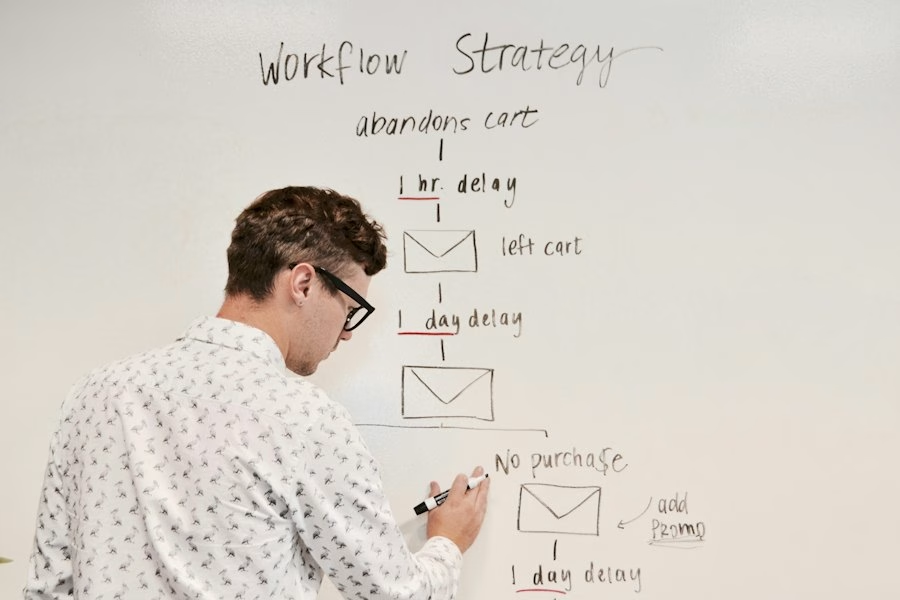
One of the most powerful decision-stage campaigns, cart abandonment emails target users who added items to their cart but didn’t complete the purchase. This is a clear signal of high intent that needs immediate follow-up.
Timely Follow-Ups and Reminders
Send a series of emails. The first should be sent within an hour or two of abandonment, reminding them of the items left in their cart and perhaps addressing common reasons for abandonment (e.g., shipping costs, need for more time). Subsequent emails can offer minor incentives or highlight benefits.
Offering Incentives and Discounts
A small discount, free shipping, or a bonus item can often be the nudge needed to complete a purchase. Use these strategically and ensure they are enticing enough to convert.
Addressing Last-Minute Concerns and Building Trust
Reassure them about your return policy, customer support, or warranty. Include social proof like short testimonials or trust badges (e.g., secure payment logos). Make it easy for them to contact support if they have questions.
Demo Follow-Up and Trial Expiration Emails
If your product offers demos or free trials, your decision-stage emails are critical for converting those users into paying customers.
Summarizing Benefits and Answering Questions Post-Demo
After a demo, send a summary of key takeaways, reiterate how your solution addresses their specific needs, and proactively answer any questions that might have arisen during the demo. Make it easy for them to schedule another call or get a personalized quote.
Urgency and Scarcity for Trial Users
As a trial approaches expiration, send reminders. Highlight the features they’ll lose access to and emphasize the value they’ve gained during the trial. Consider offering a special discount for converting before the trial ends, creating a sense of urgency.
Clear Calls to Action and Streamlined Purchase Paths
Every email at this stage must have a crystal-clear call to action (CTA). Whether it’s “Complete Your Purchase Now,” “Upgrade Your Plan,” or “Request a Quote,” make it prominent and easy to find. Ensure the landing page linked from the CTA is optimized for conversion.
Measuring Success in Decision Campaigns
This is where you’ll directly measure conversions: completed purchases, signed contracts, or upgraded subscriptions. Track your conversion rates from these emails, the average order value, and the revenue generated. A/B test different incentives, subject lines, and CTAs to optimize performance.
To enhance your understanding of building effective email campaigns around customer journey stages, you might find it beneficial to explore the article on how to unleash the power of RSS to email automation. This resource provides insights into automating content delivery, which can significantly improve engagement at various stages of the customer journey. For more information, check out the article here.
Cultivating Loyalty with Retention Stage Emails
| Customer Journey Stage | Goal | Email Campaign Type | Key Metrics | Content Focus |
|---|---|---|---|---|
| Awareness | Introduce brand and capture interest | Welcome Emails, Educational Newsletters | Open Rate, Click-Through Rate (CTR) | Brand story, value proposition, educational content |
| Consideration | Engage and nurture leads | Product Demos, Case Studies, Testimonials | CTR, Time Spent on Content, Conversion Rate | Benefits, social proof, detailed product info |
| Decision | Encourage purchase or sign-up | Promotional Offers, Free Trials, Discounts | Conversion Rate, Bounce Rate, Revenue per Email | Clear CTAs, incentives, urgency |
| Retention | Maintain engagement and reduce churn | Follow-up Emails, Loyalty Programs, Surveys | Repeat Purchase Rate, Engagement Rate, Unsubscribe Rate | Exclusive offers, personalized content, feedback requests |
| Advocacy | Turn customers into brand advocates | Referral Programs, Testimonials Requests, VIP Offers | Referral Rate, Social Shares, Customer Lifetime Value (CLV) | Incentives for referrals, community building, appreciation |
Once a customer has made a purchase, your job isn’t over; it’s just entered a new phase. Retention stage emails are focused on maximizing customer lifetime value (CLTV) by fostering loyalty, encouraging repeat purchases, and ensuring your customers are getting the most out of their initial investment. Retaining existing customers is significantly more cost-effective than acquiring new ones, making these campaigns incredibly valuable.
Onboarding Series for New Customers
Your onboarding series is crucial for setting up new customers for success and preventing early churn. It’s about more than just a welcome email; it’s a guided journey to help them derive immediate value from their purchase.
Guiding to Product Adoption and Value Realization
These emails should walk customers through the initial steps of using your product or service. Provide clear instructions, link to tutorials, and highlight key features that will help them achieve their goals. For a software product, this might involve “Your First 3 Steps to Success” or “Mastering Feature X.”
Providing Support and Resources
Make it easy for customers to find help. Include links to your FAQ, knowledge base, support forums, or direct contact information for customer service. Proactive support can prevent frustration and improve satisfaction.
Encouraging Feature Exploration and Best Practices
Once they’ve mastered the basics, guide them to explore more advanced features or best practices that can unlock even greater value. These emails can introduce them to lesser-known functionalities or tips that enhance their experience.
Post-Purchase Engagement and Value-Added Content
Beyond onboarding, continuous engagement is key to retention. These emails keep your brand top-of-mind and continue to provide value.
Usage Tips, Tutorials, and Hidden Features
Regularly share tips and tricks for using your product more effectively. Highlight new features or updates, explaining how they benefit the customer. Personalize these based on their usage patterns if possible.
Personalized Recommendations for Upselling/Cross-selling
Based on their purchase history and usage data, suggest complementary products or services. For an e-commerce store, this could be “Customers Also Bought” or “Recommended Accessories.” For a SaaS product, it might be an upgrade path to a higher-tier plan that offers additional features relevant to their current usage.
Asking for Feedback and Surveys
Show your customers that you value their opinion. Send surveys to gather feedback on their experience, product satisfaction, and suggestions for improvement. This not only provides valuable data but also makes customers feel heard and appreciated.
Re-engagement Campaigns for Inactive Customers
If a customer becomes inactive, deploy a re-engagement campaign. These emails aim to bring them back by reminding them of the value they’re missing, offering incentives, or highlighting new features they might not be aware of.
Measuring Success in Retention Campaigns
Key metrics here include repeat purchase rate, customer lifetime value (CLTV), churn rate, product adoption rates, and customer satisfaction scores (e.g., NPS). Also, track engagement with your onboarding content and the success of upsell/cross-sell offers.
In the process of creating effective email campaigns tailored to different customer journey stages, understanding the principles of conversational marketing can be incredibly beneficial. By engaging customers in a dialogue rather than a one-way communication, brands can enhance their email strategies significantly. For more insights on this topic, you can explore the article on conversational marketing, which outlines key elements that can help improve customer interactions and ultimately drive conversions.
Empowering Advocacy with Brand Champion Emails
The final, and perhaps most powerful, stage of the customer journey is advocacy. These are your superfans – customers who not only love your brand but are also willing to actively promote it to others. Empowering these advocates can lead to invaluable word-of-mouth marketing, which is often more trusted and effective than traditional advertising. Your email campaigns at this stage are about facilitating and rewarding their passion.
Encouraging Reviews and Testimonials
One of the most direct ways to leverage advocates is by encouraging them to share their positive experiences publicly.
Streamlined Review Request Processes
Send emails specifically asking for product reviews or testimonials. Make the process as simple as possible, providing direct links to review sites (e.g., Google My Business, Yelp, product pages on your site) or a simple form to submit feedback. Time these requests strategically – after they’ve had enough time to experience the value of your product or service.
Incentivizing Honest Feedback
While not always necessary, a small incentive (e.g., a discount on a future purchase, entry into a contest) can boost response rates for reviews. Ensure you’re clear that the incentive is for honest feedback, regardless of positive or negative.
Referral Programs and Sharing Initiatives
Turn your loyal customers into active referrers by making it easy and rewarding for them to share your brand with their network.
Explaining the Referral Program and Its Benefits
Clearly communicate the mechanics of your referral program: how it works, what the referrer gets, and what the referred friend receives. Use engaging language and compelling visuals to make it attractive.
Providing Easy Sharing Tools
Include personalized referral links directly in your emails. Offer one-click sharing options for social media platforms, email, or messaging apps. The less friction, the more likely they are to share.
Exclusive Content and Community Building
Make your advocates feel special by giving them exclusive access or opportunities.
Early Access to New Products/Features
Offer your most loyal customers early access to upcoming products, features, or beta programs. This not only rewards them but also provides you with valuable early feedback.
Invitations to Exclusive Events or Webinars
Invite advocates to special webinars, virtual events, or even in-person meetups (if applicable). This fosters a sense of community and strengthens their bond with your brand.
Featuring User-Generated Content (UGC)
Showcase your customers’ success and creativity by featuring their content.
Highlighting Customer Success Stories
Share stories of how your customers have successfully used your product or service. This not only celebrates your advocates but also provides social proof for prospects in earlier stages.
Reposting User-Generated Content on Social Media
Encourage customers to share their experiences on social media using a specific hashtag, and then highlight their posts on your own channels. Always ask for permission before reposting.
Measuring Success in Advocacy Campaigns
Track key metrics like the number of reviews generated, the volume of referrals, social media mentions, and the reach of user-generated content. Monitor the conversion rate of referred customers and the overall growth in your brand’s reputation and trust signals. This stage is about amplifying your brand’s positive voice through your most passionate supporters.
FAQs
What are the key stages of the customer journey?
The key stages of the customer journey typically include Awareness, Consideration, Decision, and Retention. Each stage represents a different phase in the customer’s interaction with a brand, from discovering a product to making a purchase and beyond.
How can email campaigns be tailored to different customer journey stages?
Email campaigns can be tailored by creating targeted content that aligns with each stage. For example, awareness stage emails might focus on educational content, while consideration stage emails could include product comparisons and testimonials. Decision stage emails often feature promotions or discounts, and retention stage emails may include loyalty rewards or feedback requests.
What metrics should be tracked to measure the success of email campaigns?
Key metrics to track include open rates, click-through rates, conversion rates, and unsubscribe rates. These metrics help assess how well the email campaigns are performing at each stage of the customer journey and can inform future strategies.
How often should emails be sent during the customer journey?
The frequency of emails should be based on the customer journey stage and the preferences of the target audience. Generally, it’s advisable to send more frequent emails during the awareness and consideration stages, while reducing frequency during the decision stage to avoid overwhelming potential customers.
What tools can assist in building effective email campaigns?
Several tools can assist in building effective email campaigns, including email marketing platforms like Mailchimp, Constant Contact, and HubSpot. These tools offer features such as automation, segmentation, analytics, and A/B testing to optimize campaigns based on customer journey stages.